


Cake Wallet stands as a distinctive multi-currency wallet in a crowded digital asset landscape, moving beyond a superficial embrace of "multi-currency" to offer genuinely impactful features. Among these, the ability to dispatch cryptocurrency to multiple addresses within a single transaction is a functionality that, while often overlooked, delivers substantial benefits in terms of cost and time efficiency for users managing diverse crypto operations. This capability fundamentally redefines the user experience by mitigating the inherent friction associated with traditional, one-to-one transaction models prevalent in many other digital wallets.
The Mechanics and Benefits of Batch Sending
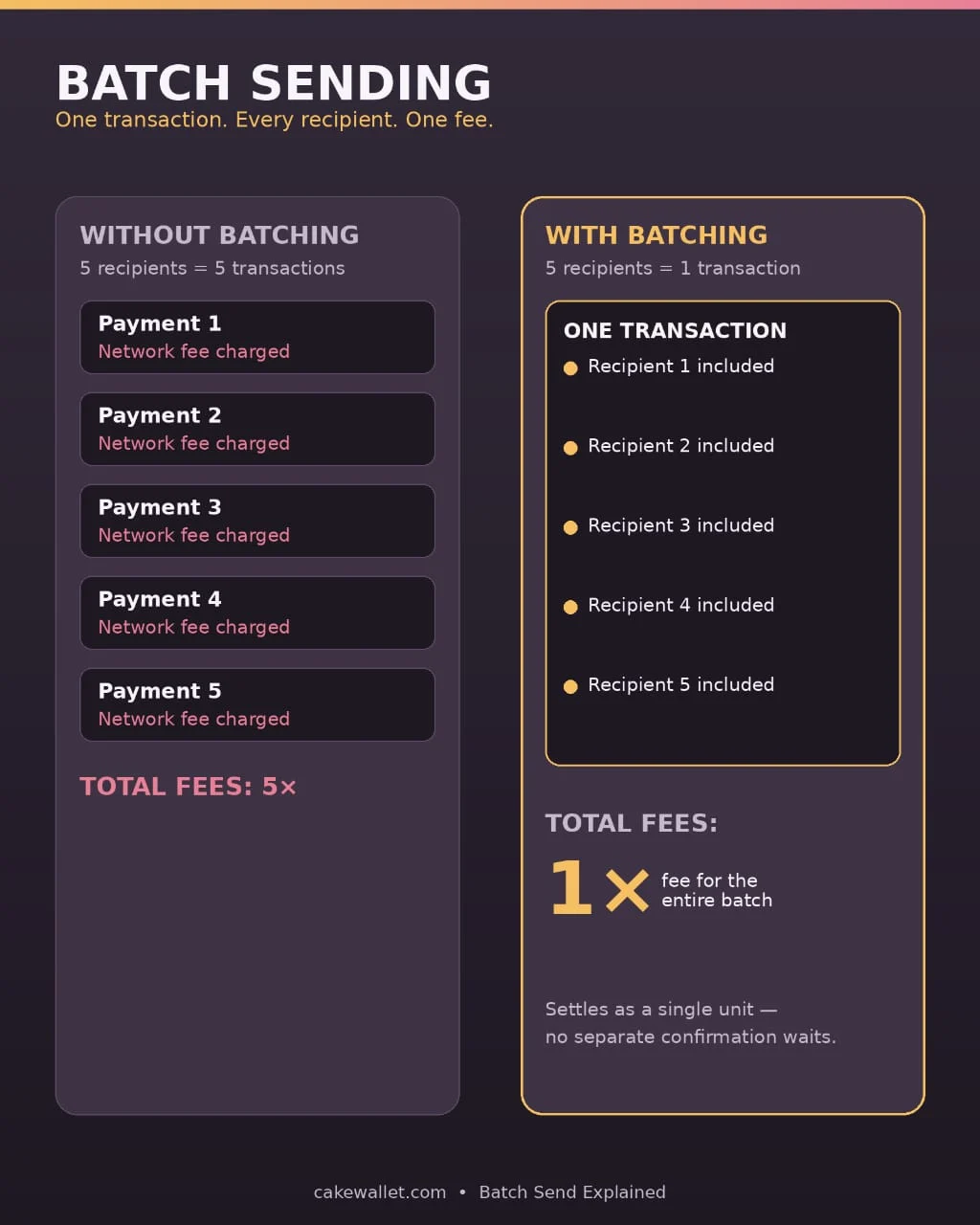
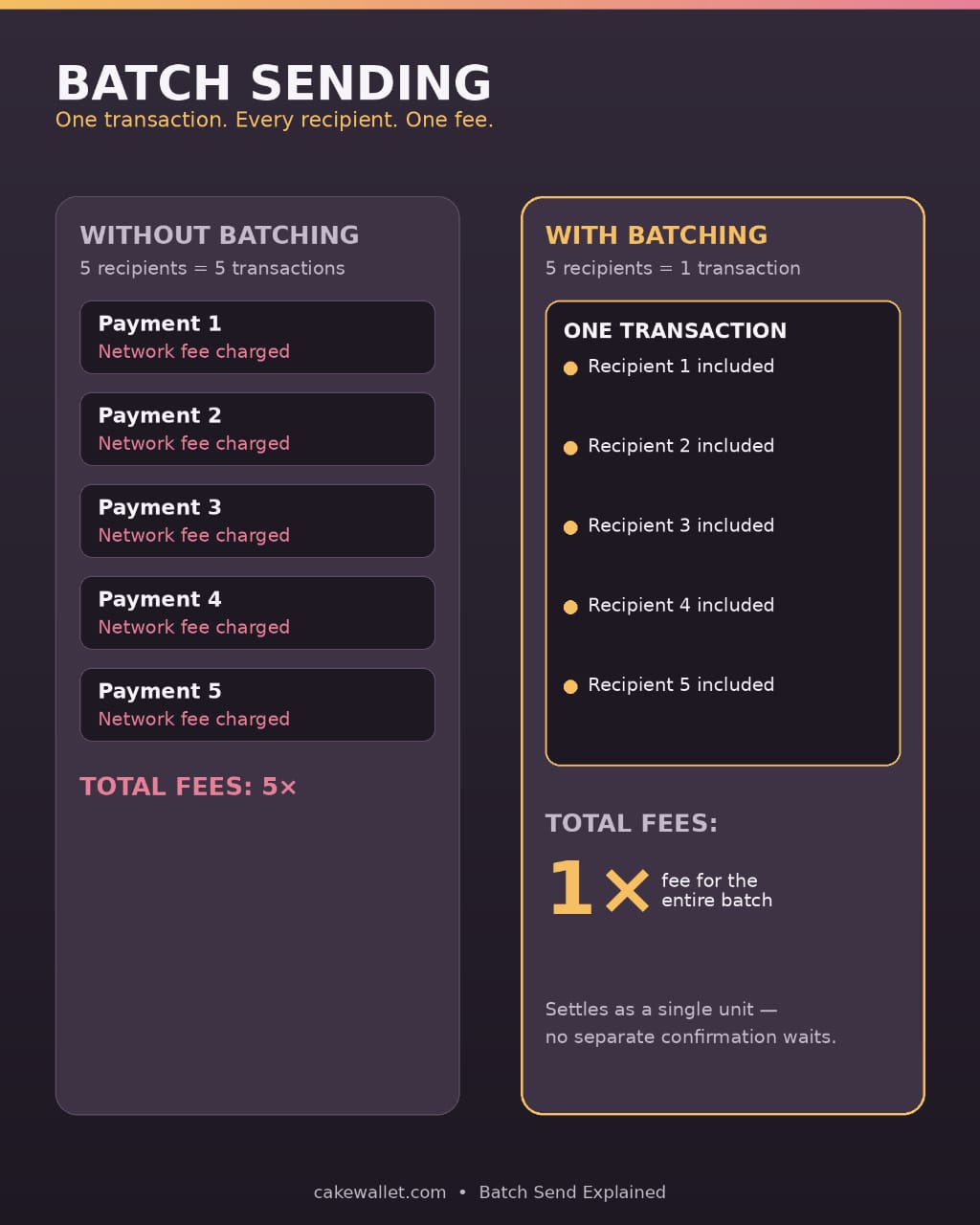
The core appeal of Cake Wallet’s batch sending feature lies in its elegant solution to a persistent problem within cryptocurrency transactions: the overhead of executing multiple payments. In conventional wallet operations, sending funds to five different individuals or consolidating assets across five personal wallets typically necessitates five distinct transactions. Each of these transactions incurs its own network fee, requires individual confirmation wait times, and faces the independent risk of delays or being stuck during periods of network congestion.
Addressing Transactional Friction:
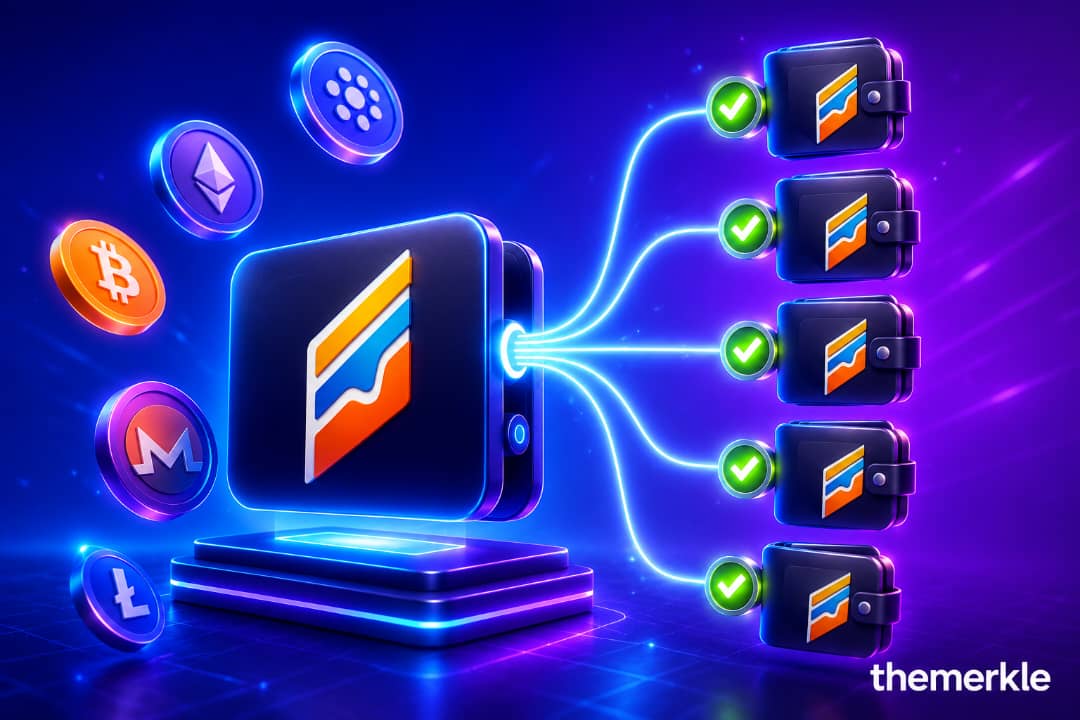
Cryptocurrency networks, while decentralized and robust, are not immune to the fundamental economic principles of supply and demand. During peak usage, network congestion can lead to significant spikes in transaction fees and extended confirmation times. For users or entities needing to process multiple payments – be it a small business paying contractors, a group splitting a bill, or an individual managing various investment portfolios – these cumulative costs and delays quickly become prohibitive. Batch sending directly addresses this by allowing users to bundle all recipients into one aggregated transaction. This single transaction then settles as a unified unit on the blockchain, drastically simplifying the process.
How Batch Sending Works:
Technically, batch sending operates by constructing a single transaction that includes multiple output addresses. Instead of generating five separate transactions, each with one input and one output, the wallet creates one transaction with potentially multiple inputs (from the sender’s available UTXOs or unspent transaction outputs) and multiple outputs (one for each recipient). The network processes this as a single data packet, typically charging a fee based on the total data size and complexity of the transaction, rather than a flat rate per recipient. This distinction is critical for understanding the economic benefits.
Quantifiable Advantages:
The quantifiable advantages of this approach are significant. For instance, if a network charges a base fee plus a fee per byte of data, sending five individual transactions would incur the base fee five times, plus the data cost for each. With batch sending, the user pays the base fee only once, alongside the aggregated data cost for all outputs within that single transaction. Depending on the cryptocurrency network and its fee structure, this can lead to substantial reductions in overall transaction costs, potentially saving users a considerable percentage of what they would otherwise spend on fees. Beyond financial savings, the time efficiency is equally compelling. Instead of waiting for five separate confirmations, the user waits for just one. This consolidates the entire payment process, reducing the administrative burden and accelerating the finality of fund transfers.
Practical Applications Across User Segments:
The utility of batch sending extends across various user segments:
- Businesses and Freelancers: For small businesses paying multiple contractors or freelancers, batch sending streamlines payroll operations, reducing both costs and administrative effort. A single transaction replaces numerous individual ones, simplifying record-keeping and reconciliation.
- Group Payments: Friends splitting a bill, or community organizers distributing funds, can leverage batch sending to manage payments efficiently without the hassle of multiple individual transfers.
- Personal Finance Management: Individuals who manage funds across several of their own wallets (e.g., hot wallet, cold storage, specific investment wallets) can consolidate or distribute assets far more effectively.
- Token Distribution: For projects or DAOs needing to distribute tokens to multiple participants (e.g., airdrops, reward payouts), batch sending offers an indispensable tool for cost-effective and timely execution.
A Deep Dive into Cake Wallet’s Core Identity
Cake Wallet’s capabilities extend far beyond its batch sending feature, rooted deeply in its foundational principles as a non-custodial, open-source cryptocurrency wallet.
Non-Custodial Security and User Autonomy:
Central to Cake Wallet’s philosophy is its non-custodial nature. This means users, and only users, retain full control over their private keys. Unlike custodial services, where a third party holds the keys to a user’s funds, Cake Wallet empowers individuals with complete autonomy over their digital assets. This architectural choice is paramount for security and aligns with the core ethos of decentralization, ensuring that funds cannot be frozen, seized, or accessed without the user’s explicit consent and cryptographic signature.
The Open-Source Imperative: Trust Through Transparency:
Further bolstering trust and security, Cake Wallet is developed by Cake Labs and is fully free and open source under the MIT license. This commitment to open-source development is a critical differentiator in the financial technology sector. It signifies that anyone with the requisite technical knowledge can inspect the wallet’s underlying code. This transparency is vital because it allows for public auditing, peer review, and community vetting of the software. Instead of simply trusting a company’s marketing claims regarding privacy and security, users and independent security researchers can verify that the wallet functions precisely as advertised, without hidden backdoors or vulnerabilities. This verifiable trust model is a stark contrast to closed-source alternatives, where users must implicitly trust the developer without the ability to inspect the code. The collective vigilance of the open-source community often leads to faster identification and resolution of potential issues, enhancing the overall resilience and security of the application.
Monero as a Cornerstone: Advanced Privacy Features:
Monero (XMR) is not merely one of the many cryptocurrencies supported by Cake Wallet; it is one of its earliest and most defining features, deeply influencing the wallet’s privacy-centric design. Monero is renowned for its robust privacy features, which include:
- Ring Signatures: Obfuscate the sender of a transaction by mixing their digital signature with those of other users.
- Stealth Addresses: Generate a unique, one-time address for each transaction, preventing recipients from being linked across multiple transactions.
- Confidential Transactions (CTs): Hide the amount of Monero being transacted.
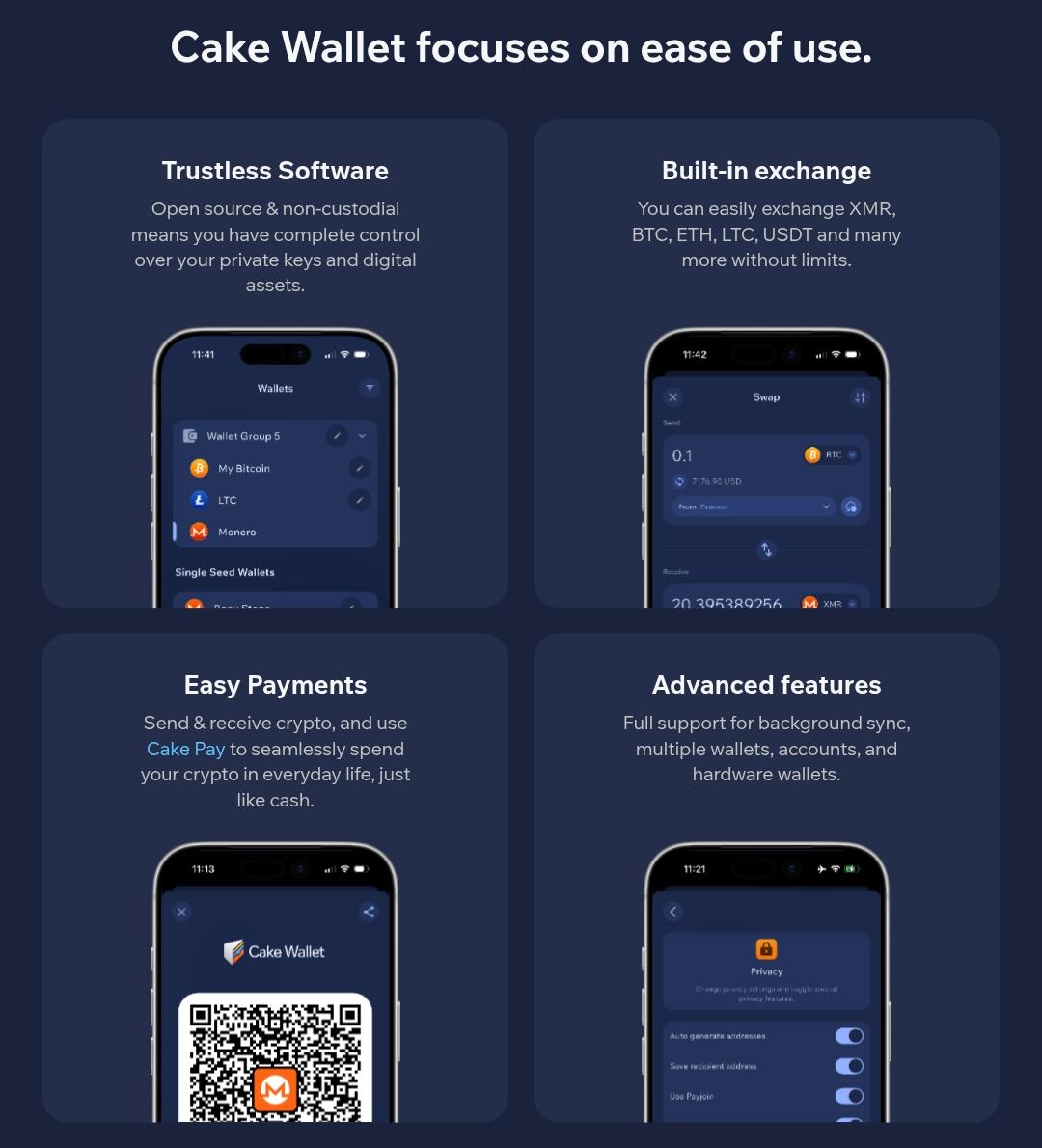
Cake Wallet actively leverages and enhances these native Monero privacy features. By default, the wallet automatically generates new subaddresses after each use. This practice is a crucial privacy safeguard, as it prevents multiple transactions from being easily linked to the same identity on the blockchain, thereby making on-chain analysis significantly more challenging. For advanced users, the wallet offers granular control, allowing them to disable automatic generation and manage subaddresses manually. Furthermore, a highly specialized option allows users to configure the wallet to discard the recipient address entirely after sending Monero. While Cake Wallet explicitly recommends this setting only for advanced users who fully comprehend the implications (as it means losing any record of who funds were sent to), it underscores the wallet’s commitment to offering unparalleled privacy controls for those who prioritize it. This philosophical alignment with privacy-centric design positions Cake Wallet as a premier choice for Monero users.
Beyond Batching: A Comprehensive Suite of Features
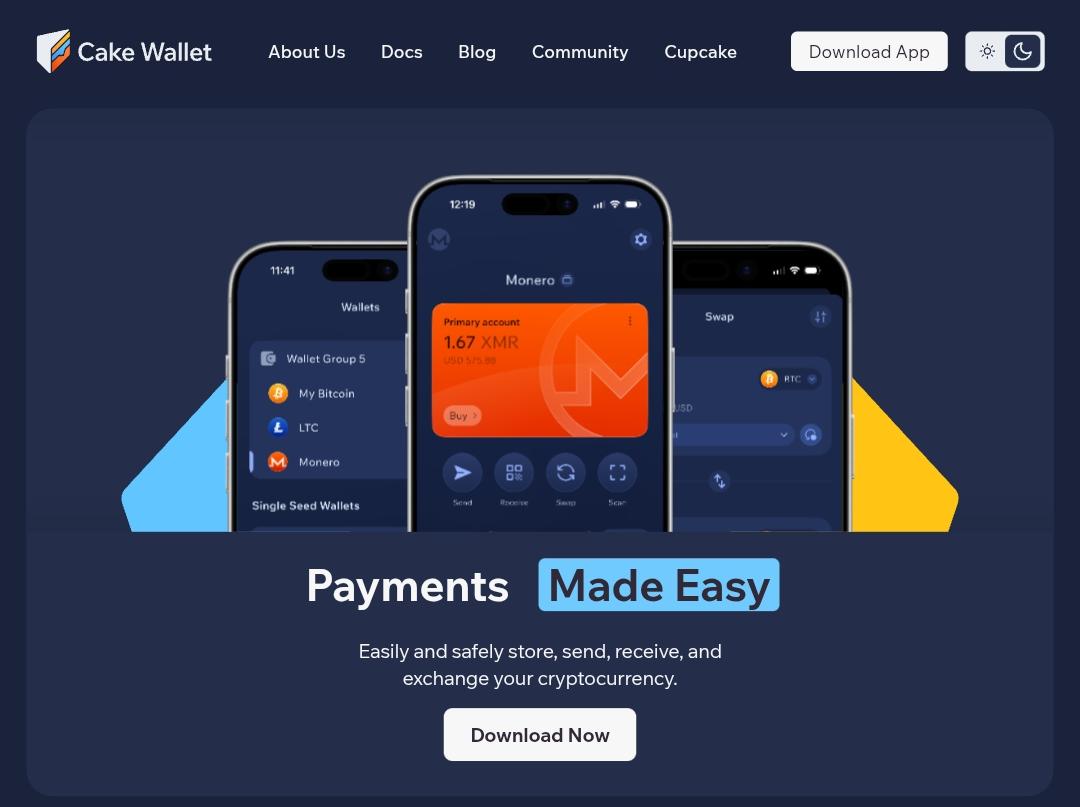
While batch sending and robust privacy are highlights, Cake Wallet offers a comprehensive suite of functionalities designed to cater to a broad spectrum of cryptocurrency users, from novices to seasoned enthusiasts.
Streamlined Payment Solutions with Cake Pay:
One of the wallet’s standout features is Cake Pay, which enables users to spend their cryptocurrency directly on everyday purchases. This integration bridges a crucial gap between the digital asset economy and traditional commerce, allowing users to leverage their crypto holdings for practical, real-world utility without the need for cumbersome conversion processes. Cake Pay represents a significant step towards normalizing cryptocurrency as a medium of exchange, making it more accessible and useful for daily transactions.
Multi-Wallet Management and Seamless Synchronization:
Cake Wallet allows users to manage multiple distinct wallets and accounts from within a single, intuitive application. This capability is invaluable for users who wish to segment their holdings for different purposes (e.g., savings, spending, specific investments) without having to juggle multiple apps or seed phrases. The wallet also boasts full background synchronization, ensuring that users always have access to the most up-to-date information regarding their balances and transaction history. This seamless synchronization is crucial for real-time portfolio tracking and reliable transaction processing.
Integrating Cold Storage for Enhanced Security:
For users prioritizing the highest level of security, Cake Wallet offers compatibility with hardware wallets. This integration allows individuals to combine the unparalleled security of cold storage (where private keys are kept offline) with the user-friendly and feature-rich interface of Cake Wallet. This hybrid approach strikes an optimal balance, providing robust protection for digital assets while maintaining a highly usable and accessible platform for managing them. This feature caters to the growing demand for secure yet convenient crypto management solutions, especially for significant holdings.
Revolutionizing Address Management and User Interaction
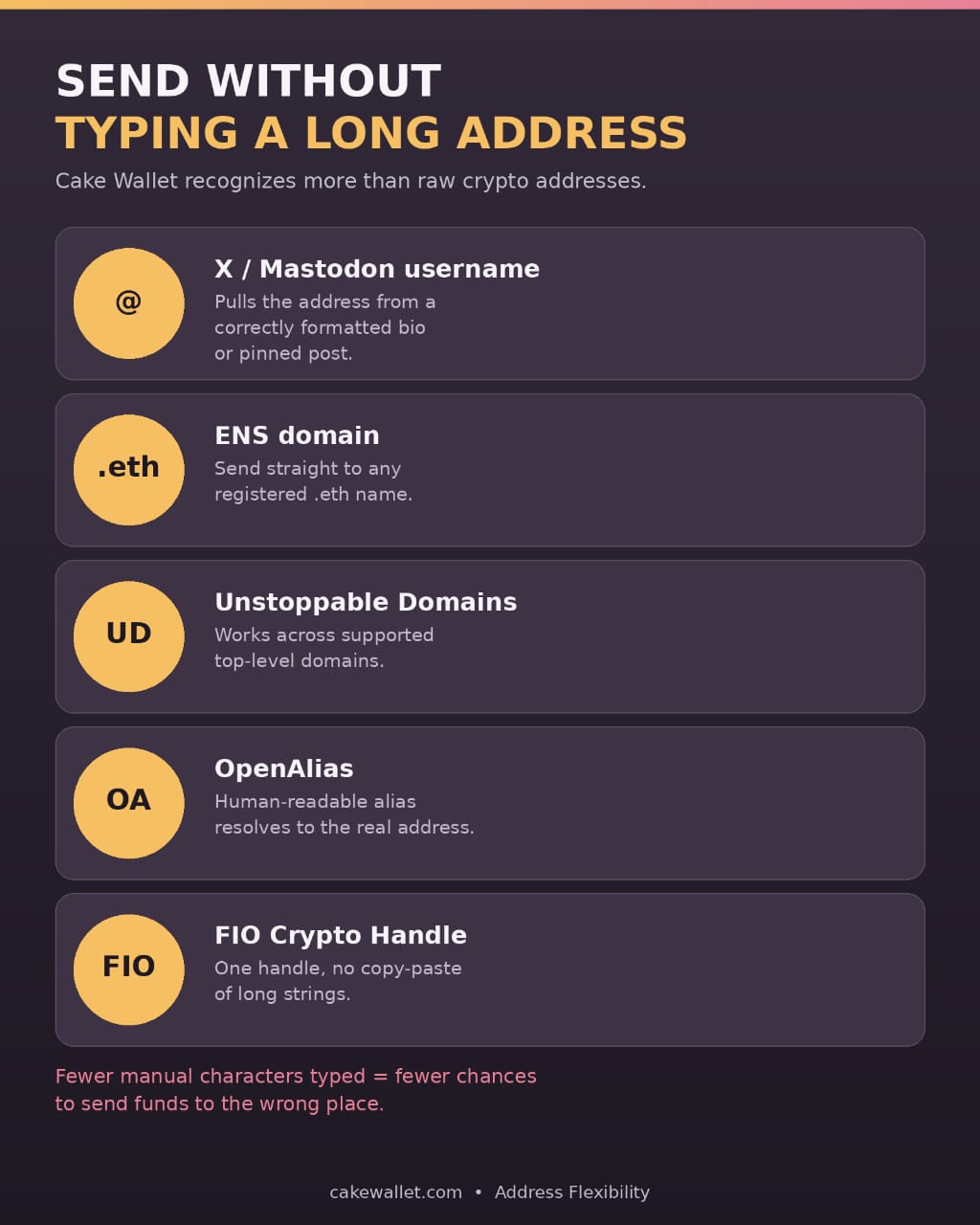
One of the most significant barriers to mainstream cryptocurrency adoption has historically been the complexity and unintuitiveness of wallet addresses. These long, alphanumeric strings are not only prone to human error but also intimidating for new users. Cake Wallet addresses this challenge head-on with an advanced suite of address recognition features that extend far beyond standard formats.
The Evolution of Crypto Addressing:
The journey from complex, easily mistyped cryptographic addresses to human-readable names represents a critical evolution in user experience design within the crypto space. Cake Wallet is at the forefront of this movement, integrating various protocols designed to simplify the sending process and mitigate the risk of funds being sent to incorrect addresses.
Support for Decentralized Identifiers:
Cake Wallet supports sending funds directly to several decentralized identifier systems:
- OpenAlias Addresses: A simple standard that allows a cryptocurrency address to be linked to a human-readable domain name (e.g.,
[email protected]). This makes addresses easier to remember and share. - ENS Domains (.eth): The Ethereum Name Service allows users to register human-readable names for their Ethereum addresses (e.g.,
alice.eth). Cake Wallet’s support for ENS domains streamlines transactions within the Ethereum ecosystem. - Unstoppable Domains: These provide censorship-resistant, human-readable names that can resolve to multiple cryptocurrency addresses across various blockchains (e.g.,
yourname.crypto). This offers a unified, easy-to-use identifier for multi-chain assets. - FIO Crypto Handles: The FIO Protocol aims to enhance usability by providing a single, human-readable FIO Crypto Handle (e.g.,
alice@domain) that can replace all complex public wallet addresses. It also facilitates payment requests, further improving user interaction.
Social Media Integration: A New Paradigm for Sending Crypto:
Perhaps one of the most innovative features is Cake Wallet’s ability to support sending cryptocurrency directly to a Mastodon or X (formerly Twitter) username. If a user on these platforms has a correctly formatted cryptocurrency address posted in their bio or a pinned post for the relevant cryptocurrency, Cake Wallet will automatically detect and surface it. This functionality is a game-changer for casual payments, tipping, and interacting with the crypto community on social media. It drastically reduces the friction associated with requesting and sharing addresses, transforming a potentially cumbersome process into a seamless one.
Reducing Human Error and Enhancing Accessibility:
This comprehensive feature set, particularly when combined with batch sending, underscores Cake Wallet’s consistent optimization for reducing the number of steps and minimizing the points where errors can occur in a transaction. Typing long, easily mistyped wallet addresses is one of the most common causes of accidental fund loss in the crypto world. By enabling users to type a simple username or domain instead, Cake Wallet removes a significant layer of risk, making cryptocurrency transactions more accessible, safer, and user-friendly for everyone. This focus on simplifying complex processes is crucial for driving broader adoption of digital assets.
The User Journey: Navigating the Send Process
Understanding the user flow within Cake Wallet highlights its commitment to an intuitive and controlled transaction experience, even with advanced features like batch sending.
Intuitive Send Flow:
Initiating a transaction in Cake Wallet is designed to be straightforward. Users typically tap "Send" from their balance screen. From there, they can input a destination address using several convenient methods: pasting it directly, scanning a QR code, or selecting from a saved address book. The inclusion of advanced address recognition (OpenAlias, ENS, social media handles) further simplifies this step. Users then specify the amount, either in the active cryptocurrency or its fiat equivalent. For quick transfers, an "ALL" button allows the entire wallet balance to be sent at once.
Understanding Transaction Fees:
A critical distinction for all cryptocurrency users, especially those new to the space or utilizing batch sending, is the separation of the network fee from the send amount. The network fee is an additional charge paid to the miners or validators of the blockchain to process and confirm the transaction. For example, if a user has 1 XMR, sends 0.5 XMR, and the network fee is 0.01 XMR, the total cost for that transaction is 0.51 XMR, not 0.5 XMR. This distinction becomes even more pertinent with batch sending, as users pay one combined fee across all recipients in that single transaction, significantly reducing the cumulative cost compared to accumulating fees per person through individual sends.
Customization and Control:
Cake Wallet provides users with control over their transactions, allowing them to adjust the network fee priority. This means users can opt for a higher fee to expedite confirmation during periods of network congestion or choose a lower fee for less time-sensitive transactions. Additionally, the wallet supports adding a private internal note, visible only within the app. This feature is invaluable for personal record-keeping, allowing users to annotate transactions for future reference without broadcasting sensitive information on the blockchain. Before broadcasting, all transaction details are presented for a final confirmation, ensuring accuracy and user consent.
Security Protocols and Wallet Restoration
Robust security and straightforward wallet management are non-negotiable for any credible cryptocurrency wallet. Cake Wallet incorporates industry best practices while offering options for varying user needs.
Seed Phrase Standards:
Upon creation, Cake Wallet provides users with a seed phrase – a sequence of words that acts as the master key to their funds. By default, it generates a 16-word Polyseed, a newer, more robust standard designed to enhance security and ease of use. For those accustomed to older formats, it also supports the legacy 25-word seed format. Regardless of the format, the seed phrase is the ultimate backup for a wallet, emphasizing the critical importance of storing it securely and offline, away from digital vulnerabilities.
The Importance of Full Synchronization:
For most functions to work correctly, particularly for privacy-centric coins like Monero, Cake Wallet requires full synchronization with the blockchain. This process involves downloading and verifying the entire transaction history relevant to the user’s wallet, ensuring that the displayed balances and transaction statuses are accurate and up-to-date. This synchronization is indicated by a green dot on the home screen. While it can be a minor initial friction point, especially for a newly restored wallet, it is a necessary security and functionality measure that ensures the integrity and reliability of the wallet’s operations. Users are generally advised to allow this process to complete before attempting critical transactions.
Best Practices for Digital Asset Security:
Beyond its built-in features, Cake Wallet implicitly encourages users to adhere to general best practices for digital asset security. This includes safeguarding seed phrases diligently, utilizing strong passwords and biometric authentication where available, and considering hardware wallet integration for significant holdings. The non-custodial and open-source nature of Cake Wallet places the onus of security largely on the user, providing them with the tools and transparency needed to manage their assets responsibly.
Cake Wallet’s Position in the Evolving Crypto Landscape
In a rapidly evolving cryptocurrency landscape, Cake Wallet distinguishes itself not merely by individual features, but by the synergy of its offerings, presenting a holistic solution for modern crypto users.
Differentiating Through Feature Synergy:
While batch sending is available in some Bitcoin-focused tools, Cake Wallet’s true innovation lies in combining this fee-saving capability with a genuinely broad multi-currency support, deep Monero-specific privacy tooling, flexible address recognition across usernames and domains, and a fully open-source codebase. This unique combination, all encapsulated within one non-custodial application, provides a level of functionality and convenience that would otherwise necessitate juggling multiple disparate tools. This integrated approach simplifies the user experience, enhances security, and significantly reduces operational friction. The focus is on creating a comprehensive ecosystem within a single app, rather than offering isolated features.
Implications for Cryptocurrency Adoption and Professional Use:
The features offered by Cake Wallet, particularly batch sending and advanced address recognition, have profound implications for the broader adoption of cryptocurrencies. By making transactions cheaper, faster, and less prone to error, Cake Wallet lowers the barrier to entry for both individual users and businesses. For professional use cases, such as payroll, vendor payments, or fund distribution in decentralized autonomous organizations (DAOs), these efficiencies translate into tangible operational savings and improved workflow. This positions cryptocurrency as a more viable and attractive option for mainstream financial activities, potentially accelerating its integration into the global economy. The reduction in complexity and increase in reliability inherent in these features are crucial for fostering trust and encouraging wider engagement with digital assets.
Future Outlook and Industry Impact:
The competitive landscape of cryptocurrency wallets demands continuous innovation. Cake Wallet’s proactive development, particularly in areas that directly address user pain points like transaction costs and complexity, sets a benchmark for other wallet providers. The ongoing need for more efficient, secure, and user-friendly wallet technology will continue to drive innovation, with solutions like Cake Wallet’s batch sending likely becoming standard expectations rather than niche features. As the crypto ecosystem matures, the emphasis will increasingly shift towards practical utility and seamless integration into daily financial lives, areas where Cake Wallet has already made significant strides.
Conclusion: A Blueprint for Modern Crypto Wallets
Cake Wallet exemplifies a forward-thinking approach to cryptocurrency management. Its batch sending feature, while not always in the marketing spotlight, quietly delivers substantial value, saving users real money in avoided fees and invaluable time over the long term. This functionality, coupled with its robust multi-currency support, industry-leading Monero privacy tools, innovative address recognition capabilities, and an unwavering commitment to open-source transparency, crafts a compelling narrative for what a modern, user-centric cryptocurrency wallet should embody. For anyone who regularly interacts with multiple recipients in the crypto space, whether for business operations, group payments, or personal fund consolidation, Cake Wallet offers a sophisticated yet intuitive solution. It stands as a testament to how thoughtfully designed features, often overlooked, can profoundly enhance the efficiency, security, and overall user experience in the complex world of digital assets. By addressing common pain points with practical, verifiable solutions, Cake Wallet provides a blueprint for the future of cryptocurrency interaction.
Some visuals in this article are AI-generated illustrations created to demonstrate Cake Wallet’s features and are not actual screenshots of the app. For accurate, up-to-date information or to interact directly with the wallet, please visit https://cakewallet.com/.
Disclosure: This is not trading or investment advice. Always do your research before buying any cryptocurrency or investing in any services.














