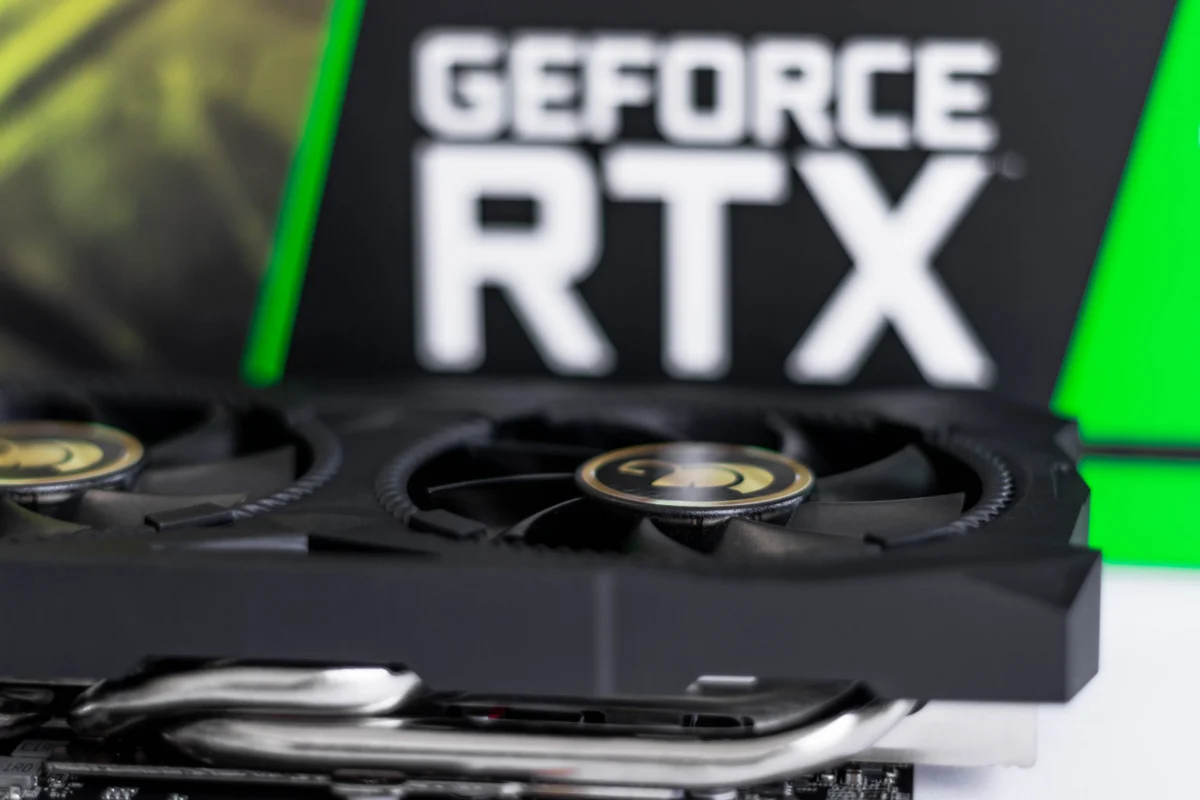
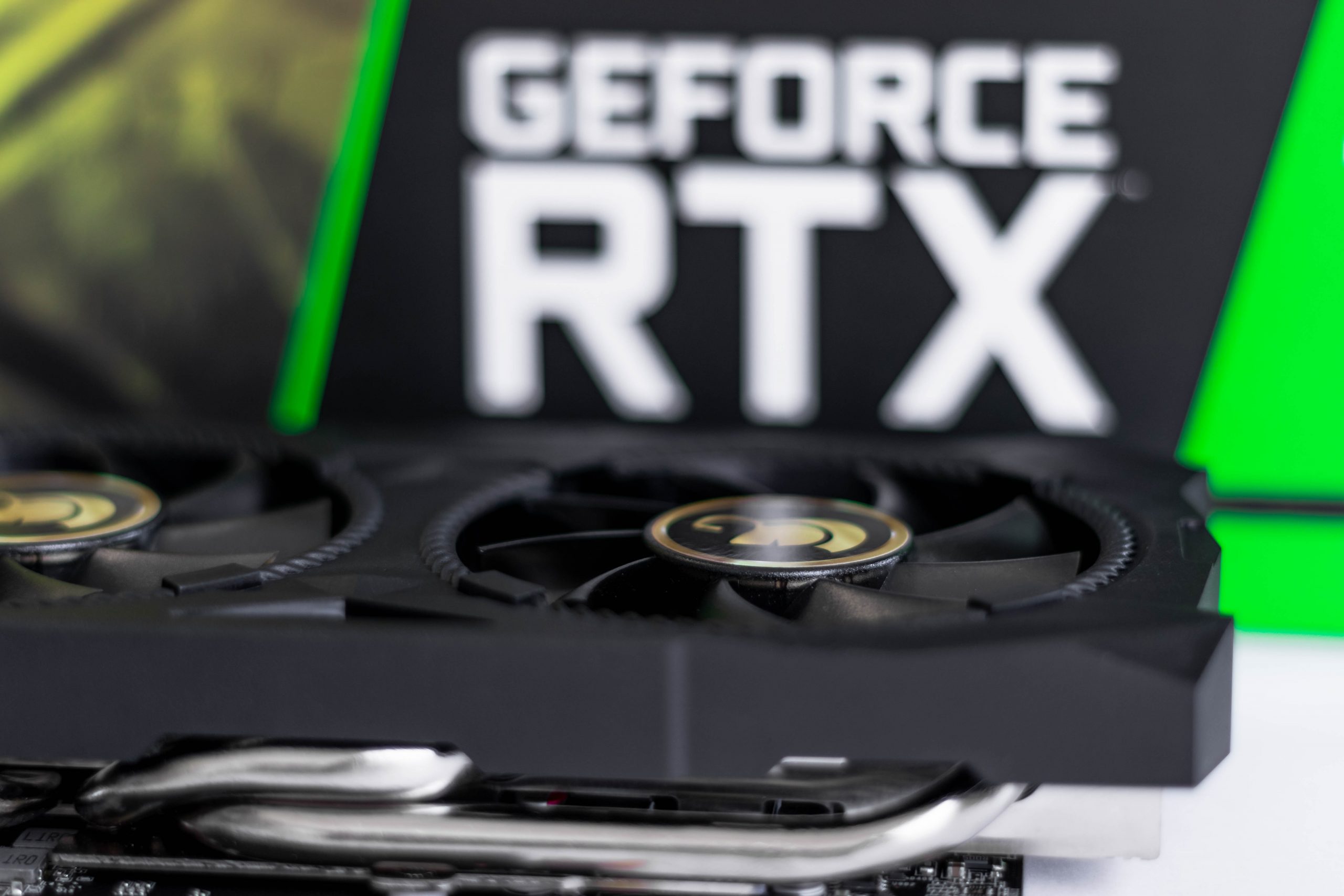
The secondary market for graphics processing units (GPUs) in China is currently experiencing an unprecedented influx of inventory as cryptocurrency miners liquidate their hardware following a series of aggressive regulatory crackdowns by the Chinese government. Prices for high-end cards, including the popular Nvidia GeForce RTX 3060, have reportedly fallen to as low as $270, a significant departure from the inflated prices seen during the height of the mining boom. This mass sell-off marks a pivotal shift in the global semiconductor and cryptocurrency landscapes, signaling the end of an era for industrial-scale mining within Chinese borders and offering a potential reprieve for the global gaming community.
The flood of used hardware includes a wide array of models from both Nvidia and AMD. While the latest Ampere and RDNA2 architectures are the most sought after, older generations such as the Pascal (GTX 10-series) and Polaris (RX 400/500 series) are also appearing in vast quantities on second-hand platforms like Xianyu. Market observers have noted that RTX 3070 units are being listed for approximately $400, while RTX 3060 Ti models are hovering around the $350 mark. However, these low prices come with a significant caveat: most sellers are refusing individual unit sales, instead requiring bulk purchases of 100 to 200 units. This wholesale approach suggests that the sellers are large-scale mining operations looking to exit the market quickly rather than individual hobbyists.
The Regulatory Catalyst: A Timeline of the Chinese Crackdown
The current market saturation is the direct result of a coordinated effort by Chinese authorities to dismantle the domestic cryptocurrency mining industry. This campaign, which intensified in the second quarter of 2021, was driven by concerns over financial stability, energy consumption, and the government’s broader environmental goals, including a commitment to reach carbon neutrality by 2060.
The timeline of the crackdown highlights the speed and severity of the transition:
- May 2021: The State Council’s Financial Stability and Development Committee, led by Vice Premier Liu He, announced a crackdown on Bitcoin mining and trading activities. This was the first time the central government explicitly targeted mining at such a high level.
- June 2021: Provincial authorities began enforcing the mandate. Inner Mongolia, Qinghai, and Yunnan—regions previously known for their cheap coal and hydroelectric power—ordered mining facilities to shut down immediately.
- Mid-June 2021: The crackdown reached Sichuan, the world’s largest hub for hydroelectric mining. Power companies were instructed to stop providing electricity to known mining farms, leading to a massive drop in the global Bitcoin hash rate.
- Late June 2021: Major Chinese banks and payment platforms, including Alipay, reiterated bans on cryptocurrency-related transactions, further isolating the industry from the national financial system.
This regulatory pressure has left Chinese miners with two primary options: migrate their operations to crypto-friendly jurisdictions such as Kazakhstan, Russia, or North America, or liquidate their hardware to recoup capital. For many small to medium-sized operations, the logistical hurdles and costs of international relocation are prohibitive, leading to the current fire sale of GPUs and even specialized mining laptops.
Hardware Logistics and the Risks of Mining-Used GPUs
The sudden availability of thousands of RTX 30-series cards has caught the attention of the global gaming and PC enthusiast community, which has suffered through a multi-year GPU shortage characterized by scalper prices and empty shelves. However, industry experts warn that these used cards carry substantial risks.
Cryptocurrency mining, particularly Ethereum mining, subjects GPUs to extreme stress. These cards typically run 24 hours a day, seven days a week, often in high-density racks with limited airflow. To maximize efficiency, miners frequently overclock the video RAM (VRAM) while undervolting the core clock. This constant thermal cycling and high-temperature operation can degrade the lifespan of the silicon, the cooling fans, and the thermal pads.
Furthermore, the bulk-sale requirement currently seen in Chinese markets prevents the average consumer from accessing these deals. The majority of these cards are being snatched up by international resellers or smaller mining operations in regions where the practice remains legal. There are also reports of "refurbished" mining cards being cleaned and repackaged to look like new, only to be sold on global platforms like AliExpress or eBay, potentially misleading unsuspecting buyers about the hardware’s history.
Broader Market Impact and the Shift to Proof-of-Stake
The liquidation of Chinese mining farms coincides with a broader shift in the cryptocurrency ecosystem. Ethereum, the primary driver of GPU mining demand over the last several years, is in the process of transitioning from a Proof-of-Work (PoW) consensus mechanism to Proof-of-Stake (PoS). This transition, often referred to as "The Merge," will eventually eliminate the need for GPU-based mining entirely for the Ethereum network.

Nvidia CEO Jensen Huang recently addressed this transition, noting that the company’s "Lite Hash Rate" (LHR) cards and the shift in Ethereum’s protocol would likely lead to better availability for gamers. The introduction of LHR technology, which artificially limits the mining performance of GPUs, was an attempt by Nvidia to segment its market, though it met with mixed success as miners found workarounds for earlier versions.
The impact of the Chinese ban is already being felt globally. In Europe, specifically Germany and Austria, reports indicate that GPU prices have dropped by as much as 40% from their May peaks. While still above the manufacturer’s suggested retail price (MSRP), the downward trend is the most significant since the launch of the RTX 30-series in late 2020.
Economic and Geopolitical Implications
China’s decision to purge its mining industry is not merely an environmental or financial regulation; it is also a strategic move to clear the path for the Digital Yuan (e-CNY). As the People’s Bank of China (PBoC) ramps up testing of its central bank digital currency (CBDC), the removal of decentralized competitors like Bitcoin and Ethereum simplifies the domestic monetary landscape. By eliminating the "gray market" of crypto mining, the state gains tighter control over capital outflows and energy allocation.
Meanwhile, the "Great Mining Migration" is reshaping the geopolitical distribution of the Bitcoin network. The United States, particularly states like Texas and Florida, has emerged as a major beneficiary, offering a combination of regulatory clarity and renewable energy sources. This shift is seen by many analysts as a "win" for Western miners, who are seeing increased profitability as the network difficulty adjusts to the lower global hash rate.
Current State of the Cryptocurrency Market
As the hardware market reels from the influx of used GPUs, the underlying assets are experiencing a period of consolidation. At the time of reporting, Bitcoin (BTC) is trading at approximately $33,000. While this represents a modest 2% recovery over a 24-hour period, the asset remains down nearly 1% over the past week and significantly below its all-time high of nearly $65,000 reached in April.

Technical analysis suggests that Bitcoin is currently trapped in a range-bound market, facing stiff resistance at the $35,000 level. The lack of upward momentum is attributed to the "overhang" of regulatory uncertainty in China and a general cooling of institutional interest following the volatility of the second quarter.
The mining difficulty—a measure of how hard it is to mine a new block—has seen its largest downward adjustment in history, dropping by nearly 28% in a single cycle. This adjustment is the protocol’s way of compensating for the sudden disappearance of Chinese miners, ensuring that blocks continue to be produced every ten minutes. For the miners who remain online, particularly those in North America and Europe, this has resulted in a "gold rush" of increased rewards, as they now command a larger share of the total hash rate with the same amount of hardware.
Conclusion
The sight of high-performance GPUs being sold for fractions of their previous market value is a stark visual representation of China’s decisive exit from the crypto mining industry. While the $270 Nvidia RTX 3060 may seem like a bargain, it represents the debris of a once-massive industry that is now being dismantled and redistributed across the globe.
For the technology industry, this event serves as a reminder of how closely the hardware and financial markets have become intertwined. The global GPU shortage, which was exacerbated by the mining craze, appears to be entering its twilight phase. However, the long-term effects on the used hardware market and the reliability of second-hand components will likely be felt for years to come. As the mining world moves its gaze away from the hydroelectric dams of Sichuan and toward the wind farms of Texas, the era of Chinese dominance in the crypto-hardware space has come to an abrupt and unceremonious end.