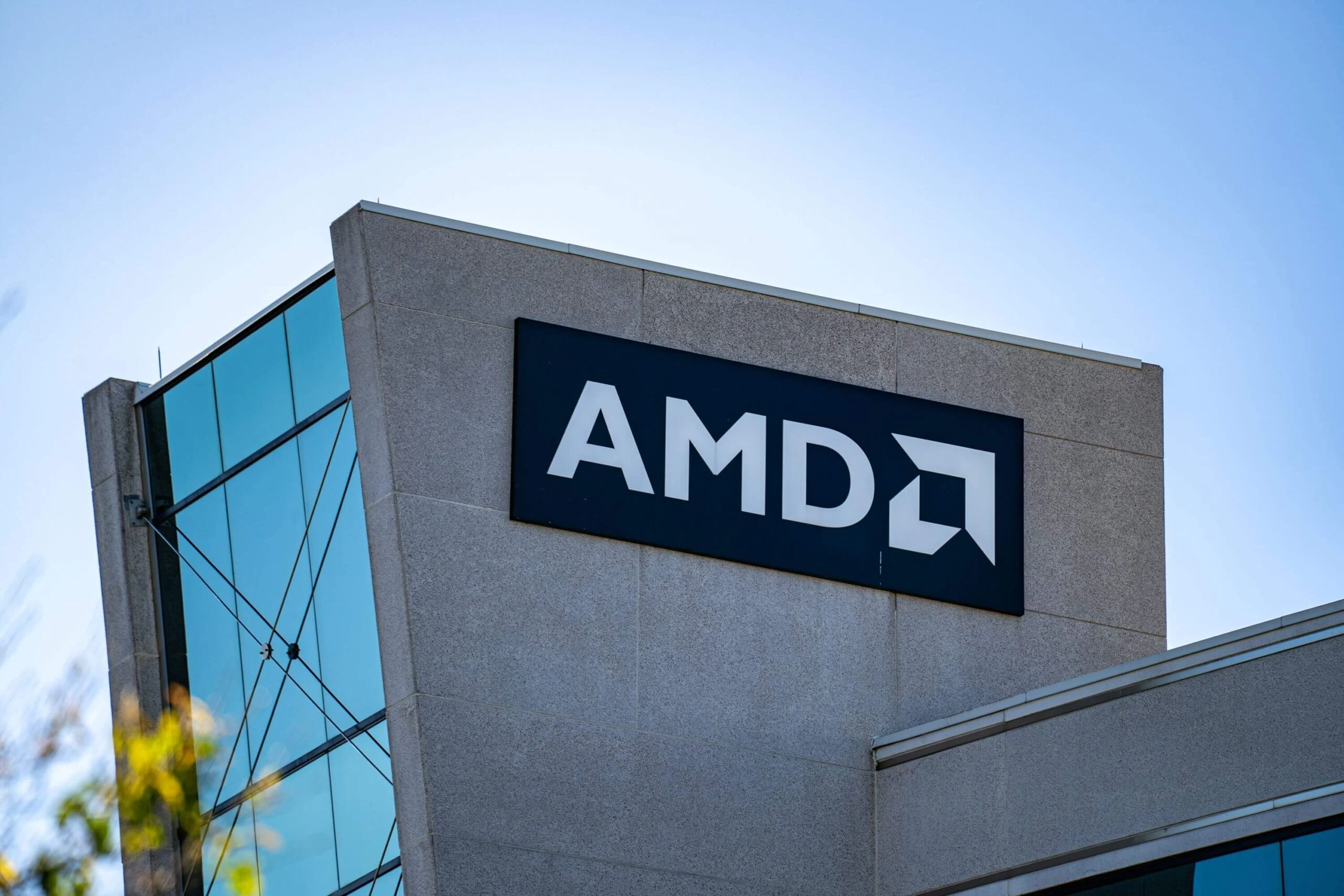
Advanced Micro Devices (AMD) concluded Friday’s trading session with its stock (NASDAQ: AMD) at $483.36, marking a 1.21% decline, before a further marginal dip of 0.12% in after-hours trading to $482.80. This market movement coincided with the announcement that the semiconductor giant has entered into an agreement to acquire Taalas, a Toronto-based startup specializing in the development of model-specific processors designed for artificial intelligence (AI) inference workloads. This strategic acquisition underscores AMD’s aggressive expansion into specialized computing solutions, positioning itself to capitalize on the rapidly escalating demand for AI inference capabilities across a broad spectrum of commercial AI deployments.
The acquisition of Taalas is a pivotal step in AMD’s broader strategy to enhance its AI hardware and software ecosystem. According to statements from AMD, Taalas’s innovative technology will be integrated into the company’s comprehensive accelerator and system roadmap. Taalas distinguishes itself through a unique approach to AI chip design, where model weights are directly embedded into the silicon architecture. This method significantly reduces the reliance on high-bandwidth memory (HBM), a critical and often expensive component in traditional AI accelerators. By placing weights directly on-chip, Taalas aims to deliver substantial improvements in both speed and power efficiency, particularly for AI models characterized by stable architectures and high inference demand.
Early benchmark testing, released by Taalas in February, demonstrated the potential of its HC1 chip. When tested with Meta’s Llama 3.1 eight-billion-parameter model, the HC1 reportedly achieved throughput nearing 17,000 tokens per second. While impressive for specific applications, this design inherently involves a trade-off: the processors are tailored for particular models, sacrificing the general-purpose flexibility offered by conventional GPUs. This specialization, however, is precisely what AMD seeks to leverage for high-volume, repetitive inference tasks. AMD envisions combining Taalas technology with its existing portfolio, including Instinct GPUs, EPYC processors, Helios systems, and the ROCm software platform. This integration could enable a novel approach where prompt processing and token generation are efficiently distributed across different types of processors, allowing AMD to offer highly specialized and optimized configurations for customers with demanding, high-volume inference workloads.
The Strategic Imperative: Addressing the AI Inference Boom
The global artificial intelligence market is experiencing unprecedented growth, with a clear bifurcation emerging between AI model training and AI model inference. While training large language models (LLMs) and other complex AI algorithms requires immense computational power, typically provided by high-performance GPUs, the subsequent deployment and execution of these trained models—known as inference—represents an even larger and faster-growing segment of the market. Commercial AI services, from generative AI applications to advanced analytics and autonomous systems, increasingly demand faster response times, lower operational costs, and higher output efficiency to serve a burgeoning user base.
Specialized processors like those developed by Taalas are uniquely positioned to address these specific needs. When customers repeatedly run the same AI models at massive scale, the flexibility of a general-purpose GPU becomes less critical than the raw efficiency and speed offered by a purpose-built accelerator. This shift in focus from pure training power to optimized inference performance is a significant trend across the semiconductor industry, prompting major players like AMD to recalibrate their strategies and invest in diverse hardware architectures. Market research firms project the AI inference market to grow at a compound annual growth rate (CAGR) exceeding 30% over the next decade, with its market size potentially surpassing the training segment in the coming years. This robust growth trajectory makes the inference space a battleground for innovation and market share.
AMD’s Helios Strategy Gains a Specialized Component
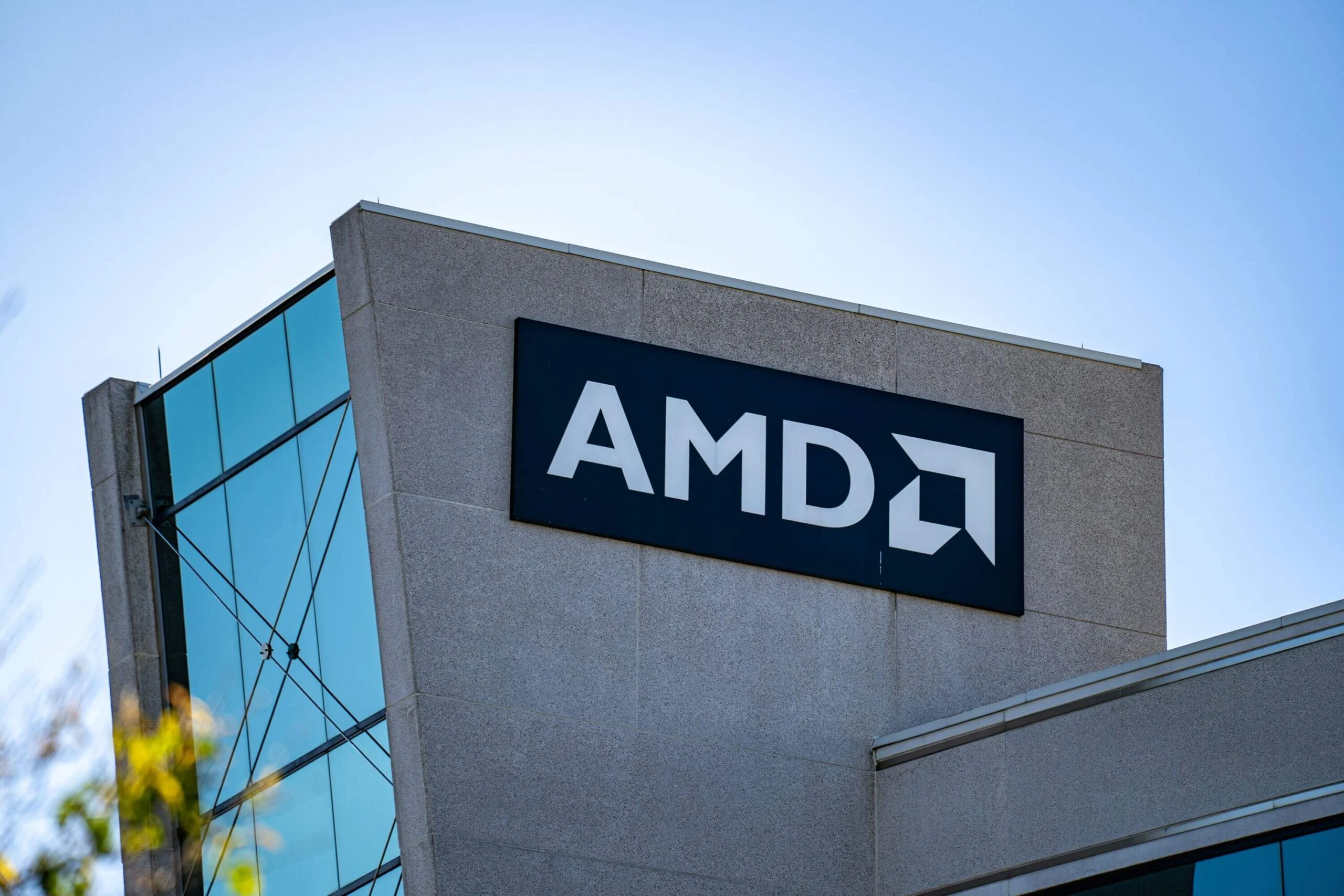
The acquisition of Taalas is a critical piece in AMD’s broader "Helios" strategy, which aims to build complete, rack-scale AI systems designed to directly compete with integrated server platforms offered by industry leader Nvidia. AMD recently began shipping its Helios systems, representing a full-stack solution encompassing compute, networking, and software. Key industry players, including Meta and Microsoft, have already committed to deploying AMD’s rack-scale infrastructure, signaling confidence in the company’s integrated approach.
Within future Helios configurations, Taalas technology could introduce a dedicated inference layer. This architectural innovation would allow general-purpose GPUs to handle more flexible and diverse computing tasks, such as initial prompt processing or fine-tuning, while the model-specific accelerators from Taalas efficiently manage repetitive, high-volume token generation workloads. Such a setup promises to significantly improve overall system efficiency, particularly when customers operate large AI models at consistently high and predictable volumes. This modular and specialized approach could offer AMD a distinct competitive advantage by delivering superior performance-per-watt and lower total cost of ownership for specific inference applications.
A History of Strategic Acquisitions Fueling AI Ambitions
AMD’s push into AI has been characterized by a series of significant strategic investments and acquisitions over the past several years, aimed at building a robust and comprehensive AI portfolio. While the original article mentioned some acquisitions that appear to be factually incorrect (Silo AI, ZT Systems, MK1 as direct acquisitions), AMD has indeed made major moves to bolster its capabilities. The most prominent example is the acquisition of Xilinx in 2022 for approximately $49 billion. This monumental deal brought Xilinx’s leadership in field-programmable gate arrays (FPGAs) and adaptive SoCs (System-on-Chips) into the AMD fold, significantly expanding its data center, embedded, and aerospace and defense market reach, and providing crucial programmable hardware for diverse AI workloads. Another key acquisition was Pensando Systems in 2022 for $1.9 billion, which strengthened AMD’s data center portfolio with a leading distributed services platform, including data processing units (DPUs) that are vital for offloading network and security functions in modern cloud and AI environments.
These acquisitions, coupled with continuous internal R&D, demonstrate AMD’s commitment to delivering full-stack solutions. By integrating hardware from CPUs (EPYC), GPUs (Instinct), and now specialized accelerators (Taalas), along with its open-source ROCm software platform, AMD is building an ecosystem designed to rival Nvidia’s vertically integrated CUDA platform. The Taalas deal fits perfectly into this trajectory, adding a crucial layer of specialization for the burgeoning inference market.
Competitive Landscape and Industry Reactions
The semiconductor industry is currently in an intense "AI arms race," with every major player vying for a piece of the rapidly expanding market. Nvidia, with its dominant CUDA software platform and H100/H200 GPUs, currently holds a commanding lead in both AI training and inference. However, AMD’s strategic moves, including the Taalas acquisition, signal a concerted effort to carve out a significant share, particularly in the specialized inference segment.
While the original article incorrectly referenced an Nvidia acquisition of Groq, it is important to note that Groq is a prominent independent AI chip company known for its Language Processing Unit (LPU) architecture, which also aims for ultra-low latency and high throughput for inference. Nvidia’s strategy for inference has largely revolved around optimizing its existing GPU architecture and software stack, while also developing inference-specific versions of its GPUs and leveraging its extensive ecosystem. AMD’s Taalas acquisition represents a different architectural bet, focusing on model-specific, silicon-embedded weights rather than a purely general-purpose or LPU approach. This diversity in architectural design reflects the industry’s ongoing exploration of the optimal hardware solutions for various AI workloads.
Intel, another major player, is also heavily invested in AI, offering a range of solutions from CPUs with integrated AI accelerators to dedicated Gaudi AI accelerators from its Habana Labs acquisition. Startups like Cerebras, SambaNova Systems, and others continue to push the boundaries of AI chip design, often focusing on niche applications or novel architectures. This competitive environment fosters rapid innovation, ultimately benefiting end-users with more efficient and powerful AI capabilities. Analysts are likely to view the Taalas acquisition positively, seeing it as a clear signal of AMD’s commitment to diversifying its AI offerings and addressing specific market needs. It demonstrates AMD’s understanding that a one-size-fits-all approach may not be sufficient for the complex and varied landscape of AI workloads.
Technical Implications and Product Integration
The integration of Taalas’s model-specific processor technology into AMD’s existing and future product lines carries significant technical implications. By placing model weights directly into silicon, Taalas chips reduce the need to constantly fetch data from external high-bandwidth memory. This not only speeds up processing but also dramatically reduces power consumption, which is a critical factor in large-scale data center deployments where operating costs and environmental impact are paramount. For models with stable architectures, such as widely used foundation models like Llama 3.1 that are repeatedly deployed, this specialized approach can offer unparalleled efficiency.
The proposed separation of prompt processing (potentially handled by Instinct GPUs or EPYC CPUs) from token generation (handled by Taalas accelerators) represents an intelligent workload partitioning strategy. This allows each component to perform the task it is best optimized for, leading to overall system efficiency gains. The ROCm software platform will be crucial in orchestrating these diverse hardware elements, providing developers with a unified programming environment. This layered approach could enable AMD to offer highly customized solutions that are both performant and cost-effective for customers running specific AI models at scale.
Regulatory Considerations and Future Outlook
The acquisition, valued at an undisclosed sum, is anticipated to close during the fourth quarter of 2026, subject to customary closing conditions and regulatory approvals. Given the increasing scrutiny on major technology mergers and acquisitions, particularly those involving critical AI infrastructure, regulatory bodies will likely review the deal to ensure fair competition and market integrity.
Looking ahead, the Taalas acquisition positions AMD to capture a larger share of the burgeoning AI inference market. As AI models continue to grow in complexity and commercial deployments proliferate, the demand for efficient, scalable, and cost-effective inference solutions will only intensify. Taalas’s ongoing development of its second-generation HC2 processor, designed to support models with up to 20 billion parameters, indicates a roadmap for continued innovation that AMD can now accelerate and bring to market. This move underscores AMD’s strategic vision: to become a dominant force in the entire AI compute stack, offering a diverse array of solutions tailored to the evolving demands of the AI era. By investing in specialized architectures alongside its powerful general-purpose offerings, AMD is building a resilient and adaptable strategy for long-term success in the fiercely competitive AI landscape.