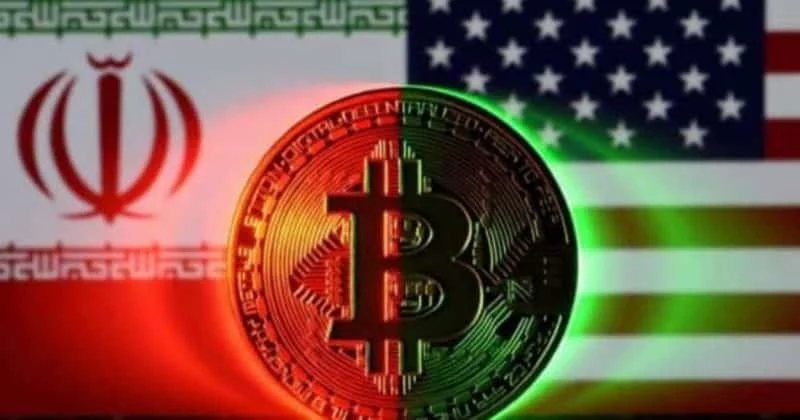
The United States Department of the Treasury’s Office of Foreign Assets Control (OFAC) has executed a sweeping expansion of its sanctions regime against the Islamic Republic of Iran, specifically targeting a sophisticated maritime revenue network designed to fund the Islamic Revolutionary Guard Corps (IRGC). This latest regulatory action focuses on a clandestine insurance scheme operating within the strategic Strait of Hormuz, which allegedly utilized cryptocurrency to bypass international financial safeguards. By designating key firms and blocking a significant portion of Iran’s "shadow fleet," the US government aims to further decapitate the financial infrastructure that Tehran uses to project power across the Middle East and sustain its military operations.
The IRGC’s Maritime Insurance Architecture
At the heart of the new sanctions are two primary entities: the Persian Gulf Marine Insurance Company and the HormuzSafe Marine Services Authority. According to the Treasury Department, these organizations were established to provide mandatory insurance policies for commercial vessels transiting the Strait of Hormuz—one of the world’s most critical maritime chokepoints. Under international maritime law, vessels are required to carry Protection and Indemnity (P&I) insurance to cover third-party liabilities, including environmental damage and vessel seizures.
By mandating that ships utilize Iranian-backed insurance providers, the IRGC sought to achieve two strategic objectives: generating significant non-oil revenue and asserting greater physical and regulatory control over the flow of global commerce. The Treasury’s investigation revealed that these firms accepted payments in Bitcoin and other digital assets, a move specifically designed to circumvent the traditional SWIFT banking system and avoid the detection of US-led financial monitoring.
Tehran’s introduction of the HormuzSafe platform was first noted in early 2024, with reports from Fars News indicating that the initiative was intended to settle policies and transit fees exclusively through digital assets. The Iranian government estimated that this initiative could generate upwards of $10 billion in annual revenue, providing a critical lifeline to an economy under heavy international pressure.
Dismantling the Shadow Fleet: Tankers and Shipping Entities
In addition to the insurance network, OFAC has targeted the physical infrastructure of Iran’s illicit oil trade. The latest measures include sanctions against eight shipping companies and the blocking of eight crude oil tankers. These vessels are accused of transporting millions of barrels of Iranian crude oil and refined petroleum products to international markets, with primary destinations identified in China and the United Arab Emirates (UAE).
The "shadow fleet"—also known as the "ghost fleet"—consists of aging tankers that operate under flags of convenience, frequently change their names, and engage in deceptive practices such as disabling their Automatic Identification Systems (AIS) to hide their locations. By the conclusion of the current fiscal cycle in 2026, the US Treasury reports that it has sanctioned more than 100 vessels associated with this clandestine network.
The eight newly blocked tankers represent a significant portion of the IRGC-QF’s (Quds Force) logistical capacity. These ships often engage in ship-to-ship (STS) transfers in deep-water zones, blending Iranian oil with products from other regions to mask its origin before it reaches refineries in Asia. The Treasury’s action freezes all assets these entities hold under US jurisdiction and effectively bans any US person or company from engaging in business with them.
The Strategic Importance of the Strait of Hormuz
The US government’s focus on the Strait of Hormuz is driven by the waterway’s unparalleled importance to global energy security. Approximately 21 million barrels of oil pass through the strait daily, representing roughly 20% of the world’s total petroleum consumption. Any Iranian effort to monopolize insurance or impose crypto-based transit fees in this region is viewed by Washington as an attempt to "weaponize" the waterway.
By forcing international shipping companies to interact with IRGC-linked insurance firms, Iran effectively creates a "toll booth" system. If a vessel refuses to comply with the Iranian insurance mandate, it faces a higher risk of seizure by the IRGC Navy (IRGCN), which has a history of detaining foreign tankers under various legal pretexts. The US Treasury argues that the HormuzSafe scheme is not a legitimate commercial service but rather an extortion mechanism designed to fund regional instability.
Cryptocurrency as a Tool for State-Level Sanction Evasion
The use of Bitcoin in this maritime scheme highlights a growing trend in Iran’s economic strategy: the integration of blockchain technology into state-level finance. Over the past several years, Iran has formalized its cryptocurrency mining industry, utilizing its vast natural gas reserves to generate electricity for mining rigs. The "mined-in-Iran" Bitcoin is then used by the Central Bank of Iran to pay for imports and, as evidenced by this latest OFAC report, to facilitate maritime services.
Cryptocurrency offers Tehran several advantages:
- Censorship Resistance: Transactions do not require the approval of Western intermediary banks.
- Pseudonymity: While blockchain ledgers are public, the identities behind the digital wallets can be obscured through mixing services and complex layering techniques.
- Speed: Settling insurance premiums in Bitcoin allows for near-instantaneous transfers, bypassing the multi-day settlement periods of traditional international wires.
However, the US Treasury has become increasingly adept at tracking on-chain activity. By identifying the specific digital wallets associated with the Persian Gulf Marine Insurance Company, OFAC can "taint" those assets, making it difficult for the IRGC to convert the crypto into fiat currency at regulated global exchanges.
Chronology of US Economic Pressure
The current sanctions are imposed under Executive Order 13902, which targets key sectors of the Iranian economy, including construction, mining, manufacturing, and textiles, as well as the financial sector. This order is a cornerstone of the broader US "Maximum Pressure" campaign, which has evolved through several phases:
- 2018: The US withdraws from the Joint Comprehensive Plan of Action (JCPOA) and begins re-imposing primary and secondary sanctions.
- 2019-2021: Sanctions are expanded to include the Iranian central bank and the IRGC’s entire financial network.
- 2022-2024: Focus shifts to the "shadow fleet" and the involvement of third-party intermediaries in the UAE, Turkey, and Hong Kong.
- 2025-2026: The US intensifies its focus on the intersection of maritime trade and digital assets, culminating in the current designations of HormuzSafe and associated tankers.
Official Responses and International Warnings
The Treasury Department accompanied its announcement with a stern warning to the international maritime and financial communities. Officials emphasized that the risks of dealing with the Iranian shadow fleet extend beyond legal penalties.
"Iran continues to rely on deceptive schemes to fund its destabilizing activities," a Treasury spokesperson stated. "By masking the IRGC’s involvement in maritime insurance and utilizing digital assets, Tehran attempts to hide the origin of its funds. Our actions today make it clear that any entity—regardless of location—that facilitates these transactions or assists the IRGC in evading sanctions will face the full weight of US regulatory authority."
The Treasury also issued a "Global Shipping Advisory," urging ship owners, managers, and insurers to conduct rigorous due diligence. This includes monitoring for "dark activity" (AIS manipulation) and ensuring that insurance providers are not linked to sanctioned Iranian entities. Non-US persons were explicitly warned that they could face secondary sanctions, which would effectively cut them off from the US financial system, if they provide material support to the designated firms.
Implications for Global Markets and Compliance
The enrichment of these sanctions has immediate implications for the global shipping industry and the energy market. As the US blocks more tankers, the cost of transporting Iranian oil increases, as the "shadow fleet" must demand higher premiums to account for the risk of seizure or regulatory action.
- Rising Compliance Costs: For legitimate shipping companies, the burden of proof has shifted. They must now demonstrate that they are not inadvertently using Iranian-linked services when transiting the Persian Gulf.
- Impact on Oil Prices: While the global oil market is currently well-supplied, the continued targeting of Iranian exports limits Tehran’s ability to use oil as a geopolitical lever. However, if Iran retaliates by increasing vessel seizures in the Strait of Hormuz, volatility in energy prices could return.
- The Future of Crypto Regulation: This case sets a precedent for how the US will treat state-sponsored use of digital assets. It signals to the crypto industry that maritime services and "transit fees" paid in Bitcoin are now under the same level of scrutiny as traditional banking transactions.
Conclusion
The US Treasury’s decision to sanction the Persian Gulf Marine Insurance Company and HormuzSafe represents a calculated move to close a significant loophole in the sanctions regime against Iran. By targeting the intersection of maritime law, strategic waterways, and emerging financial technologies, the US is attempting to stay ahead of the IRGC’s evolving tactics.
As the shadow fleet continues to expand, the battle for control over the Strait of Hormuz has moved from the physical realm of naval patrols to the digital realm of blockchain forensics and insurance regulations. The success of these measures will depend on the cooperation of international partners and the ability of global maritime authorities to detect and reject the IRGC’s illicit financial architecture. For now, the message from Washington is clear: the era of using cryptocurrency to mask state-sponsored maritime activities is under intense and permanent scrutiny.