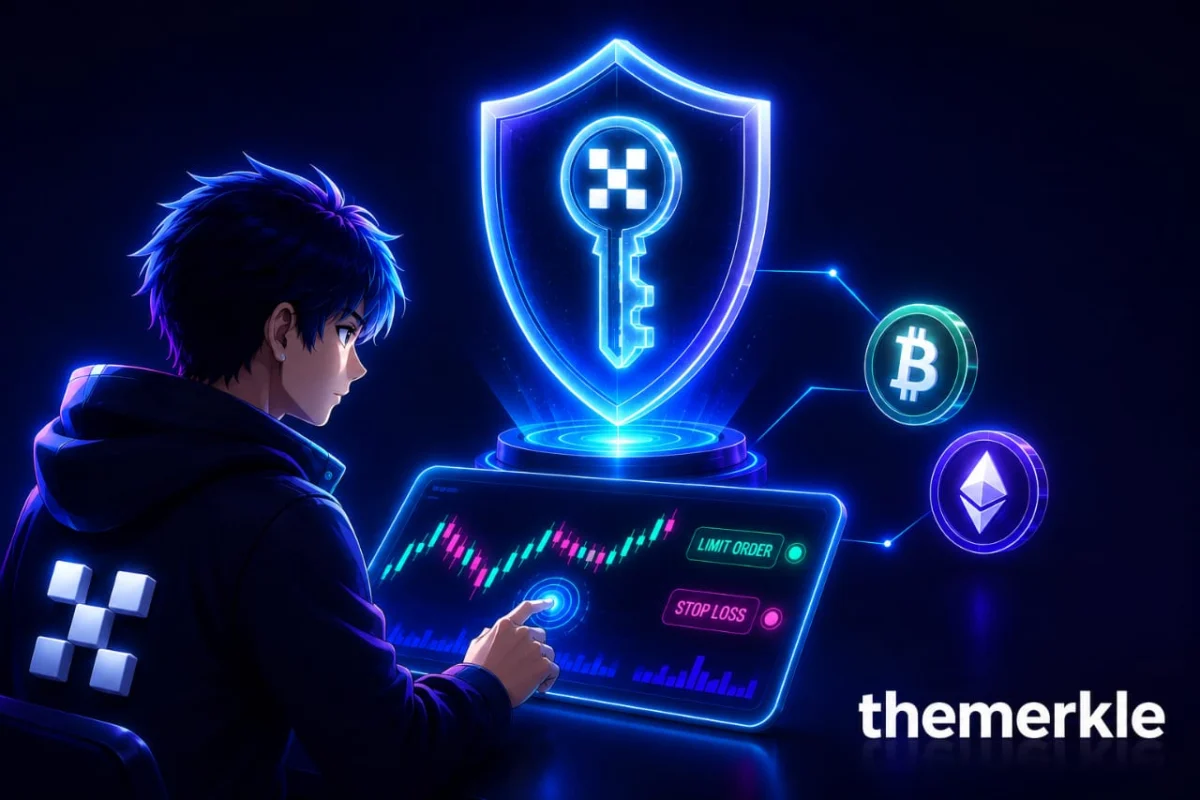
The cryptocurrency landscape has long presented a fundamental dilemma for traders: choose between the advanced trading features and liquidity of centralized exchanges (CEXs) at the cost of relinquishing asset control, or embrace the security and sovereignty of self-custodial wallets with often limited, basic trading capabilities. For years, the promise of combining sophisticated, automated trading tools with genuine self-custody remained elusive, frequently turning out to be a misdirection that subtly moved user assets into a third-party’s control. However, the recent introduction of OKX Wallet’s Trader Mode signals a significant shift, challenging this long-standing trade-off by demonstrating a credible path to achieving CEX-grade automation without compromising the core principle of personal key ownership.
The initial skepticism surrounding Trader Mode was palpable, born from a history of similar "self-custodial trading" propositions that, upon closer inspection, revealed a quiet re-custodiation of funds. The critical differentiator, and the moment that fundamentally altered perceptions, was the realization that the user’s private key never departs from a secure hardware enclave, a Trusted Execution Environment (TEE), which OKX explicitly states it cannot access, read, or extract. This is not merely a minor technical detail; it represents a pivotal engineering achievement that directly confronts the primary vulnerability inherent in attempts to automate self-custodial trading strategies. The ability to execute complex actions like limit orders and stop-losses while the private key remains isolated and inaccessible to the service provider is a testament to a robust architectural design that aligns with the foundational ethos of Web3.
The Evolution of Trading and Custody in Crypto
To fully appreciate the significance of Trader Mode, it is essential to understand the historical context. Early cryptocurrency trading was rudimentary, often involving direct peer-to-peer transfers or simple order books on nascent exchanges. As the market matured, centralized exchanges emerged as dominant players, offering high liquidity, advanced charting tools, margin trading, and sophisticated order types like limit orders, stop-losses, and even algorithmic trading. This convenience came at a price: users had to deposit their funds onto the exchange, entrusting their private keys to the platform. The adage "not your keys, not your crypto" became a stark reminder of the risks involved, underscored by numerous high-profile hacks and insolvencies that led to billions in user losses.
The rise of decentralized finance (DeFi) in the late 2010s and early 2020s offered an alternative. Decentralized exchanges (DEXs) allowed users to trade directly from their self-custodial wallets, maintaining control over their private keys throughout the process. However, DEXs, while secure from a custody perspective, often lagged CEXs in terms of user experience, liquidity, and advanced trading functionalities. Executing complex strategies on a DEX typically required constant manual intervention, significant gas fees for each transaction, and a lack of sophisticated order types like conditional orders or automated risk management tools. This created a persistent gap: security versus functionality. Users either sacrificed control for advanced features or accepted limited functionality for security.
Introducing Trader Mode: A Hybrid Paradigm
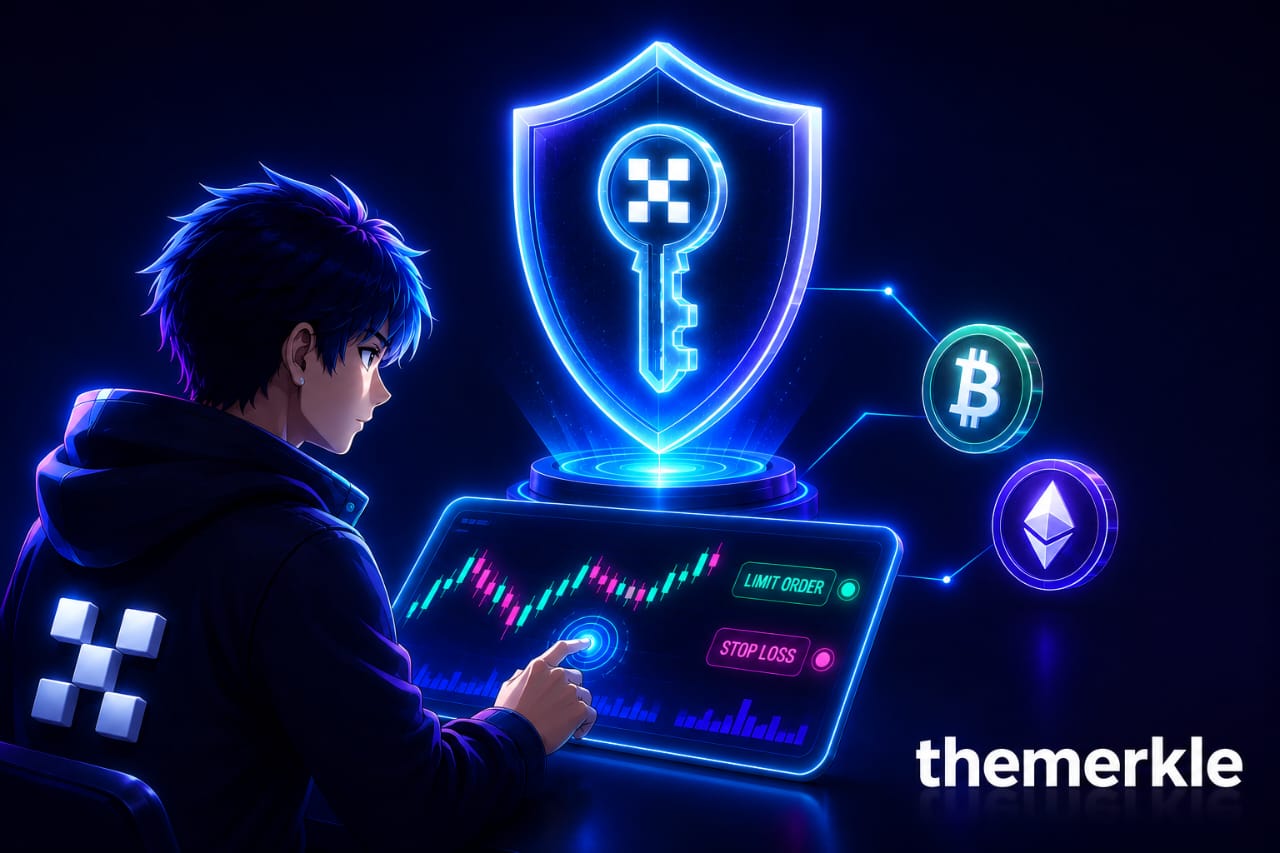
OKX Wallet’s Trader Mode seeks to bridge this chasm by merging the automated, professional-grade trading tools typically found on centralized exchanges with the unimpeachable custody guarantees of a self-hosted wallet. At its core, the mechanism leverages a Trusted Execution Environment (TEE), a specialized, isolated section within a hardware processor designed to protect sensitive data. The user’s private key is encrypted and stored within this enclave, creating a secure sandbox where cryptographic operations can occur without exposure to the device’s operating system or any external entities, including OKX itself. The architecture is consistent with industry best practices for TEEs, lending credibility to OKX’s assertion that it cannot view, copy, or extract the private key. This commitment to hardware-level security marks a significant stride in addressing the trust concerns prevalent in the digital asset space.
Feature Set: Empowering the Modern Retail Trader
The scope of functionalities offered by Trader Mode is notably more comprehensive than typically anticipated for a self-custodial solution. Current features cater to a wide array of trading strategies:
- Market Orders: These execute immediately at the best available price, a standard yet essential function for quick entries or exits.
- Limit Orders: Trader Mode offers two distinct types:
- USD-Triggered Limit Orders: Activated by a specific fiat currency price, allowing traders to set precise entry or exit points based on perceived value.
- Guaranteed Swap Rate Limit Orders: These execute automatically once a predefined swap rate between two assets is met, providing certainty in exchange ratios.
- Auto-Sell Strategies (Take-Profit & Stop-Loss): A critical risk management tool, this allows users to set both take-profit and stop-loss thresholds concurrently with a market buy order. These are calculated in USD terms relative to the entry price, providing a familiar and intuitive way to manage risk and secure gains. This feature is particularly valuable for traders seeking to automate their risk parameters immediately after a position is opened, preventing emotional decisions or significant losses during volatile market movements.
- Copy Trading: This highly sought-after feature enables users to automatically mirror the trades of higher-performing or expert addresses. For newer traders or those seeking to diversify their strategies, copy trading offers a low-barrier entry to potentially profitable trading, all while maintaining self-custody of their underlying assets.
Beyond the currently live features, OKX has outlined a robust roadmap of upcoming functionalities, indicating a continuous commitment to developing Trader Mode as a comprehensive trading suite:
- Creator Sell-Off Detection: Automatically selling tokens when the project’s creator or core team members divest their holdings, offering a proactive defense against "rug pulls" or significant downward pressure.
- Migration Event Sniping: Enabling immediate acquisition of tokens post-migration events, which can be critical for capitalizing on new listings or liquidity pools.
- Dollar-Cost Averaging (DCA): A strategy for spreading trades out over time to mitigate the impact of market volatility by averaging the purchase price.
- Trailing Stops: Dynamically adjusting stop-loss levels as the market moves favorably, allowing traders to lock in profits while still participating in potential upside.
The existing lineup already addresses a significant portion of what a serious retail trader requires for day-to-day operations, while the announced roadmap suggests a long-term vision for making Trader Mode a complete, evolving ecosystem.
Setting Up OKX Trader Mode: A Step-by-Step Guide
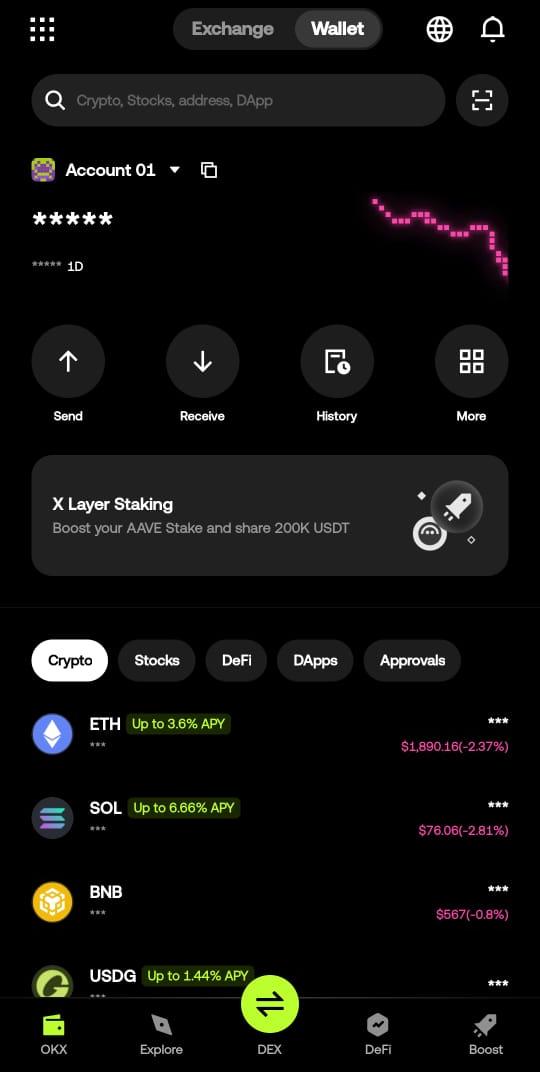
Activating Trader Mode is designed to be an intuitive process, integrating directly into a user’s existing OKX self-custody wallet. It is not a separate account type but an enhanced state layered onto an imported seed phrase wallet.
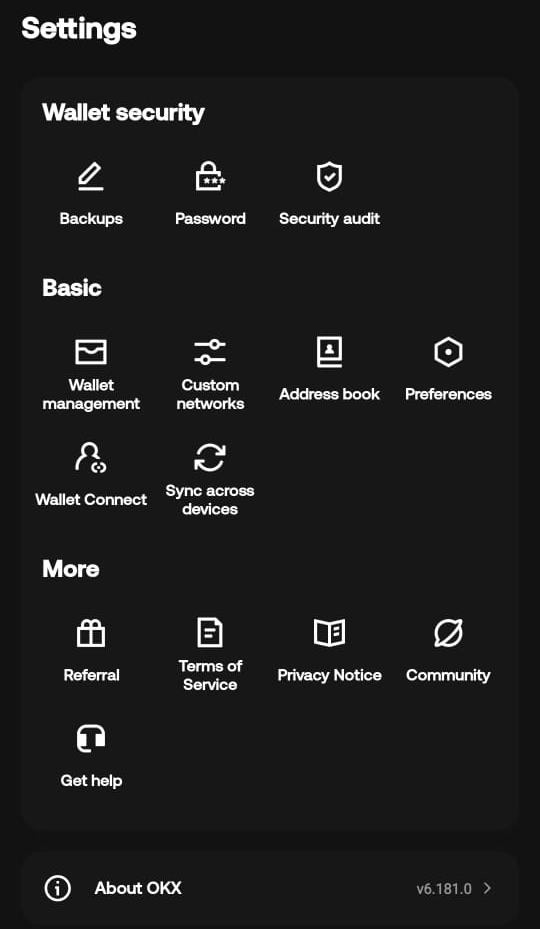
- Access Wallet Settings: Begin from the main wallet homepage. Locate and tap the "Settings" icon, typically found in the bottom right corner of the navigation bar, to open the preferences menu.
- Navigate to Wallet Management: Within the "Settings" menu, scroll down to find and select "Wallet Management." This action will display a list of all imported wallets.
- Select Wallet and Toggle Trader Mode: Choose the specific wallet intended for use with Trader Mode by tapping on it. On the subsequent configuration screen, the "Trader Mode" toggle will be prominently displayed near the top. Switch this toggle to the "On" position.
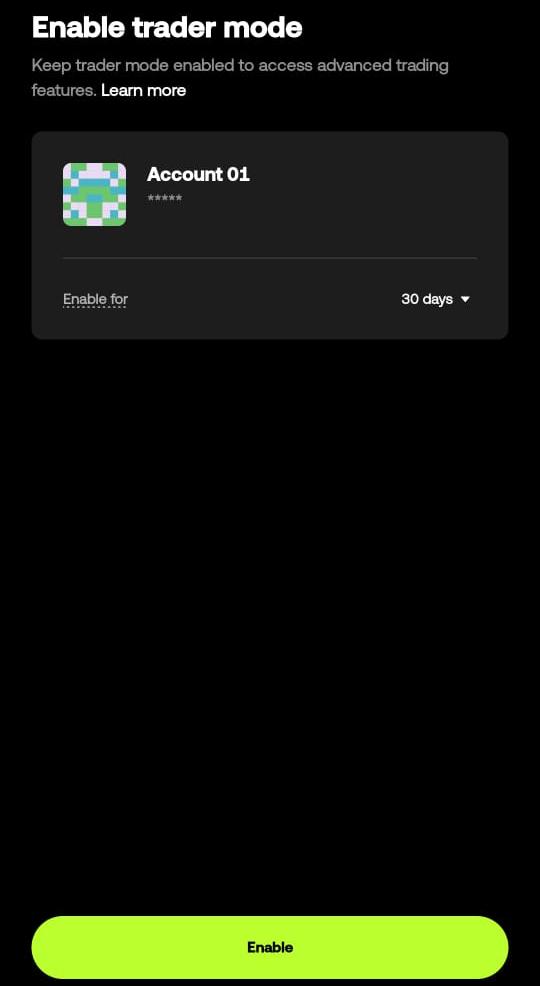
- Define Enable Period: Upon activation, a prompt will appear, asking the user to specify an "Enable Period" in days. This duration determines how long Trader Mode will remain active for the selected wallet. After confirming the chosen period, the setup is complete, and the wallet is ready for automated trading.
Security and User Experience Innovations
Beyond the core TEE implementation, OKX Wallet’s Trader Mode incorporates several thoughtful design choices that significantly enhance security and user experience, often overlooked in other trading interfaces.
One crucial aspect is the requirement for authentication to view open orders. Before a user can see their pending stop-loss or take-profit levels, a verification message must be signed. This seemingly minor step is a potent defense against front-running and market manipulation. Without this authentication, malicious actors could potentially observe a user’s pending orders and either exploit that information to front-run execution or deliberately manipulate the market to trigger specific price points. By requiring a signature, OKX effectively closes a common vulnerability that many trading platforms fail to address, adding an extra layer of privacy and protection for active traders.
Similarly, the automatic pausing of open strategy orders is a critical safety feature. If Trader Mode expires (due to the end of the enable period) or requires an upgrade, all active strategy orders are automatically paused. This prevents orders from failing silently on-chain, which would not only lead to missed opportunities but also waste gas fees on invalid transactions. The decision to pause rather than let broken orders sit active ensures that users retain control and are prompted to manually resume or re-enable the mode, guaranteeing that all triggered orders have a valid signing authority behind them. This proactive approach minimizes potential losses and user frustration, reflecting a user-centric design philosophy.
Broader Implications and Market Impact
OKX Wallet’s Trader Mode represents more than just a new feature; it signifies a maturing phase in the Web3 ecosystem. The convergence of CEX-grade functionality with self-custody directly addresses a long-standing demand from crypto users worldwide. According to recent market data, the number of cryptocurrency wallet users globally has surged past hundreds of millions, with a growing segment expressing interest in more sophisticated trading strategies beyond simple spot buys and sells. However, concerns about security and custodial risk have often deterred these users from fully engaging with advanced tools.
This innovation could significantly impact:
- DeFi Adoption: By making advanced trading accessible within a self-custodial environment, Trader Mode lowers the barrier for retail traders to participate more actively and strategically in decentralized finance, potentially increasing DEX volumes and overall DeFi engagement.
- Competitive Landscape: This move positions OKX as a leader in bridging the gap between centralized and decentralized trading paradigms. It may spur other wallet providers and exchanges to innovate similar hybrid solutions, fostering healthy competition and driving further advancements in user empowerment and security.
- User Empowerment: Trader Mode empowers users with greater control over their assets while still providing the convenience and automation they desire. This shifts power back to the individual, aligning with the core principles of decentralization.
- Institutional Interest: While primarily targeted at retail users, the underlying technology (TEEs for key management) and the ability to execute complex strategies in a non-custodial manner could eventually pave the way for more institutional interest in DeFi, particularly for those with strict compliance and security requirements.
OKX’s commitment to publishing an independent audit and open-sourcing the code post-review is also a crucial step in building trust. This "hardening first, transparency after" sequencing is a pragmatic approach, ensuring that the system is robustly tested and verified before full public scrutiny, which is essential for a product handling sensitive private keys.
Challenges and Future Outlook
While Trader Mode offers a compelling solution, it’s important to acknowledge that it doesn’t eliminate every risk associated with automated trading. Market volatility, smart contract risks on third-party platforms, and general trading complexities remain. OKX is transparent that the wallet itself has no control over third-party platforms a user might interact with. Users must still conduct their due diligence on the tokens and protocols they choose to trade.
However, on the specific and critical question of whether centralized-exchange-grade automation can be achieved without surrendering self-custody, Trader Mode presents one of the most credible and technologically sound answers to date. The private key’s isolation within the TEE, the intelligent design of the enable period, and the robust order authentication steps collectively demonstrate a thoughtful approach to security.
For individuals who are already proficient in managing self-custody wallets and have been hesitant to move funds onto custodial platforms solely for access to features like copy trading or automated stop-losses, Trader Mode is a compelling proposition worth exploring. It represents a significant step towards a future where the advantages of both centralized and decentralized finance can coexist, offering users unprecedented control and sophisticated tools in the evolving digital asset economy. As the crypto space continues to mature, innovations like Trader Mode will play a crucial role in shaping how users interact with their assets, making advanced strategies more accessible and secure for a broader audience.