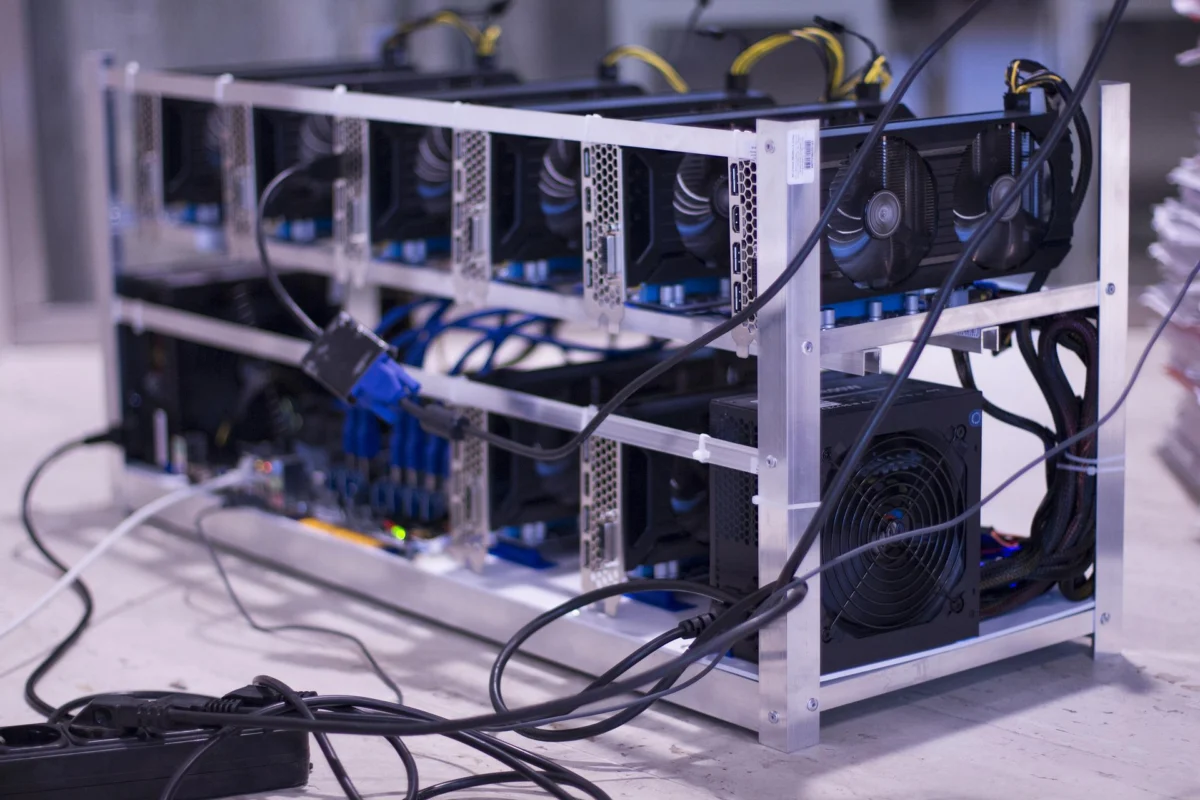
The Iranian government has significantly escalated its enforcement actions against unauthorized cryptocurrency mining operations as the nation grapples with a persistent energy crisis and frequent power grid failures. In a series of coordinated raids over the past five months, state authorities have identified and dismantled 9,404 illegal mining farms, primarily concentrated in the capital city of Tehran. This crackdown comes as the Iranian Ministry of Energy and the state-run power utility, Tavanir, struggle to balance the surging demand for electricity during extreme weather conditions with a domestic energy infrastructure that is increasingly under strain.
Kambiz Nazerian, the head of the Tehran Electricity Distribution Company, confirmed in a recent public statement that the police and energy inspectors have focused their efforts on high-consumption districts within the capital. The discovery of these nearly 10,000 operations highlights the scale of the "underground" mining industry in Iran, which has thrived due to the country’s heavily subsidized energy prices. According to Nazerian, the energy-guzzling devices seized during these operations were often found in residential areas, industrial warehouses, and, increasingly, in public institutions.
The magnitude of the recent seizures is a continuation of a broader national policy. In June alone, Iranian law enforcement confiscated approximately 7,000 illegal mining machines in a single sweep. These machines, mostly Application-Specific Integrated Circuit (ASIC) miners, are designed for the high-intensity computations required to secure blockchain networks like Bitcoin. However, their operation requires immense amounts of electricity, which officials argue is being siphoned away from essential services and households, leading to catastrophic blackouts during the peak summer months.
The Economic Drivers of Iranian Crypto Mining
The surge in cryptocurrency mining within Iran is not a random occurrence but the result of a unique confluence of economic factors. Iran possesses the world’s second-largest natural gas reserves, which it uses to generate the vast majority of its electricity. To support domestic industry and the welfare of its citizens, the Iranian government provides some of the most significant energy subsidies in the world. This makes the cost of electricity in Iran among the lowest globally, creating a high-profit margin for crypto miners, even when the market price of assets like Bitcoin remains volatile.
Furthermore, Iran has faced decades of stringent international economic sanctions, which have limited its ability to participate in the global banking system and hampered its oil exports. For many Iranians, and even for certain state-aligned entities, cryptocurrency represents a "digital workaround." Mining allows the country to effectively "export" its energy in a digital form that is harder to track and freeze than traditional oil shipments. By converting natural gas into Bitcoin, Iran can generate liquid capital that can be used to fund imports or bypass traditional financial gatekeepers.
However, the proliferation of mining has also attracted foreign interest. Reports indicate that large-scale mining operations are often conducted by influential domestic networks and specialized Chinese investment groups. These entities frequently set up massive "farms" in special economic zones, such as the Rafsanjan Industrial Special Zone, where they can operate with a degree of official oversight. Yet, as the energy crisis has deepened, even these licensed operations have found themselves in the crosshairs of regulators.
Exploitation of Public Infrastructure and Subsidies
One of the most contentious aspects of the Iranian mining boom is the exploitation of free or subsidized electricity intended for public good. Investigative reports from Iranian media outlets have revealed that many unregistered miners have moved their equipment into public spaces, including mosques and schools. Because these institutions often receive free or highly discounted electricity from the government, they have become prime targets for illegal mining setups.
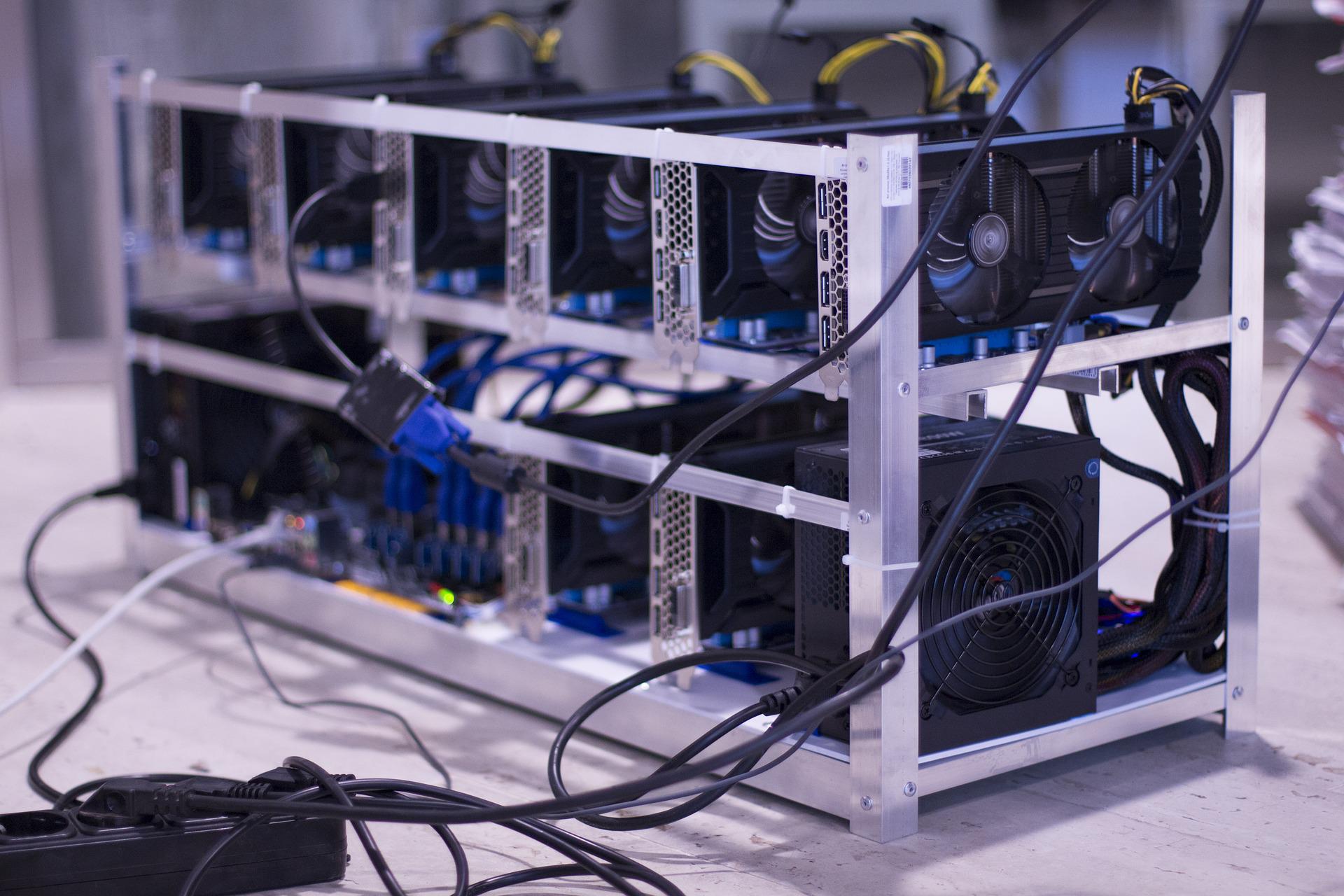
In many cases, mining rigs are hidden in basements or storage rooms of religious centers, where the high hum of cooling fans is masked by the ambient noise of the building. This practice has sparked public outrage, as it is seen as a direct theft of public resources. The Ministry of Energy has responded by offering bounties to citizens who report illegal mining activities. Whistleblowers can receive financial rewards if their tips lead to the discovery and confiscation of unauthorized mining hardware, a move that has turned the fight against illegal mining into a community-led surveillance effort.
A Chronology of Regulatory Fluctuations
Iran’s relationship with the cryptocurrency industry has been characterized by a cycle of legalization, restriction, and outright bans.
In 2019, Iran became one of the first countries in the world to officially recognize cryptocurrency mining as a legal industrial activity. The government established a licensing regime, requiring miners to register with the Ministry of Industry, Mine, and Trade, and to pay a higher, export-grade tariff for their electricity. This was intended to bring the industry out of the shadows and generate tax revenue.
By early 2021, the situation changed dramatically. A combination of a severe drought, which reduced the output of the country’s hydroelectric plants, and an unusually cold winter led to a national power deficit. In May 2021, the government announced a wholesale ban on all mining activities—both licensed and unlicensed—to protect the grid during the summer. This ban was lifted in September 2021, only to be reinstated periodically as energy demand fluctuated.
In early 2022, Tavanir reported the seizure of 45,000 ASIC machines that were being used illegally. By May 2022, the authorities again took a hardline stance, banning mining for a four-month period to navigate the hottest months of the year. During this time, even the 118 licensed mining platforms in the country had their power cut off to ensure that hospitals and residential areas remained powered. The most recent data from earlier this month indicates that an additional 1,620 operations were shut down, which collectively consumed an estimated 250 megawatts of power over an 18-month period—an amount equivalent to the consumption of a mid-sized city.
Global Impact and Technical Significance
The scale of Iran’s mining sector has global implications for the Bitcoin network. According to the Cambridge Bitcoin Electricity Consumption Index (CBECI), Iran’s contribution to the global Bitcoin hashrate—a measure of the total computational power used to mine and process transactions—peaked at approximately 7.5% in early 2021. This made Iran one of the top six mining hubs in the world at the time.

When Iran enforces its seasonal bans, the global hashrate often experiences a noticeable dip, affecting the "mining difficulty" of the network. This volatility highlights how centralized the mining industry remains in regions with cheap energy, and how susceptible the global network is to the domestic policy changes of a few key nations.
Broader Implications and Grid Stability
The ongoing crackdown is a symptom of a much larger problem: Iran’s aging and inefficient power grid. Experts point out that while crypto mining is a significant burden, it is not the sole cause of the blackouts. The country’s infrastructure suffers from high transmission losses and a lack of investment in modernizing power plants, largely due to the same sanctions that drive the popularity of Bitcoin.
The "Bitcoin vs. Blackouts" narrative has become a focal point for national protests. In recent years, citizens in various provinces have taken to the streets to protest water shortages and electricity outages. The government has frequently pointed to crypto miners as a convenient scapegoat for these systemic failures. By framing the issue as a fight against "illegal energy thieves," the authorities can deflect some of the criticism regarding their management of the national utility sector.
Future Outlook for the Industry
As the September deadline for the lifting of the current mining ban approaches, the future of the industry in Iran remains uncertain. While the government appreciates the potential for cryptocurrency to help navigate international sanctions, the immediate need for social stability and a functioning power grid remains the priority.
The Iranian authorities are reportedly considering more sophisticated tracking methods, including the use of smart meters and AI-driven analysis of power consumption patterns, to identify miners in real-time. There is also talk of revising the tariff structure once again to make it even more expensive for licensed miners, potentially pushing more operators into the illegal "underground" market.
In conclusion, the seizure of over 9,400 mining farms in Tehran is a clear signal that the Iranian state is no longer willing to tolerate the unregulated siphoning of its energy resources. However, as long as the economic incentives remain—driven by cheap gas and a devalued national currency—the cat-and-mouse game between the authorities and the miners is likely to continue. The Iranian experience serves as a cautionary tale for other energy-rich but infrastructure-poor nations on the complexities of integrating high-intensity digital industries into a fragile national economy.