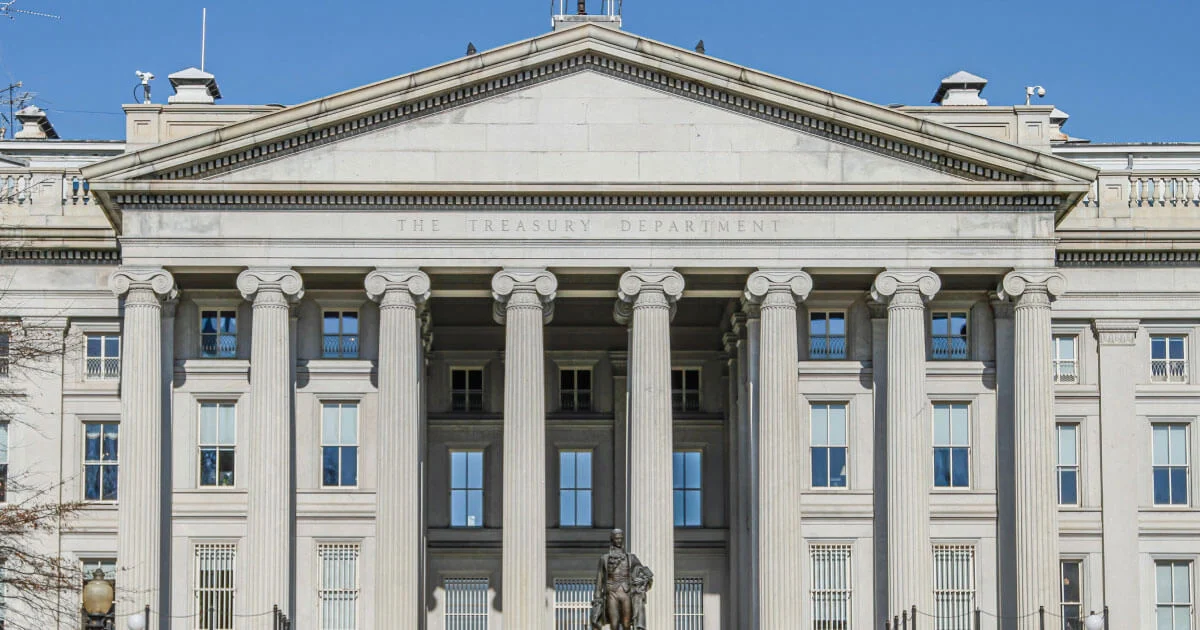
In a move described by federal officials as a decisive escalation in the use of financial statecraft, the United States Department of the Treasury on August 24, 2026, officially initiated Operation Economic Outcast. This comprehensive economic campaign is designed to isolate the Islamic Republic of Iran from the global financial system by targeting the specific technological and maritime channels the regime utilizes to bypass international restrictions. Treasury Secretary Scott Bessent, framing the initiative as an "economic D-Day," emphasized that the operation’s primary objective is to dismantle the financial lifelines—particularly those involving cryptocurrency and digital asset infrastructures—that sustain the Iranian regime and the Islamic Revolutionary Guard Corps (IRGC).
The launch of Operation Economic Outcast marks a significant pivot in U.S. sanctions policy. While the U.S. has long targeted individual Iranian entities and sectors such as energy and shipping, this operation introduces a first-of-its-kind sectoral determination for Iran’s digital assets. Under the authority of Executive Order 13902, the Office of Foreign Assets Control (OFAC) is now empowered to sanction any individual or entity globally that is determined to operate in or provide material support to Iran’s digital asset sector. This move effectively treats the cryptocurrency industry within Iran as a prohibited zone for global commerce, similar to the country’s petroleum or construction sectors.
The Strategic Shift: Digital Assets as a Targeted Sector
The introduction of a sectoral determination for digital assets represents a sophisticated evolution in the U.S. Treasury’s toolkit. Historically, OFAC required a specific "nexus" to designate a party—such as direct involvement in terrorism, weapons proliferation, or human rights abuses. However, by designating "digital assets" as a sector of the Iranian economy, the U.S. government can now target any foreign person or business facilitating transactions within that ecosystem, regardless of whether those transactions are directly linked to a specific terrorist act or a previously sanctioned individual.
The practical implications for the global financial and cryptocurrency industries are profound. This determination creates a high level of secondary sanctions exposure. Foreign cryptocurrency exchanges, over-the-counter (OTC) desks, blockchain infrastructure providers, and payment processors that knowingly facilitate transactions supporting the Iranian digital asset sector now face the risk of being cut off from the United States financial system. For global businesses, the message is clear: any engagement with Iranian-linked digital asset activity carries the risk of institutional "death" in the eyes of the U.S. Treasury.
This policy shift comes in response to data indicating that Iran has become increasingly reliant on decentralized finance to stabilize its economy. According to research from blockchain analytics firms, the IRGC has become a dominant force in the domestic crypto economy. By the fourth quarter of 2025, addresses associated with the IRGC accounted for more than 50% of the total value received within Iran’s cryptocurrency ecosystem, with annual volumes estimated to have surpassed $3 billion in 2025 alone.
Chronology of Coordinated Action
Operation Economic Outcast was not an isolated event but the culmination of a multi-agency effort to map and disrupt Iranian illicit finance. The timeline of recent actions highlights the scale of the coordination:

- 2017 – 2024: U.S. intelligence tracks a surge in Iranian state-sponsored cyber intrusions aimed at extorting Western corporations and government agencies.
- August 18, 2026: The Department of Justice (DOJ) unseals a superseding indictment charging 17 Iranian nationals with conducting a massive cyber-theft campaign on behalf of the Mabna Institute, a hacking-for-hire organization linked to the Iranian government.
- August 20, 2026: Intelligence reports indicate an uptick in "shadow fleet" oil shipments facilitated through cryptocurrency payments to avoid traditional banking oversight.
- August 24, 2026: The Treasury Department officially launches Operation Economic Outcast, designating nearly 60 entities, individuals, and vessels while issuing five new sectoral determinations.
Targeting the Cyber-Financial Nexus
A central pillar of the operation is the designation of key actors within Iran’s Ministry of Intelligence and Security (MOIS). OFAC specifically targeted a group of hackers responsible for compromising U.S. critical infrastructure. Among those designated were group co-leader Behzad Mesri and members Keyvan Fayyaz Ghareh Blagh and Arman Kahzadian. These individuals were found to be using Bitcoin, Ethereum, and TRON wallets to move stolen funds and pay for the digital infrastructure required to launch their attacks.
The investigation revealed a complex overlap between state-directed espionage and personal criminal enterprise. While the group carried out intrusions directed by the MOIS to serve the regime’s geopolitical interests, members also engaged in "side-hustles" for personal gain. For instance, data showed that Kahzadian stole cryptocurrency from private targets, while Blagh reportedly received payments from Russian-speaking "Initial Access Brokers." These brokers sell entry points into compromised networks; in this case, it appears the Iranian state actors may have resold access obtained through official missions to underground cybercriminals, pocketing the profits in Bitcoin.
Furthermore, the Treasury identified Blagh making cryptocurrency deposits to "Bulletproof Hosting Providers." These are specialized web hosting services that turn a blind eye to illegal activity, providing a safe haven for ransomware operators and state-sponsored hackers. By sanctioning the wallets used to fund these services, the U.S. aims to degrade the operational capacity of Iranian cyber units.
Disrupting the Shadow Fleet and Oil Revenue
Beyond the digital realm, Operation Economic Outcast takes aim at the physical transport of Iranian oil, which remains the regime’s primary source of hard currency. The operation highlighted the role of Ivan Obukhov, a Ukrainian national based in the United Arab Emirates (UAE). Obukhov is alleged to have served as a high-level broker for the "shadow fleet"—the aging tankers used to transport sanctioned Iranian oil across the globe.
Since 2023, Obukhov reportedly processed over $100 million in cryptocurrency payments to facilitate these oil sales on behalf of the IRGC-Qods Force (IRGC-QF). Working in tandem with Mohammad Ahmed Suhil Fattouh (known as "Captain Hamzah"), a Syrian national also based in the UAE, Obukhov coordinated the purchase of vessels and the logistics of ship-to-ship transfers designed to hide the Iranian origin of the crude oil.
The use of cryptocurrency in these transactions is a strategic choice for the IRGC. By avoiding the SWIFT banking network and the U.S. dollar, the regime believes it can bypass the visibility of Western regulators. However, the Treasury’s ability to map these transactions and link them to specific vessels and brokers demonstrates that the perceived anonymity of the blockchain is increasingly a liability for those attempting to evade detection.
Broader Impact and Implications for Global Compliance
The launch of Operation Economic Outcast sends a tremor through the global financial compliance community. For compliance teams at banks and cryptocurrency exchanges, the new "digital asset sector" determination necessitates a total re-evaluation of risk. The scope of the sanctions means that even indirect exposure to the Iranian digital asset market could trigger enforcement actions.

Industry analysts suggest that the pace of enforcement will likely accelerate. Compliance officers are being advised to scrutinize over-the-counter (OTC) brokers and payment intermediaries, particularly those operating in jurisdictions like the UAE, Turkey, and Southeast Asia, which are frequently used as hubs for Iranian trade. The Treasury’s action serves as a warning that "jurisdiction-hopping" or using complex crypto-mixing services will not provide a permanent shield against U.S. regulatory reach.
Official Reactions and Future Outlook
In a statement following the announcement, Treasury Secretary Scott Bessent noted, "The Iranian regime continues to exploit every available technology to fund its destabilizing activities. By designating the digital asset sector, we are closing a door that the IRGC has used to siphon billions of dollars away from the Iranian people and into the coffers of its regional proxies. We will continue to use every tool at our disposal to ensure that those who enable this regime are held accountable."
The FBI also weighed in, highlighting the coordination between law enforcement and financial regulators. FBI officials stated that the August 18th indictments and the subsequent Treasury designations are part of a "whole-of-government" approach to national security. By combining criminal charges with economic sanctions, the U.S. seeks to create a "double-bind" for Iranian operatives: they face arrest if they travel to friendly jurisdictions and financial ruin if they remain at home.
As Operation Economic Outcast moves into its active phase, the international community will be watching the reaction of Iran’s trading partners. The operation places significant pressure on countries that have previously turned a blind eye to Iranian oil sales or the presence of IRGC-linked front companies. With the threat of secondary sanctions now looming over the digital asset sector, the cost of doing business with Tehran has reached an unprecedented high.
The long-term success of the operation will depend on the continued ability of the U.S. Treasury to adapt to the rapidly changing landscape of decentralized finance. However, by establishing digital assets as a sanctioned sector, the United States has laid the groundwork for a new era of economic warfare—one where the front lines are as much in the code of the blockchain as they are in the shipping lanes of the Persian Gulf. For the Iranian regime, the "economic D-Day" signifies that the digital safe havens they once relied upon are becoming increasingly transparent and increasingly dangerous to navigate.