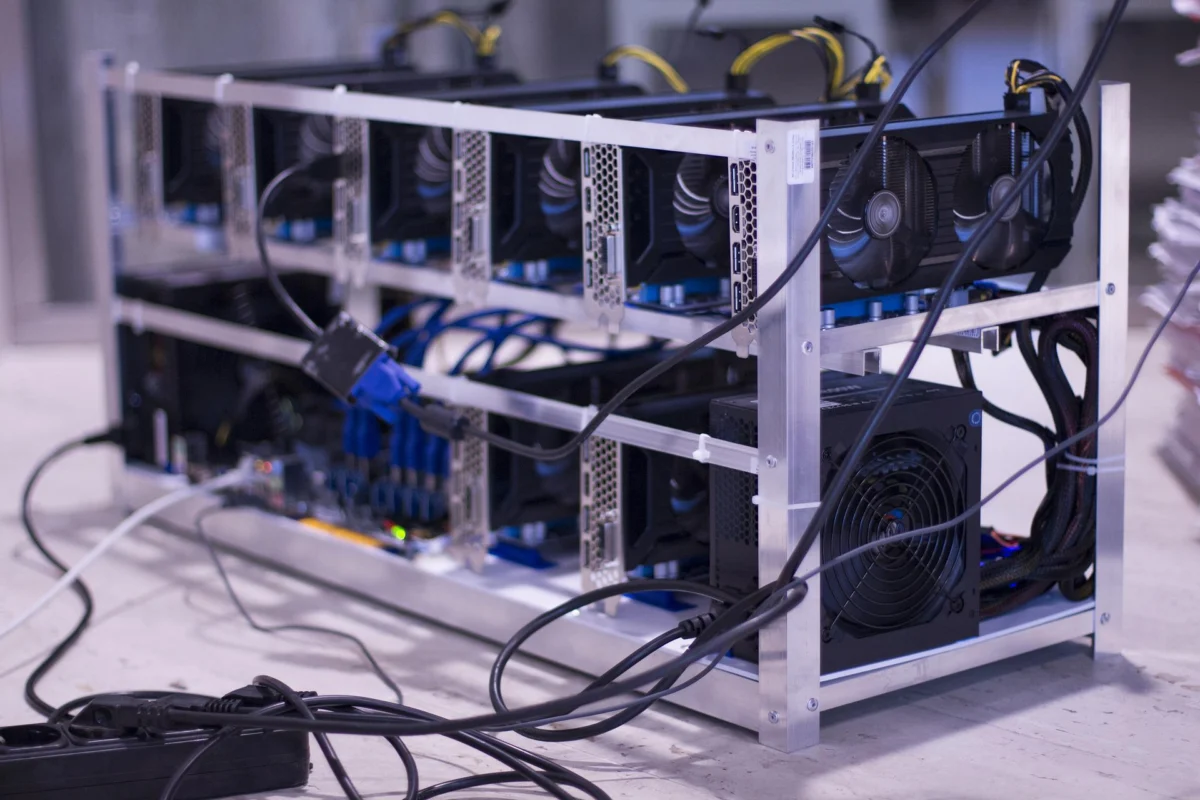
The Iranian government has significantly escalated its enforcement actions against illegal cryptocurrency mining operations, with state authorities reporting the detection and seizure of 9,404 mining farms over the past five months. This aggressive crackdown comes as the Islamic Republic grapples with a deepening energy crisis that has resulted in widespread power outages, domestic unrest, and a precarious strain on the national electricity grid. According to statements released by Kambiz Nazerian, the head of the Tehran Electricity Distribution Company, these unauthorized operations were discovered across various districts of the capital, highlighting the pervasive nature of clandestine mining in Iran’s urban centers.
The surge in enforcement follows a pattern of seasonal energy management by the Iranian state. During the summer months, when temperatures soar and the demand for air conditioning peaks, the Iranian power grid frequently nears the point of collapse. In 2022, the government witnessed a series of debilitating blackouts that paralyzed industrial production and sparked public protests. In response, the Ministry of Energy and the state-run power utility, Tavanir, have placed law enforcement agencies on high alert to identify "energy-guzzling" devices that operate outside the legal framework.
The Scale of Seizures and the Tehran Nexus
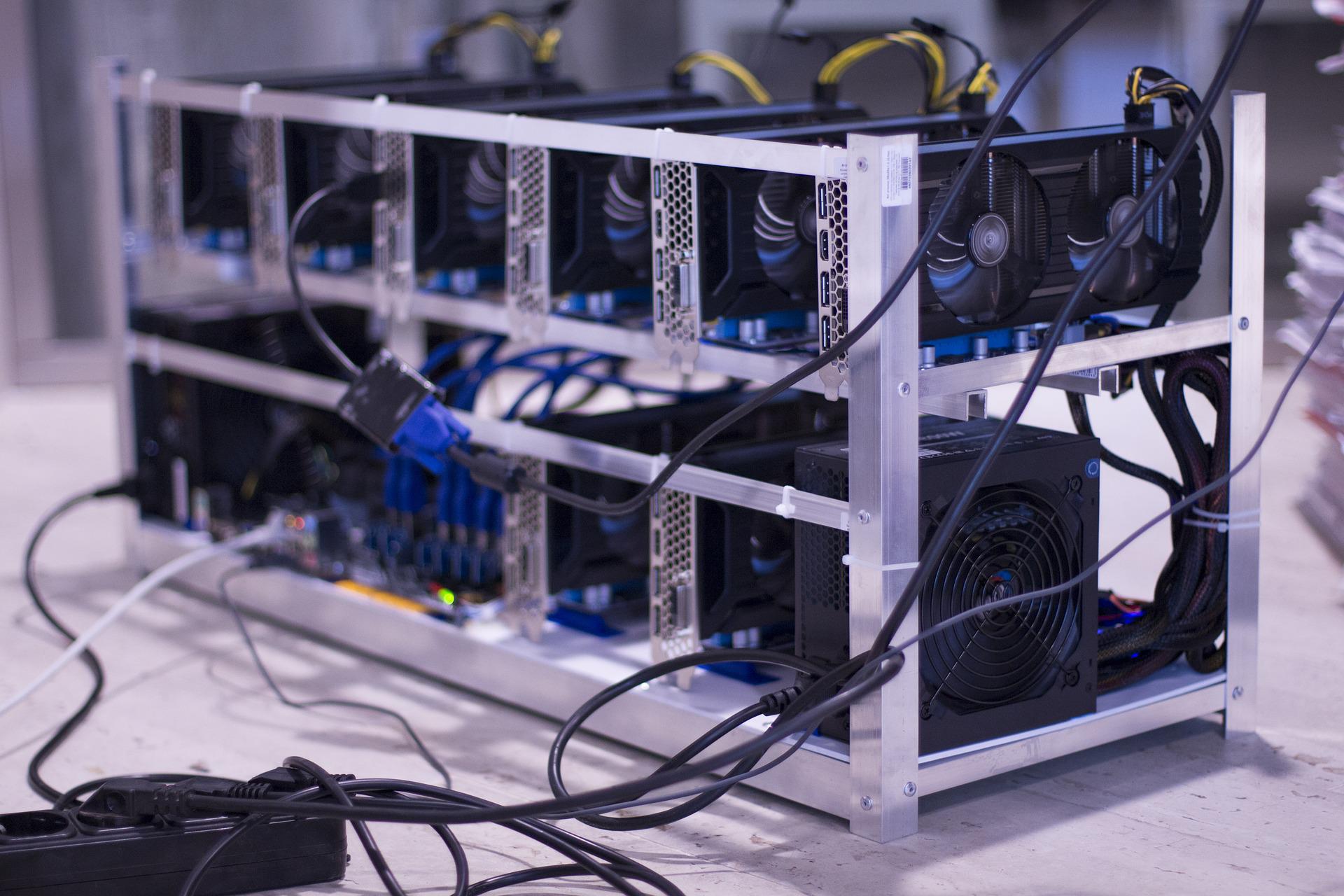
While the most recent report focuses on the 9,404 farms dismantled over a five-month period, the scale of the crackdown is even more pronounced when examining specific operations. In June alone, Iranian police confiscated approximately 7,000 illegal mining machines. These devices, primarily high-powered Application-Specific Integrated Circuit (ASIC) miners, are designed for the sole purpose of solving complex cryptographic puzzles to secure the Bitcoin network and earn rewards. However, their high energy consumption makes them a primary target for a government struggling to balance a finite electricity supply.
Tehran has emerged as a central hub for these activities due to its dense population and complex electrical infrastructure, which provides more opportunities for miners to hide their operations within residential or commercial buildings. Nazerian noted that the detection of these farms is often the result of sophisticated monitoring of load fluctuations on local transformers. When a specific district shows a spike in power consumption that does not align with traditional usage patterns, investigators are deployed to locate the source.
A History of Regulatory Volatility: A Three-Year Timeline
To understand the current crackdown, it is essential to examine the fluctuating relationship between the Iranian state and the cryptocurrency industry. Iran was one of the first countries in the world to officially recognize crypto mining as a legal industrial activity in 2019, provided that operators obtained a license from the Ministry of Industry, Mine, and Trade.
2019 – Legalization and Industrialization: The government established a regulatory framework, requiring miners to pay a higher electricity tariff—closer to export rates—while allowing them to operate legally. This was seen as a way for the state to generate revenue and for the country to utilize its vast natural gas reserves.
Early 2021 – The First Major Crisis: In January 2021, Iranian authorities seized 45,000 ASIC machines that were allegedly using subsidized electricity. By May 2021, former President Hassan Rouhani announced a total ban on all crypto mining—including licensed operations—until September of that year to safeguard the grid during the peak summer heat.
Late 2021 – Winter Restrictions: As winter approached and natural gas was diverted to heating homes, the government again restricted mining activities. Tavanir reported shutting down 1,620 crypto mining operations during this period, which had collectively consumed an estimated 250 megawatts of power over an 18-month window.
2022 – The Summer Crackdown: In May 2022, authorities reinstated a four-month ban on all mining activities. Despite this, illegal mining persisted, leading to the massive seizures reported by Nazerian. To manage the crisis, the government even cut the power to 118 licensed mining platforms that had previously been operating in compliance with the law.
The Economics of Subsidized Energy and Illegal Mining
The primary driver of the mining boom in Iran is the country’s heavily subsidized electricity. Iran possesses the world’s second-largest natural gas reserves and the fourth-largest oil reserves. To support the domestic economy and maintain social stability, the government provides some of the cheapest electricity in the world to its citizens.
However, these subsidies have created a massive incentive for "energy arbitrage." Illegal miners often set up shop in locations that receive free or highly discounted power, such as mosques, schools, and charitable organizations. By tapping into the grid at these locations, miners can eliminate their largest overhead cost—electricity—making their operations immensely profitable even during periods of cryptocurrency market volatility.
Reports from Iranian media outlets, including Iran International, suggest that the mining landscape is not merely composed of small-scale hobbyists. Instead, influential networks and international groups, including some with Chinese backing, have been accused of operating large-scale farms using subsidized power. The involvement of foreign entities became particularly notable after China’s comprehensive ban on crypto mining in 2021, which sent thousands of miners searching for jurisdictions with cheap energy and lax enforcement.
Statistical Context: Iran’s Role in the Global Hashrate
At its peak, Iran was a significant player in the global Bitcoin ecosystem. According to the Cambridge Bitcoin Electricity Consumption Index (CBECI), Iran contributed approximately 7.5% of the total global Bitcoin hashrate in March 2021. This placed the country among the top mining destinations globally, alongside the United States, Kazakhstan, and Russia.
The concentration of mining power in Iran was both a boon and a curse. For the government, it represented a potential way to bypass international economic sanctions. By mining Bitcoin, the Iranian central bank could theoretically use the digital assets to pay for imports, avoiding the traditional SWIFT banking system which is heavily monitored by the U.S. Treasury. However, the domestic cost of this strategy became apparent when the aging electrical infrastructure proved unable to support both the mining industry and the needs of the civilian population.
The 250 megawatts consumed by the 1,620 farms shut down earlier this month is equivalent to the power consumption of a mid-sized city. When multiplied by the thousands of other illegal operations still active, the cumulative load represents a significant percentage of the national deficit during peak hours.
Official Responses and Social Impact
The Iranian government’s rhetoric has shifted from viewing crypto as a strategic tool to viewing it as a threat to national security. Tavanir, the state-run utility, has encouraged citizens to report illegal mining activities, offering bounties to "whistleblowers" who help identify unauthorized farms. This "community policing" approach highlights the desperation of the authorities to stabilize the grid.
Public sentiment regarding the crackdown is mixed. While many citizens blame the government’s mismanagement of the power grid and lack of investment in infrastructure for the blackouts, there is also resentment toward miners who are seen as profiting at the expense of the general public’s comfort and safety. In cities where water shortages are also common, the high energy usage of mining farms—which indirectly affects water pumping stations—has become a flashpoint for social unrest.

Officials like Kambiz Nazerian have emphasized that the crackdown is not about stifling technology but about ensuring "energy justice." The argument is that while licensed miners contribute to the economy by paying higher tariffs, illegal miners are essentially "stealing" from the national treasury and endangering the lives of those who rely on electricity for medical equipment and essential services.
Broader Implications and Global Trends
Iran’s struggle with cryptocurrency mining is not an isolated incident. Other regions with cheap electricity, such as Kosovo and parts of Central Asia, have faced similar crises. Kosovo banned crypto mining in late 2021 following a state of emergency over energy shortages. These events underscore a growing global tension between the decentralized, energy-intensive nature of Proof-of-Work (PoW) mining and the centralized requirements of national energy grids.
The situation in Iran also reflects the environmental challenges of the crypto industry. Because much of Iran’s electricity is generated through fossil fuels, the massive mining operations contribute significantly to the country’s carbon footprint. During periods of gas shortages in the winter, power plants often switch to "mazut," a low-quality, highly polluting fuel oil, to keep the lights on. The added demand from crypto miners exacerbates the resulting air pollution crises in cities like Tehran and Isfahan.
Analysis of Future Outlook
As the September deadline for the lifting of the current mining ban approaches, the Iranian government faces a difficult choice. It can continue with a cycle of seasonal bans and aggressive seizures, or it can attempt to reform the energy sector to better integrate the mining industry.
However, structural issues remain. The Iranian power grid requires billions of dollars in investment to modernize plants and reduce transmission losses. Under the weight of international sanctions, such investment is difficult to secure. Consequently, the government is likely to continue its "cat-and-mouse" game with illegal miners for the foreseeable future.
For the global crypto market, the continued crackdown in Iran serves as a reminder of the industry’s vulnerability to geopolitical and infrastructural realities. While the hashrate has proven resilient, migrating from China to North America and Central Asia, the loss of Iranian capacity adds to the ongoing reshuffling of the mining map.
The seizure of over 9,000 farms in five months is a clear signal that the Iranian state is prioritizing grid stability over the potential economic benefits of digital assets. As long as the gap between energy production and consumption remains wide, the hum of mining rigs in Tehran’s basements and mosques will likely be met with the heavy hand of the law.