


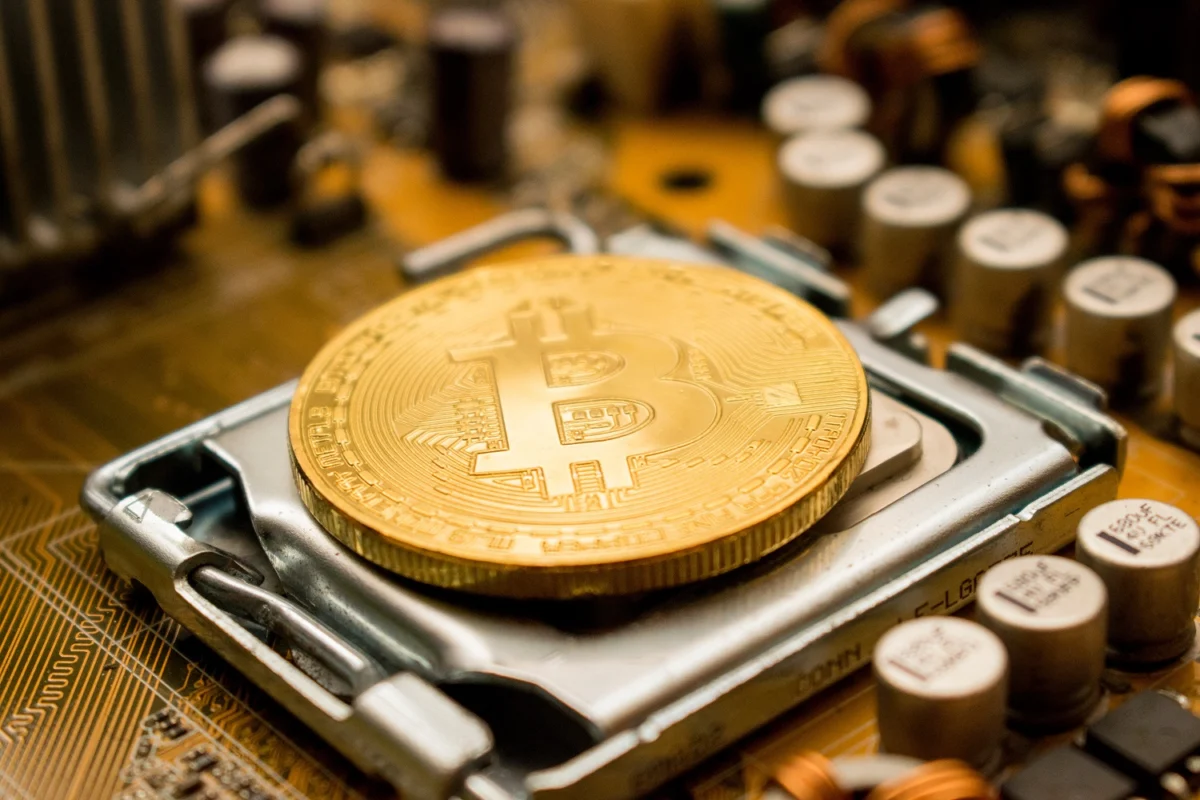
The Russian Association of Crypto Industry and Blockchain (RACIB) has formally launched a strategic initiative designed to transform the Russian Federation into a primary destination for international Bitcoin mining operations. This move comes at a critical juncture in the global cryptocurrency landscape, as the industry witnesses a massive redistribution of computing power following the systematic dismantling of the mining sector in China. By leveraging its vast energy reserves, favorable climatic conditions, and existing industrial infrastructure, Russia aims to reclaim its position as a top-tier global hub for digital asset production.
The timing of this project is significant. For years, China served as the undisputed epicenter of the Bitcoin network, at one point hosting over 65% of the global hashrate. However, a series of escalating regulatory crackdowns by Beijing, culminating in a total ban on mining activities, has forced thousands of enterprises to liquidate their domestic holdings and seek refuge in more stable jurisdictions. While the United States and Kazakhstan have emerged as early beneficiaries of this "Great Mining Migration," RACIB believes that Russia offers a superior long-term value proposition for large-scale industrial miners.
The Natural and Technical Advantages of the Russian Landscape
Russia’s bid to attract global miners is grounded in several structural advantages that are difficult for other nations to replicate. Chief among these is the country’s massive energy surplus. Russia consistently ranks among the top five electricity producers globally, with a sophisticated power grid that often produces more energy than the domestic population and industrial sector can consume. According to RACIB, certain regions within the country maintain an energy surplus of up to 50%. In the world of Bitcoin mining, where electricity represents the single largest operational expenditure, access to cheap, abundant, and stable power is the primary driver of profitability.
Furthermore, Russia’s geography provides a natural solution to one of the most significant technical challenges in crypto mining: heat dissipation. High-performance ASIC (Application-Specific Integrated Circuit) miners generate immense amounts of heat, necessitating expensive industrial cooling systems in warmer climates. The sub-arctic and continental climates found in Siberia and other northern Russian regions provide "free" cooling for most of the year. This environmental factor significantly reduces capital expenditure on HVAC systems and lowers the overall Power Usage Effectiveness (PUE) ratio of mining data centers.
The country’s low population density in its eastern territories also facilitates the construction of massive, specialized mining clusters far from residential areas, minimizing noise complaints and land-use conflicts. RACIB notes that these conditions provide a fertile ground for "specialized clusters" that can support not only cryptocurrency networks but also the broader infrastructure of the global digital economy, including high-performance computing and cloud data storage.
Energy Profile and the Shift Toward Green Mining
As the global discourse surrounding Bitcoin increasingly focuses on the environmental, social, and governance (ESG) impacts of mining, Russia is positioning its energy mix as a surprisingly sustainable option. Approximately 40% of Russia’s total power generation is derived from low-carbon sources, including hydroelectric and nuclear power.
In regions like Irkutsk and Krasnoyarsk, massive hydroelectric dams provide some of the cheapest and cleanest electricity in the world. For institutional investors and publicly traded mining companies that are under pressure to prove their "green" credentials, these Russian regions offer a viable alternative to the coal-heavy grids found in parts of Kazakhstan or the fluctuating renewable markets in the United States. RACIB’s proposal emphasizes that the integration of mining operations into the Russian energy complex can help stabilize the grid by utilizing "trapped" energy—power generated in remote areas that cannot be easily exported to the main national grid.
The Competitive Context: Overtaking Neighbors
The urgency of RACIB’s project is underscored by the rapid ascent of Kazakhstan. Following the Chinese exodus, Kazakhstan moved quickly to accommodate displaced miners, briefly becoming the second-largest mining hub in the world. This surge pushed Russia down to the fourth position in terms of global hashrate share. However, Kazakhstan has recently faced challenges, including grid instability, localized power shortages, and the introduction of new taxes and regulations on mining activities.
By launching a coordinated effort to attract foreign investment, RACIB seeks to capitalize on the friction in neighboring markets. The association is working to create a "turnkey" environment where foreign miners can navigate the Russian legal and logistical landscape with greater ease. This includes facilitating partnerships with local energy providers and ensuring that the necessary hardware can be imported and cleared through customs without the bureaucratic hurdles that have historically plagued the Russian market.
A Chronology of the Mining Migration
The current state of the market is the result of a rapid sequence of events that began in early 2021. In May of that year, China’s State Council announced a crackdown on Bitcoin mining and trading, citing concerns over financial risk and environmental targets. By June, major mining provinces including Xinjiang, Inner Mongolia, and Sichuan had issued orders to shut down all mining facilities.
This triggered an immediate and historic drop in the Bitcoin hashrate—the total computational power securing the network—which fell by more than 50% in a matter of weeks. As mining rigs were unplugged and packed into shipping containers, a global search for "cheap volts" began.
- May 2021: China signals its intent to ban mining.
- June 2021: Mass shutdowns occur; hashrate plunges.
- July 2021: Miners begin relocating to North America, Kazakhstan, and Russia.
- Late 2021: Russia’s RACIB recognizes the opportunity to institutionalize the sector and begins drafting proposals to attract foreign capital.
The current RACIB project represents the formalization of Russia’s intent to compete on the global stage, moving beyond "gray" or "garage" mining into a fully realized industrial sector.
Economic Implications and Regulatory Outlook
The influx of foreign mining investment carries significant economic weight for Russia. Beyond the direct sale of surplus electricity, the development of mining clusters creates jobs in construction, electrical engineering, and IT maintenance. Furthermore, it provides the Russian government with a new avenue for tax revenue.

The regulatory environment in Russia, however, remains a complex tapestry. While the "Digital Financial Assets" (DFA) law provided some basic definitions for cryptocurrencies in early 2021, the government has been divided on how to treat mining. The Central Bank of Russia has historically taken a skeptical view of digital assets, citing concerns over financial stability. Conversely, the Ministry of Finance and the Ministry of Economic Development have expressed support for a regulated mining industry, viewing it as a way to monetize the country’s energy resources and diversify the economy.
RACIB’s initiative is partly aimed at bridging this gap, demonstrating to federal regulators that a transparent, industrial-scale mining sector is a net positive for the national interest. By organizing these activities into clusters, the association hopes to provide a framework that allows for easy monitoring and taxation, satisfying the requirements of state oversight while providing the legal certainty that foreign investors require.
Market Context and Mining Profitability
The success of Russia’s initiative will also depend on the broader market conditions for Bitcoin. At the time of this initiative’s expansion, Bitcoin is trading at approximately $30,700, reflecting a 7% decline over the previous week and a 14% drop over the month. The market has been characterized by a period of consolidation, with the price struggling to break out of a range between $30,000 and $35,000.
For miners, price volatility is a double-edged sword. When the price of Bitcoin drops, the "hash price"—the expected value of the mining output—decreases, making efficient operations even more critical. High-cost miners in regions with expensive electricity or warm climates are often forced to shut down during these bearish phases. Russia’s low-cost, cold-climate model is specifically designed to remain profitable even during market downturns, providing a "moat" for operators who choose to settle there.
The current downtrend has brought Bitcoin close to the critical $30,000 support level. If the price fails to hold this level, further capitulation among inefficient miners is likely. However, for the industrial-scale operations that RACIB is targeting, these periods of "market cleansing" often present an opportunity to consolidate their share of the global hashrate as less efficient competitors exit the network.
Conclusion and Future Outlook
The Russian Association of Crypto Industry and Blockchain is making a calculated bet that the future of Bitcoin mining lies in regions that can provide industrial-scale stability. By highlighting Russia’s 40% green energy mix, its massive electricity surplus, and its natural cooling advantages, RACIB is positioning the nation not just as a temporary refuge for displaced Chinese miners, but as a permanent pillar of the global digital economy.
As the "Great Mining Migration" continues to settle, the global map of Bitcoin production is being rewritten. If Russia can successfully navigate its internal regulatory debates and provide a stable, welcoming environment for foreign capital, it stands a significant chance of surpassing its neighbors and establishing itself as the premier destination for the next generation of digital asset infrastructure. The coming months will be pivotal as the first wave of large-scale international projects under this new initiative begins to take shape, potentially altering the balance of power in the cryptocurrency world for years to come.














