The Iranian government has significantly escalated its enforcement actions against unauthorized cryptocurrency mining operations, seizing thousands of devices and shuttering nearly 10,000 mining farms over a five-month period. This aggressive stance comes as the Islamic Republic grapples with a deepening energy crisis that has resulted in widespread power outages, domestic instability, and a strain on the nation’s aging electrical infrastructure. According to recent data released by state authorities, the crackdown is part of a broader strategy to stabilize the national grid during periods of peak demand, particularly during the sweltering summer months when electricity consumption reaches critical levels.
Kambiz Nazerian, the head of the Tehran Electricity Distribution Company, confirmed in a recent statement that law enforcement agencies and utility inspectors have successfully identified and dismantled 9,404 illegal mining farms within the last five months alone. These operations, which vary in scale from small residential setups to large industrial-scale "farms," were largely concentrated within the districts of the capital city, Tehran. The sheer volume of equipment confiscated underscores the scale of the underground mining industry in Iran, which has thrived despite increasingly restrictive government policies.
The Scale of Enforcement and Confiscation
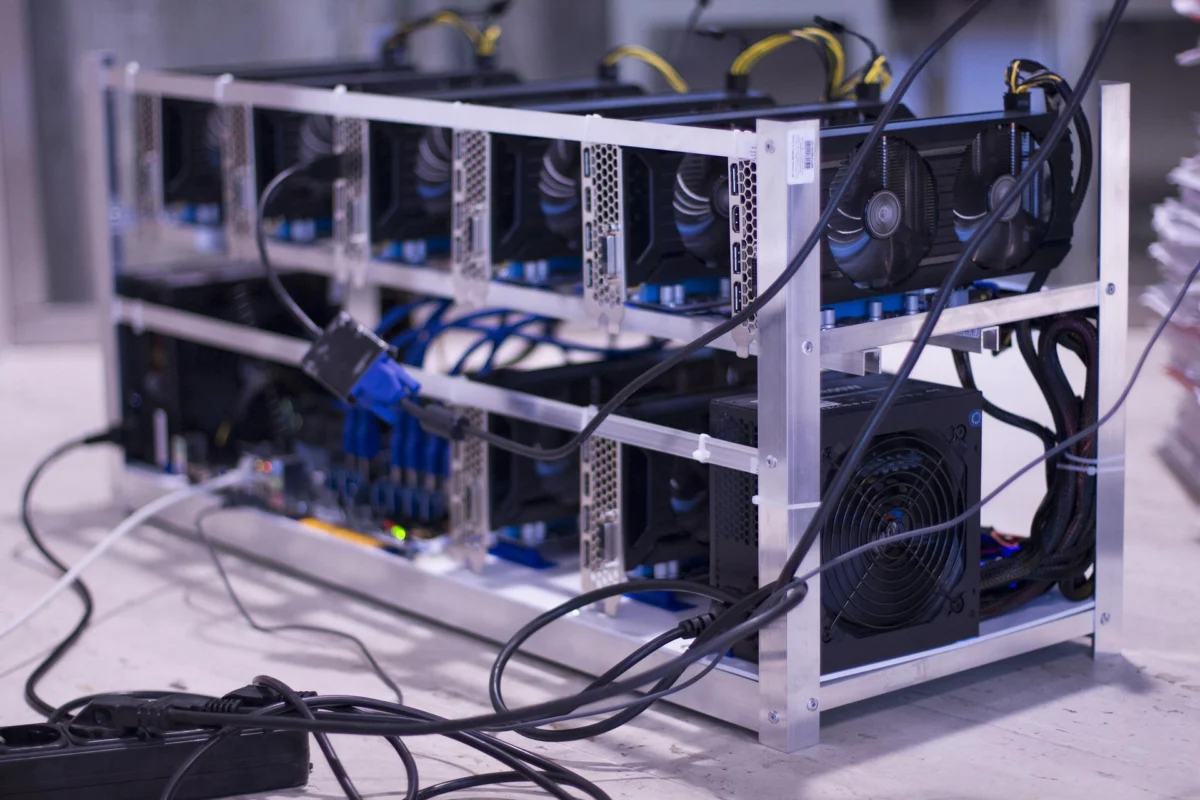
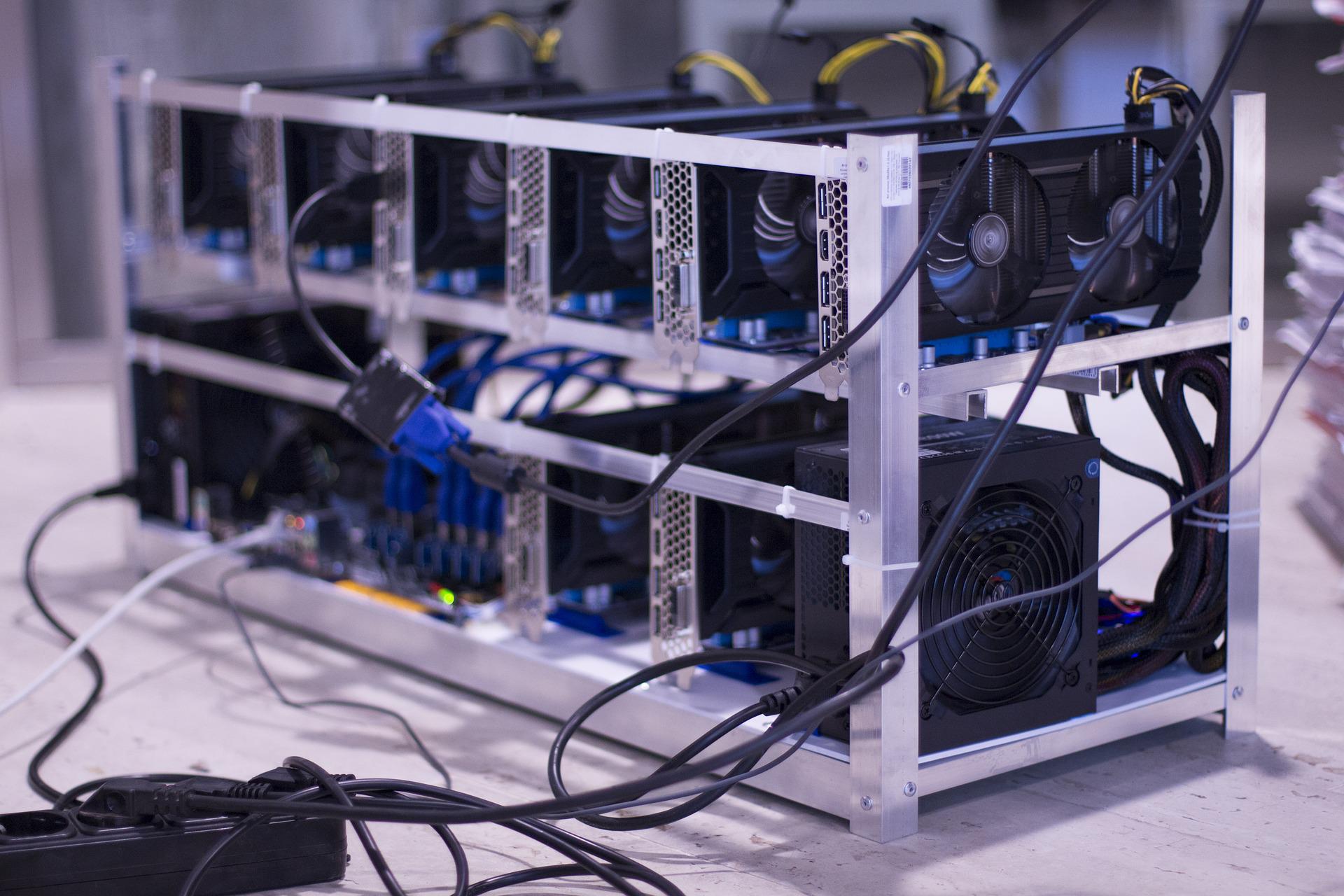
The recent wave of seizures is not an isolated incident but rather a continuation of a multi-year effort to curb the drain on the national power supply. In June alone, Iranian police reported the confiscation of approximately 7,000 illegal mining machines. This follows a massive operation at the beginning of last year in which the state-run energy provider, Tavanir, oversaw the seizure of 45,000 application-specific integrated circuit (ASIC) machines. These devices are purpose-built for high-intensity computations required to secure blockchain networks and earn rewards in the form of Bitcoin and other digital assets.
The Iranian authorities have grown increasingly sophisticated in their detection methods. By monitoring localized spikes in power consumption and utilizing thermal imaging technology, investigators have been able to pinpoint the locations of hidden mining rigs. Earlier this month, officials announced the closure of an additional 1,620 crypto-mining operations. Data provided by Tavanir indicates that these specific operations had consumed an estimated 250 megawatts of electrical power over an 18-month period—a staggering amount of energy that could otherwise have powered thousands of Iranian households.
The Role of Energy Subsidies and Economic Pressures
The primary driver behind the proliferation of cryptocurrency mining in Iran is the country’s unique energy landscape. As an oil- and gas-rich nation, Iran offers some of the most heavily subsidized electricity in the world. For many, the cost of electricity is negligible, making the profit margins for Bitcoin mining exceptionally high compared to other regions where energy costs are a major overhead expense.
This economic environment has attracted not only local tech enthusiasts but also international interests. Reports from Iranian media outlets suggest that a significant portion of the country’s mining operations are conducted by influential domestic networks and several Chinese investment groups. These entities leverage Iran’s cheap fossil-fuel-generated power to maximize returns. However, the exploitation of these subsidies has created a "moral hazard," where private gain comes at the expense of public infrastructure.
The situation is further complicated by the use of public and religious institutions for mining activities. In an effort to evade detection and access "free" electricity, many unregistered miners have established operations in mosques, schools, and community centers. These institutions often receive 100% subsidized power from the government, making them ideal, albeit illegal, hubs for energy-guzzling ASIC rigs.
A Timeline of the Iranian Energy Crisis and Regulatory Response
The tension between the cryptocurrency sector and the Iranian state has been building for several years, punctuated by seasonal energy shortages and public unrest.
- Early 2021: Iran emerges as a global mining powerhouse. According to the Cambridge Bitcoin Electricity Consumption Index (CBECI), Iran accounted for approximately 7.5% of the global Bitcoin hashrate in March 2021.
- May 2021: Facing severe blackouts and water shortages, the Iranian government issues its first major temporary ban on all cryptocurrency mining. The ban lasted four months to protect the grid during the summer peak.
- Late 2021: As winter approached, the government again implemented restrictions to ensure sufficient natural gas was available for home heating rather than power generation for mining.
- June 2022: Amid a new heatwave, authorities cut the power to 118 licensed mining platforms. While these entities operated legally, the sheer demand on the grid necessitated a total halt of non-essential industrial activity.
- August 2022: The Tehran Electricity Distribution Company reports the seizure of over 9,000 farms, signaling that the "underground" market continues to grow despite official bans.
The current regulatory framework in Iran creates a sharp divide between "licensed" and "unlicensed" miners. Licensed miners are required to pay a higher, non-subsidized rate for electricity and must register their equipment with the Ministry of Industry, Mine and Trade. However, when the grid is under stress, even these legal operators are the first to have their power disconnected. This has led many to believe that the only way to remain profitable is to operate in the shadows, fueling the cycle of illegal activity and subsequent police crackdowns.
Social and Political Implications
The energy crisis in Iran has moved beyond a technical or economic issue and into the realm of national security and social stability. Frequent power outages during the height of summer have led to widespread public frustration. In several provinces, blackouts have triggered protests, as citizens struggle with the loss of air conditioning and the failure of essential water pumps.
Authorities have frequently pointed to cryptocurrency mining as a primary "scapegoat" for these failures. While mining undoubtedly places a significant burden on the grid, critics argue that the government is using the crackdown to distract from deeper systemic issues, such as the lack of investment in power plant maintenance and the inefficiency of the national distribution network. Decades of international sanctions have made it difficult for Iran to import the parts and technology needed to modernize its energy infrastructure, leading to a reliance on aging gas turbines that are prone to failure.

Furthermore, the Iranian government’s relationship with cryptocurrency is inherently contradictory. On one hand, the Central Bank of Iran has explored using digital assets to bypass international banking sanctions and facilitate imports. On the other hand, the Ministry of Energy views the same assets as a threat to domestic stability. This "dual-track" policy has created a confusing environment for investors and miners alike.
International Context: A Growing Trend of Mining Bans
Iran is not the only nation to take a hardline stance against the energy intensity of Proof-of-Work (PoW) mining. The global landscape for cryptocurrency production has shifted dramatically since China’s total ban on mining in 2021. Following the Chinese exodus, miners sought refuge in countries with cheap power, such as Kazakhstan, Kosovo, and parts of the United States.
However, like Iran, many of these regions have faced subsequent crises. Kosovo recently implemented a total ban on mining after an energy emergency forced the country to import electricity at exorbitant prices. Similarly, Kazakhstan—which briefly became the world’s second-largest mining hub—has introduced new taxes and strict regulations after mining-related demand caused systemic failures in its power grid. These events highlight a growing global realization that the current model of decentralized mining may be incompatible with the existing electrical infrastructure of many developing and sanctioned nations.
Broader Impact and Future Outlook
The current ban on mining operations in Iran is scheduled to be reviewed in September, as the summer heat begins to dissipate. However, the long-term outlook for the industry remains precarious. The Iranian government has hinted at even stricter penalties for illegal miners, including heavy fines and potential prison sentences for those caught using subsidized power for industrial-scale operations.
The crackdown also has implications for the global Bitcoin network. While the loss of Iran’s 7.5% hashrate share would not be catastrophic for the network’s security, it contributes to the ongoing "migration" of mining power toward more regulated and energy-stable jurisdictions. For the Iranian people, the success of these enforcement actions will be measured not in the number of machines seized, but in the reliability of the lights in their homes and the stability of their local economies.
As the government continues to navigate the complexities of sanctions, energy subsidies, and the digital economy, the "cat-and-mouse" game between state police and underground miners is likely to persist. For now, the focus remains on immediate grid preservation, as Tehran and other major cities attempt to weather a summer of record-breaking temperatures and unprecedented electrical demand.