


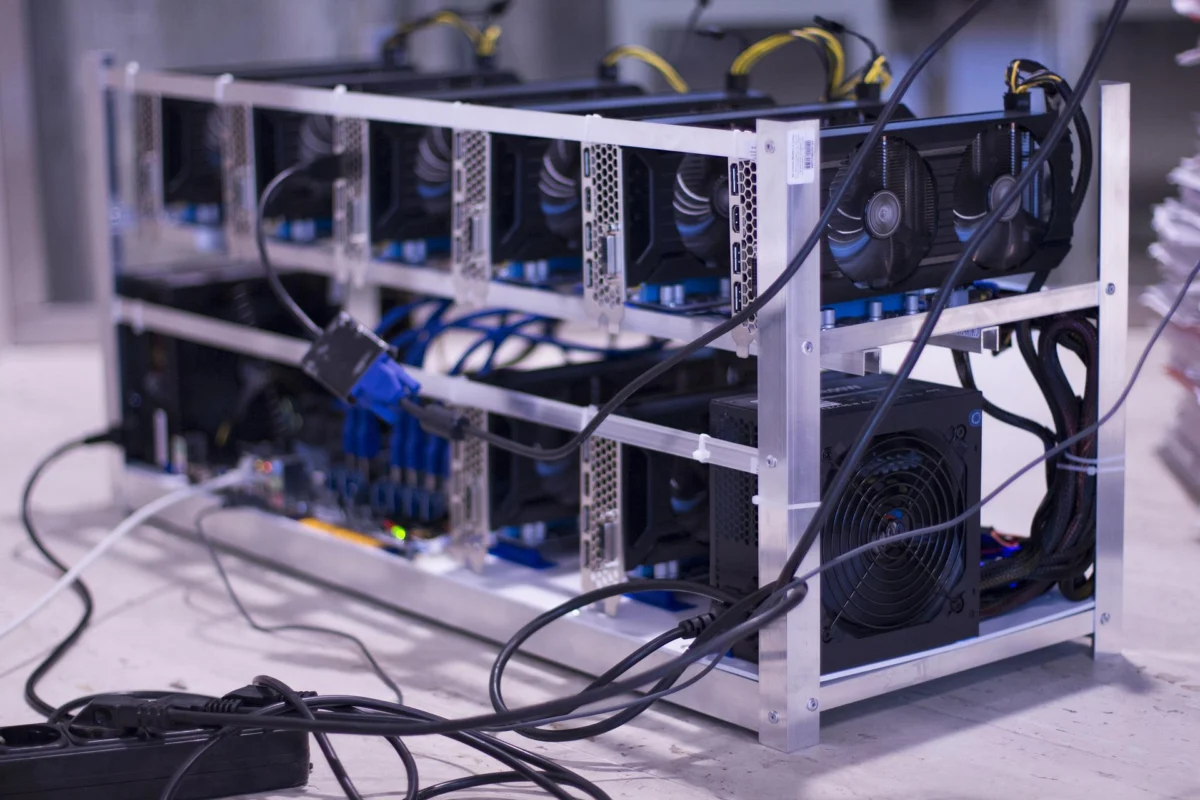
The Iranian government has significantly escalated its enforcement actions against unauthorized cryptocurrency mining operations, with state authorities reporting the detection and closure of 9,404 illegal mining farms over the past five months. This aggressive crackdown comes as the Middle Eastern nation grapples with a persistent energy crisis characterized by frequent power blackouts and a strained electrical grid. According to reports from the Tehran Electricity Distribution Company, the recent wave of seizures underscores a growing tension between the country’s burgeoning digital asset sector and its fundamental infrastructure requirements.
Kambiz Nazerian, the head of the Tehran Electricity Distribution Company, confirmed in a recent statement that police and energy inspectors successfully identified thousands of energy-intensive devices hidden throughout various districts of the capital city. These operations, which often utilize sophisticated hardware to solve complex mathematical equations in exchange for digital tokens like Bitcoin, have been identified as a primary contributor to the surging demand for electricity that the state-run power utility, Tavanir, has struggled to meet.
The Scope of the Enforcement Campaign
The scale of the current crackdown is unprecedented in the region. While the seizure of 9,404 farms in five months represents a peak in activity, it follows a massive operation in June where Iranian police confiscated approximately 7,000 illegal mining machines in a single sweep. These enforcement actions are not limited to the capital; the Iranian government has been tracking and dismantling unauthorized mining hubs across various provinces for several years.
A significant portion of the illicit activity is reportedly occurring in public or subsidized spaces. Investigative reports from local media outlets, including Iran International, indicate that many unregistered miners have established their operations within mosques, schools, and industrial workshops. These locations are particularly attractive to miners because they benefit from free or heavily subsidized electricity provided by the government. By tapping into these subsidized lines, miners can maximize their profit margins, as electricity is the single largest overhead cost in the cryptocurrency mining industry.
The technical nature of crypto mining—specifically "Proof of Work" (PoW) protocols—requires vast amounts of computational power. In Iran, the abundance of fossil fuels has traditionally made electricity production relatively inexpensive, creating a magnet for both local tech enthusiasts and international mining syndicates. However, the surge in demand has now outpaced the grid’s capacity, leading to a situation where the state must choose between supporting a digital industry or maintaining basic services for its citizens.
A Chronology of the Iranian Energy Crisis and Crypto Regulation
The relationship between the Iranian state and the cryptocurrency industry has been characterized by cycles of tolerance and repression. To understand the current crackdown, it is necessary to examine the timeline of events that led to this impasse:
- Early 2019 – 2020: The Mining Gold Rush: Following the collapse of the Iranian Rial and the imposition of heavy international sanctions, many Iranians turned to Bitcoin as a hedge against inflation. The government initially moved to legalize mining as an industrial activity, requiring operators to obtain licenses from the Ministry of Industry, Mine, and Trade.
- March 2021: Global Hashrate Peak: According to the Cambridge Bitcoin Electricity Consumption Index (CBECI), Iran’s contribution to the global Bitcoin hashrate reached approximately 7.5% by early 2021. This made the country one of the top mining hubs in the world, trailing only behind giants like China and the United States at the time.
- Summer 2021: The First Major Blackouts: Extreme heatwaves and a lack of rainfall (which reduced hydroelectric power output) led to catastrophic power failures across major cities. Public protests erupted, and the government responded by issuing a four-month temporary ban on all mining activities, including those held by licensed operators.
- January 2022: Large-Scale Seizures: At the start of 2022, Tavanir announced the seizure of 45,000 application-specific integrated circuit (ASIC) machines. These devices were reportedly consuming subsidized electricity intended for households and essential services.
- Mid-2022: Targeted Restrictions: In May 2022, as temperatures began to rise, authorities once again banned mining to preserve the grid for the summer months. To further alleviate pressure, the power supply to 118 licensed mining platforms was cut, despite their legal status.
- August 2022: The Current Crackdown: The latest report of 9,404 farms being closed reflects a shift toward more granular, intelligence-led enforcement, targeting small-to-medium-sized hidden operations rather than just large industrial warehouses.
Supporting Data and Economic Implications
The impact of illegal mining on the Iranian power grid is quantifiable. According to state energy officials, a recent closure of 1,620 mining operations revealed that those specific sites alone had consumed 250 megawatts (MW) of electrical power over an 18-month period. To put this in perspective, 250 MW is sufficient to power several hundred thousand average Iranian households during non-peak hours.
The economic incentive for mining in Iran remains high despite the legal risks. The country’s massive oil and gas reserves allow it to generate electricity at a fraction of the cost seen in Europe or North America. For influential networks and even some foreign groups—most notably Chinese mining collectives that relocated after China’s 2021 ban—Iran offers a lucrative environment. These groups often operate behind the scenes, utilizing the country’s subsidized energy to generate "digital gold" that can be used to bypass international banking sanctions and facilitate cross-border trade.
However, the "subsidized" nature of this electricity means that the Iranian government is essentially footing the bill for the miners’ profits. When an illegal farm operates out of a mosque or school, the state loses the revenue it would have gained from industrial-rate electricity sales, while simultaneously facing the high cost of repairing transformers and grid infrastructure damaged by the constant, high-voltage draw of mining rigs.
Official Responses and Regulatory Challenges
The Iranian government’s stance has been one of stern warning mixed with a struggle for control. Mostafa Rajabi Mashhadi, a spokesperson for the Iranian power industry, has repeatedly stated that illegal mining is a "threat to the country’s energy security." Authorities have implemented a whistleblower program, offering rewards to citizens who report the locations of illegal mining rigs.
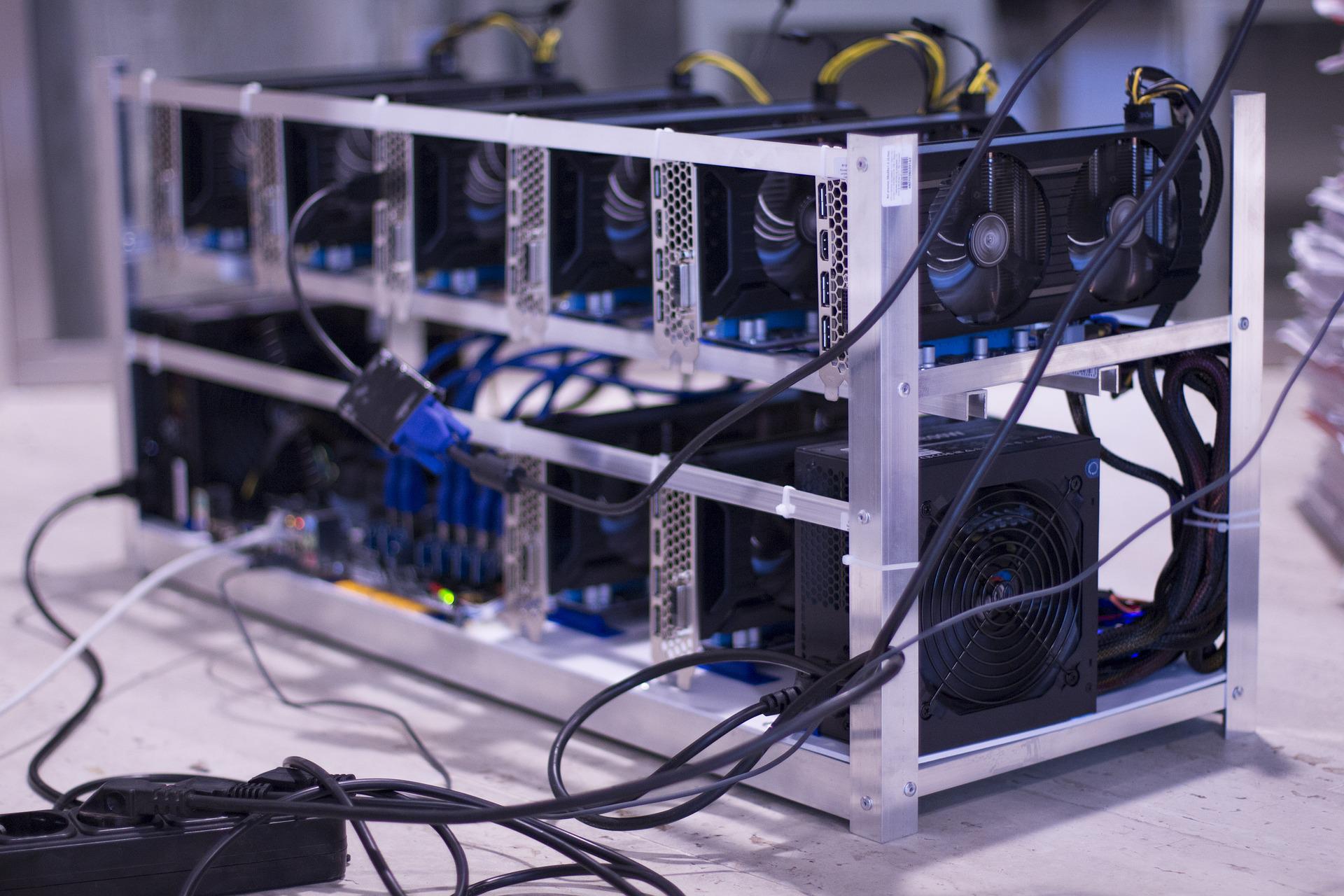
The challenge for the Ministry of Energy and the police lies in the "cat and mouse" nature of the industry. Mining rigs are modular and portable. When a large farm is raided, operators often split their remaining hardware into smaller clusters, distributing them across residential basements or remote agricultural sheds to avoid detection by thermal imaging or smart meter analysis.

Furthermore, there is a socio-political dimension to the enforcement. Reports suggest that some mining operations are conducted by "influential networks" with ties to various sectors of the economy. This complicates enforcement, as police must navigate complex domestic interests while trying to stabilize the national grid.
Broader Impact and Global Context
Iran’s struggle is not unique. Regions like Kosovo, Kazakhstan, and parts of the United States (such as Texas and New York) have all faced similar dilemmas regarding the integration of crypto mining into existing energy infrastructures. In Kosovo, a total ban was implemented following a state of emergency over energy shortages. In Kazakhstan, the influx of miners following the Chinese exodus led to civil unrest and a subsequent overhaul of the country’s tax and energy laws regarding digital assets.
The Iranian case is particularly acute because of the intersection of energy shortages and economic sanctions. For many Iranians, cryptocurrency is not a speculative investment but a necessity for economic survival. However, when this survival mechanism threatens the stability of the national power grid—affecting hospitals, water pumping stations, and household cooling—the state is forced to intervene.
Future Outlook and Conclusion
As the September deadline for the lifting of the current temporary ban approaches, the Iranian government faces a difficult road ahead. While the authorities have demonstrated their ability to seize thousands of machines, the underlying drivers of illegal mining—cheap electricity and a weak national currency—remain unchanged.
To achieve long-term stability, industry analysts suggest that Iran may need to move toward a more transparent, market-rate pricing model for crypto miners, coupled with investments in grid modernization. Until then, the aggressive enforcement actions seen in Tehran and beyond are likely to continue as a primary tool for managing the country’s fragile energy balance. The seizure of 9,404 farms is a clear signal that the state views unauthorized mining not just as a financial crime, but as a direct challenge to national infrastructure and public order.
The ongoing crackdown serves as a case study for the global cryptocurrency industry on the limits of energy-intensive "Proof of Work" systems in developing economies. As Iran continues to navigate its energy crisis, the balance between technological innovation and infrastructure preservation remains one of the most pressing challenges for the nation’s leadership.














