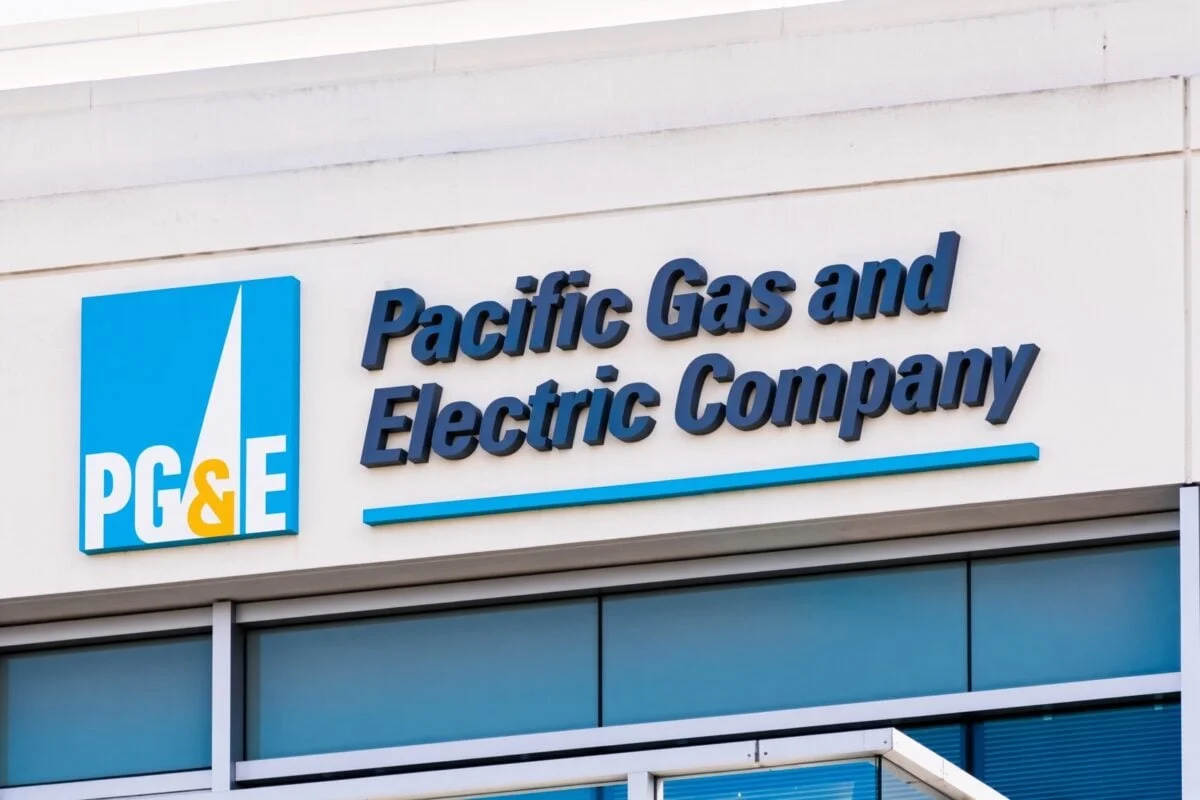
PG&E Corporation (NYSE: PCG) shares registered a marginal slip of 0.38%, closing at $13.18 after a $0.05 loss during the trading session, despite recovering from earlier afternoon lows to remain below its opening price. This modest market movement occurred as its primary subsidiary, Pacific Gas and Electric Company, announced a landmark achievement, securing a major international emergency management accreditation that positions it as a global leader in utility preparedness and response. This significant operational milestone, the culmination of five years of dedicated effort, marks Pacific Gas and Electric Company as the first energy utility worldwide to receive accreditation from the highly respected Emergency Management Accreditation Program (EMAP), thereby establishing a formidable new benchmark for emergency management across the entire energy utility industry.
A Global First: Setting a New Standard in Utility Resilience
The conferment of EMAP accreditation upon Pacific Gas and Electric Company is a testament to its comprehensive and robust emergency management framework, which extends across its vast Northern and Central California service territory. This expansive region is home to more than 16 million customers who rely on PG&E for essential energy services, underscoring the critical importance of the company’s emergency response capabilities in safeguarding communities and ensuring the continuity of vital infrastructure. The accreditation process, which scrutinizes an organization’s ability to effectively prepare for, respond to, and recover from a wide array of potential emergencies, highlights PG&E’s unwavering commitment to public safety and operational resilience in an increasingly complex and hazard-prone environment.
The designation as the first energy utility globally to achieve EMAP accreditation carries substantial weight. It not only distinguishes PG&E among its peers but also signals a paradigm shift in how energy providers can and should approach emergency preparedness. In an era marked by escalating climate-related events, such as wildfires, extreme weather, and seismic activity—all prevalent in California—the ability to manage crises effectively is no longer merely a best practice but an absolute imperative. This accreditation signifies that PG&E’s systems and protocols meet or exceed the most rigorous international standards, offering a credible assurance of its capacity to protect life, property, and critical infrastructure during disruptive events.
Understanding EMAP: The Gold Standard in Emergency Preparedness
EMAP operates as an independent, non-profit organization dedicated to assessing and recognizing excellence in emergency management programs. Its accreditation process is renowned for its stringent requirements, evaluating organizations against a comprehensive set of internationally recognized standards. These standards are meticulously designed to ensure that accredited entities possess the foundational capabilities necessary to manage emergencies effectively, from initial planning and hazard mitigation through response, recovery, and continuous improvement.
For an organization to achieve EMAP accreditation, it must demonstrate full compliance with 73 specific emergency management standards. These standards cover a broad spectrum of critical areas, including:
- Planning: The development of comprehensive emergency plans, policies, and procedures.
- Operations: The implementation of effective incident command systems, resource management, and operational coordination.
- Logistics & Finance: The ability to procure, deploy, and track resources, and manage financial aspects of emergency operations.
- Communications & Warning: Robust systems for internal and external communication, public warning, and information dissemination.
- Training & Exercises: Regular training for personnel and realistic exercises to test plans and capabilities.
- Hazard Identification & Risk Assessment: Systematic processes for identifying potential threats and evaluating their impact.
- Recovery: Strategies and resources for long-term recovery efforts following a disaster.
A notable aspect of PG&E’s achievement is that it completed its rigorous assessment without any identified nonconformances. This indicates an exceptional level of preparedness and adherence to the established standards, a feat that speaks volumes about the thoroughness and effectiveness of its emergency management program. Furthermore, the accreditation places PG&E within an exclusive group of private-sector organizations recognized by EMAP, a cohort that currently includes only three other entities: Amtrak, a major passenger rail service, and the District of Columbia Water and Sewer Authority, highlighting the unique and demanding nature of this certification for commercial enterprises.
PG&E’s Transformative Five-Year Journey: A Chronology of Dedication
The journey to EMAP accreditation was not an overnight endeavor but rather the culmination of an intensive five-year strategic initiative undertaken by PG&E. This prolonged period was dedicated to the systematic development, enhancement, and rigorous testing of its emergency management program. The effort was driven by a commitment to elevate safety and resilience across its vast operational footprint, particularly in light of California’s susceptibility to various natural hazards and the utility’s past challenges related to infrastructure safety and wildfire mitigation.
Key Phases and Initiatives during the Five-Year Period:
- Initial Assessment and Gap Analysis (Years 1-2): PG&E commenced its journey by conducting a comprehensive internal assessment of its existing emergency management capabilities against EMAP’s preliminary standards. This phase involved identifying strengths, weaknesses, and critical gaps that needed to be addressed. It likely included extensive data collection, stakeholder interviews, and an initial review of policies and procedures.
- Benchmarking and Best Practices Integration (Year 2): During this period, the company actively benchmarked its practices against other EMAP-accredited organizations, including government agencies and the few private-sector entities that had already achieved the distinction. This involved studying successful models, adapting relevant strategies, and integrating best practices into its evolving framework. Insights from these comparisons were crucial in shaping PG&E’s approach to areas like incident command, resource allocation, and public communication.
- Policy and Procedure Overhaul (Years 2-3): A significant focus was placed on strengthening and standardizing emergency policies and procedures. This involved reviewing and updating operational manuals, developing new protocols for specific hazard scenarios (e.g., public safety power shutoffs, wildfire response, earthquake protocols), and ensuring these were clearly communicated and understood across all levels of the organization. The aim was to create a consistent, repeatable, and adaptable framework for crisis response.
- Investment in Technology and Infrastructure (Years 3-4): To support its enhanced emergency management program, PG&E likely made substantial investments in new technologies and infrastructure. This could include advanced weather monitoring systems, improved communication networks, enhanced mapping and geospatial tools for incident tracking, and modernized emergency operations centers. Such investments are critical for real-time situational awareness and coordinated response.
- Extensive Training and Drills (Years 3-5): A cornerstone of the five-year effort was a robust program of training and emergency exercises. Thousands of employees, from frontline crews to executive leadership, participated in specialized training modules covering various aspects of emergency management. This was complemented by frequent, realistic drills and simulations, ranging from tabletop exercises to full-scale field operations. These exercises were designed to test the efficacy of new policies, identify areas for improvement, and foster inter-departmental collaboration and external agency coordination. Post-exercise evaluations provided valuable feedback for continuous refinement.
- External Assessments and Continuous Improvement (Year 4-5): Leading up to the final accreditation, PG&E participated in multiple external assessments, subjecting its program to independent scrutiny and receiving feedback that helped fine-tune its capabilities. This iterative process of assessment, feedback, and improvement was vital in preparing the company for EMAP’s comprehensive evaluation.
Comprehensive Assessment: Beyond Paper Plans
The EMAP accreditation process delves far beyond a mere review of written emergency plans. It critically evaluates how an organization translates those plans into actionable, effective operations. For PG&E, this meant demonstrating proficiency in several key operational areas:
- Hazard Identification and Risk Assessment: EMAP scrutinized PG&E’s methods for identifying potential hazards specific to its service area, such as wildfires, earthquakes, severe storms, and cybersecurity threats, and its processes for assessing the associated risks to its infrastructure and customers.
- Incident Management and Resource Coordination: The assessment thoroughly reviewed PG&E’s incident command system, its ability to effectively manage complex incidents, coordinate internal and external resources (e.g., fire departments, law enforcement, state agencies), and allocate personnel and equipment efficiently.
- Communication with the Public: EMAP evaluated the effectiveness of PG&E’s strategies for communicating vital information to the public before, during, and after emergencies, including warning systems, public alerts, and channels for providing updates on service restoration and safety advisories.
- Training Programs and Emergency Exercises: The rigor of PG&E’s employee training programs and the realism and frequency of its emergency exercises were key areas of review, ensuring that personnel are well-prepared and that plans are regularly tested under simulated stress conditions.
- Recovery Capabilities: The assessment also covered PG&E’s capabilities for post-incident recovery, including damage assessment, infrastructure repair, and support for community resilience and restoration efforts.
These stringent requirements collectively ensure that PG&E’s accreditation reflects a holistic and deeply embedded commitment to operational excellence in emergency management, rather than just theoretical preparedness.
Addressing California’s Unique Challenges
PG&E’s service territory encompasses a vast and diverse geographical area within Northern and Central California, a region uniquely susceptible to a variety of natural and man-made hazards. The state’s complex geology makes it prone to significant seismic activity, while its Mediterranean climate, characterized by hot, dry summers and strong winds, creates an elevated risk of devastating wildfires. Furthermore, extreme weather events, including intense storms, droughts, and heatwaves, are becoming increasingly frequent and severe due to climate change.
Given these inherent vulnerabilities, PG&E’s role in maintaining essential energy services extends far beyond normal operations. The utility manages an extensive network of infrastructure, including over 100,000 miles of electric distribution lines, 18,000 miles of electric transmission lines, and approximately 42,000 miles of natural gas pipelines. The sheer scale and criticality of this infrastructure necessitate an emergency management program of unparalleled robustness. The EMAP accreditation directly addresses these challenges by ensuring that PG&E possesses the advanced capabilities required to protect this infrastructure, mitigate risks, and rapidly restore services when unexpected events threaten the safety and well-being of its 16 million customers. This includes enhanced protocols for proactive measures like Public Safety Power Shutoffs (PSPS), where power is intentionally turned off in high-risk areas to prevent ignitions during extreme fire weather, a controversial but often necessary measure that requires sophisticated planning and communication.
Enhancing Public Trust and Operational Resilience
For PG&E, an entity that has faced significant public scrutiny and financial challenges related to past safety incidents, particularly devastating wildfires, this EMAP accreditation carries profound implications. It represents a tangible demonstration of the company’s commitment to a renewed focus on safety and operational excellence.
- Enhanced Public Trust: The accreditation serves as a powerful external validation of PG&E’s efforts to transform its safety culture and emergency preparedness. It can help rebuild public confidence, demonstrating that the company has implemented internationally recognized best practices to protect its customers and communities.
- Improved Operational Resilience: By adhering to EMAP standards, PG&E has systematically improved its capacity to withstand, adapt to, and recover from disruptive events. This directly translates into more efficient incident response, faster service restoration, and reduced impacts on customers during emergencies.
- Reduced Risk Profile: A robust emergency management program can potentially lead to a reduction in the company’s overall risk profile. While not eliminating all risks, it demonstrates a proactive approach to hazard mitigation and incident management, which could positively influence regulatory oversight, insurance premiums, and litigation exposure over the long term.
- Culture of Safety: The five-year effort to achieve accreditation has likely fostered a deeper culture of safety and preparedness throughout the organization, embedding emergency management principles into daily operations and decision-making processes.
Industry-Wide Impact: A Catalyst for Change
PG&E’s pioneering achievement is poised to have a significant ripple effect across the broader energy utility industry, both domestically and internationally. By becoming the first energy utility to secure EMAP accreditation, PG&E has effectively set a new global benchmark for operational resilience and emergency preparedness in the sector.
- Raising the Bar: Other energy utilities will now have a clear, internationally recognized standard against which to measure their own emergency management programs. This could spur a competitive drive for similar accreditations, leading to an overall elevation of safety and resilience standards across the industry.
- Sharing Best Practices: PG&E’s experience and the strategies it implemented during its five-year journey can serve as a valuable case study for other utilities considering EMAP accreditation or seeking to enhance their own programs. The company could become a leader in sharing insights and best practices, contributing to collective industry improvement.
- Addressing Evolving Threats: As climate change continues to intensify natural hazards and new threats like cyberattacks emerge, robust emergency management is paramount. PG&E’s accreditation underscores the necessity for utilities to proactively invest in comprehensive preparedness frameworks to protect critical infrastructure and ensure energy security.
Statements and Perspectives
Jody Ferguson, Chair of the EMAP Commission, highlighted PG&E’s exceptional dedication during the accreditation process, stating, "The EMAP Commission recognized PG&E’s profound attention to the safety and well-being of its employees and the communities it serves. Their commitment to people-centric emergency management operations was evident throughout our rigorous assessment, underscoring a truly comprehensive approach to preparedness and response."
While official statements from PG&E leadership were not detailed in the original article, it can be logically inferred that such an achievement would be met with profound pride and a reiteration of the company’s commitment. A hypothetical statement from PG&E’s CEO might emphasize: "This EMAP accreditation is a monumental achievement for PG&E and a testament to the tireless dedication of our entire team over the past five years. It validates our strategic investments in safety and our unwavering commitment to protecting our 16 million customers and the communities we serve. This is not just an award; it is a foundational pillar of our renewed promise to be a safe, reliable, and prepared energy provider for California." A Chief Safety Officer might add, "Achieving this global first without any nonconformances speaks to the rigor of our processes and the deep integration of emergency preparedness into every aspect of our operations. We are proud to set a new standard for the energy utility sector, and we remain committed to continuous improvement in our pursuit of absolute safety."
Community Partnership: The Role of Preparedness
Effective emergency management is a shared responsibility, extending beyond the utility to the communities it serves. PG&E actively champions community preparedness, recognizing that a well-informed and prepared public is crucial for overall resilience during and after emergencies.
PG&E continues to provide customers with accessible information and resources designed to enhance personal and household emergency planning. Its "Safety Action Center" serves as a comprehensive online hub, offering guidance on critical preparedness measures such as:
- Building Emergency Supply Kits: Detailed lists of essential items for various durations of power outages or evacuations.
- Developing Family Emergency Plans: Templates and advice for creating communication plans, evacuation routes, and designated meeting points.
- Understanding Specific Hazards: Information on how to prepare for and respond to wildfires, earthquakes, and severe weather events.
- Accessing Critical Information: Resources for staying informed during emergencies, including outage maps, safety alerts, and contact information.
By empowering customers with the tools and knowledge to prepare for potential disruptions, PG&E fosters a collaborative approach to safety and resilience. This community engagement is an integral component of its broader emergency management framework, ensuring that individual preparedness complements the company’s operational readiness.
Financial Market Response and Long-Term Value
The immediate market reaction to PG&E Corporation’s stock was a modest 0.38% decline, closing at $13.18. This minor fluctuation suggests that while the operational achievement is significant, the financial markets may not always reflect such news with immediate dramatic shifts, often focusing on short-term earnings, regulatory developments, or broader market trends.
However, the EMAP accreditation holds substantial long-term strategic and financial value for PG&E. A robust and independently verified emergency management program can contribute to:
- Enhanced Investor Confidence: Over time, demonstrating a strong commitment to safety and operational resilience can attract and retain long-term investors who prioritize stable, well-managed companies, particularly those in critical infrastructure sectors.
- Reduced Long-Term Liabilities: By proactively mitigating risks and improving response capabilities, PG&E can potentially reduce the likelihood and severity of future incidents, thereby lowering potential financial liabilities from property damage, service disruptions, and legal claims.
- Improved Regulatory Relationships: Consistent adherence to high safety standards and demonstrable preparedness can foster a more constructive relationship with regulatory bodies, potentially leading to more predictable regulatory environments and support for necessary infrastructure investments.
- Brand Reputation and Customer Loyalty: A reputation for reliability and safety is invaluable. This accreditation strengthens PG&E’s brand, potentially leading to greater customer satisfaction and reduced political pressure.
In conclusion, while the immediate stock market reaction was understated, Pacific Gas and Electric Company’s attainment of EMAP accreditation is a profound strategic victory. It underscores a significant transformation in the utility’s operational capabilities and safety culture, positioning it as a global leader in emergency preparedness. This milestone not only enhances PG&E’s resilience and trustworthiness but also sets an inspiring and rigorous new standard for the entire energy utility sector worldwide, promising a future of greater safety and reliability for millions of customers.