The digital asset landscape is currently navigating a complex transition as the initial euphoria surrounding Bitcoin and Ethereum exchange-traded funds (ETFs) gives way to a more nuanced and skeptical evaluation of the broader altcoin market. While retail investors have long anticipated a "bailout" or a massive liquidity injection from institutional giants like BlackRock and Fidelity into smaller-cap assets, industry analysts are increasingly dismissing these hopes as a fundamental misunderstanding of institutional investment mandates. Traditional finance (TradFi) entities are not entering the crypto space to absorb the "bags" of retail speculators; instead, they are seeking to redefine the market through the lens of regulated financial products and tokenized real-world assets (RWA).
The Institutional Reality Check and the "Bailout" Myth
The speculation that BlackRock or similar institutional behemoths might pivot toward a broad-spectrum accumulation of altcoins has been met with significant pushback from market strategists. The prevailing sentiment among Wall Street analysts suggests that these firms view the majority of the altcoin market as little more than sophisticated fundraising vehicles. From an institutional perspective, many tokens lack a direct, legally enforceable link between the project’s underlying utility and the value of the token itself. This disconnect creates a barrier for fiduciaries who require clear valuation models and regulatory certainty before committing capital.
Weiss Crypto recently projected a shift in the integration of blockchain technology and Wall Street. Rather than buying existing speculative tokens, institutional interest is expected to gravitate toward high-performance Layer-1 networks like Solana and Ethereum for the purpose of tokenizing traditional assets. In this envisioned future, the traditional stock exchange model could be supplemented or even bypassed by decentralized ledgers where investors hold direct ownership of tokenized securities, real estate, or debt instruments, rather than participating in the high-risk volatility of "meme coins" or utility tokens with ambiguous economic structures.
Market Stagnation: Analyzing the Altcoin Winter
The data underlying the current market cycle reveals a stark divergence between Bitcoin’s performance and the rest of the cryptocurrency ecosystem. Approximately 84% of altcoins listed on Binance, the world’s largest cryptocurrency exchange by volume, are currently trading below their 200-day moving average. This specific technical indicator is often used by traders to determine the long-term health of an asset; a sustained period below this line typically signals a macro bearish trend.
This underperformance has persisted for nearly eight months, marking the second-longest streak of altcoin stagnation since 2020. The only period of greater duration was the ten-month bearish cycle observed during the depths of the 2022 crypto winter. This prolonged lack of momentum is further evidenced by the Altcoin Season Index, which currently sits at 48 out of 100. A score below 75 indicates that the market remains firmly in "Bitcoin Season," where the primary cryptocurrency outperforms the majority of the top 50 altcoins. Furthermore, the Total 3 index—which tracks the total market capitalization of all cryptocurrencies excluding Bitcoin and Ethereum—continues to face downward pressure, struggling to find a definitive floor as liquidity remains concentrated in the market’s two largest assets.
The Solana Precedent: A New Era for Altcoin ETFs
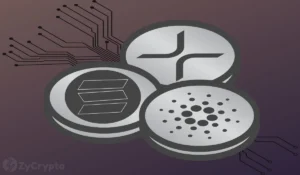
The conversation regarding the expansion of crypto ETFs reached a fever pitch following the recent filings for Solana-based spot ETFs. Firms such as VanEck and 21Shares have officially submitted 19b-4 filings to the U.S. Securities and Exchange Commission (SEC), signaling a bold move to bring the third-largest non-stablecoin crypto asset to Wall Street. This development is viewed as a "canary in the coal mine" for other major altcoins, including XRP, Cardano (ADA), and even Shiba Inu (SHIB).
The push for a Solana ETF is significant because it challenges the SEC’s previous assertions that many Layer-1 tokens are unregistered securities. If the SEC allows a Solana ETF to move forward, it would set a legal and regulatory precedent that could clear the path for XRP and Cardano. Market participants are closely watching the SEC’s response, as it will determine whether the "ETF wrapper" will be reserved only for the "Big Two" (Bitcoin and Ethereum) or if the floodgates will open for a broader array of digital assets.
The Regulatory Gauntlet: XRP, Cardano, and Shiba Inu
The potential for an XRP ETF is intrinsically tied to the ongoing legal saga between Ripple Labs and the SEC. With the lawsuit moving toward a final judgment, many institutional players believe that XRP’s "clarity" as a non-security (as per Judge Analisa Torres’s summary judgment regarding secondary market sales) makes it a prime candidate for an institutional product. Similarly, Cardano, led by Charles Hoskinson, has consistently emphasized its decentralized nature and rigorous academic approach to development, positioning ADA as a "blue-chip" altcoin that could eventually meet the criteria for a spot ETF.
More surprisingly, the Shiba Inu community has also begun a concerted effort to advocate for a SHIB ETF. While many dismiss meme coins as purely speculative, the sheer volume of SHIB trading and its transition toward a Layer-2 ecosystem (Shibarium) have led some to argue that it possesses the necessary liquidity and decentralization to be considered. However, the path for a SHIB ETF remains the most arduous, as the SEC typically requires a regulated futures market for the underlying asset—a hurdle that Bitcoin and Ethereum cleared years before their spot ETFs were approved.
Price Pressure and Technical Support Levels
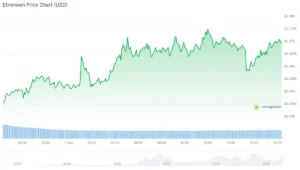
As the market awaits regulatory clarity, top-tier altcoins continue to experience significant volatility. Ethereum has recently seen dips toward the $1,500–$1,600 range, hampered by hawkish signals from central banks and a growing negative correlation with the S&P 500. When traditional equities face pressure from interest rate concerns, crypto assets—often viewed as "high-beta" versions of tech stocks—tend to suffer outsized losses.
Binance Coin (BNB) has also faced technical breakdowns, falling below critical support levels that had held for several months. Meanwhile, XRP traders are focused on defending the psychological $1.00 threshold. In the absence of a meaningful catalyst, such as a major court ruling or a surprise ETF approval, the market appears trapped in a cycle of low-volume stagnation. This environment tests the conviction of long-term holders and forces retail investors to reconsider their exposure to assets that lack the institutional backing currently enjoyed by Bitcoin.
Tokenization and the Future of Layer-1 Networks
Beyond the speculative trading of tokens, the real "headway into Wall Street" is happening at the infrastructure level. The emergence of Tokenized Real-World Assets (RWA) represents a multi-trillion-dollar opportunity that institutional leaders like Larry Fink of BlackRock have publicly championed. BlackRock’s BUIDL fund, launched on the Ethereum network, serves as a primary example of how TradFi intends to use blockchain: not as a casino for new tokens, but as a more efficient back-end for financial services.
Solana’s high throughput and low transaction costs have positioned it as a formidable competitor to Ethereum in this space. If Wall Street chooses Solana as a preferred layer for listing tokenized stocks or bonds, the demand for the SOL token would be driven by network utility rather than retail speculation. This fundamental shift is what Weiss Crypto and other research firms believe will eventually lead to the obsolescence of traditional stock exchanges in favor of 24/7, globally accessible blockchain ledgers.
Broader Impact and Market Implications
The transition from a retail-driven "altcoin season" to an institutionally-led "infrastructure era" has profound implications for the future of digital finance. For retail investors, the days of "a rising tide lifts all boats" may be over. In previous cycles, Bitcoin’s ascent would inevitably lead to a rotation of capital into smaller assets. However, the current cycle suggests that liquidity is becoming increasingly siloed. Institutional investors are disciplined, focusing on assets with clear regulatory status and institutional-grade custody solutions.
The potential arrival of XRP, Cardano, and Shiba Inu ETFs at the SEC’s table represents a critical juncture. If approved, these products would provide a regulated bridge for trillions of dollars in pension funds and 401(k) accounts to enter the altcoin market. If rejected or indefinitely delayed, the divide between the "institutionalized" assets (BTC, ETH) and the rest of the market will likely widen.
As the industry moves into the latter half of 2024 and beyond, the focus will remain on the SEC’s evolving stance and the ability of Layer-1 networks to prove their utility to Wall Street. The prolonged stagnation of the altcoin market is not merely a temporary dip but a reflection of a market in the midst of a radical identity shift. Whether the "altcoin bags" of the past will ever be bailed out remains doubtful, but the infrastructure being built today suggests that the underlying technology is more integrated with global finance than ever before.