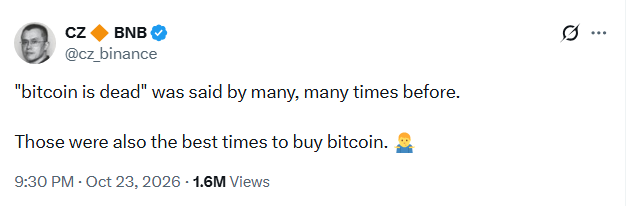
The perennial question of Bitcoin’s demise has resurfaced with a notable intensity, coinciding with a significant surge in online searches for the phrase "Bitcoin is dead." This trend has drawn attention from key figures in the cryptocurrency space, including Binance founder Changpeng Zhao (CZ), who recently pointed out that such pronouncements have historically preceded periods of recovery and growth for the digital asset. His comments underscore a recurring narrative in Bitcoin’s history, where periods of intense skepticism often precede significant market shifts.
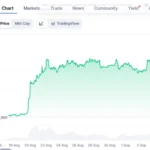
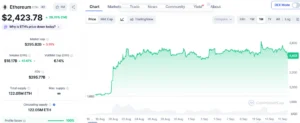
The current surge in "Bitcoin is dead" searches on Google Trends has reached levels not seen in approximately four years, with the last comparable peak occurring around the time of the FTX exchange collapse in November 2022. This period was marked by a severe liquidity crisis that led to FTX filing for bankruptcy protection. During that same month, Bitcoin experienced one of its lowest monthly price points, dipping to approximately $15,599, further fueling negative sentiment and speculation about the cryptocurrency’s long-term viability. The resurgence of these searches indicates a heightened level of anxiety and uncertainty among market participants, mirroring the sentiment witnessed during previous major downturns.
The Anatomy of a Search Surge: Understanding Google Trends Data
Google Trends, a publicly accessible tool that analyzes the popularity of search queries, provides valuable insights into public interest and sentiment surrounding various topics. The recent spike in searches for "Bitcoin is dead" suggests a growing public concern or perhaps a morbid curiosity about the cryptocurrency’s future. When examining search data, it’s crucial to consider the context. Such surges can be triggered by a confluence of factors, including significant price drops, negative news cycles, or broader macroeconomic uncertainties.
Historically, these periods of intense negative sentiment have often been seen as contrarian indicators. CZ’s observation that these moments have historically been the "best times to buy BTC" highlights a common investment strategy that seeks to capitalize on market fear. The logic behind this approach is that when widespread panic sets in, asset prices may become oversold, presenting an opportunity for shrewd investors to acquire assets at a discount, anticipating a subsequent rebound. The data from late 2022, when Bitcoin eventually recovered from its lows, serves as a relevant case study for this phenomenon.
Why Bitcoin is Facing Headwinds: A Multifaceted Analysis
The current market turbulence experienced by Bitcoin and the broader cryptocurrency ecosystem can be attributed to a complex interplay of factors, including institutional outflows, leveraged liquidations, and widespread market sell-offs. As of the end of October, the cryptocurrency market has been characterized by heightened volatility, with Bitcoin experiencing notable price declines.

One of the primary drivers of this volatility appears to be institutional investor behavior. Reports of significant institutional outflows from Bitcoin-related investment products, such as exchange-traded funds (ETFs) and other structured vehicles, can exert considerable downward pressure on prices. These outflows often signal a shift in sentiment among large asset managers, who may be rebalancing portfolios, responding to regulatory changes, or reacting to broader economic indicators.
Furthermore, the prevalence of leveraged trading within the cryptocurrency market amplifies price movements. When prices fall, highly leveraged positions can be liquidated en masse, forcing traders to sell their assets to cover margin calls. This cascading effect can exacerbate downward price trends, creating a feedback loop that further dampens investor confidence. The market witnessed a significant wave of liquidations recently, with over $841 million in cryptocurrency positions being wiped out within a 24-hour period, predominantly affecting long positions. This event was triggered by a sharp price decline.
Geopolitical Tensions and Macroeconomic Ripples
Adding to the existing market pressures, escalating geopolitical tensions have cast a shadow over global financial markets, including cryptocurrencies. The recent increase in tensions between the United States and Iran, for instance, has contributed to a broader sense of uncertainty and risk aversion among investors. In times of geopolitical instability, investors often flock to traditional safe-haven assets, such as gold and government bonds, leading to capital flight from more speculative assets like cryptocurrencies.
Beyond geopolitical events, macroeconomic factors continue to play a pivotal role in shaping the cryptocurrency landscape. Persistent inflation concerns, particularly in the United States, have led to speculation that the Federal Reserve might consider further interest rate hikes. Such a move would typically tighten liquidity in the financial system, making borrowing more expensive and potentially reducing the appetite for riskier investments. The recent US inflation figures, which exceeded expectations, have intensified these concerns, adding another layer of uncertainty for Bitcoin investors.
Bitcoin’s Price Action: A Technical Perspective
Following a sharp drop on Saturday, which saw Bitcoin fall to $79,220, the cryptocurrency has shown some resilience, currently trading around $80,872. However, its position below the 50-day moving average is a technical indicator that often suggests a potential for further downward price movement or continued consolidation. The 50-day moving average is a widely watched technical indicator that can signal short-to-medium term trends. When a price falls below this average, it can be interpreted as a bearish signal, suggesting that the asset may be losing upward momentum.
The volatility seen in Bitcoin’s price action is not an isolated phenomenon but rather a reflection of the broader cryptocurrency market’s sensitivity to both internal dynamics and external shocks. The interplay between institutional flows, retail sentiment, leverage, and macroeconomic events creates a highly dynamic and often unpredictable trading environment.
Historical Context: The Recurring Narrative of Bitcoin’s "Death"
The narrative of "Bitcoin is dead" is not new. Since its inception, Bitcoin has faced numerous existential crises and predictions of its demise. These have ranged from technical criticisms of its protocol to concerns about its environmental impact, regulatory crackdowns, and its susceptibility to market manipulation.
A brief chronological overview of some notable "Bitcoin is dead" moments illustrates this recurring pattern:
- 2011-2013: Early concerns about Bitcoin’s volatility, scalability limitations, and the Silk Road scandal.
- 2017: Following a meteoric rise, Bitcoin faced skepticism about its sustainability and was declared dead by some commentators after sharp corrections.
- 2018: The aftermath of the 2017 bull run saw a prolonged bear market, leading to renewed pronouncements of Bitcoin’s demise.
- 2020-2021: Despite a significant bull run and increased institutional adoption, critics continued to question its long-term viability.
- November 2022: The FTX collapse and subsequent market downturn reignited the "Bitcoin is dead" narrative.
Each of these periods, while marked by significant price drops and negative sentiment, was eventually followed by a recovery and, in many cases, new all-time highs. This historical pattern suggests that Bitcoin’s resilience and its ability to overcome challenges have been key to its survival and growth.
The Role of Scalability and Future Development
The original context provided by BitMEX Research, though not explicitly detailed in the current article snippet, often highlighted the critical role of scalability improvements in Bitcoin’s long-term survival. Early criticisms of Bitcoin often centered on its limited transaction throughput, meaning it could only process a relatively small number of transactions per second compared to traditional payment networks. This inherent limitation posed a significant hurdle to widespread adoption as a global payment system.
The development of various scaling solutions, such as the Lightning Network, has been crucial in addressing these concerns. The Lightning Network, a layer-2 payment protocol, enables faster and cheaper transactions by operating "off-chain." By allowing transactions to be conducted on a separate network and only settling them on the main Bitcoin blockchain when necessary, it significantly increases the network’s capacity and reduces transaction fees. Continued innovation in scaling technologies and protocol upgrades remains vital for Bitcoin to evolve and meet the demands of a growing user base and increasing transaction volumes.
Expert Opinions and Market Sentiment
The current surge in negative sentiment, as reflected in Google Trends, is a significant indicator, but it’s important to balance this with expert analysis. Many seasoned investors and analysts view these periods of extreme fear as potential buying opportunities. The consensus among some in the crypto community is that while short-term volatility is inevitable, the underlying technological advancements and growing adoption of Bitcoin and blockchain technology suggest a long-term positive trajectory.

Binance founder CZ’s timely reminder of historical patterns serves as a cautionary note against succumbing to FUD (Fear, Uncertainty, and Doubt). His emphasis on the contrarian nature of extreme negative sentiment has been a recurring theme in crypto market analysis. The ability to discern between temporary market corrections and fundamental weaknesses is a key skill for investors navigating this volatile asset class.
Broader Impact and Implications for the Crypto Ecosystem
The heightened volatility and negative sentiment surrounding Bitcoin inevitably have ripple effects across the entire cryptocurrency market. As Bitcoin often acts as the market leader, its price movements and the prevailing sentiment can influence the performance of other digital assets. Altcoins, which are generally more volatile than Bitcoin, can experience even sharper declines during periods of market stress.
Moreover, the current market conditions could impact regulatory discussions and institutional interest. Increased volatility and negative headlines might embolden regulators to impose stricter rules, potentially hindering innovation and adoption. Conversely, a swift recovery and subsequent bull run could reinforce the narrative of Bitcoin as a legitimate and maturing asset class, attracting further institutional capital and accelerating regulatory clarity.
The ongoing debate about Bitcoin’s future, fueled by both technological advancements and market dynamics, is a testament to its disruptive nature. While the phrase "Bitcoin is dead" may continue to surface during periods of downturn, its repeated survival and evolution suggest a remarkable capacity for resilience. The current surge in search interest highlights the public’s fascination and concern, underscoring the importance of continued monitoring of market trends, technological developments, and the broader economic landscape that shapes the future of this pioneering digital asset.