The landscape of global treasury operations is undergoing a profound transformation, driven by the advent of stablecoins. These digital assets are empowering businesses with unprecedented flexibility in managing cross-border capital, facilitating round-the-clock transfers, and streamlining liquidity management beyond the constraints of traditional banking hours. While the speed of blockchain settlement is often lauded, industry experts emphasize that the true bottleneck lies in the reliable and cost-effective conversion of stablecoins into local fiat currencies.
Norman Wooding, founder and CEO of SCRYPT, a firm providing trading, custody, and stablecoin payment solutions to over 300 institutional clients, articulated this nuanced perspective. "Fast settlement is only part of the equation," Wooding stated in an interview with Crypto Briefing. "The harder challenge is getting money into and out of stablecoins in each market. Institutions need to convert between stablecoins and local currencies reliably, at a competitive rate and through dependable banking and payment partners."
The efficacy of stablecoin adoption for treasury functions is intrinsically linked to the infrastructure that supports its integration with existing financial ecosystems. Wooding elaborated on this critical point: "These arrangements vary by corridor. If converting US dollar-denominated stablecoins into local currency remains slow or expensive, the benefits of instant on-chain settlement are quickly eroded." This highlights a persistent challenge: bridging the gap between the near-instantaneous nature of blockchain transactions and the often slower, more complex processes of traditional foreign exchange and payment systems.
The Evolution of Stablecoins Beyond Experimentation
Stablecoins are rapidly moving from the realm of experimental technology to becoming integral components of commercial payment infrastructure. This shift is underscored by the increasing involvement of major financial technology players such as Visa, Mastercard, and Stripe. These industry giants are actively expanding their roles in the digital money movement, focusing on critical areas like cross-border payments, settlement, funding, and card spending. Their initiatives are designed to create seamless connections between blockchain-based digital currencies and established financial networks, thereby unlocking new efficiencies and possibilities for businesses.
Visa’s commitment to integrating stablecoins into commercial payment flows is a prime example of this trend. The payment processing giant has been actively developing and rolling out solutions that leverage stablecoins for cross-border transactions. Inyo Global has emerged as the first processor to integrate Visa’s stablecoin-powered funding capabilities into its platform. This innovative service allows eligible businesses to prefund payouts through Visa Direct using USD Coin (USDC) on a 24/7 basis, offering a compelling alternative to traditional funding schedules that are often dictated by banking hours and settlement cycles.
Visa’s Stablecoin Initiative: A Step Towards Real-World Utility
The commercial rollout of US dollar-denominated stablecoin prefunding by Visa Direct represents a significant development, according to Wooding. He views this as a crucial step in linking stablecoin funding mechanisms to a widely recognized and established payments network. This integration aims to enhance the practical utility of stablecoins for businesses engaged in international trade and operations.
However, Wooding cautioned that the full realization of these benefits hinges on the speed and reliability of the subsequent steps in the payment chain. "Ultimately, the value of stablecoins for global treasury comes down to how effectively institutions can move money across borders and turn it into usable local currency," he explained. "On-chain settlement can happen in seconds. Making that speed useful in every corridor depends on the liquidity, conversion and payment infrastructure around it." This sentiment emphasizes that while the underlying blockchain technology offers speed, the broader ecosystem of currency conversion and local payment rails remains a critical determinant of overall transaction efficiency and cost-effectiveness.
The Underpinning Technology and Its Implications
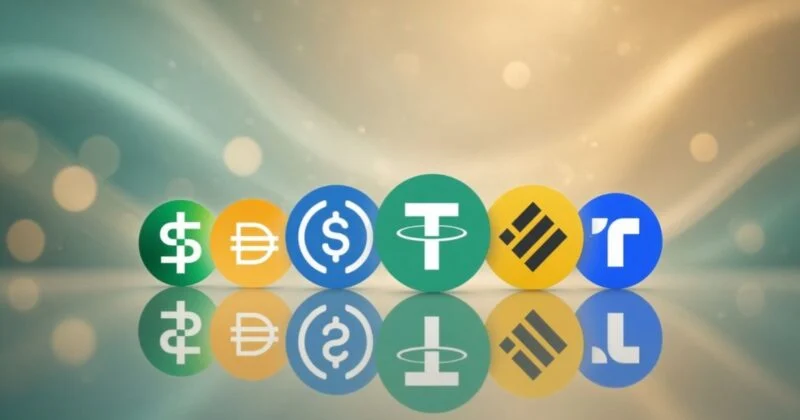
Stablecoins are a class of cryptocurrencies designed to maintain a stable value relative to a specific asset or basket of assets. The most common type is pegged to fiat currencies, such as the US dollar, with prominent examples including Tether (USDT), USD Coin (USDC), and Binance USD (BUSD). The stability is typically achieved through various mechanisms, including holding reserves of the underlying asset, algorithmic adjustments, or a combination of both.
The appeal of stablecoins for treasury operations stems from several key characteristics:
- 24/7 Availability: Unlike traditional banking systems, which operate on weekdays during business hours, stablecoin transactions can be initiated and settled at any time, day or night, including weekends and holidays. This continuous availability is invaluable for businesses with global operations that require constant cash flow management.
- Reduced Transaction Costs: In many instances, stablecoin transfers can be more cost-effective than traditional wire transfers, particularly for cross-border transactions, which often involve multiple intermediary banks and associated fees.
- Increased Speed: Blockchain technology enables near-instantaneous settlement of transactions. This rapid finality can significantly reduce the time funds are in transit, improving working capital management and reducing counterparty risk.
- Enhanced Transparency and Auditability: Blockchain transactions are recorded on an immutable ledger, providing a high degree of transparency and auditability for all parties involved. This can simplify reconciliation processes and improve compliance efforts.
- Programmability: Stablecoins, being digital assets, can be programmed for various use cases, such as automated payments based on pre-defined conditions, which can further optimize treasury workflows.
The Challenge of Fiat Conversion: A Lingering Hurdle
Despite the inherent advantages of stablecoins, the hurdle of converting them into local fiat currencies remains a significant impediment to widespread adoption in global treasury. This process involves several stages, each with its own set of challenges:
- On-Ramping: The initial step involves converting fiat currency into stablecoins. This typically occurs through cryptocurrency exchanges or specialized stablecoin providers. The availability of fiat on-ramps and the associated fees and processing times can vary considerably by region.
- Cross-Border Transfer: Once businesses hold stablecoins, they can transfer them across borders. The speed and cost of this step are generally favorable due to blockchain technology.
- Off-Ramping: The final and often most challenging step is converting stablecoins back into local fiat currency. This requires access to reliable banking and payment partners that can facilitate these conversions at competitive exchange rates and with reasonable processing times.
The effectiveness of the off-ramping process is heavily influenced by the liquidity of the specific stablecoin in the target market and the regulatory environment surrounding cryptocurrency conversions. In regions with less developed crypto infrastructure or stricter regulations, off-ramping can be slow, expensive, or even impossible. This disparity in infrastructure across different "corridors" (i.e., pairs of originating and destination countries) is a key reason why the benefits of stablecoin adoption are not uniformly experienced.
For instance, converting US dollar-denominated stablecoins into a major fiat currency like the Euro might be relatively straightforward, with numerous liquidity providers and established banking relationships. However, converting into the currency of a smaller, less developed economy could present significant challenges, potentially negating the speed advantage of the on-chain settlement.
Industry Giants Driving Adoption
The involvement of major financial institutions like Visa, Mastercard, and Stripe is crucial in bridging this gap. These companies possess extensive networks, established banking relationships, and deep expertise in payment processing. By integrating stablecoin capabilities into their existing platforms, they are working to:
- Expand Access to Fiat Conversions: These players can leverage their relationships with banks and payment providers to facilitate more efficient and reliable fiat conversions for stablecoin transactions.
- Standardize Processes: Their involvement can lead to the standardization of stablecoin payment processes, making them more predictable and accessible for businesses.
- Reduce Counterparty Risk: By working with reputable institutions, businesses can mitigate the risks associated with dealing with less established cryptocurrency service providers.
Visa’s initiative with Visa Direct and USDC is a testament to this strategy. By enabling businesses to prefund payouts using USDC, they are creating a direct link between a widely used stablecoin and a global payments network. This not only simplifies the funding process but also opens up possibilities for more dynamic and responsive treasury management.
However, as Wooding pointed out, the ultimate success of such initiatives depends on the seamless transfer of value downstream. "If that speed carries through to recipients via dependable local-currency conversion and settlement," he remarked, "then we will see the true potential of stablecoins unlocked for global treasury."
The Broader Impact on Global Treasury
The increasing adoption of stablecoins has several far-reaching implications for global treasury operations:
- Enhanced Working Capital Management: The ability to move funds 24/7 and settle transactions rapidly can significantly improve a company’s working capital. This means that cash is not tied up unnecessarily in transit, allowing for more efficient deployment of funds for investments, operations, or debt reduction.
- Reduced Operational Costs: By bypassing some of the traditional intermediaries and fees associated with cross-border payments, companies can achieve substantial cost savings.
- Improved Risk Management: Faster settlement times reduce the exposure to currency fluctuations and counterparty risk. The transparency of blockchain transactions also aids in better internal controls and compliance.
- Greater Agility and Responsiveness: In a dynamic global market, businesses need to be agile. Stablecoins provide the tools to react quickly to market changes, seize opportunities, and manage unexpected events more effectively.
- Democratization of Financial Services: For businesses in emerging markets or those underserved by traditional banking systems, stablecoins can offer a more accessible and cost-effective way to participate in global commerce.
Future Outlook and Considerations
The trajectory of stablecoins in global treasury operations appears promising, with continued innovation and investment expected from both the crypto industry and traditional financial players. However, several factors will shape its future:
- Regulatory Clarity: As stablecoins become more integrated into mainstream finance, regulatory frameworks will continue to evolve. Clear and consistent regulations will be crucial for fostering trust and encouraging wider institutional adoption. Governments worldwide are increasingly scrutinizing stablecoins, leading to varying approaches to their oversight. For example, the European Union’s Markets in Crypto-Assets (MiCA) regulation aims to provide a comprehensive framework for crypto-assets, including stablecoins, within its member states. The US, on the other hand, is exploring various legislative proposals and executive actions to address the risks and opportunities presented by stablecoins.
- Technological Advancements: Ongoing developments in blockchain technology, including layer-2 scaling solutions and interoperability protocols, will further enhance the efficiency and reduce the costs of stablecoin transactions.
- Ecosystem Development: The continued growth of reliable fiat on-ramps and off-ramps, along with the expansion of stablecoin payment services, will be critical for overcoming existing challenges. Partnerships between crypto firms, payment processors, and traditional financial institutions will play a pivotal role.
- Security and Stability: While stablecoins are designed to be stable, the underlying mechanisms and reserve management practices remain a focus of scrutiny. Ensuring the robustness of these systems is paramount to maintaining confidence.
In conclusion, stablecoins are no longer a niche technological curiosity but a burgeoning force reshaping global treasury operations. Their ability to facilitate 24/7 capital transfers and enhance cross-border liquidity management offers significant advantages to businesses. While the speed of blockchain settlement is a foundational benefit, the true test of their widespread utility lies in the development of robust and efficient mechanisms for converting stablecoins into local currencies. As industry leaders like Visa continue to pioneer integration, and as regulatory clarity emerges, stablecoins are poised to become an indispensable tool in the modern global treasury. The journey from experimentation to commercial infrastructure is well underway, promising a more fluid, efficient, and accessible future for international finance.