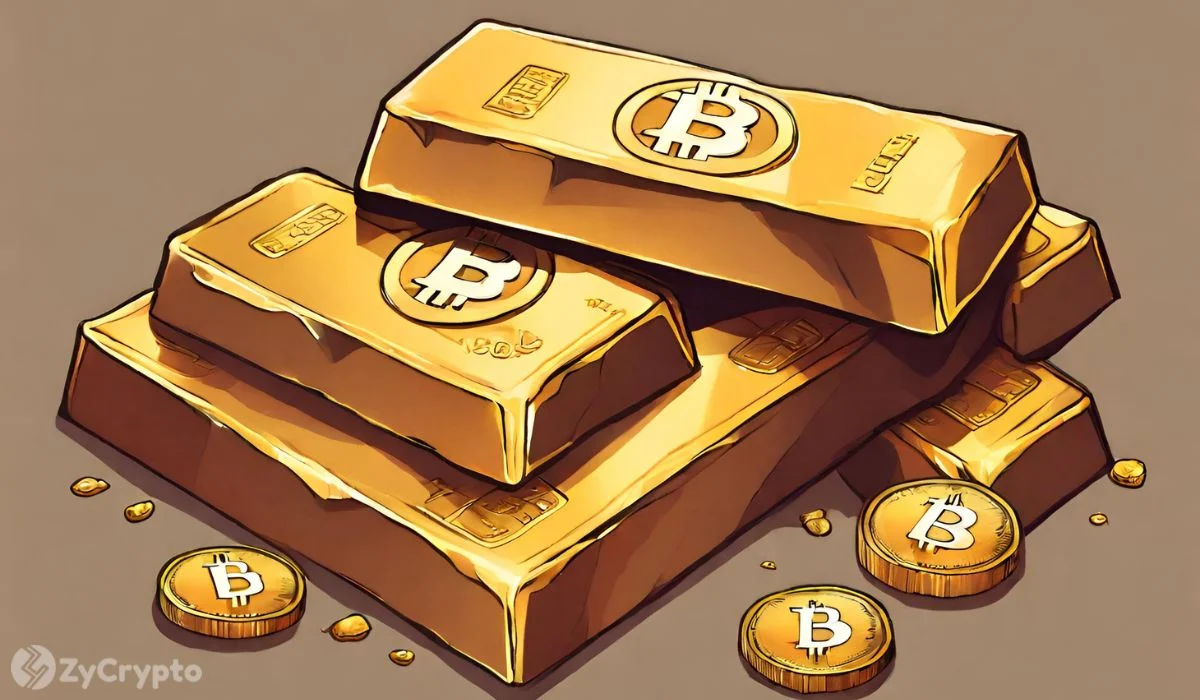
Popular cryptocurrency commentator Anthony Pompliano has identified Bitcoin, Gold, and productive land as the primary assets individuals should consider to combat inflation and preserve wealth in an increasingly uncertain economic landscape. Pompliano has repeatedly voiced concerns about the potential decline of the dollar-dominated global economy, urging consumers to protect their purchasing power by investing in assets characterized by scarcity and inherent utility.
Pompliano articulated his perspective in a recent social media post, stating, "I’m starting to think that the best way to combat inflation is to own Bitcoin, Gold, and Productive land. The dollar printer is broken. We need to find assets that can’t be created out of thin air." This concise statement encapsulates a sentiment shared by a growing segment of the investor community, particularly those who emerged in the wake of the 2008 financial crisis and have been seeking more robust wealth management strategies for over a decade. This group, often including cypherpunks and Bitcoin maximalists, advocates for investments in assets that are not subject to arbitrary monetary policy decisions.
The Rationale Behind the Trio of Assets
The selection of Bitcoin, Gold, and productive land is not arbitrary; each asset possesses distinct characteristics that contribute to its potential as an inflation hedge.
Bitcoin: As the flagship cryptocurrency, Bitcoin has garnered significant attention for its decentralized nature, fixed supply cap of 21 million coins, and growing adoption. Proponents argue that its digital scarcity and resistance to censorship make it a compelling alternative to traditional fiat currencies, which can be devalued through inflation. The narrative surrounding Bitcoin as "digital gold" highlights its potential to store value over the long term, mirroring some of the historical appeal of precious metals.
Gold: Gold has been recognized as a store of value for millennia, a tangible asset that has historically maintained its purchasing power through periods of economic instability and inflation. Its intrinsic value, limited supply, and global recognition as a safe-haven asset have cemented its position in many investment portfolios. While it doesn’t generate yield, its ability to act as a hedge against currency devaluation remains a primary driver of its appeal.
Productive Land: In an era marked by increasing concerns about food security and supply chain disruptions, productive land has emerged as a critical asset. Its inherent utility in producing food, timber, or other essential resources provides a fundamental value proposition. Unlike financial assets, land is a tangible resource that can generate ongoing income and is less susceptible to the abstract manipulations of monetary policy. Furthermore, its scarcity, particularly in arable forms, adds to its long-term value.
The Broader Economic Context and Historical Precedents
Pompliano’s pronouncements arrive at a critical juncture for the global economy. The aftermath of the COVID-19 pandemic has seen widespread fiscal stimulus measures and significant increases in national debt across many developed nations. These actions, intended to mitigate economic downturns, have fueled concerns about inflationary pressures. Central banks worldwide have engaged in extensive quantitative easing, effectively increasing the money supply, which can dilute the value of existing currency.
The term "money printer" is often used satirically to criticize central banks for their expansive monetary policies. The historical precedent for such policies leading to inflation is well-documented. For instance, the hyperinflation experienced by countries like Zimbabwe in the late 2000s or Venezuela in recent years serves as stark reminders of the potential consequences of unchecked currency printing. While the current economic climate in developed nations is not analogous to these extreme cases, the underlying principle of increased money supply potentially leading to reduced purchasing power remains a valid concern for investors.
The post-2008 financial crisis era witnessed a surge in interest in alternative assets, as trust in traditional financial institutions and the stability of fiat currencies wavered. This period saw the emergence of Bitcoin and a renewed appreciation for gold as hedges against systemic risk. The current global economic landscape, characterized by geopolitical tensions, supply chain fragilities, and persistent inflation, has amplified these concerns, bringing assets like Bitcoin, Gold, and productive land back into sharp focus.
Market Reactions and Investor Sentiment
The reactions to Pompliano’s statement on social media platforms were varied, reflecting the diverse perspectives within the investment community. A significant portion of his followers expressed agreement, acknowledging the historical resilience and potential for growth of these three asset classes. Many cited their own experiences and observations of inflation eroding their savings, reinforcing the need for tangible and scarce assets.
However, some critics pointed out the practical challenges associated with holding and benefiting from each of these assets. For gold, concerns were raised about the costs and risks associated with physical custody, as well as the lack of yield generation. For Bitcoin, while its potential for appreciation is acknowledged, its inherent volatility remains a significant consideration for many investors. Furthermore, the technical knowledge required for secure self-custody can be a barrier for some. Productive land, while offering tangible utility, presents its own set of challenges, including significant capital investment, ongoing management responsibilities, liquidity constraints, and susceptibility to local economic and environmental factors.

Analysis of Implications: A Shift in Reserve Asset Thinking?
Pompliano’s assertion, particularly his emphasis on Bitcoin alongside Gold, signals a potential shift in how sovereign nations might perceive reserve assets in the future. Historically, gold has been the predominant reserve asset held by central banks, providing a tangible and universally recognized store of value. However, the digital revolution and the rise of decentralized finance have introduced new possibilities.
The growing institutional adoption of Bitcoin, evident in the approval of spot Bitcoin ETFs in the United States, suggests an increasing recognition of its potential as a legitimate asset class. While it is a far cry from replacing gold as the primary reserve asset for major economies, the inclusion of Bitcoin in discussions about inflation hedging at the sovereign level is a significant development.
Fred Thiel, CEO of Marathon Digital Holdings, a prominent Bitcoin mining company, has also publicly stated his belief that more sovereign nations will prioritize Bitcoin over gold as a reserve asset in the future. Thiel’s perspective is rooted in the perceived advantages of Bitcoin’s digital nature, its potential for divisibility, and its established scarcity. He argues that as nations seek to diversify their reserves beyond traditional assets, Bitcoin’s unique properties make it an increasingly attractive option, especially for countries looking to hedge against currency devaluation and gain financial sovereignty.
The implications of such a shift would be profound. If sovereign nations begin to allocate significant portions of their reserves to Bitcoin, it could lead to increased price stability and broader adoption of the cryptocurrency. It would also signal a greater acceptance of digital assets within the global financial architecture. However, this transition is likely to be gradual and subject to considerable regulatory scrutiny and market volatility.
The Enduring Appeal of Scarce Assets
Despite the challenges associated with each asset, the underlying rationale for considering Bitcoin, Gold, and productive land remains compelling. The fundamental principle is to move away from assets whose value is subject to the arbitrary decisions of central authorities and towards those with inherent scarcity and utility.
In an economic environment characterized by high inflation, geopolitical instability, and evolving technological landscapes, the pursuit of robust wealth preservation strategies is paramount. While the path to investing in and benefiting from Bitcoin, Gold, and productive land may require different approaches and risk tolerances, their enduring appeal lies in their potential to act as bulwarks against the erosion of purchasing power in an increasingly uncertain global economy. The ongoing debate and exploration of these assets underscore a fundamental rethinking of what constitutes a reliable store of value in the 21st century.