An experienced cryptocurrency trader, operating under the pseudonym @ika_xbt, has lost their entire digital asset portfolio, valued at over $400,000, after falling victim to a sophisticated phishing attack. The scam, which surfaced on May 26th, leveraged sponsored advertisements on Google to mimic the legitimate Uniswap decentralized exchange (DEX) website, ultimately leading the unsuspecting trader to unwittingly drain their funds. This incident underscores a recurring and increasingly dangerous tactic within the cryptocurrency space, exploiting user trust in search engine results and the inherent irreversibility of blockchain transactions.
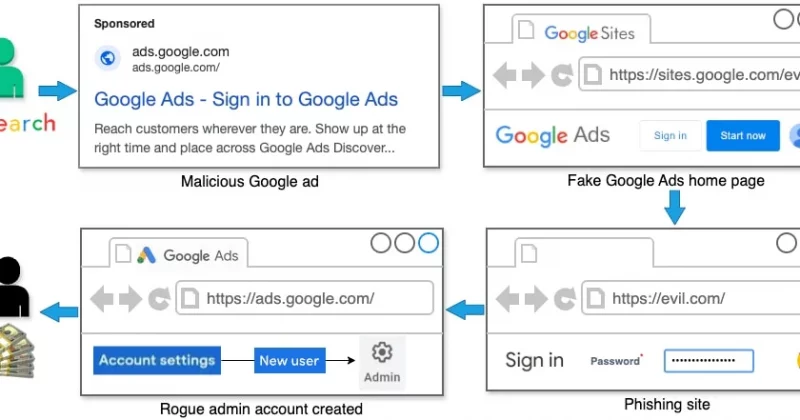
The malicious campaign involved the creation of near-identical replicas of the Uniswap interface, strategically promoted through Google Search ads. When users searched for "Uniswap," the fraudulent advertisement appeared prominently above the genuine organic listing. This deceptive placement, combined with the visually indistinguishable clone website, proved effective in luring victims. Investigations have since identified two cryptocurrency wallets linked to the attackers, which collectively hold approximately 146 Ether (ETH), equivalent to roughly $306,000 at the time of discovery, with the total stolen funds from this specific campaign exceeding $400,000.
The Mechanics of the Deceptive Scheme
The modus operandi of this phishing campaign is alarmingly straightforward yet highly effective. Attackers meticulously purchase sponsored ad placements on Google, targeting popular cryptocurrency-related keywords such as "Uniswap." When users, seeking to access the popular decentralized exchange, enter these search terms, the fraudulent ad is presented as a top result. The cloned website is designed to be a near-perfect replica of the real Uniswap interface, including logos, branding, and user experience elements, making it exceedingly difficult for even experienced users to discern the deception.
The critical point of compromise occurs when a user, believing they are interacting with the legitimate platform, connects their cryptocurrency wallet to the fake site and subsequently approves a transaction. This seemingly innocuous action triggers the malicious smart contract embedded within the phishing site. Once authorized, the contract is designed to systematically drain all accessible assets from the connected wallet. The inherent nature of blockchain technology, characterized by its immutability and decentralization, means that once a transaction is confirmed and recorded on the ledger, it cannot be reversed. Unlike traditional financial systems, there is no central authority, customer service department, or chargeback mechanism to recourse to. The "undo button" simply does not exist in the world of decentralized finance.
In the case of @ika_xbt, a single, seemingly innocuous approval was sufficient to liquidate their entire portfolio. It is crucial to note that this attack did not exploit any vulnerabilities within Uniswap’s smart contracts or its underlying infrastructure. The protocol itself remained secure and uncompromised. Instead, the scam’s efficacy lies in its exploitation of human trust in established platforms like Google’s search results and the user’s assumption of legitimacy for the top-ranking advertisement.
A Troubling and Persistent Pattern
The Security Alliance, known as SEAL, has been actively monitoring and documenting a significant escalation in Google Search phishing campaigns targeting various cryptocurrency protocols. This trend has been observed since March 2026, indicating a consistent and evolving strategy by malicious actors. The playbook remains remarkably consistent: acquire sponsored ad space, meticulously clone a trusted decentralized finance (DeFi) interface, and patiently await unsuspecting users to connect their wallets and authorize transactions.
This is not an isolated incident. Phishing attacks perpetrated through Google sponsored ads have resulted in substantial six-figure losses as recently as February 2026. Prior to that, in July 2025, a strikingly similar scheme led to the theft of approximately $1.2 million in digital assets. These recurring incidents highlight a systemic vulnerability that persists despite repeated warnings and media attention.
Hayden Adams, the founder of Uniswap, has been a vocal critic of this ongoing problem. He has publicly condemned search platforms, including Google, for their perceived lack of decisive action against fraudulent advertisements that actively harm users. Adams’ frustration is a sentiment echoed by many within the cryptocurrency community, particularly after earlier incidents where similar phishing schemes have caused significant financial damage. The repeated nature of these attacks suggests a disconnect between the platforms that host these advertisements and the enforcement mechanisms necessary to prevent such widespread exploitation.
Implications for Cryptocurrency Investors
The recurring nature of these sophisticated phishing attacks necessitates a heightened level of vigilance and proactive security measures from cryptocurrency investors. The most effective and cost-efficient defense against this specific type of threat is remarkably simple: bookmark the official URLs of all DeFi protocols you regularly use. This practice takes mere seconds to implement and eliminates the risk of accidentally navigating to a fraudulent website through a search engine. By directly accessing the saved bookmark, users bypass the search results entirely, rendering the phishing ads irrelevant.
For users employing hardware wallets, there is a partial but significant layer of protection. Many reputable hardware wallets necessitate explicit on-device confirmation of transaction details before they are broadcast to the blockchain. This provides a crucial final checkpoint, allowing users to carefully review the specifics of any proposed transaction, including the recipient address and the amount being transferred, before authorizing it. However, even this robust security measure is not entirely foolproof. It hinges on the user’s diligence in meticulously examining the information presented on the hardware wallet’s screen. A hasty or inattentive user could still inadvertently approve a malicious transaction if they do not carefully scrutinize the details.
The inherent irreversibility of blockchain transactions, often touted as a cornerstone of its security and decentralization, becomes its most significant liability in these instances. Traditional financial systems have developed extensive safeguards, including fraud protection, chargeback capabilities, and insurance mechanisms, precisely because human error and malicious intent are realities that must be addressed. These protections are in place to mitigate the impact of mistakes or fraudulent activities. The design principles of DeFi, while offering immense benefits in terms of autonomy and efficiency, intentionally eschew these traditional safety nets. This absence leaves users solely responsible for their security, making education and diligent practice paramount in navigating the digital asset landscape safely.
A Call for Enhanced Platform Accountability
The continued success of these phishing campaigns raises critical questions about the responsibilities of search engines and advertising platforms. While these platforms operate on the principle of providing information and facilitating access, their role in the dissemination of fraudulent advertisements carries significant ethical and practical implications. The ability of malicious actors to consistently leverage sponsored ad placements to target unsuspecting users suggests a need for more robust vetting processes and proactive detection mechanisms.
Industry analysts point to the sheer volume of advertisements processed by platforms like Google, making manual review of every single ad practically impossible. However, advancements in artificial intelligence and machine learning offer sophisticated tools for identifying patterns indicative of fraudulent activity, including the cloning of well-known websites and the targeting of specific keywords associated with high-value transactions. The economic incentive for platforms to act decisively is also a factor; the erosion of user trust due to repeated exposure to scams can ultimately diminish their platform’s value.
Uniswap founder Hayden Adams’ public criticisms highlight a growing demand for greater accountability from these technology giants. While these platforms may not be directly responsible for the actions of the scammers, their role in providing the infrastructure for these attacks is undeniable. The future security of the DeFi ecosystem may depend, in part, on the willingness of these major tech companies to implement more stringent safeguards and collaborate more effectively with cryptocurrency projects and security firms to identify and remove fraudulent content.
Broader Implications for the Crypto Ecosystem
The incident involving @ika_xbt and the persistent threat of Google Search phishing campaigns have broader implications for the entire cryptocurrency ecosystem. Firstly, they underscore the ongoing challenge of user education in a rapidly evolving technological landscape. As DeFi adoption grows, a significant influx of new users, potentially less familiar with the intricacies of digital asset security, are entering the space. This demographic is particularly vulnerable to sophisticated social engineering tactics.
Secondly, these attacks highlight the critical need for ongoing development and adoption of advanced security tools and best practices within the crypto community. Beyond bookmarking URLs and using hardware wallets, developers and platforms are exploring solutions such as multi-signature wallets, advanced transaction verification protocols, and decentralized identity solutions to further enhance user protection.
Finally, the repeated nature of these scams, despite significant financial losses, suggests a need for a more coordinated and proactive approach to cybersecurity within the cryptocurrency industry. Collaboration between DeFi protocols, security researchers, law enforcement agencies, and advertising platforms is essential to disrupt these operations and bring perpetrators to justice. The continued vulnerability to such attacks risks undermining public confidence in the security and legitimacy of decentralized finance, potentially hindering its long-term growth and mainstream adoption. The $400,000 loss suffered by @ika_xbt serves as a stark reminder that in the decentralized world, vigilance and due diligence are not merely recommended; they are indispensable for survival.