


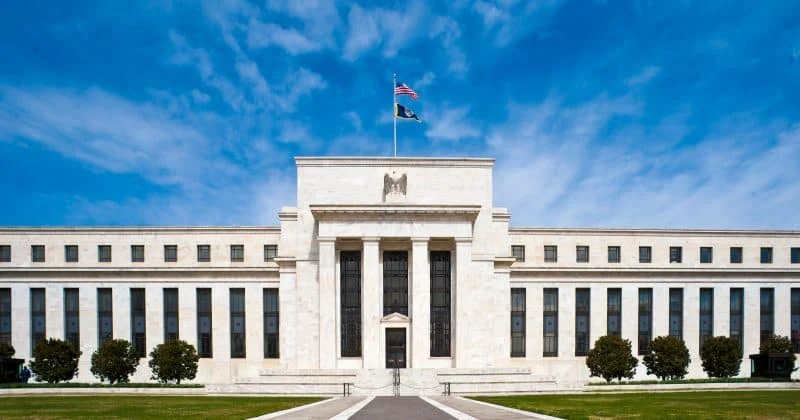
The Federal Reserve, in a coordinated effort with the Financial Crimes Enforcement Network (FinCEN) and the Office of the Comptroller of the Currency (OCC), has formally introduced a proposal that would require certain payment stablecoin issuers to implement rigorous customer identification programs (CIP). This regulatory move, announced on Thursday, represents a significant escalation in the federal government’s oversight of the digital asset sector, aiming to bring the burgeoning stablecoin market into closer alignment with the compliance standards long required of traditional financial institutions like banks and credit unions. The proposal is designed to fulfill key mandates of the Guiding and Establishing National Innovation for US Stablecoins (GENIUS) Act, a legislative framework intended to provide a clear regulatory pathway for dollar-pegged digital assets while safeguarding the integrity of the American financial system.
The core of the proposal centers on the requirement for Permitted Payment Stablecoin Issuers (PPSIs) to maintain effective, risk-based procedures for verifying the identities of their customers. Under the proposed rules, these issuers would be obligated to collect and verify specific identifying information—including names, dates of birth, addresses, and identification numbers—before opening accounts or facilitating transactions for users. This initiative is part of a broader strategy by the Department of the Treasury and independent regulators to mitigate the risks of money laundering, terrorist financing, and other forms of illicit finance that have increasingly sought to exploit the relative anonymity and speed of blockchain-based value transfers.
The Regulatory Framework of the GENIUS Act
The introduction of this proposal marks a pivotal moment in the implementation of the GENIUS Act. For several years, US lawmakers and regulators have debated how to categorize and oversee stablecoins—digital assets designed to maintain a stable value relative to a reference asset, typically the US dollar. The GENIUS Act was conceived as a bipartisan response to the rapid growth of the stablecoin market, which has expanded from a niche tool for cryptocurrency traders into a multi-billion-dollar infrastructure for global payments and decentralized finance (DeFi).
By focusing on "Permitted Payment Stablecoin Issuers," the regulators are targeting the entities that bridge the gap between traditional fiat currency and digital ledgers. These issuers are the primary gatekeepers of the ecosystem, responsible for minting new tokens when fiat is deposited and redeeming tokens when users wish to exit the digital ecosystem. By mandating CIP requirements at this entry and exit point, the Federal Reserve and its partner agencies aim to create a "digital perimeter" that prevents bad actors from entering the regulated financial system through the back door of digital assets.
Addressing the Risks of Illicit Finance
The push for enhanced identification programs is driven by documented concerns regarding the use of stablecoins in criminal activity. According to data from various blockchain analytics firms, stablecoins have become the preferred medium for illicit transactions within the crypto space, surpassing Bitcoin in total volume of illicit transfers. This shift is attributed to the price stability of stablecoins, which makes them more practical for money laundering and the purchase of illegal goods than highly volatile assets.
Federal Reserve Governor Michael Barr, a leading voice on the Fed’s Board regarding bank supervision, emphasized that while the proposal is a necessary step, it does not solve all the challenges inherent in the sector. Barr noted that the primary goal of the proposal is to ensure that stablecoin issuers operate with the same level of transparency and accountability as commercial banks. "This proposal is an important step in addressing money laundering and illicit finance risks in the stablecoin ecosystem," Barr stated in a release accompanying the proposal. However, he also voiced a significant caveat regarding the limits of current regulatory reach, particularly concerning what happens after a stablecoin is issued.
The Challenge of Secondary Market Transactions
One of the most complex hurdles identified by Governor Barr and other regulators is the oversight of secondary market activity. While the new proposal would require issuers to identify their direct customers, stablecoins are often traded on secondary markets, peer-to-peer platforms, or through decentralized protocols where the issuer has little to no direct visibility into the parties involved in the transaction.
"I remain concerned, however, that the GENIUS Act regulatory framework does not do enough so far to address the risks of illicit finance conducted through secondary market transactions in payment stablecoins," Barr cautioned. He pointed out that while many centralized digital asset service providers are subject to Anti-Money Laundering (AML) and Counter-Terrorist Financing (CTF) requirements in their home jurisdictions, the global and decentralized nature of blockchain technology allows bad actors to bypass these restrictions. By utilizing non-custodial wallets or operating in jurisdictions with lax oversight, individuals can move stablecoins across borders without triggering the identification checks that the Fed is now proposing for primary issuers.
This "regulatory gap" remains a point of contention between the industry and the government. Barr indicated that he is specifically seeking public input on whether identification requirements should be expanded beyond the initial issuers to cover a broader range of participants in the stablecoin lifecycle. This could potentially include requirements for wallet providers or decentralized platforms to implement similar "Know Your Customer" (KYC) protocols, a move that would likely face significant pushback from privacy advocates and the decentralized technology community.
Contextualizing the Stablecoin Market Growth
The urgency of this proposal is underscored by the sheer scale of the stablecoin market. As of mid-2024, the total market capitalization of stablecoins exceeds $160 billion, with Tether (USDT) and USD Coin (USDC) accounting for the vast majority of that value. These assets facilitate hundreds of billions of dollars in monthly transaction volume. The Federal Reserve views the integration of these assets into the mainstream economy as both an opportunity for faster, cheaper payments and a systemic risk if left unregulated.
The timeline of stablecoin regulation in the US has been a series of reactive measures following market shocks. The 2022 collapse of the Terra-Luna ecosystem, which saw an algorithmic stablecoin lose its peg and wipe out tens of billions of dollars in investor wealth, served as a catalyst for the GENIUS Act and subsequent regulatory maneuvers. Since then, the Federal Reserve has been working to ensure that any stablecoin used as a widespread means of payment is backed 1:1 by high-quality, liquid assets and is subject to the same rigorous oversight as traditional deposits.
Comparative Global Standards
The US proposal arrives as other major economies are also tightening their grip on the digital asset sector. The European Union’s Markets in Crypto-Assets (MiCA) regulation, which began phased implementation in 2024, sets out comprehensive rules for stablecoin issuers, including strict reserve requirements and mandatory registration with national regulators. Similarly, jurisdictions like Singapore and Hong Kong have introduced licensing frameworks that emphasize investor protection and AML compliance.
By introducing these CIP requirements, the US is attempting to harmonize its domestic policy with international standards set by the Financial Action Task Force (FATF). The FATF has long advocated for the "Travel Rule," which requires financial institutions to share information about the originators and beneficiaries of digital asset transfers. The Fed’s proposal for PPSIs is a domestic application of these global principles, aimed at ensuring the US dollar-linked digital economy does not become a safe haven for global financial crime.
Industry Implications and Operational Impact
For stablecoin issuers, the transition to a mandatory CIP framework will involve significant operational adjustments. Many major US-based issuers, such as Circle (the issuer of USDC) and Paxos, already maintain robust KYC and AML programs in anticipation of federal oversight. However, for newer entrants or those operating under different state-level licenses, the new federal mandate will require increased investment in compliance infrastructure, including sophisticated identity verification software and enhanced monitoring tools to detect suspicious activity.
The proposal also raises questions about the "permissionless" nature of blockchain technology. If issuers are required to verify all account holders, it may necessitate the use of "allowlists" or "blacklists" at the smart contract level to prevent unverified addresses from holding or transferring the tokens. While this provides a high degree of control for regulators, it fundamentally alters the value proposition of a public blockchain, potentially shifting stablecoins toward a "private ledger" model controlled by central authorities.
Public Comment and Next Steps
The Federal Reserve and its fellow agencies have emphasized that the proposal is not yet a final rule. A 60-day public comment period will commence following the proposal’s publication in the Federal Register. This window allows industry stakeholders, privacy groups, and the general public to submit feedback on the feasibility and scope of the requirements.
Regulators are particularly interested in hearing about the technical challenges of implementing CIP in a decentralized environment and the potential impact on financial inclusion. Proponents of stablecoins often argue that they provide essential financial services to the unbanked; however, strict identification requirements could inadvertently create barriers for individuals who lack traditional forms of government-issued ID.
Following the comment period, the agencies will review the feedback and determine whether to modify the proposal before issuing a final rule. Governor Barr’s comments suggest that the final version of the regulation could be even more expansive if the public and legislative input indicates that the current framework is insufficient to tackle the "secondary market" loophole.
Conclusion and Strategic Outlook
The Federal Reserve’s proposal marks a definitive end to the era of regulatory ambiguity for stablecoin issuers in the United States. By framing stablecoins as a core component of the national payment system, the Fed is asserting its role as the primary arbiter of digital dollar stability and security. The move signals to the market that while innovation is encouraged, it will not be permitted to bypass the foundational principles of the Bank Secrecy Act.
As the 60-day window for feedback begins, the financial world will be watching closely to see how the balance between innovation and regulation is struck. The outcome will likely determine the future trajectory of the US digital asset market and whether the US dollar can maintain its status as the world’s primary reserve currency in a digitized, blockchain-based global economy. For now, the message from the Federal Reserve is clear: the digital frontier is being brought under the rule of law, and the anonymity of the stablecoin sector is rapidly coming to an end.














