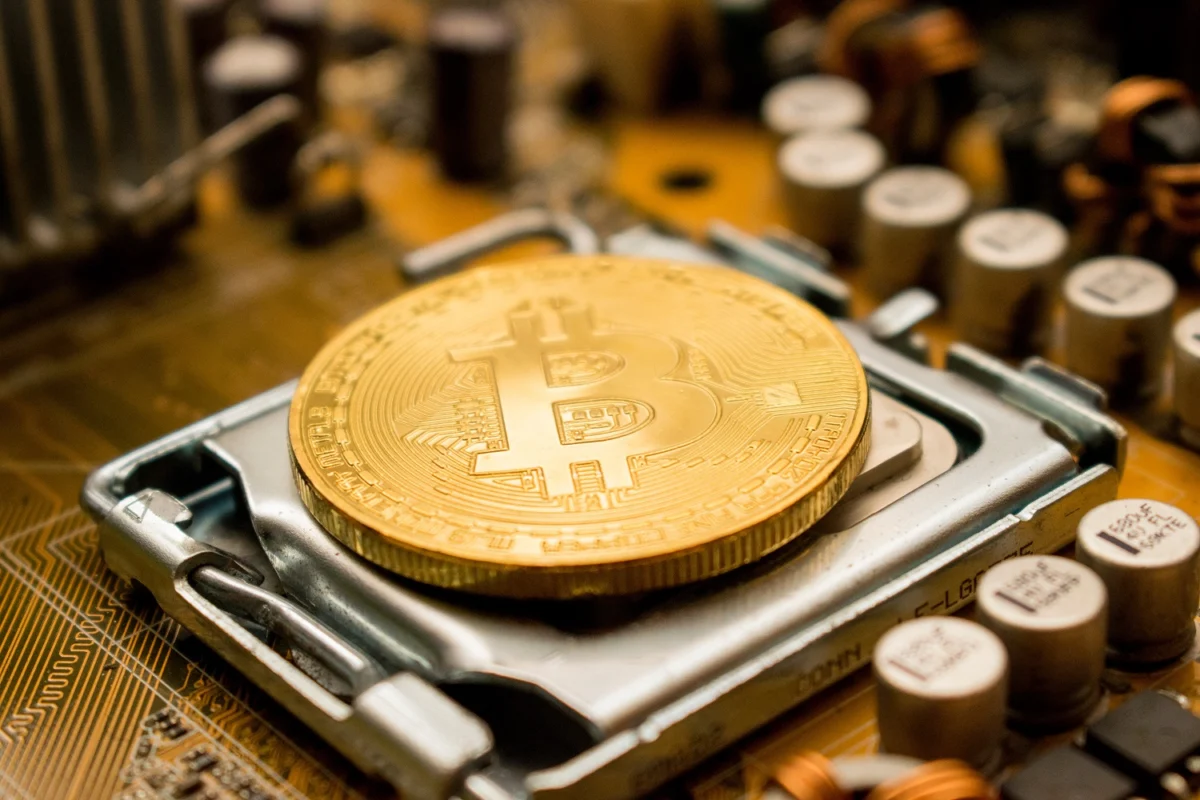
The Russian Association of Crypto Industry and Blockchain (RACIB) has officially launched a strategic initiative designed to transform the Russian Federation into a primary destination for international Bitcoin mining operations. This move comes as the global cryptocurrency landscape undergoes a seismic shift, primarily driven by the exodus of mining enterprises from China. By leveraging its vast energy reserves, favorable climatic conditions, and specialized infrastructure, Russia is making a calculated bid to capture a significant share of the global hash rate, which has been in flux following a series of regulatory crackdowns in East Asia.
The RACIB project is not merely an invitation but a structured effort to create "specialized clusters" across the country. These clusters are intended to support the infrastructure of the global digital economy while providing a stable, regulated environment for foreign investors. The association’s proposal highlights Russia’s unique positioning as a top-five global producer of electricity, suggesting that the nation can offer the scale and reliability that large-scale industrial miners require to maintain profitability in an increasingly competitive market.
The Great Migration: Contextualizing the Shift from China
To understand the significance of the RACIB initiative, one must look at the timeline of events that led to this moment. For years, China was the undisputed center of the Bitcoin mining universe, at one point controlling over 65% to 75% of the total global hash rate. This dominance was built on the back of seasonal hydroelectric power in provinces like Sichuan and cheap coal-based energy in Xinjiang and Inner Mongolia.
However, the tide turned in early 2021 when Chinese authorities intensified their scrutiny of the sector. Citing environmental concerns and risks to financial stability, the State Council of the People’s Republic of China announced a series of bans that effectively dismantled the domestic mining industry. By mid-2021, provinces such as Anhui and Qinghai had joined the crackdown, forcing miners to liquidate their hardware or seek refuge in foreign jurisdictions.
This "Great Migration" initially saw a massive influx of mining capacity into North America and neighboring Kazakhstan. However, as these regions face their own challenges—ranging from grid instability in Texas to regulatory uncertainty and energy shortages in Kazakhstan—Russia has emerged as a formidable alternative. The RACIB initiative is a direct response to this vacuum, seeking to institutionalize the migration process and offer a permanent home for the world’s digital gold miners.
Russia’s Competitive Advantages: Energy and Climate
The primary overhead for any Bitcoin mining operation is the cost of electricity. In this regard, Russia holds a significant advantage over many of its Western peers. The nation possesses a massive surplus of energy production capacity, a byproduct of the industrial-scale infrastructure developed during the Soviet era that currently exceeds domestic demand. In some Siberian regions, this surplus can reach as high as 50%, providing a massive reservoir of untapped power that can be redirected to data centers and mining farms without straining the local grid.
Beyond the sheer volume of power, the environmental conditions in Russia are uniquely suited for high-density computing. Bitcoin mining rigs, particularly Application-Specific Integrated Circuits (ASICs), generate immense amounts of heat. In warmer climates, operators must invest heavily in industrial cooling systems, which can account for up to 30% of total operational costs. In Russia’s northern and Siberian territories, the naturally cold climate provides "free" ambient cooling for much of the year. This geographical advantage significantly lowers the barrier to entry for large-scale operations and improves the overall "green" profile of the mining process by reducing the energy required for thermal management.
The Green Transition: Nuclear and Hydroelectric Power
As the global conversation around Bitcoin increasingly focuses on Environmental, Social, and Governance (ESG) criteria, the source of energy used for mining has become a critical factor for institutional investors. RACIB has been quick to point out that Russia’s energy mix is more eco-friendly than it is often credited for. Approximately 40% of the nation’s power is generated from low-carbon sources, including nuclear and hydroelectric plants.
State-owned entities like Rosatom (nuclear) and RusHydro have historically expressed interest in leasing space near their facilities to data centers. By co-locating mining farms with nuclear power plants, miners can access a steady, "base-load" supply of carbon-free energy. This makes Russia an attractive destination for companies that need to meet strict sustainability mandates while maintaining 24/7 operations. The RACIB project aims to formalize these partnerships, creating "green mining zones" that align with global trends toward decarbonization.
The Geopolitical Race for Hash Rate
The announcement by RACIB comes at a time of intense regional competition. For a brief period, Kazakhstan surged ahead of Russia in terms of global mining volume, securing the third-place spot behind the United States and China (prior to the latter’s total blackout). However, Kazakhstan’s rapid ascent led to unforeseen pressure on its national power grid, resulting in temporary outages and the introduction of new taxes on crypto miners.
Russia, currently ranked fourth in global mining capacity, views this as an opportunity to reclaim its standing. Unlike some of its neighbors, Russia’s energy infrastructure is remarkably robust and capable of absorbing the high-load demands of mining clusters. By offering a more stable regulatory and infrastructural framework, RACIB hopes to attract the "tier-one" mining firms that are currently looking for long-term stability rather than just the lowest possible price per kilowatt-hour.
Regulatory Evolution and Economic Implications
The legal status of cryptocurrency in Russia has historically been a subject of intense debate between the Ministry of Finance and the Central Bank. However, the tone has shifted toward a more pragmatic approach centered on regulation and taxation rather than outright prohibition. The "Law on Digital Financial Assets," which came into effect in early 2021, provided a foundational legal framework, though specific nuances regarding mining remain under refinement.
RACIB’s initiative suggests a growing consensus within the Russian business and political elite that Bitcoin mining can be a significant driver of economic growth. By attracting foreign investment into the energy complex, the government can monetize excess power, generate tax revenue from mining profits, and stimulate the development of high-tech infrastructure in remote regions. Furthermore, the influx of mining hardware has a secondary effect on the domestic market. As seen in the recent price drops of Nvidia RTX 3060 GPUs and other hardware, the global reshuffling of equipment is making high-performance computing more accessible within the country, potentially fostering a broader ecosystem of digital innovation.

Technical Infrastructure and Low Population Density
Another factor cited by RACIB is Russia’s low population density in its most energy-rich regions. Setting up a mining operation that requires hundreds of megawatts of power is often difficult in densely populated areas due to noise complaints, zoning laws, and grid congestion. In contrast, the vast expanses of the Russian interior allow for the construction of massive, isolated data centers that can operate at scale without interfering with residential life.
These "mining clusters" are envisioned as more than just rows of servers. RACIB’s plan includes the development of supporting infrastructure, including high-speed internet connectivity, repair facilities for mining rigs, and specialized logistics hubs. This holistic approach is designed to reduce the operational friction that often plagues miners when they move into a new jurisdiction.
Market Sentiment and the Price of Bitcoin
The RACIB announcement arrives during a period of consolidation for the Bitcoin market. At the time of the initiative’s unveiling, Bitcoin (BTC) has been trading in a volatile range, recently floating around the $30,700 mark. The asset has faced downward pressure, losing approximately 7% of its value over a one-week period and nearly 14% over a month.
Market analysts note that Bitcoin has struggled to break out of the $30,000 to $35,000 corridor. This price action is closely tied to the "hash rate recovery" following the China ban. As miners go offline to move their equipment, the total processing power of the Bitcoin network dips, which can lead to temporary uncertainty in the market. However, as initiatives like RACIB’s bring that capacity back online in more stable jurisdictions, the network’s fundamental security strengthens.
The relocation of mining hardware to Russia is expected to contribute to a more decentralized and resilient Bitcoin network. By distributing the hash rate across a wider geographic and political spectrum, the network becomes less vulnerable to the regulatory whims of any single nation. For investors, this geographical diversification is a long-term bullish signal, even if short-term price action remains stagnant.
Conclusion: Russia as a Digital Frontier
The project launched by the Russian Association of Crypto Industry and Blockchain represents a pivotal moment in the evolution of the digital asset industry. By systematically addressing the needs of displaced miners—energy, cooling, legality, and infrastructure—Russia is positioning itself not just as a participant in the crypto economy, but as one of its primary pillars.
As the industry matures, the "Wild West" era of mining is being replaced by institutional-grade operations that demand the kind of scale only a few nations can provide. Russia’s combination of surplus nuclear and hydro power, its vast and cold northern territories, and a burgeoning regulatory framework makes it a natural successor to the mining hubs of the past. Whether Russia will successfully overtake its competitors to become the world’s leading mining destination remains to be seen, but the RACIB initiative ensures that the nation will be a central player in the future of the global digital economy. The success of this project could fundamentally alter the geopolitics of Bitcoin, shifting the balance of power in the financial technology sector for decades to come.