


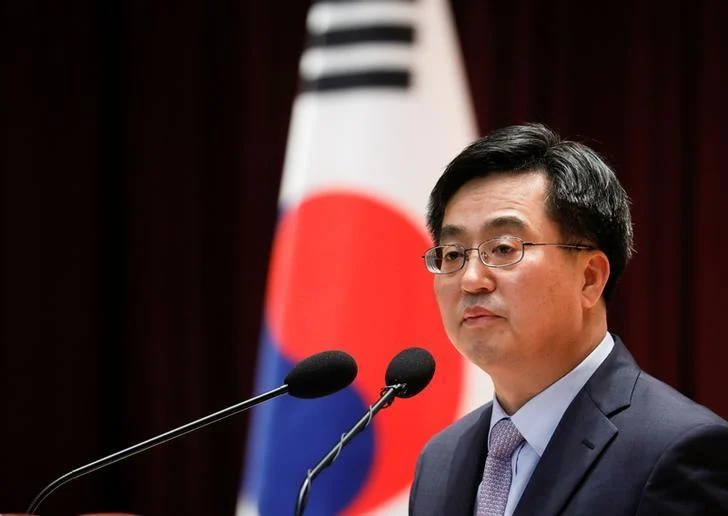
The South Korean government is reportedly preparing to lift its comprehensive ban on Initial Coin Offerings (ICOs), signaling a significant shift in the nation’s regulatory posture toward the digital asset industry. According to reports emerging from the region, including detailed coverage by The Korea Times, financial authorities have entered into high-level discussions with the country’s tax agency, the Ministry of Justice, and other relevant governmental departments. These deliberations aim to establish a framework that would allow ICOs to be conducted within the country, provided they adhere to a set of stringent regulatory conditions. This potential policy reversal marks a dramatic departure from the hardline stance adopted by Seoul in late 2017, suggesting that the administration is moving toward a more nuanced, "crypto-friendly" ecosystem that balances innovation with investor protection.
The Genesis of the Ban: A Look Back at 2017
To understand the magnitude of this shift, one must look at the climate of the South Korean cryptocurrency market in late 2017. During this period, South Korea emerged as one of the world’s most active hubs for digital asset trading, often accounting for a disproportionate share of global Bitcoin and Ethereum volume. This fervor led to the phenomenon known as the "Kimchi Premium," where cryptocurrencies traded at significantly higher prices on South Korean exchanges compared to international markets due to intense local demand and capital controls.
Concerns over market overheating, rampant speculation, and the potential for financial crimes led the Financial Services Commission (FSC) to issue an outright ban on all forms of ICOs in September 2017. At the time, the regulator argued that ICOs increased the risk of fraud and violated the Capital Markets Act. This was followed by aggressive rhetoric from high-ranking officials, including the Justice Minister, who at one point suggested the possibility of closing down domestic cryptocurrency exchanges entirely. These statements, combined with high-profile security breaches—such as the hacking of the Coincheck exchange in neighboring Japan and several smaller South Korean platforms—contributed to a period of extreme volatility that saw Bitcoin prices plummet from their late 2017 peaks, dragging the broader altcoin market down with them.
A Measured Transition Toward Legitimacy
As 2018 progressed, the initial hostility from the South Korean government began to thaw. While the ban remained technically in place, the rhetoric from the Blue House and financial regulators became increasingly measured. The current movement to lift the ICO ban is viewed by industry analysts as an admission that a total prohibition is neither sustainable nor conducive to the country’s goal of leading the "Fourth Industrial Revolution."
A source familiar with the matter, speaking on the condition of anonymity, indicated that the government is seeking a middle ground. The plan involves allowing ICOs to operate under a "conditional" basis. This would likely involve mandatory registration with the FSC, adherence to strict transparency standards, and the implementation of robust investor protection mechanisms. Kang Young-soo, a senior official overseeing cryptocurrency trading policies at the FSC, recently addressed these rumors at an industry forum held at the National Assembly. While Kang noted that there is no "official" government policy change to announce yet, he acknowledged that the FSC is reviewing third-party views and that projects not expressly identified as illegal are being viewed through a different lens than they were six months ago.
The Regulatory Framework: AML, KYC, and the Real-Name System
Despite the potential softening of the ICO ban, the South Korean government has no intention of relaxing its oversight regarding financial integrity. The Anti-Money Laundering (AML) and Know Your Customer (KYC) protocols adopted in early 2018 remain the cornerstone of the nation’s regulatory strategy.
In January 2018, South Korea implemented a "real-name verification" system for cryptocurrency trading. This system requires that the name on a user’s exchange account match the name on their bank account, effectively ending anonymous trading. Furthermore, the government has maintained a strict prohibition on foreign nationals and minors participating in the domestic crypto market. These measures were designed to curb capital flight and prevent the laundering of illicit funds, issues that have historically plagued the South Korean financial sector.
The move to allow ICOs would likely be integrated into this existing framework. Prospective token issuers would likely be required to undergo rigorous auditing of their technical whitepapers and financial backgrounds. By doing so, the government hopes to filter out "scam" projects while providing a legitimate pathway for legitimate blockchain startups to raise capital.
Blockchain Beyond Currency: A National Strategic Interest
A critical factor driving the policy shift is the South Korean government’s deep interest in blockchain technology as a standalone innovation. Officials have repeatedly emphasized a distinction between "cryptocurrency speculation" and "blockchain technology development."
Kang Young-soo underscored this sentiment, stating that the government has distinct plans to advance blockchain-related technologies while effectively regulating crypto-trading. The South Korean Ministry of Science and ICT has already pledged significant funding toward blockchain research and development, viewing it as a foundational technology for future infrastructure, including logistics, voting systems, and healthcare data management.
By allowing ICOs, the government would provide the necessary financial fuel for domestic blockchain firms to compete on a global scale. Without a local path to funding, many of South Korea’s most promising tech entrepreneurs have been forced to register their companies in crypto-friendly jurisdictions like Singapore or Switzerland, leading to a "brain drain" that Seoul is now eager to reverse.
Timeline of Key Events in South Korean Crypto Regulation
The journey from a total ban to a potential regulated market has been marked by several pivotal moments:
- September 2017: The FSC announces a total ban on ICOs, citing risks of financial fraud and speculative bubbles.
- December 2017: The South Korean government announces emergency measures to regulate exchanges, including the potential for closures.
- January 2018: The "Real-Name" trading system is officially launched. The Justice Minister’s "exchange shutdown" comments spark a massive public backlash, including a petition signed by over 200,000 citizens.
- February 2018: The government clarifies that it has no intention of banning or suppressing the cryptocurrency market, provided it operates within the law.
- March 2018: Reports emerge of inter-departmental talks to lift the ICO ban under specific conditions, and the FSC begins engaging with industry stakeholders at the National Assembly.
Economic and Market Implications
The potential legalization of ICOs in South Korea carries significant weight for the global digital asset market. As a high-volume trading hub, South Korea’s regulatory stance often serves as a barometer for investor sentiment across Asia. A formal move to allow ICOs would likely boost market confidence, providing a clearer legal pathway for institutional investors who have remained on the sidelines due to regulatory uncertainty.
Furthermore, this move could influence neighboring jurisdictions. For instance, China maintains a strict ban on both ICOs and domestic exchange trading. If South Korea successfully implements a regulated ICO model, it may provide a blueprint for other East Asian economies looking to harness the benefits of blockchain technology without sacrificing financial stability.
For the domestic economy, the benefits are twofold. First, it legitimizes a burgeoning sector of the fintech industry, creating jobs and fostering innovation. Second, it allows the government to capture tax revenue from a sector that has previously operated in a legal gray area. The National Tax Service (NTS) has already been working on frameworks to tax cryptocurrency gains, and a regulated ICO market would provide a transparent ledger for such taxation.
Industry Reactions and Public Sentiment
The response from the South Korean blockchain community has been cautiously optimistic. Startups that have been operating in a state of limbo welcome the prospect of legal clarity. However, there are concerns that the "conditions" mentioned by the FSC might be too restrictive for smaller enterprises to meet.
"The government’s recognition that ICOs are a vital part of the blockchain ecosystem is a major step forward," said one Seoul-based blockchain developer. "However, the devil will be in the details. If the requirements are as stringent as those for an Initial Public Offering (IPO) on the KOSDAQ, it might still be too difficult for early-stage startups to comply."
Public sentiment also plays a crucial role. The South Korean public has shown a high degree of digital literacy and an appetite for high-risk, high-reward investments. The 2018 petition against exchange closures demonstrated that the government cannot easily ignore the millions of citizens who have invested in the crypto market. By pivoting to a regulated ICO model, the administration is effectively acknowledging the public’s interest while fulfilling its duty to protect the integrity of the national financial system.
Conclusion: A New Chapter for East Asian Fintech
While the South Korean government has yet to release a final, official decree regarding the lifting of the ICO ban, the trajectory is clear. The shift from a reactionary, prohibitive stance to a proactive, regulatory framework reflects a maturing understanding of the digital asset landscape.
By integrating ICOs into a system defined by AML compliance, real-name verification, and technological advancement, South Korea is positioning itself to be a leader in the global blockchain race. The coming months will be critical as the FSC, the Ministry of Justice, and the tax agency finalize the specific parameters of this new policy. For now, the global cryptocurrency community views these developments as a major victory for the industry, signaling that one of the world’s most influential markets is ready to embrace the future of decentralized finance.














