The rapid and continuous expansion of the blockchain and cryptocurrency landscape has ushered in an era of diverse digital assets, each meticulously designed for distinct applications. Among these innovations, utility tokens have emerged as a cornerstone of the burgeoning Web3 paradigm, captivating significant attention within the crypto space. Often misunderstood, these tokens are not merely speculative assets or fleeting digital experiments akin to certain memecoins or even complex security tokens. Instead, utility tokens are fundamentally designed to integrate specific functionalities and drive the operational mechanics of decentralized ecosystems, underpinning the very infrastructure of the next generation internet.
Recent analyses indicate that the growth of utility tokens is a significant contributor to the sporadic yet undeniable rise in global crypto market capitalization and trading volumes. Unlike assets that primarily rely on speculative hype or the general performance of the broader blockchain and Web3 sectors, utility tokens are intrinsically tied to defined functionalities. They serve as access keys, unlocking features, services, or specific actions within their respective blockchain ecosystems. For anyone seeking to comprehend the intricate mechanics of Web3 and the practical applications of digital assets, understanding utility tokens and their myriad use cases is paramount.
Defining "Utility": Beyond Speculation
Before delving into their specific applications, it is crucial to grasp the fundamental nature of utility tokens. In the context of Web3, utility tokens are digital assets purposefully engineered to facilitate access to particular services or functions within a cryptocurrency or decentralized ecosystem. This intrinsic design sets them apart from traditional cryptocurrencies like Bitcoin, which primarily function as a store of value or a medium of exchange. The core purpose of a utility token is to fuel the operations and interactions within its native decentralized environment, acting as an essential component rather than a standalone investment vehicle.
One can conceptualize utility tokens as digital keys or membership cards, granting holders privileged access to specific features, services, or protocols within a blockchain or Web3 framework. For instance, a utility token might enable a user to pay for decentralized storage, participate in platform governance, or gain entry to exclusive content. A key differentiator lies in their value proposition: the worth of a utility token is not derived from promises of dividends or capital appreciation through speculation, but rather from the actual demand for its underlying utility within its ecosystem. As decentralized finance (DeFi), blockchain gaming, and a multitude of Web3 applications continue to gain traction, utility tokens are increasingly recognized as indispensable drivers for these innovative, decentralized paradigms.
A Brief History: From ICO Boom to Web3 Foundation
The concept of utility tokens first gained widespread prominence during the Initial Coin Offering (ICO) boom of 2017-2018. During this period, numerous blockchain startups raised capital by issuing new digital tokens to early investors. Many of these tokens were designed as utility tokens, promising future access to the platform or service being developed. The appeal was immense: a new, decentralized way to fund projects, bypassing traditional venture capital. This era saw a significant influx of capital into the nascent crypto space, propelling many projects forward.
However, the rapid and often unregulated nature of ICOs also led to a wave of speculative investments, scams, and projects that failed to deliver on their promised utility. This eventually attracted significant regulatory scrutiny globally, with many jurisdictions, including the U.S. Securities and Exchange Commission (SEC), clarifying that certain tokens, depending on their characteristics, could be classified as securities. This regulatory environment prompted a clearer distinction between utility tokens (intended solely for consumption within an ecosystem) and security tokens (representing an investment contract with profit expectations).
Following the ICO boom and subsequent market corrections, utility tokens have found a more stable and defined role within the evolving Web3 landscape. Their resurgence is less about speculative fundraising and more about building sustainable, functional decentralized economies. Today, utility tokens are integral to the design of sophisticated decentralized applications (dApps), decentralized autonomous organizations (DAOs), and a wide array of Web3 protocols, demonstrating a maturity and purposeful integration that was often lacking in their earlier iterations. This evolution highlights a shift from speculative fundraising to practical, functional deployment, cementing their role as a foundational element of the decentralized internet.
Pillar One: Facilitating Payments and Access within Web3 Ecosystems
Among the most fundamental and intuitive applications of utility tokens in Web3 projects is their role in facilitating payments and granting access to a project’s services and features. This approach allows a utility token to serve as the native currency of a decentralized platform, enabling users to make payments for services, digital assets, or specific features without relying on conventional financial systems.
By integrating token-based payment systems, Web3 projects effectively transform into self-contained economies, empowering users to acquire and utilize tokens directly within the project’s ecosystem. This not only significantly reduces transaction fees associated with traditional banking or payment processors but also enables seamless microtransactions, which are often economically unfeasible through conventional channels. For instance, platforms requiring frequent, small payments for data access or computational resources can leverage utility tokens to streamline these interactions.
A prominent example of this utility is Filecoin (FIL), a decentralized storage network. FIL tokens are used by users to pay for storing their data on the network and by storage providers to earn rewards for contributing their storage capacity. This direct economic incentive and payment mechanism demonstrate how utility tokens create a vibrant, independent marketplace for services. Beyond payments, utility tokens also serve as access keys. Holding a certain amount of a token might unlock premium features, exclusive content, or advanced functionalities within a platform, creating tiered access based on participation and contribution.
For Web3 startups, leveraging token-based payment systems offers several strategic advantages. It creates direct, organic demand for the utility token, reducing reliance on traditional financial intermediaries and fostering greater autonomy. Furthermore, when coupled with effective tokenomics design, these systems can significantly promote long-term user engagement by aligning user incentives with the growth and success of the Web3 project. Industry analysts predict that as the global digital economy increasingly shifts towards micro-service architectures and decentralized networks, the efficiency and transparency offered by utility token payments will become a critical competitive advantage, potentially capturing a significant share of the estimated multi-trillion-dollar digital transactions market.
Pillar Two: Empowering Community Governance and Ownership
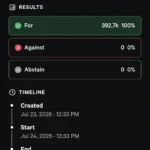
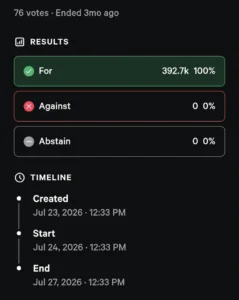
Utility tokens have rapidly gained traction in the Web3 space as powerful instruments for transforming traditional, centralized governance models into decentralized, community-driven frameworks. Many Web3 ecosystems and protocols have consciously moved away from top-down decision-making, instead leveraging utility tokens to distribute voting rights among their community members. This application of utility tokens in governance empowers token holders to propose new changes, vote on critical treasury expenditures, approve protocol upgrades, and shape the direction of ecosystem projects.
The mechanism of token-based governance is central to the ethos of decentralization, ensuring that the platform’s evolution aligns with the collective interests of its community. This approach fosters transparency and builds trust, as every decision-making process is recorded on the blockchain and accessible to all participants. Decentralized Autonomous Organizations (DAOs) serve as the quintessential example of utility tokens facilitating decentralized governance. In DAOs, governance tokens – often a specific type of utility token – shift the power from a select executive team to a broad base of community members. For instance, platforms like Uniswap (UNI) or Aave (AAVE) grant token holders the ability to vote on key proposals concerning fees, new asset listings, and strategic direction.
Beyond enhancing transparency and trust, utility tokens in governance cultivate a profound sense of loyalty and ownership within the community. When users have a direct stake in the platform’s future, their engagement deepens, leading to more robust contributions and a more resilient ecosystem. Furthermore, this model facilitates access to a collective intelligence that can be invaluable for developing new products, features, and strategic initiatives. The applications of governance tokens extend beyond purely technical upgrades; they can also be instrumental in defining partnerships, moderating content policies, and even shaping marketing strategies for Web3 projects. Data from leading blockchain analytics firms indicates a significant increase in the number and total value locked (TVL) within DAOs, with some managing billions of dollars in collective assets, underscoring the growing importance of token-based governance.
Pillar Three: Catalyzing Web3 Project Launches and Growth
A highly promising application of utility tokens in the Web3 domain lies in their capacity to facilitate the launch and scalable growth of decentralized ecosystems. Web3 startups often face the complex challenge of simultaneously attracting users, developers, partners, and investors. Utility tokens provide an elegant mechanism to align the incentives of these diverse groups, fostering a symbiotic relationship crucial for early-stage development.
Web3 platforms can leverage utility tokens through various incentive structures, such as airdrops, ecosystem grants, and early investor rewards, to stimulate initial participation and adoption. Airdrops, where tokens are distributed for free to early users, can generate significant buzz and rapidly expand a project’s user base. Ecosystem grants incentivize developers to build applications on top of the protocol, expanding its utility and attracting more users. Similarly, partners can receive utility tokens for integrating their services or contributing to the network, creating a robust web of interconnected services.
This strategic distribution of utility tokens creates a continuous loop of growth, where early participation and contributions are rewarded, which in turn reinforces the project’s value proposition and attracts further engagement. Ethereum stands as a prime historical example of this model. Its early token incentives for developers and miners were instrumental in fostering a massive, vibrant decentralized ecosystem that continues to innovate and expand. By aligning the economic interests of all stakeholders—users, developers, and partners—utility tokens effectively drive a network effect, where the value of the platform increases exponentially with each new participant. This mechanism is critical for overcoming the initial "cold start problem" faced by many new platforms, enabling them to achieve critical mass more rapidly and sustainably.
Pillar Four: Driving User Engagement and Network Expansion
The role of utility tokens extends far beyond merely incentivizing early adopters; they are powerful tools for sustaining and enhancing user engagement and network growth over the long term, often outperforming conventional loyalty programs. Web3 platforms can implement sophisticated reward and incentive systems powered by utility tokens, establishing a clear and tangible relationship between user participation and financial value. This application has proven particularly effective in Web3 gaming platforms, often referred to as "play-to-earn" (P2E) models, and decentralized applications (dApps) across various sectors.
In P2E gaming, players earn utility tokens by engaging with the game, completing tasks, winning challenges, and actively participating in the in-game economy. These tokens typically have multi-faceted utility: they can be spent within the game to acquire virtual assets, upgrade characters, or unlock new experiences. Crucially, these tokens can also often be traded on external cryptocurrency exchanges, allowing players to convert their in-game achievements into real-world value. This direct economic incentive transforms gaming from a pure leisure activity into a potentially lucrative endeavor, fostering deep engagement and loyalty that traditional gaming models struggle to replicate. The P2E market, once niche, has seen explosive growth, with some estimates valuing it in the tens of billions of dollars, directly driven by utility token mechanics.
Similarly, many DeFi platforms have successfully leveraged token incentives, often known as "liquidity mining" or "yield farming," to raise capital and bootstrap new platforms. Users provide liquidity to decentralized exchanges or lending protocols and, in return, receive utility tokens as rewards. This mechanism not only attracts significant capital to the platform but also incentivizes long-term participation and helps stabilize liquidity pools. The tangible rewards provided by utility tokens create a virtuous cycle: increased participation leads to greater network utility, which in turn enhances the value of the token and attracts more users. This dynamic establishes a compelling value proposition that aligns the financial interests of users with the health and growth of the decentralized network.
Pillar Five: The Foundation for Real-World Asset Tokenization
Perhaps one of the most transformative and increasingly recognized applications of utility tokens lies in the tokenization of both digital and physical assets. Tokenization involves representing ownership rights, access privileges, product usage, or membership on a blockchain, with utility tokens serving as the underlying model for this representation. This expands the use cases of utility tokens significantly, moving beyond purely digital ecosystems to bridge the gap with the physical world.
In digital contexts, utility tokens can provide access to premium online communities, exclusive features, unique digital content, and scarce virtual assets (such as NFTs that represent digital art or collectibles). For content creators and artists, tokens enable fans to directly support their favorite creators, receiving unique perks, early access, or voting rights in return. This creates a new paradigm for creator-fan relationships, fostering deeper engagement and providing creators with novel monetization strategies that circumvent traditional intermediaries.
In physical contexts, utility tokens can represent access to real-world event tickets, club memberships, or loyalty points. For example, a token could grant access to a specific concert, confer membership in an exclusive social club, or accumulate as loyalty rewards from a brand. The inherent properties of blockchain—immutability, transparency, and transferability—introduce unprecedented flexibility, liquidity, and transparency to various types of assets that were traditionally illiquid or opaque. Real estate, fine art, luxury goods, and even intellectual property are increasingly being tokenized, making them divisible, easily transferable, and accessible to a broader range of investors.
Many forward-thinking brands are already integrating utility tokens into their Web3 projects to offer exclusive experiences and foster profound brand loyalty. These tokens provide tangible, ongoing value to customers, driving long-term engagement that goes beyond fleeting marketing campaigns. By tokenizing access or ownership, brands can create stronger communities, reward their most loyal customers, and build innovative business models that blur the lines between digital and physical value. This application positions utility tokens as a crucial component in the broader trend of digitalization and decentralized ownership, promising to unlock immense value across diverse industries.
Regulatory Landscape and Future Outlook
While the utility of these tokens is clear, the regulatory landscape remains a significant consideration. Jurisdictions globally are working to establish clear guidelines to distinguish utility tokens from security tokens, primarily to protect investors and prevent illicit activities. The "Howey Test" in the United States, for example, is often applied to determine if a digital asset constitutes an investment contract, and thus a security. A key differentiator for utility tokens is their primary function: if the sole purpose of the token is to access a product or service, without a reasonable expectation of profit derived from the efforts of others, it is more likely to be classified as a utility token.
As regulatory clarity improves, it is anticipated that the adoption and integration of utility tokens will accelerate, particularly within enterprise blockchain solutions and mainstream Web3 applications. Industry experts predict a future where utility tokens become as commonplace as loyalty points or gift cards, but with the added benefits of decentralization, transparency, and enhanced transferability. Challenges remain, including scalability issues on certain blockchains, user experience complexities, and the need for greater interoperability between different token ecosystems. However, ongoing technological advancements and a growing understanding of blockchain’s potential are systematically addressing these hurdles.
Conclusion: Utility Tokens as Indispensable Tools for the Decentralized Future
In summary, utility tokens have unequivocally cemented their position as indispensable components of the Web3 landscape. Their multifaceted applications span a wide spectrum, from facilitating seamless payments and granting access to essential services within decentralized projects, to empowering robust community governance and catalyzing the launch and growth of innovative Web3 platforms. Furthermore, their capacity to drive profound user engagement through sophisticated reward systems and their foundational role in the tokenization of both digital and real-world assets underscore their transformative potential.
These digital assets enable Web3 platforms to forge independent, transparent, and highly engaging economies, fostering a new paradigm of digital interaction and ownership. Understanding the diverse use cases of utility tokens is not merely an academic exercise; it is crucial for anyone looking to build, invest in, or simply navigate the rapidly evolving decentralized internet. As the Web3 ecosystem continues its trajectory of innovation and expansion, utility tokens will remain at the forefront, powering the next generation of decentralized applications and redefining the future of digital value and interaction.
Disclaimer: The article should not be taken as, and is not intended to provide any investment advice. Claims made in this article do not constitute investment advice and should not be taken as such. 101 Blockchains shall not be responsible for any loss sustained by any person who relies on this article. Do your own research!