


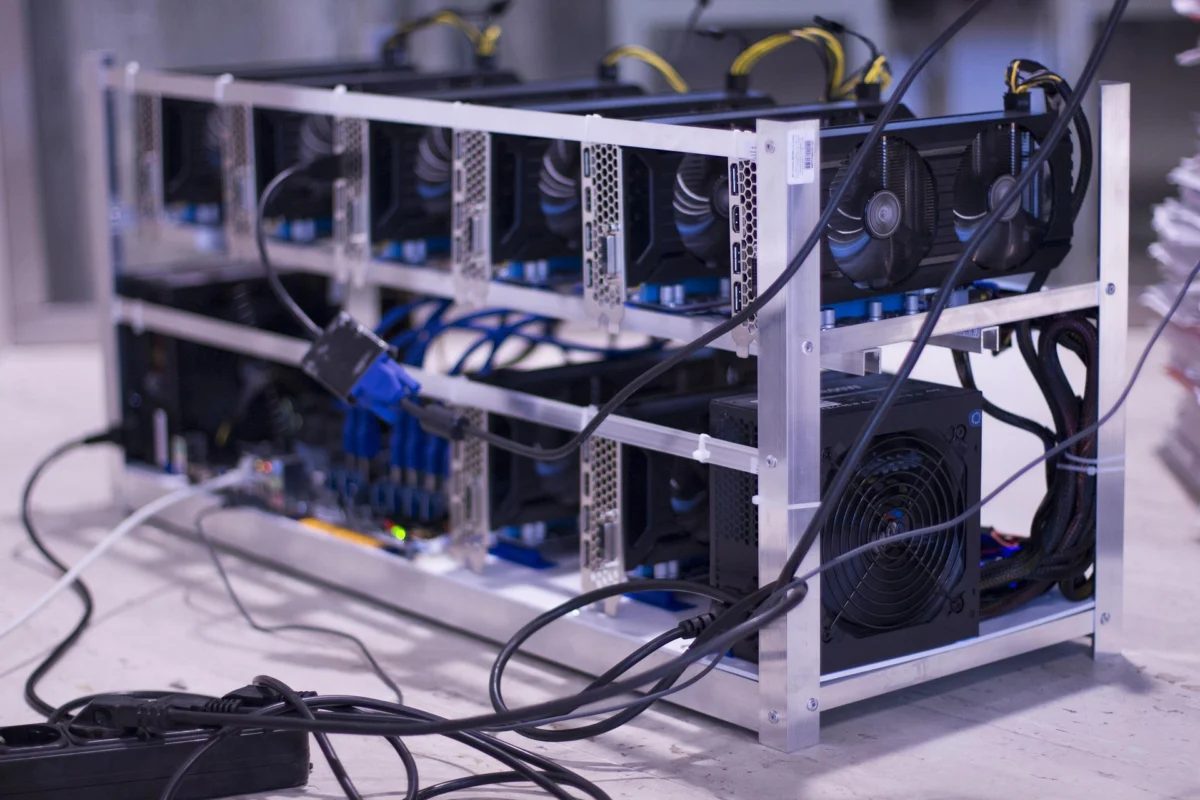
The Iranian government has significantly escalated its enforcement actions against unauthorized cryptocurrency mining, with law enforcement agencies shuttering 9,404 illegal mining farms across the country over the past five months. This aggressive campaign comes as the Islamic Republic grapples with a deepening energy crisis that has resulted in widespread power outages, water shortages, and domestic unrest. As the nation struggles to balance its aging electrical infrastructure with the high-energy demands of digital asset production, the authorities have shifted their focus toward Tehran, the capital, where a dense concentration of "energy-guzzling" devices has been identified and neutralized.
Kambiz Nazerian, the head of the Tehran Electricity Distribution Company, confirmed in a recent statement that the police have been working in close coordination with energy officials to locate and seize hardware used in these illicit operations. According to Nazerian, the most recent sweep focused on various districts within Tehran, where thousands of devices were found hidden in residential, commercial, and even public facilities. This follows a major operation in June, where 7,000 machines were confiscated in a single month, signaling a zero-tolerance policy toward miners who operate outside the state’s regulatory framework.
The Energy Crisis and the Rise of "Subsidized" Mining
The tension between the Iranian state and the cryptocurrency sector is rooted in the country’s unique economic landscape. Iran possesses the world’s second-largest natural gas reserves and the fourth-largest oil reserves, allowing the government to provide heavily subsidized electricity to its citizens. These subsidies, intended to support low-income households and domestic industry, have inadvertently turned Iran into a global haven for cryptocurrency mining.
Mining Bitcoin and other proof-of-work cryptocurrencies requires immense computational power, which in turn consumes vast amounts of electricity. In Iran, the cost of electricity for the general public is among the lowest in the world, often a fraction of the cost found in Europe or North America. For tech enthusiasts and organized mining syndicates, this price disparity creates a highly profitable environment. However, the surge in mining activity has placed an unsustainable burden on a national power grid that was already suffering from underinvestment and the effects of international sanctions.
The situation reached a breaking point during the summer months, when temperatures in Iran frequently exceed 40 degrees Celsius (104 degrees Fahrenheit). The demand for air conditioning, combined with the continuous operation of thousands of mining rigs, led to a series of catastrophic blackouts in major cities. These outages did more than just cut the lights; they disrupted hospital operations, halted industrial production, and sparked national protests as citizens grew frustrated with the government’s inability to maintain basic services.
Strategic Exploitation of Public Infrastructure
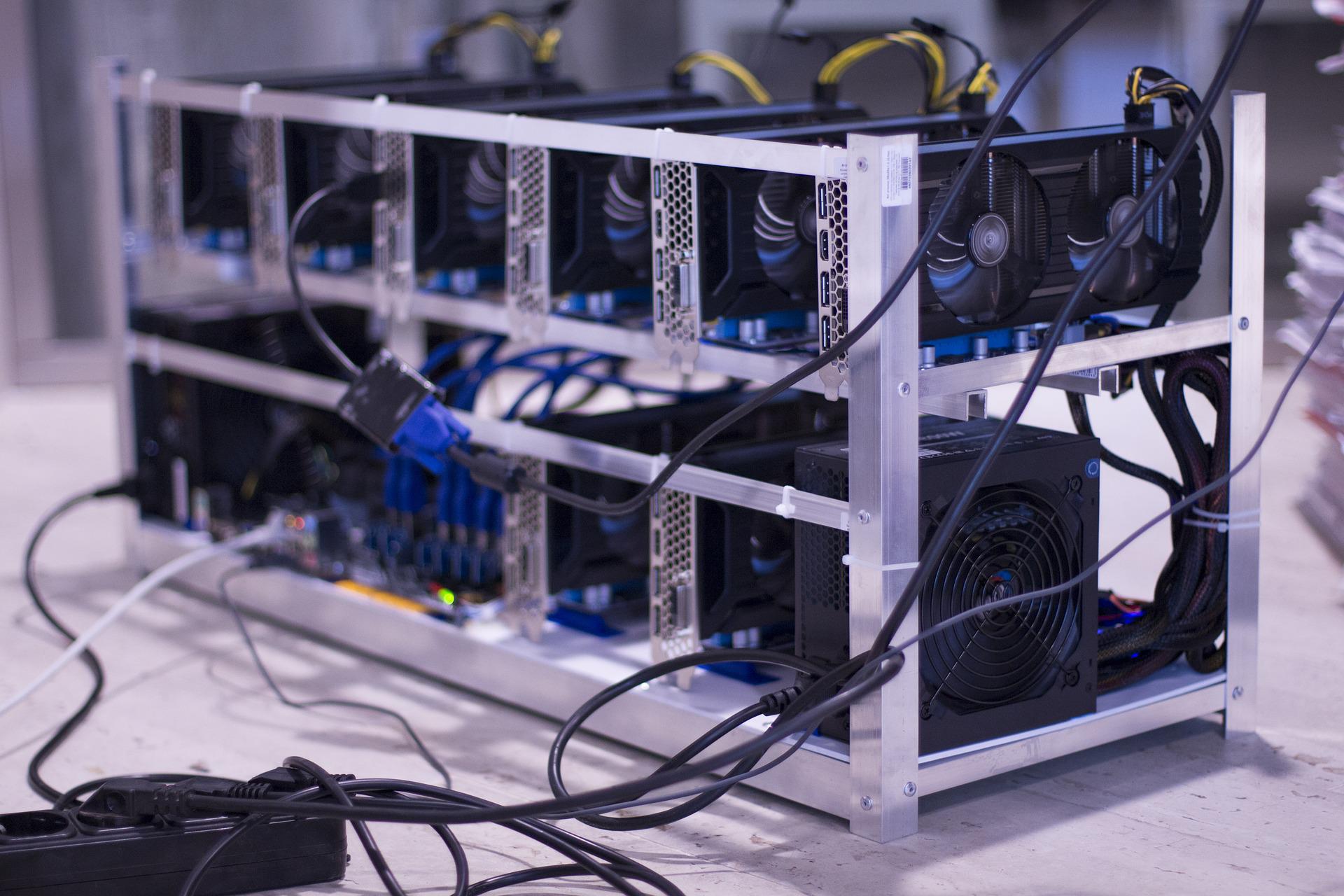
One of the most controversial aspects of the illegal mining trend in Iran is the use of public and religious institutions to host mining farms. Reports from Iranian media outlets, including Iran International, indicate that a significant number of unregistered miners have set up operations in mosques and schools. In Iran, these institutions often receive electricity for free or at a highly discounted "community" rate.
By placing high-performance mining rigs inside these buildings, operators can bypass the costs that even licensed miners must pay, maximizing their profit margins at the taxpayer’s expense. This practice has drawn the ire of both the public and religious authorities, leading to increased surveillance of non-residential buildings. The state-run energy provider, Tavanir, has utilized advanced data analytics to identify "abnormal" energy consumption patterns, which often point directly to these hidden mining hubs.
A Timeline of Regulatory Volatility
The Iranian government’s relationship with cryptocurrency has been characterized by a cycle of tolerance and prohibition. To understand the current crackdown, it is necessary to look at the chronology of the state’s regulatory shifts:
- 2019: Iran officially recognized cryptocurrency mining as a legal industrial activity, provided that miners obtained a license from the Ministry of Industry, Mine, and Trade. This move was seen as an attempt to regulate the sector and generate tax revenue.
- Early 2021: As the global Bitcoin price surged, Iran’s share of the global hashrate rose to an estimated 7.5%, according to the Cambridge Bitcoin Electricity Consumption Index. This made Iran a top-ten global destination for miners, many of whom migrated from China following that country’s ban on the industry.
- May 2021: Facing a severe drought that hampered hydroelectric power generation and a heatwave that spiked demand, former President Hassan Rouhani announced a total ban on all crypto mining—including licensed operations—until September of that year.
- Late 2021: Authorities seized approximately 45,000 application-specific integrated circuit (ASIC) machines that were found using subsidized electricity without authorization.
- Summer 2022: The government re-implemented restrictions, cutting power to 118 licensed mining platforms to prioritize residential cooling needs. The current crackdown, which saw the seizure of 9,404 farms, represents the most intensive enforcement period to date.
The Role of International Interests and "Influential Networks"
The Iranian government has also hinted that the scale of illegal mining suggests the involvement of organized "influential networks" and foreign entities. Reports suggest that Chinese mining groups have established significant footprints in Iran, often partnering with local firms to take advantage of the cheap energy. While some of these partnerships are legal and operate within designated "Special Economic Zones," others are believed to be operating in the shadows to avoid the high fees associated with the licensed mining tier.
The "licensed" mining rate in Iran is significantly higher than the subsidized residential rate, often pegged to the price of exported electricity. This creates a strong financial incentive for even large-scale operations to remain "illegal" or "unregistered." By doing so, they can operate at costs that are virtually unmatched anywhere else in the world, even after accounting for the risk of equipment seizure by the police.
Broader Economic and Geopolitical Implications
The crackdown on crypto mining is not merely a domestic energy issue; it is inextricably linked to Iran’s broader economic survival under international sanctions. For the Iranian state, cryptocurrency represents a double-edged sword. On one hand, it offers a potential mechanism for bypassing the SWIFT international banking system and circumventing U.S.-led sanctions to pay for imports. On the other hand, the energy required to produce this digital currency is currently threatening the stability of the very infrastructure the country needs to function.

The financial impact of the illicit mining is substantial. Tavanir reported that over an 18-month period, a group of 1,620 shut-down operations had consumed roughly 250 megawatts of power. To put this in perspective, that amount of energy could power a medium-sized city. The loss of this electricity, coupled with the lack of tax revenue from illegal farms, represents a significant drain on the national treasury.
Analysis of the Path Forward
As the current ban on mining operations is set to be reviewed or lifted in September, the future of the industry in Iran remains uncertain. The government is caught between the desire to embrace a technology that could provide economic relief and the reality of a power grid that cannot support the industry’s growth.
Industry experts suggest that for Iran to successfully integrate cryptocurrency mining, it must move away from subsidizing energy for the sector and instead focus on "off-grid" mining. This would involve miners building their own power plants—likely fueled by natural gas that would otherwise be flared—to ensure they do not compete with the public for electricity. However, such infrastructure requires capital investment that is difficult to secure given the country’s current economic isolation.
The recent seizure of nearly 10,000 farms serves as a stark warning to the crypto community within Iran. The authorities have demonstrated that they have the technological means and the political will to track down illegal operations, even when they are hidden in residential neighborhoods or public buildings. As the Iranian police remain on high alert, the "gold rush" of cheap, subsidized mining appears to be coming to an end, replaced by a much more stringent and monitored regulatory environment.
For now, the focus remains on grid stability. Until Iran can modernize its power plants and reduce its reliance on aging thermal and hydroelectric facilities, the crypto-mining sector will likely continue to face periodic bans and aggressive police interventions. The battle over Iran’s electricity is far from over, and the outcome will determine whether the country remains a major player in the global digital economy or if the high cost of "cheap" energy proves too much for the state to bear.














