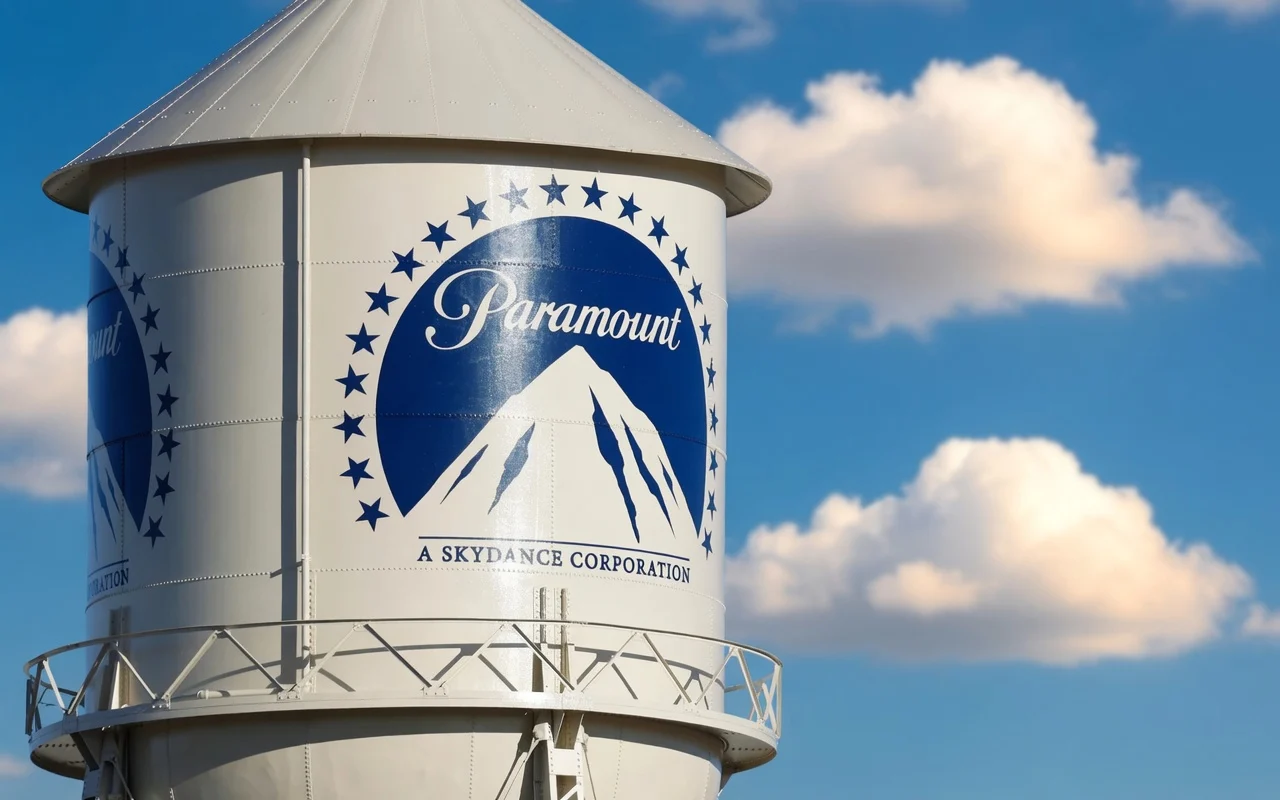
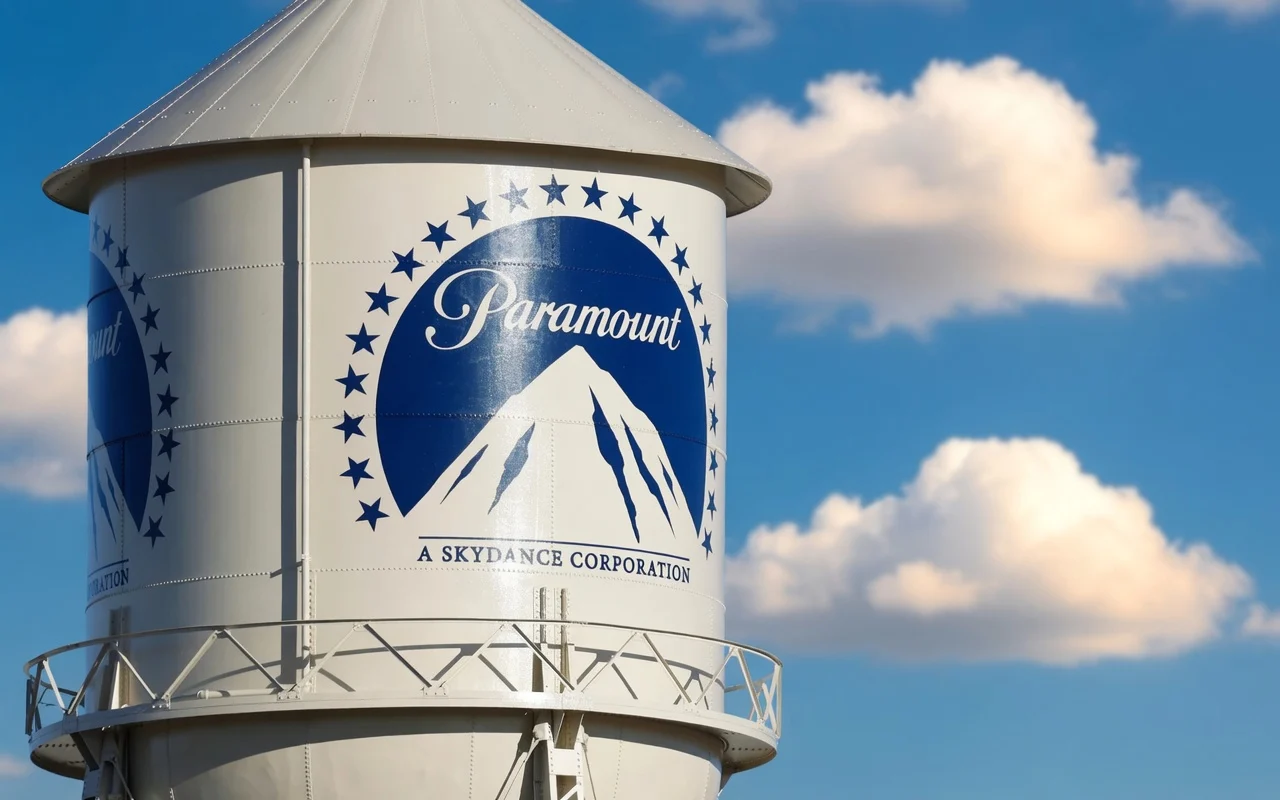
Paramount Global’s ambitious $110 billion acquisition of Warner Bros. Discovery (WBD) achieved a significant milestone on Wednesday with conditional approval from the European Commission, a development that saw Paramount’s shares (PSKY) advance by 2.5%. However, the optimism generated by Brussels’ green light was quickly tempered by an ongoing and increasingly complex legal challenge in the United States, where a coalition of states, led by California, has secured a temporary restraining order, halting the transaction just days before its intended closing. This dual regulatory pathway underscores the intricate and often divergent approaches to antitrust enforcement across global jurisdictions, placing substantial pressure on the merging entities as financial penalties for delay mount rapidly.
The European Commission, the executive arm of the European Union, concluded its review of the proposed merger, granting its approval subject to a set of stringent commitments from Paramount. These conditions are designed to mitigate potential competition concerns within the European market, particularly regarding film distribution. Paramount is now obligated to divest its ownership stake in United International Pictures (UIP), a long-standing film distribution joint venture that operates across various European territories. The company has been granted a 13-month window from the finalization of the deal to complete this divestiture, ensuring that the merged entity does not gain an undue advantage through consolidated distribution networks.
Furthermore, Paramount has committed to a ten-year prohibition on pursuing any co-distribution arrangements for theatrical releases in Europe with NBCUniversal, a major competitor in the entertainment sector. This commitment aims to prevent the creation of a powerful distribution bloc that could stifle competition. In a move designed to preserve existing market structures and choices for exhibitors and consumers, Paramount has also pledged to maintain Warner Bros. Discovery’s current theatrical distribution infrastructure in the region, rather than integrating or consolidating these operations with its own. This ensures that a distinct distribution channel remains active, preventing a reduction in the number of independent distributors.
The EU’s competition authorities explicitly stated that these commitments "fully address the competition concerns identified by the commission by ensuring that the films of the merged entity will not be distributed jointly with those of Universal or Disney." This rationale highlights the commission’s proactive stance in safeguarding market plurality and preventing the emergence of dominant players in critical sectors like film distribution, which is crucial for consumer choice and the health of independent cinema. Following the announcement, shares of Warner Bros. Discovery showed a muted reaction, closing approximately flat for the trading session, reflecting the broader market’s focus on the more immediate and pressing legal hurdles in the United States.
The Divergent US Regulatory Landscape: Federal Approval vs. State Opposition
In stark contrast to the conditional approval from Europe, the regulatory journey in the United States has been marked by a significant divergence between federal and state authorities. The Department of Justice (DoJ), the primary federal antitrust enforcement agency, concluded its review of the merger in June. In a move that surprised some industry observers, the DoJ chose not to contest the combination or impose any remedies, effectively giving the $110 billion deal a complete pass at the federal level. This decision indicated that federal regulators did not identify sufficient competition concerns to warrant intervention under existing antitrust statutes.
However, the path to completion became considerably more complicated when a coalition of state attorneys general intervened. On July 13, California, alongside 11 additional states, filed a lawsuit aimed squarely at blocking the merger. This multi-state litigation argues that the consolidation of two of Hollywood’s five major studios would severely damage competition within both theatrical distribution and cable television markets. The states contend that reducing the number of major studios would lead to less choice for consumers, higher prices, and potentially stifle innovation in content creation and distribution. Their lawsuit highlights a growing trend of state-level antitrust enforcement, particularly when federal agencies opt not to act, signaling a more granular approach to market concentration concerns.
The immediate impact of this state-led challenge materialized on Monday when a federal judge in California granted a 14-day temporary restraining order (TRO). This judicial injunction effectively halts Paramount and Warner Bros. Discovery from finalizing the transaction for the time being. The TRO represents a substantial obstacle, disrupting the original timeline that had called for the deal to close within the current week. This development underscores the significant power of state-level litigation to influence major corporate transactions, even after federal approval has been secured. The legal battle in California now becomes the central focus for both companies, as they navigate an unexpected and critical challenge to their strategic objectives.
Mounting Deadline Pressure and Financial Stakes
The delay imposed by the temporary restraining order carries significant financial implications for Paramount. The original acquisition agreement includes provisions for penalties should the transaction fail to close by a specified deadline, which is currently set for the end of September. Under these terms, Paramount is contractually obligated to pay Warner Bros. Discovery shareholders approximately $7 million daily in late fees until the completion of the merger. These costs, escalating rapidly with each passing day, exert immense pressure on Paramount to resolve the legal challenge swiftly. The daily accrual of such substantial penalties adds an urgent financial dimension to the ongoing legal and regulatory complexities.
The journey to this point began in February when Paramount initially announced its agreement to acquire Warner Bros. Discovery. This deal followed a competitive bidding situation where Paramount, led by CEO David Ellison, ultimately prevailed over other interested parties, notably Netflix. The transaction carries an equity valuation of $81 billion, which swells to $110 billion when Warner Bros. Discovery’s existing debt obligations are factored into the total consideration. This makes it one of the largest media mergers in recent history, reflecting the intense consolidation pressures within the global entertainment industry.
The European regulatory approval, while conditional, was widely considered one of the last significant international barriers to the deal’s completion. With Brussels now satisfied, albeit with specific concessions, attention has fully returned to the California federal courthouse, where the fate of this colossal merger now precariously hangs. The legal proceedings in California will be closely watched by investors, industry analysts, and antitrust experts alike, as the outcome could set precedents for future large-scale corporate combinations.
Background and Strategic Rationale of the Merger
The proposed merger between Paramount and Warner Bros. Discovery is emblematic of the broader trends sweeping through the global media and entertainment landscape. In an era dominated by the "streaming wars" and intense competition for audience attention, content libraries, and subscriber bases, scale has become paramount. Companies are increasingly seeking to consolidate intellectual property, production capabilities, and distribution channels to compete more effectively with tech giants and well-established streaming services.
Paramount’s strategic motivation for the acquisition is multi-faceted. The company aimed to significantly expand its content portfolio, bringing together iconic franchises from both studios. Warner Bros. Discovery, itself a product of the AT&T spin-off of WarnerMedia and its subsequent merger with Discovery, boasts a vast library of films, television series, and news and sports programming. Combining these assets would create a formidable content powerhouse, allowing Paramount to better compete in the direct-to-consumer streaming market, where services like Netflix, Disney+, and Amazon Prime Video have set high benchmarks for investment and subscriber growth. For Paramount, the merger was seen as a critical move to gain market share, enhance its bargaining power with advertisers and distributors, and achieve greater operational efficiencies through synergy.
For Warner Bros. Discovery, the merger offered a path to address its substantial debt load and integrate its content strategy within a larger, more diversified corporate structure. Post-AT&T divestiture, WBD was focused on leveraging its extensive IP for streaming and linear television, but the financial pressures and competitive landscape necessitated a larger partner. David Ellison, a seasoned executive with a background in film production and strategic investments, championed the deal for Paramount, recognizing the potential for synergy and market leadership that such a combination could unlock. The competitive bidding process, which saw Netflix as a rival contender, underscored the perceived value of Warner Bros. Discovery’s assets and the strategic imperative for major players to expand their footprint.
Implications of the Delay and Legal Challenge
The ongoing legal challenge and the resulting temporary restraining order introduce a significant layer of uncertainty for both Paramount and Warner Bros. Discovery. Beyond the immediate financial penalties, the delay disrupts strategic planning for integration, content development, and market positioning. For employees of both companies, the uncertainty can be unsettling, potentially impacting morale and retention. Investors, who had largely priced in the completion of the merger, are now faced with renewed volatility and risk associated with the deal’s ultimate outcome.
The state lawsuit raises fundamental questions about the interpretation of antitrust laws in the modern media landscape. The states’ argument that the merger would damage competition in theatrical distribution and cable television markets points to concerns about horizontal consolidation—where direct competitors merge. If the states prevail, it could set a powerful precedent for other state attorneys general to challenge large mergers, even those cleared by federal authorities, potentially complicating future corporate consolidation efforts across various industries. This dual regulatory scrutiny—federal clearance versus state challenge—highlights a potential new frontier in antitrust enforcement, where states play a more active and independent role.
A prolonged legal battle could lead to several potential outcomes:
- Deal Completion with Modifications: Paramount might agree to additional divestitures or behavioral remedies in the US to satisfy the states, similar to the conditions imposed by the EU.
- Renegotiation of Terms: The escalating costs and legal risks might force a renegotiation of the merger terms, potentially altering the valuation or other aspects of the agreement.
- Deal Collapse: In the most extreme scenario, if the legal hurdles prove insurmountable or the financial penalties become too burdensome, the merger could collapse entirely. This would be a significant blow to both companies, forcing them to re-evaluate their individual strategic paths in a highly competitive market.
The Road Ahead: A Focus on the California Federal Courthouse
With the European Commission’s conditional approval secured, the immediate focus for Paramount and Warner Bros. Discovery unequivocally shifts to the federal courthouse in California. The 14-day temporary restraining order provides a brief window for legal arguments and potential negotiations. Both companies are expected to vigorously defend the merger, arguing that it serves pro-competitive purposes and that the benefits of scale and synergy outweigh any potential harms to competition. Their legal teams will likely emphasize the dynamic nature of the entertainment industry, including the rise of new competitors in streaming, which they might argue mitigates concerns about market concentration.
The outcome of the state lawsuit will hinge on how the court interprets the potential impact on competition in specific markets, such as theatrical film distribution and cable television. The states will need to demonstrate that the merger would substantially lessen competition or tend to create a monopoly in these areas. This legal battle could involve extensive discovery, expert testimony, and potentially a full trial if a settlement is not reached.
The broader implications extend beyond just these two companies. The differing stances of the DoJ, the European Commission, and the coalition of US states highlight the complex and often inconsistent global regulatory environment for major corporate transactions. This case will undoubtedly contribute to the evolving discourse on antitrust enforcement in the digital age, where traditional market definitions are increasingly challenged by new technologies and business models. As the September deadline looms and the daily penalties accrue, the pressure on Paramount to navigate these legal waters successfully will only intensify, making the California courtroom the unexpected crucible for this $110 billion media mega-merger.