


An experienced cryptocurrency trader, known on social media as @ika_xbt, has suffered a catastrophic loss of their entire digital asset portfolio, valued at over $400,000, after falling victim to a sophisticated phishing campaign. The attack, which leveraged sponsored advertisements on Google Search, tricked the trader into interacting with a fraudulent website meticulously designed to mimic the legitimate interface of the popular decentralized exchange, Uniswap. The incident, which surfaced on May 26, highlights a persistent and escalating threat within the cryptocurrency ecosystem, where the inherent trust in established search engines is being weaponized against unsuspecting users.
The phishing operation utilized cloned versions of Uniswap’s user interface, strategically promoted through Google Search ads. This allowed the malicious actors to intercept users actively seeking to access the decentralized exchange. Investigations have since identified two cryptocurrency wallets linked to the perpetrators, which collectively hold approximately 146 Ether (ETH), equating to roughly $306,000 at the time of discovery. The total stolen funds are confirmed to exceed the $400,000 mark, underscoring the significant financial damage inflicted by this single attack.
The Mechanics of the Deception
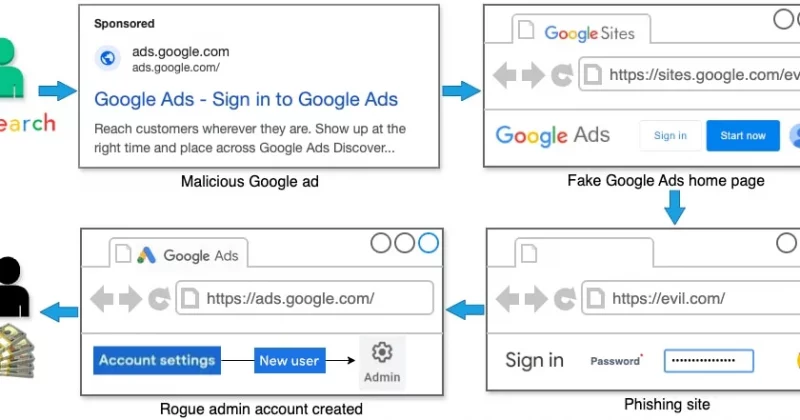
The modus operandi of this scam is deceptively simple yet highly effective. Attackers strategically purchase sponsored ad placements on Google, targeting the highly searched keyword "Uniswap." When users, eager to engage with the decentralized exchange, perform searches, the fraudulent ad appears prominently at the top of the search results page, often above the legitimate organic listing. The visual fidelity of the fake website is crucial to its success; it is designed to be indistinguishable from the real Uniswap platform, down to the smallest design elements and functionalities.
The critical juncture of the scam occurs when a user, believing they are on the legitimate platform, proceeds to connect their cryptocurrency wallet. This action, intended for legitimate trading or asset management, is intercepted by the malicious smart contract embedded within the fake website. Once a user authorizes any transaction, even a seemingly innocuous one, the attackers gain control. The malicious contract is designed to swiftly and comprehensively drain all accessible funds from the connected wallet.
The inherent immutability of blockchain transactions amplifies the severity of such attacks. Unlike traditional financial systems, where recourse mechanisms such as customer service hotlines, chargebacks, or reversal options exist, the decentralized nature of cryptocurrency transactions offers no such safety nets. Once a transaction is confirmed on the blockchain, it is permanent and irreversible. In the case of @ika_xbt, a single, seemingly routine wallet approval resulted in the complete liquidation of their entire portfolio. It is critical to note that this attack did not exploit any vulnerabilities within Uniswap’s smart contracts or underlying infrastructure; the protocol itself remained secure. Instead, the scam preyed upon the user’s trust in the perceived legitimacy of Google’s search results and the visual authenticity of the cloned website.
A Disturbing Pattern of Escalation
This incident is not an isolated event but rather a chilling example of a recurring and evolving threat. The Security Alliance, known as SEAL, has been actively tracking and documenting an alarming surge in Google Search-based phishing campaigns targeting various cryptocurrency protocols since March 2026. The playbook employed by these malicious actors remains remarkably consistent: acquire prominent ad placements on search engines, meticulously clone the interface of trusted decentralized finance (DeFi) platforms, and patiently await unsuspecting users to connect their wallets.
The financial repercussions of these campaigns have been substantial and have consistently resulted in six-figure losses. As recently as February 2026, similar phishing attacks executed through Google sponsored ads led to significant financial damage for crypto investors. Looking further back, a comparable scheme in July 2025 resulted in an estimated $1.2 million being stolen from users. These recurring patterns suggest a well-established and profitable criminal enterprise operating within the digital asset space.
Prominent figures within the cryptocurrency industry have voiced their strong condemnation of this ongoing issue. Hayden Adams, the founder of Uniswap, has been particularly vocal, publicly criticizing search platforms for their perceived inaction and insufficient measures to combat scam advertisements. His frustration, echoed by many in the community, stems from the ongoing exploitation of users despite previous incidents and warnings. The failure of these major technology platforms to effectively police their advertising spaces poses a significant risk to the broader adoption and user confidence in decentralized technologies.
Implications for Cryptocurrency Investors
The devastating loss experienced by @ika_xbt serves as a stark reminder of the heightened vigilance required by all cryptocurrency investors. The most straightforward and arguably the most effective defense against this specific type of attack is a simple yet often overlooked practice: bookmarking the direct and verified URLs of all frequently used DeFi protocols. This proactive measure costs nothing and takes mere seconds to implement, yet it bypasses the need to rely on search engine results entirely. By navigating directly to a known, trusted bookmark, users eliminate the risk of landing on a phishing site disguised as a sponsored ad.
Users who employ hardware wallets, such as Ledger or Trezor, possess a partial advantage. Many hardware wallets necessitate explicit on-device confirmation of transaction details. This provides a crucial final checkpoint, allowing users to carefully review the specifics of a proposed transaction before it is executed. However, even this advanced security measure is not foolproof. It relies heavily on the user’s diligence in scrutinizing the information presented on the hardware wallet’s screen. A hurried or inattentive review can still lead to a malicious approval being signed.
The immutable nature of blockchain transactions, often touted as a core feature of decentralization and security, paradoxically becomes its most significant liability in scenarios like these. Traditional financial systems have evolved to incorporate robust fraud protections, chargeback mechanisms, and insurance protocols precisely to mitigate the consequences of human error and malicious intent. These safeguards are designed to provide a safety net when mistakes occur or when individuals are deceived. Decentralized finance, by its very design, omits these traditional protections. While this absence contributes to the efficiency and autonomy of DeFi, it also places the onus of security and due diligence entirely on the individual user. The lesson from incidents like that of @ika_xbt is clear: in the realm of decentralized finance, the user is the ultimate guardian of their assets, and vigilance is paramount.
A Timeline of Exploitation
The history of Google Search ads being used for cryptocurrency phishing is unfortunately extensive, with incidents becoming increasingly sophisticated and financially damaging over time.
- July 2025: A significant phishing scheme leveraging Google ads targeting a popular DeFi protocol resulted in an estimated $1.2 million in stolen funds. This incident served as an early indicator of the growing threat.
- February 2026: Multiple reports emerged of six-figure losses attributed to Google sponsored ad phishing campaigns that mimicked legitimate cryptocurrency exchange interfaces. This demonstrated the continued effectiveness and profitability of the tactic.
- March 2026 onwards: The Security Alliance (SEAL) began to document a notable increase in these types of attacks, highlighting a systematic and expanding operation by malicious actors.
- May 26, [Current Year]: The incident involving @ika_xbt came to light, where a single click on a deceptive Google ad led to the loss of over $400,000, underscoring the persistent danger and the need for greater awareness and platform accountability.
Industry Reactions and Calls for Action
The recurring nature of these attacks has drawn sharp criticism from prominent figures within the crypto space. Uniswap founder Hayden Adams has repeatedly voiced his concerns, directly addressing search engine providers like Google. In his public statements, Adams has condemned the platforms for their perceived lack of decisive action against scam advertisements that exploit users. His frustration is a reflection of a broader sentiment within the industry, where the failure to effectively police advertising spaces is seen as a significant impediment to user trust and the overall growth of decentralized finance.
"These platforms have a responsibility to protect their users, especially when these ads are directly targeting searches for legitimate financial services," stated one industry analyst, speaking on condition of anonymity due to ongoing investigations. "The current situation allows bad actors to operate with relative impunity, causing immense financial harm to individuals who are simply trying to engage with the evolving digital economy."
While some search engines have policies against fraudulent advertising, the sheer volume of ads and the sophistication of the phishing sites often make enforcement a challenging task. The delay between an ad being flagged and its removal can be enough time for attackers to accrue substantial illicit gains. This ongoing struggle highlights the complex interplay between platform responsibility, user education, and the continuous innovation of malicious tactics in the digital realm.
Broader Impact and Future Safeguards
The persistent exploitation of trust through search engine advertising poses a significant threat to the broader adoption of decentralized finance. For new entrants to the crypto space, these attacks can be particularly discouraging, leading to a loss of faith in the security and legitimacy of the entire ecosystem. The irreversible nature of blockchain transactions, coupled with the absence of traditional consumer protection mechanisms, means that victims of these scams are often left with no recourse.
The implications extend beyond individual financial losses. Such incidents can contribute to negative public perception, potentially deterring institutional investment and regulatory clarity. As the cryptocurrency market matures, the need for robust security measures, both from platforms and individual users, becomes increasingly critical.
Looking ahead, several avenues are being explored to mitigate these risks:
- Enhanced Platform Responsibility: Increased pressure on search engines and social media platforms to implement more stringent ad verification processes and faster response times to reported fraudulent content.
- Decentralized Identity and Verification: Exploration of decentralized identity solutions that could help users verify the authenticity of platforms and services more reliably.
- User Education Initiatives: Continued and expanded efforts to educate crypto users about the risks of phishing, the importance of verifying URLs, and the proper use of security tools like hardware wallets.
- Smart Contract Auditing and Security Tools: While not directly preventing ad-based phishing, robust smart contract auditing remains crucial for building trust in the underlying DeFi protocols themselves.
Ultimately, the responsibility for safeguarding digital assets remains a shared one. While platforms must improve their defenses, individual users must cultivate a culture of skepticism and diligence. The adage "do your own research" in the crypto world extends to meticulously verifying every click, every connection, and every transaction. The devastating loss of @ika_xbt’s portfolio serves as a potent, albeit costly, reminder that in the decentralized frontier, vigilance is not just a virtue – it is a necessity for survival.














