


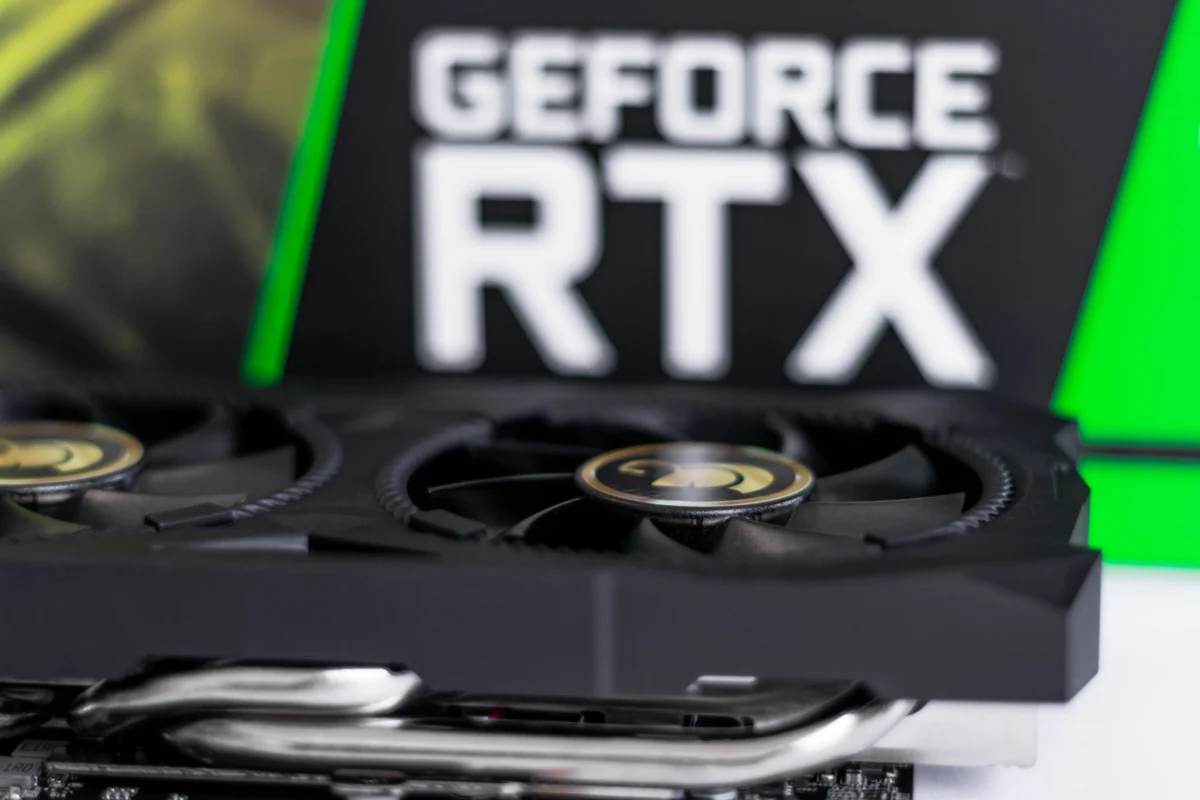
The mass liquidation is not limited to a single brand or model. Thousands of units from both Nvidia and AMD are appearing on Chinese e-commerce platforms and specialized trading forums. While the RTX 3060 has grabbed headlines with its $270 price tag—a figure significantly below its official launch MSRP and a fraction of its peak scalper prices—other high-end models are also seeing steep discounts. The Nvidia RTX 3070 is reportedly being sold for approximately $400, while the RTX 3060 Ti is fetching around $350. These prices represent a stark contrast to the market conditions seen earlier in the year when the global chip shortage and mining demand drove prices to three or four times their suggested retail value.
The Catalyst: China’s Regulatory Iron Fist
The primary driver behind this hardware exodus is the Chinese government’s comprehensive crackdown on cryptocurrency mining and trading. For years, China was the global epicenter of Bitcoin mining, at one point accounting for over 65% of the global hash rate. This was largely due to the availability of cheap electricity in provinces like Sichuan, Xinjiang, and Inner Mongolia. However, the political climate shifted abruptly in mid-2021.
The Chinese State Council, led by Vice Premier Liu He, announced a series of directives aimed at "cracking down on Bitcoin mining and trading behavior." The government cited several reasons for this move, including the need to meet carbon neutrality goals, prevent financial instability, and curb capital flight. Following this announcement, local authorities in major mining hubs began issuing immediate cease-and-desist orders to industrial-scale mining farms.
Faced with the prospect of their equipment being seized or their electricity being cut off, miners were left with two options: relocate their operations abroad—a process known as the "Great Mining Migration"—or liquidate their assets. While some large-scale operations moved to the United States, Kazakhstan, and Russia, many medium-to-small-scale miners found the logistical hurdles of international relocation insurmountable. This has resulted in the current flood of used hardware on the domestic Chinese market.
Market Dynamics: Bulk Sales and the "Mining-Used" Stigma
Despite the enticingly low prices, the acquisition of these GPUs is not a straightforward process for the average consumer. Most sellers are not listing individual cards for sale to retail buyers. Instead, they are looking to offload their inventory in bulk, often requiring minimum orders of 100 to 200 units. This suggests that the current buyers are largely other industrial entities, hardware refurbishers, or daring resellers who intend to flip the cards individually on international markets.
Furthermore, there is a significant "mining-used" stigma attached to these products. Cryptocurrency mining, particularly for Ethereum, requires GPUs to run 24 hours a day, seven days a week, often in high-density environments with significant heat output. To maximize efficiency, miners frequently overclock the memory and undervolt the core of these cards. While this doesn’t necessarily "break" the card, it can lead to premature wear on cooling fans, degradation of thermal pads and paste, and potential stability issues over time.
Industry experts warn that cards used in mining operations for extended periods may have a shortened lifespan compared to those used for occasional gaming. The prospect of buying a card that has been "stressed" for months without a manufacturer’s warranty is a risk that many PC enthusiasts are hesitant to take, which explains why the prices continue to slide despite the theoretical demand.
Beyond the Desktop: Mining Laptops Enter the Fray
In a peculiar twist to the liquidation story, the market is also seeing a surge in used "mining laptops." During the height of the GPU shortage, when desktop cards were impossible to find, some Chinese miners turned to purchasing gaming laptops equipped with RTX 30-series mobile GPUs. These laptops were stacked in racks, often with their screens removed or partially opened to facilitate cooling, and used as makeshift mining rigs.
Reports indicate that RTX 3060-equipped laptops are now being listed for as low as $1,000 per unit. Like their desktop counterparts, these machines have been subjected to extreme thermal stress. The compact nature of laptops makes them even more susceptible to heat-related damage than desktop GPUs, leading to concerns about the longevity of the internal components and batteries.

The Ethereum Factor and the Shift to Proof-of-Stake
While the Chinese crackdown is the immediate cause of the GPU dump, broader shifts in the cryptocurrency ecosystem are also playing a role. Ethereum, the primary cryptocurrency mined using GPUs, is in the midst of a multi-year transition from a "Proof-of-Work" (PoW) consensus mechanism to "Proof-of-Stake" (PoS). This transition, often referred to as "The Merge," will eliminate the need for GPU-based mining entirely for the Ethereum network.
Nvidia’s CEO, Jensen Huang, noted during an interview around the E3 2021 timeframe that the transition to PoS would naturally make graphics cards more available for the gaming community. As the profitability of Ethereum mining fluctuates and the "Merge" looms closer, the incentive for new miners to enter the market has diminished, while existing miners are looking for an exit strategy before their hardware becomes obsolete for its primary revenue-generating purpose.
Global Repercussions and the Easing of the GPU Shortage
The effects of the Chinese crackdown are being felt far beyond the borders of the People’s Republic. As Chinese miners stop bidding for new hardware, global supply is beginning to stabilize. In markets like Germany and Austria, reports indicate that GPU prices have dropped by as much as 40% in recent weeks, moving closer to their original MSRPs.
Additionally, Nvidia has attempted to mitigate the impact of mining on the gaming market by introducing "Lite Hash Rate" (LHR) versions of its popular cards. these cards feature hardware and software limiters that detect and throttle the mining of Ethereum. By making the cards less attractive to miners, Nvidia hopes to ensure that more units end up in the hands of gamers. The combination of LHR cards, the Chinese mining ban, and the Ethereum transition is creating a "perfect storm" for price normalization.
China’s Pivot: The Rise of the Digital Yuan
The vacuum left by the removal of private cryptocurrencies is not being left empty. The Chinese government is aggressively pushing its own Central Bank Digital Currency (CBDC), the digital yuan (e-CNY). By clearing the field of "unregulated" competition like Bitcoin and Ethereum, the People’s Bank of China (PBOC) is positioning the digital yuan as the primary medium for digital transactions within the country.

Pilot programs for the digital yuan have already been launched in several major cities, including Shenzhen, Chengdu, and Suzhou. Unlike Bitcoin, which is decentralized and anonymous, the digital yuan is centralized and provides the government with significant oversight into the financial transactions of its citizens. The crackdown on miners is thus seen not just as an environmental or financial stability move, but as a strategic step in asserting total monetary sovereignty.
Impact on Bitcoin and the Broader Crypto Market
At the time of writing, the price of Bitcoin (BTC) continues to struggle under the weight of regulatory uncertainty. Floating around the $33,000 mark, the asset has shown a slight 2% recovery over a 24-hour period but remains down over the weekly timeframe. The $35,000 resistance level has proven difficult to breach, and the market remains in a range-bound state.
The loss of Chinese hash power caused a temporary dip in the Bitcoin network’s total hash rate and a subsequent downward adjustment in mining difficulty. However, the network has proven resilient. As miners set up shop in North America and other regions, the hash rate is expected to recover, albeit with a more decentralized geographic distribution. This shift is being viewed by many Western observers as a "net positive" for Bitcoin, as it removes the criticism of Chinese centralization and potentially improves the environmental profile of the network if miners move to regions with more renewable energy.
Conclusion: A Turning Point for the Industry
The dumping of Nvidia and AMD GPUs in China is a landmark event in the history of both the PC gaming and cryptocurrency industries. For gamers, it represents a glimmer of hope after nearly two years of astronomical prices and non-existent inventory. For the cryptocurrency sector, it marks the end of China’s reign as the "mining superpower" and a forced evolution toward a more geographically diverse network.
As prices for the RTX 3060 and other models continue to fluctuate, the long-term implications remain to be seen. If the used cards are absorbed by the market without significant failure rates, it could lead to a rapid stabilization of hardware costs. However, the shadow of the Chinese regulatory environment remains long, and as the digital yuan takes center stage, the era of "wild west" crypto mining in the region has officially drawn to a close. The global semiconductor industry, meanwhile, continues to navigate a path toward recovery, with the easing of mining demand providing a much-needed reprieve for a supply chain under immense pressure.














