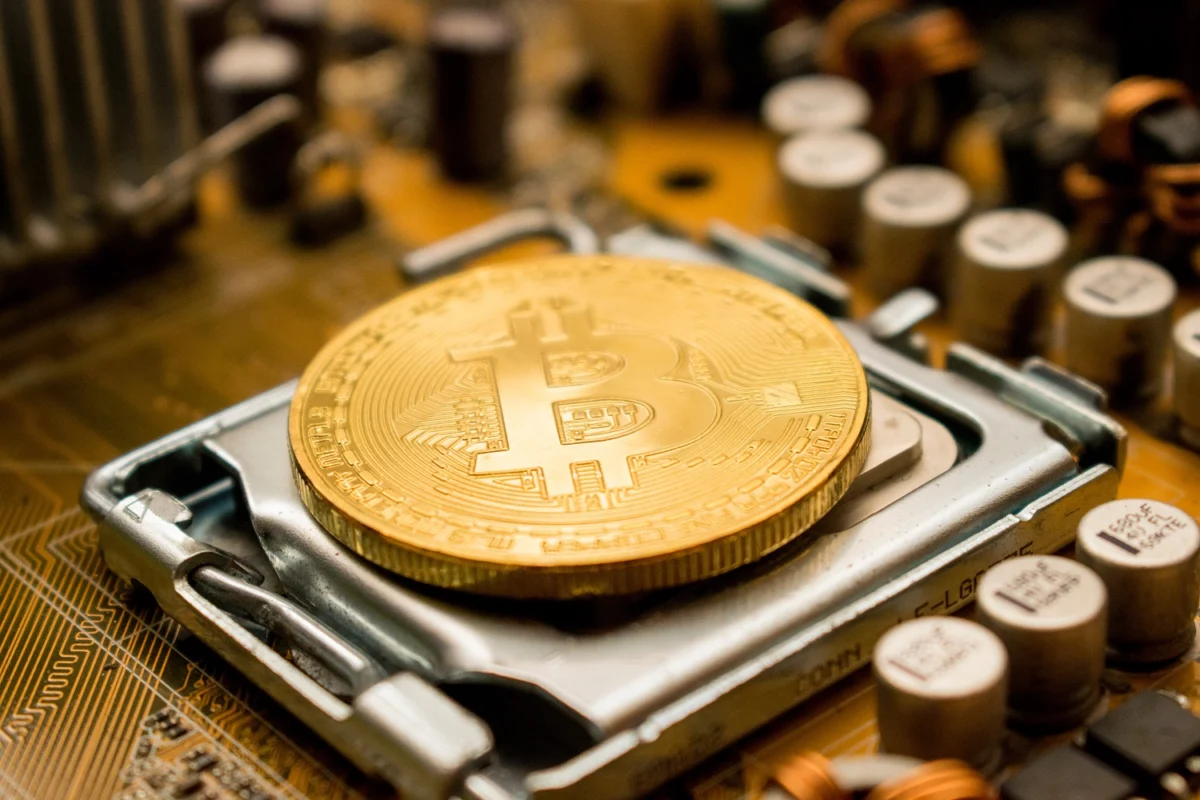
The Russian Association of Crypto Industry and Blockchain (RACIB) has officially launched a strategic initiative designed to transform the Russian Federation into a primary destination for international Bitcoin mining operations. This move comes at a critical juncture in the evolution of the global cryptocurrency landscape, as the industry undergoes a massive geographical shift following the aggressive regulatory crackdown in China. By highlighting Russia’s vast energy reserves, favorable climatic conditions, and existing industrial infrastructure, RACIB aims to capture the "migrating hash rate" that has been seeking new territories since the second quarter of 2021.
For years, China served as the undisputed epicenter of Bitcoin mining, at one point controlling over 65% of the global hash rate. However, a series of prohibitive measures by the Chinese government—citing environmental concerns and financial stability risks—led to a forced exodus of miners. This "Great Mining Migration" has left thousands of megawatts of mining hardware in search of hosting facilities. RACIB, representing the interests of the digital economy in Russia, views this as a generational opportunity to bolster the nation’s technological standing and attract significant foreign direct investment into the Russian energy complex.
The Strategic Advantages of the Russian Energy Landscape
Russia’s bid to become a global mining powerhouse is underpinned by its status as one of the world’s leading energy producers. Currently ranking among the top five countries globally in terms of total electricity production, the nation possesses a sophisticated power grid with a significant surplus of generating capacity. In several administrative regions, the energy surplus reaches as high as 50%, providing a stable and scalable environment for energy-intensive industries like cryptocurrency mining.
The accessibility of traditional fuels, including natural gas and coal, ensures that energy prices remain competitive on the global stage. However, RACIB is also emphasizing the availability of "green" energy to appeal to the growing demand for sustainable mining practices. Approximately 40% of Russia’s power grid is supplied by eco-friendly sources, primarily hydroelectric and nuclear power. Large-scale hydroelectric plants in Siberia, such as those in the Irkutsk region, offer some of the lowest electricity rates in the world, making them highly attractive to mining enterprises that operate on thin margins sensitive to power costs.
Furthermore, the involvement of state-linked entities has provided additional legitimacy to the sector. For example, Rosatom, Russia’s state-owned nuclear energy corporation, has previously opened its facilities to host mining hardware, signaling a high-level interest in monetizing excess energy through digital asset production.
Climatic and Geographic Factors
Beyond the electrical grid, Russia offers natural logistical advantages that are difficult to replicate in other regions. The country’s notoriously cold climate serves as a natural cooling system for the thousands of Application-Specific Integrated Circuit (ASIC) miners required for industrial-scale operations. In traditional data centers, cooling can account for up to 30% to 40% of total operational expenses. By locating facilities in regions like Siberia or the Urals, mining firms can significantly reduce their overhead costs, increasing the overall profitability of their hardware.
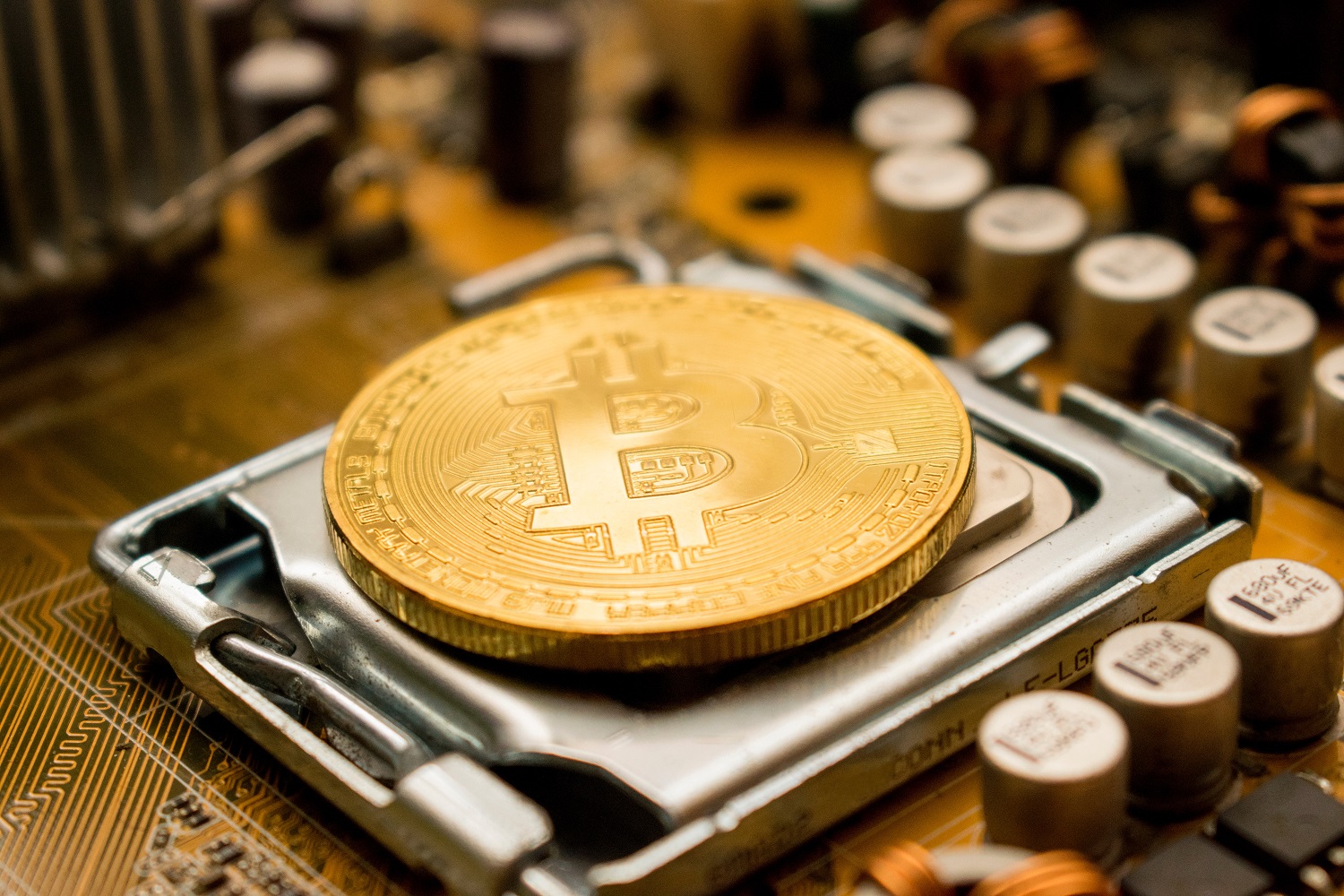
Additionally, Russia’s vast landmass and low population density in industrial zones provide the physical space necessary for "mining farms"—large-scale clusters of shipping containers or warehouses filled with hardware. The ability to set up these operations far from residential areas minimizes noise complaints and regulatory friction, which have plagued miners in more densely populated European and North American regions.
Competitive Dynamics: Russia vs. Kazakhstan
The urgency of RACIB’s project is underscored by the rapid rise of neighboring Kazakhstan. Following the Chinese exit, Kazakhstan emerged as a top-tier destination, quickly climbing to the third spot in global mining volume. This surge allowed Kazakhstan to overtake Russia, which subsequently dropped to the fourth position in terms of global hash rate distribution.
RACIB’s initiative is seen by industry analysts as a concerted effort to reclaim and surpass its previous standing. While Kazakhstan offered proximity to China and low costs, it has recently faced challenges related to grid stability and potential regulatory shifts. By presenting Russia as a more stable and technologically advanced alternative with a deeper energy surplus, RACIB hopes to entice large-scale institutional miners who are wary of the infrastructure limitations in other Central Asian nations.
The Regulatory and Economic Context
The push to attract miners occurs against a complex domestic regulatory backdrop. In early 2021, Russia implemented the law "On Digital Financial Assets," which provided a basic legal framework for cryptocurrencies but left many questions regarding mining and taxation unanswered. There remains a productive tension between different branches of the Russian government: the Central Bank of Russia has historically maintained a skeptical stance toward crypto-assets, while the Ministry of Finance and the Ministry of Economic Development have shown greater openness to the potential tax revenues and economic stimulation provided by the mining sector.
RACIB’s project aims to bridge this gap by demonstrating the benefits of "specialized clusters." These clusters would not only support global cryptocurrency networks but also foster the development of the broader digital economy, including high-performance computing (HPC) and artificial intelligence (AI) infrastructure. By framing mining as a form of high-tech export—where electricity is converted into a globally liquid digital asset—the association hopes to secure more favorable long-term regulatory treatment for the industry.
Implications for the Bitcoin Market and Network Security
The migration of mining hardware to Russia has broader implications for the Bitcoin network. Following the China ban, the Bitcoin hash rate—a measure of the total computational power securing the network—experienced a dramatic decline of over 50%. This led to concerns regarding the security of the blockchain and the speed of transaction processing.
The successful integration of this hardware into the Russian grid contributes to the "decentralization of the hash rate." For years, critics argued that Bitcoin was too dependent on China. The redistribution of power to Russia, North America, and Northern Europe makes the network more resilient to the geopolitical whims of any single nation. As Russia absorbs more of this computational power, it reinforces the network’s security and demonstrates the global market’s ability to adapt to regulatory shocks.

At the time of the announcement, the Bitcoin price has been navigating a period of heightened volatility. Trading at approximately $30,700, the asset has seen a 7% decline over the past week and a 14% drop over the month. Market analysts note that Bitcoin has been trapped in a consolidation range between $30,000 and $35,000. The influx of institutional-grade mining operations in Russia could eventually serve as a bullish signal, as it represents a significant long-term capital commitment to the asset’s underlying infrastructure.
Timeline of Recent Developments
The current initiative by RACIB follows a sequence of pivotal events in the 2021 crypto calendar:
- May 2021: The Chinese State Council announces a crackdown on Bitcoin mining and trading, citing the need to control financial risks and meet carbon neutrality goals.
- June 2021: Major Chinese mining hubs, including Xinjiang, Sichuan, and Inner Mongolia, order the immediate shutdown of all crypto-mining facilities. The global hash rate begins its historic plunge.
- Late June 2021: Large-scale shipments of mining hardware are reported leaving China for Russia, Kazakhstan, and the United States.
- July 2021: RACIB announces its project to formalize and attract these investments, highlighting Russia’s 50% energy surplus in specific regions.
- July 2021 (Current): Bitcoin struggles to maintain support at the $30,000 level as the market processes the structural shift in the mining industry.
Expert Perspectives and Future Outlook
Industry experts suggest that Russia’s success will depend on its ability to provide legal certainty. "Russia has the physical infrastructure to be number one," says a lead analyst in the mining sector. "The electricity is there, the climate is perfect, and the technical expertise is high. The only missing piece of the puzzle is a clear, permanent regulatory green light from Moscow."
RACIB remains optimistic that the economic benefits will outweigh the ideological concerns of the central bank. By positioning Russia as a "green" mining destination through its nuclear and hydro assets, the country can also sidestep the environmental criticisms that have recently dominated the Bitcoin narrative.
As the global digital economy continues to mature, the competition for mining dominance is becoming a matter of national economic strategy. RACIB’s project marks a significant step in Russia’s attempt to not only participate in this new economy but to lead it. If successful, the influx of foreign capital and the expansion of the Russian energy complex could turn the nation into the new "engine room" of the Bitcoin network, providing a stable home for the decentralized financial systems of the future.
The coming months will be crucial as the association works to facilitate the logistics of hardware importation and setup. If the $30,000 price support for Bitcoin holds, the incentive for miners to finalize their relocation to Russian soil will only increase, potentially leading to a full recovery of the network’s hash rate by the end of the year. For now, Russia stands ready to open its doors to the digital prospectors of the 21st century, leveraging its cold winds and vast power lines to secure a place in the future of finance.