


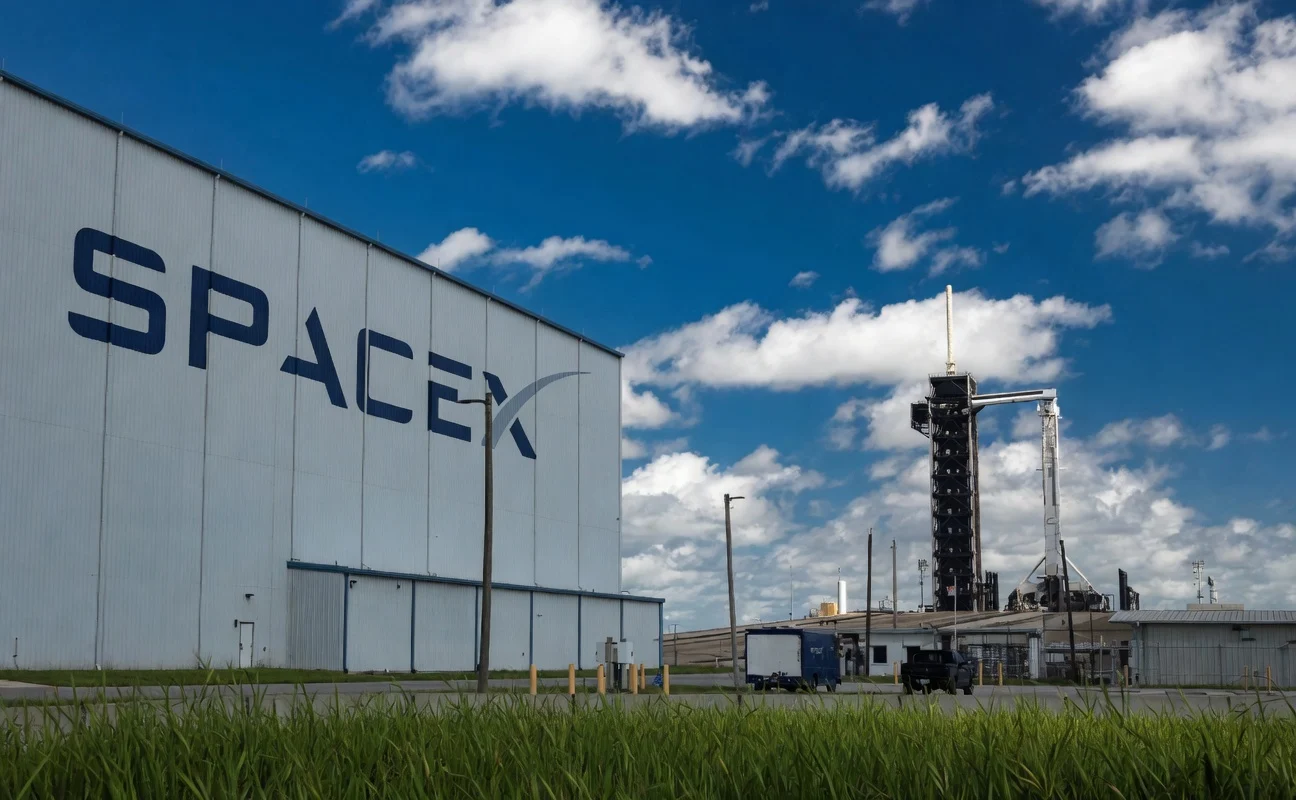
The burgeoning space industry sector experienced a period of remarkable strength last week, with industry titan SpaceX spearheading a broader market recovery. This resurgence was accompanied by impressive performances from multiple companies across the segment, underscoring growing investor confidence and the sector’s increasing maturity. The collective upward trajectory signals a pivotal moment for an industry rapidly expanding beyond traditional government contracts into a vibrant commercial landscape.
SpaceX Stages Dramatic Comeback Amidst Intensified Trading
Space Exploration Technologies Corp. (SpaceX), a privately held aerospace manufacturer and space transport services company, found itself under significant selling pressure immediately following the announcement of its quarterly results. This initial market reaction, often seen with high-growth, high-valuation companies, led to a temporary dip as investors digested the financial figures. However, the company staged an impressive comeback on Friday, surging a remarkable 16% in a single trading session. This powerful rebound allowed shares to regain ground above their 21-day exponential moving average (EMA), a key short-term technical indicator often used by traders to gauge momentum. During Monday’s subsequent trading session, shares were reportedly changing hands near the $130 mark, solidifying the recovery.
The post-earnings selling pressure that initially impacted SpaceX shares could be attributed to a confluence of factors. While specific details of the quarterly results were not publicly disclosed in the original context, such sell-offs often occur if revenue growth falls short of lofty analyst expectations, if profit margins show signs of compression, or if management provides a more conservative outlook. Given SpaceX’s private status, detailed public financial disclosures are limited, leading to heightened sensitivity to any available information. However, the rapid recovery suggests that investors quickly re-evaluated the long-term prospects, perhaps focusing on strategic achievements or future growth catalysts rather than short-term fluctuations.
Market watchers tracking the company have taken particular note of this recent momentum, suggesting it warrants close attention from investors. One prominent forecast indicates that SpaceX could achieve a valuation translating to $165 per share by the conclusion of the third quarter. This projection represents an approximately 24% upside from current trading levels, reflecting strong conviction in the company’s continued growth, driven by its diverse portfolio including Starlink satellite internet services, Falcon launch vehicles, and the ambitious Starship program designed for lunar and Martian missions. The intensity of trading activity in SpaceX shares reportedly intensified across its most recent four trading days, with market analysts positing that significant short-covering—where investors who had bet against the stock are forced to buy back shares to limit losses—likely contributed substantially to the dramatic rebound. Technical strategists are now closely monitoring the $121 level, emphasizing that the stock must defend this threshold to preserve its newly established bullish technical structure.
Rocket Lab and Voyager Technologies Demonstrate Robust Performance
Beyond SpaceX, other key players in the space sector also delivered strong performances, highlighting the broad-based recovery and underlying strength of the industry. Rocket Lab USA, Inc. (RKLB), a leading small satellite launch and space systems company, continued its impressive run. The company notched a seventh consecutive positive session last week, accumulating a cumulative advance of 28% during that period. This consistent upward momentum underscores investor confidence in Rocket Lab’s dual strategy of providing reliable small-satellite launch services with its Electron rocket and expanding into the broader space systems market, including satellite manufacturing with its Photon spacecraft bus and the development of the larger Neutron rocket. Since the start of 2026, Rocket Lab shares have climbed 20%, firmly establishing the company as a notable outperformer within the highly competitive aerospace segment. This performance is particularly significant given the capital-intensive nature of the launch industry and the challenges associated with scaling operations.
Voyager Technologies delivered an even more dramatic performance, with its shares rocketing an astonishing 71% higher in just one week. This explosive growth occurred after the stock successfully pierced through a critical resistance threshold at $37.02, a level that had previously capped its upward movement. The magnitude of this move was remarkable, signaling a significant shift in investor sentiment and potentially a major breakout for the company. Year-to-date, Voyager Technologies has posted gains exceeding 60% in 2026, positioning it as one of the sector’s most dynamic performers. While specific details about Voyager Technologies’ core offerings were not extensively detailed, the broader context places it within a diversified ecosystem encompassing launch operations, spacecraft manufacturing, and satellite communication technologies. This implies that the company likely benefits from the increasing demand for space infrastructure and services, whether through direct involvement in satellite deployment, component manufacturing, or data services. The strong performance suggests a successful strategic initiative or a significant contract win that has resonated positively with the market.
AST SpaceMobile Navigates Mixed Quarterly Results and Technical Volatility
In contrast to the clear upward trajectories of SpaceX, Rocket Lab, and Voyager Technologies, AST SpaceMobile, Inc. (ASTS) presented a more nuanced picture. The company, which is developing a unique space-based cellular broadband network designed to connect directly to standard mobile phones, unveiled its quarterly results on Monday evening. The report indicated that the company’s performance came in below Wall Street estimates, particularly concerning revenue and earnings per share (EPS). Despite missing these analyst projections, management reaffirmed its revenue projections for 2026, a move that provided a crucial measure of confidence to shareholders amidst the disappointing quarterly figures. The market’s reaction to such "mixed results" often depends heavily on the forward guidance and the perceived progress on strategic milestones, especially for a company like AST SpaceMobile, which operates in a highly innovative but capital-intensive frontier technology space.
Prior to the earnings release, AST SpaceMobile shares were positioned around the $69 mark. Technical indicators had suggested a potential recovery in recent sessions, signaling underlying positive momentum despite broader market uncertainties. Among these indicators were a positive Relative Strength Index (RSI) divergence, where the stock price made lower lows but the RSI (a momentum oscillator) made higher lows, often hinting at weakening bearish momentum and a potential reversal. Additionally, chart patterns were identified that analysts characterized as a possible double-bottom formation, another bullish reversal signal.
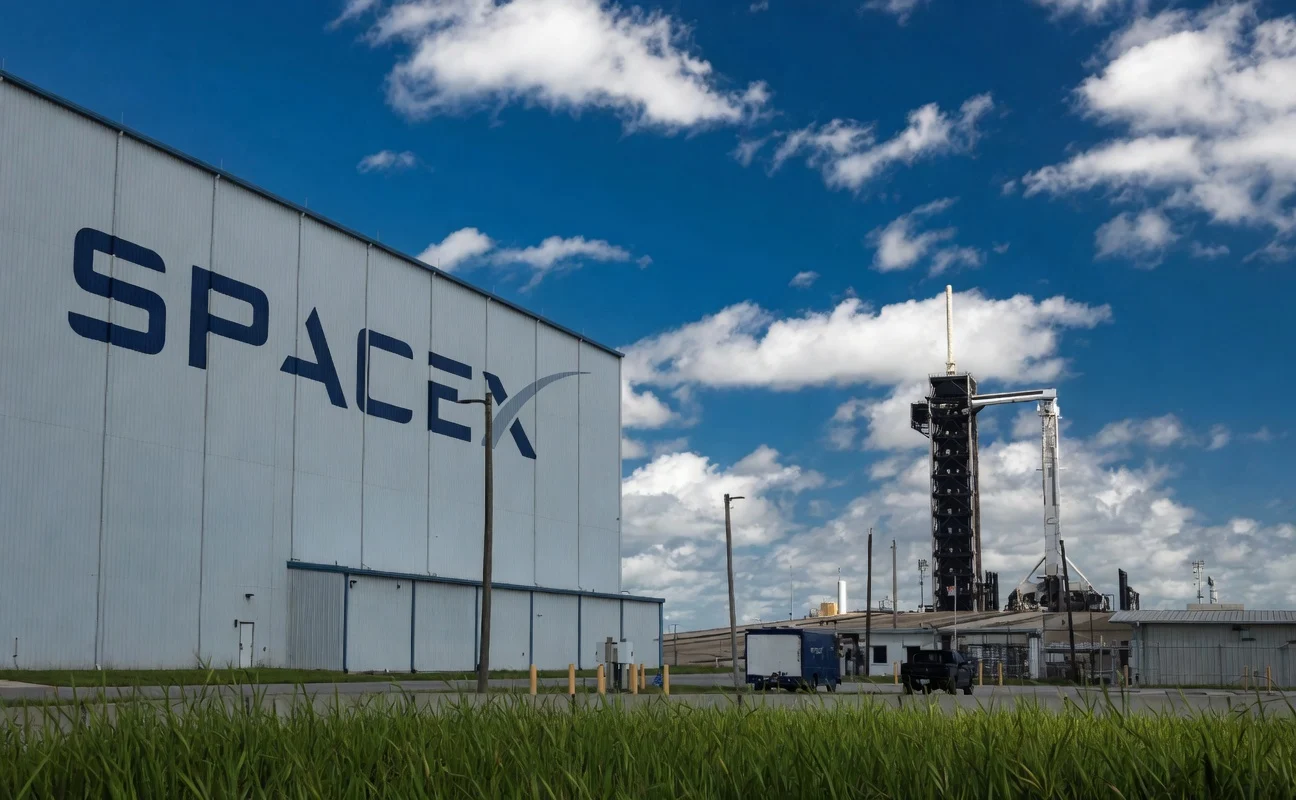
The technical narrative for AST SpaceMobile has been one of significant volatility. A bullish island reversal pattern materialized on August 4, marked by an 11% gap-up move. An island reversal is a strong bullish signal, characterized by a price gap down, a period of trading, and then a price gap up, leaving the intervening trading range isolated on the chart. This robust upturn followed a challenging period that included a death cross formation in late July. A death cross, a bearish technical event, occurs when the 50-day moving average slips beneath the 200-day moving average, typically signaling a long-term downtrend. The subsequent island reversal indicated a powerful shift in sentiment, suggesting that the earlier bearish signal might have been negated or at least tempered by new positive developments or market conviction. One market analyst suggests that AST SpaceMobile shares could challenge the $125 price zone by December, which would translate to a significant 76% appreciation from pre-earnings trading levels. This ambitious forecast underscores the high-risk, high-reward nature of investing in companies at the forefront of space technology, where successful execution of complex technological deployments can lead to exponential returns.
Broader Industry Context: The Ascendance of the New Space Economy
The aerospace and satellite sector continues to attract significant market attention, reflecting a broader macro trend toward the commercialization and democratization of space. The "New Space" economy, characterized by private sector innovation, reduced launch costs, and increased accessibility to space, is projected to grow substantially, with some estimates placing its value at over $1 trillion by 2040. This growth is fueled by diverse applications, including global satellite broadband, advanced Earth observation for climate monitoring and defense, in-space manufacturing, and even nascent space tourism.
The market’s enthusiasm is not limited to the pure-play space companies. Additional companies such as Honeywell Aerospace and RTX (formerly Raytheon Technologies) frequently appear on screening tools for top dollar volume among space-related securities. While these companies have broad portfolios extending beyond space, their substantial involvement in aerospace components, satellite systems, and defense technologies provides a broader indicator of investor interest in the sector’s underlying technologies and infrastructure. Honeywell, for example, is a major supplier of avionics, propulsion systems, and auxiliary power units for spacecraft, while RTX contributes significantly through its Collins Aerospace and Raytheon divisions, which develop advanced sensors, communication systems, and defense technologies crucial for both terrestrial and space applications. Their continued presence in discussions about top-performing space-related stocks highlights the interconnectedness of the traditional aerospace industry with the emerging space economy.
Driving Forces and Investment Implications
The recent surge in the space sector can be attributed to several driving forces. Firstly, the accelerating demand for satellite-based services, particularly broadband internet, is creating a robust market for launch providers and satellite operators. Companies like SpaceX with Starlink are at the forefront of this revolution, connecting underserved areas globally. Secondly, advancements in rocket technology, reusability, and manufacturing techniques are dramatically reducing the cost of access to space, making more ventures economically viable. This cost reduction is a critical enabler for the entire ecosystem. Thirdly, increased government and defense spending on space assets, driven by geopolitical considerations and the need for enhanced intelligence and communication capabilities, provides a stable revenue stream and fosters technological innovation.
From an investment perspective, the space sector offers compelling opportunities but also presents unique risks. The potential for high growth is significant, driven by disruptive technologies and vast untapped markets. However, companies in this sector often require substantial capital expenditure, face complex regulatory hurdles, and operate with inherent technical risks associated with rocket launches and satellite deployments. The volatility observed in companies like AST SpaceMobile underscores these challenges, where technical milestones and execution are paramount to long-term success. Investors are increasingly looking for companies with diversified revenue streams, proven technological capabilities, and strong management teams capable of navigating the sector’s complexities.
SpaceX and AST SpaceMobile continue commanding the most discussion among investors, largely due to their substantial involvement in satellite networks and orbital launch operations, which represent the foundational pillars of the modern space economy. SpaceX’s Starlink constellation is rapidly expanding, while its Starship program promises to revolutionize heavy-lift capabilities. AST SpaceMobile, despite its recent earnings miss, holds the potential for a truly transformative direct-to-cell service that could expand connectivity to billions worldwide. The market’s willingness to look past short-term setbacks for companies with such ambitious, long-term visions is a testament to the speculative yet potentially lucrative nature of this industry.
Outlook and Future Projections
The outlook for the space sector remains largely positive, albeit with an acknowledgment of inherent market volatility and technological challenges. Analysts widely anticipate continued innovation in launch systems, satellite technology, and in-orbit services. The trend towards greater commercialization is expected to accelerate, attracting further private investment and fostering competition. As companies mature and technologies become more reliable, the sector is likely to see consolidation and the emergence of dominant players.
The strong performances observed in the past week suggest a renewed optimism among investors regarding the sector’s ability to deliver on its ambitious promises. While individual stock performances will always be subject to specific company news, macroeconomic factors, and technical trading patterns, the underlying growth drivers for the space industry appear robust. The journey to a fully commercialized and accessible space economy is ongoing, but recent market activity indicates that investors are increasingly confident in its trajectory, positioning the sector for continued expansion and potentially significant long-term returns.














