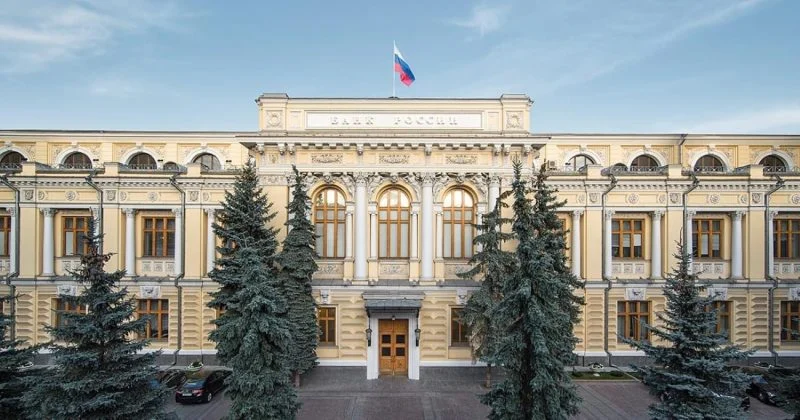
The Bank of Russia has officially unveiled a series of draft regulations designed to integrate cryptocurrency trading into the nation’s formal financial system, signaling a significant shift in the country’s approach to digital assets. This move aims to establish a robust regulatory infrastructure for Russia’s burgeoning digital asset market by amending existing organized trading regulations. Under the proposed framework, cryptocurrencies and digital rights will be brought into a regulated exchange environment, subjecting them to oversight similar to that of traditional securities and commodities. The central bank’s announcement marks a pivotal moment in Russia’s economic policy, transitioning from a period of skepticism and proposed bans to a pragmatic, structured embrace of digital finance as a tool for economic resilience and modernization.
The central bank’s proposed amendments target the very core of organized trading, requiring platforms to implement sophisticated mechanisms for price discovery. According to the draft, trading platforms will be mandated to calculate both market and weighted-average prices for digital assets, ensuring transparency and preventing price manipulation. These platforms will also be required to disclose detailed trading information and provide consistent data streams to the Bank of Russia for monitoring purposes. Furthermore, the amendments introduce formalized procedures for the suspension of trading in digital assets, a move designed to protect investors during periods of extreme volatility or suspected fraudulent activity.
The Emergence of Digital Depositories and Financial Safeguards
A cornerstone of the new regulatory package is the creation of "digital depositories," a brand-new category of regulated financial institutions. These entities will be tasked with the critical responsibility of recording the ownership of cryptocurrencies and digital rights, effectively acting as the digital equivalent of traditional securities depositories. By centralizing the record-keeping of digital assets, the Bank of Russia seeks to eliminate the ambiguities often associated with decentralized ledger technology while providing a legal nexus for asset recovery and ownership disputes.
To ensure the stability and reliability of these new institutions, the Bank of Russia has outlined stringent financial requirements. Depending on the complexity of their business activities—such as whether they interact with public blockchains or handle post-trade settlements—digital depositories will be required to maintain a minimum equity threshold. This threshold is set between 50 million and 250 million Russian rubles (approximately $550,000 to $2.7 million USD). Crucially, this equity must be composed of liquid, high-credit-quality assets to ensure that these institutions can meet their obligations even under market stress. Comparable financial requirements will also apply to electronic platform operators responsible for settling transactions involving digital financial assets (DFAs).
Beyond capital requirements, the proposed rules establish rigorous standards for internal operations. These include detailed protocols for digital asset recordkeeping, customer information management, account security, and access controls. The regulator has emphasized that digital depositories will operate under principles closely mirrored after conventional securities depositories, and their activities will be overseen through a central register maintained directly by the Bank of Russia. This centralized supervision is intended to integrate digital assets into the broader national financial safety net, providing a level of institutional trust that has historically been absent from the crypto market.
Chronology of Russia’s Shifting Crypto Policy
The journey toward this regulatory milestone has been marked by a decade of internal debate within the Russian government. To understand the significance of the current draft regulations, it is necessary to look at the timeline of Russia’s legislative evolution regarding digital assets:
- 2014–2017: Early stages characterized by hostility. The Bank of Russia and the Ministry of Finance frequently warned against "money surrogates," with some officials even proposing criminal penalties for bitcoin users.
- 2020–2021: The passage of the law "On Digital Financial Assets" (DFA). This was the first major step toward legalization, though it focused primarily on tokenized securities and commodities rather than decentralized cryptocurrencies like Bitcoin.
- January 2022: A period of intense friction. The Bank of Russia proposed a total ban on crypto mining and trading, citing risks to financial stability. However, the Ministry of Finance countered with a proposal for regulation rather than prohibition.
- February 2022–2023: Following the onset of major international sanctions, the Russian government’s stance softened. Officials began discussing the potential for using cryptocurrency to bypass SWIFT restrictions and facilitate international trade.
- August 2024: The Russian State Duma passed a landmark bill regulating the broader crypto market. This bill provided the legal foundation for the Bank of Russia’s current draft regulations, authorizing the use of crypto for cross-border commercial transactions while maintaining the ban on domestic payments.
- September 2024: The Bank of Russia releases the current package of draft regulations for public consultation, initiating the regulatory impact assessment process.
Supporting Data and Market Context
The push for regulation is driven by the sheer scale of the Russian cryptocurrency market. While official data is difficult to pinpoint due to the historically "gray" nature of the industry, various estimates provide a glimpse into the sector’s importance. According to data from Chainalysis and local Russian estimates, Russian citizens hold billions of dollars worth of crypto assets in private wallets. Estimates from the Russian government in 2022 suggested that Russians owned more than 16.5 trillion rubles (roughly $200 billion at the time) in cryptocurrency, representing a significant portion of the global market.
Furthermore, Russia has emerged as a global leader in cryptocurrency mining, often vying with the United States and Kazakhstan for the top spots in terms of hash rate. The abundance of low-cost energy in regions like Irkutsk and Siberia has fostered a massive industrial mining sector. By regulating the trading and custody of these assets, the Russian government aims to bring this economic activity into the tax net, potentially generating billions in annual revenue.
The specific equity requirements for digital depositories (50M to 250M rubles) reflect a desire to prevent "fly-by-night" operations from entering the market. By setting the bar relatively high, the Bank of Russia ensures that only well-capitalized firms with professional risk management systems can provide custodial services to the public.
Official Responses and Inferred Market Reactions
While the Bank of Russia has been the primary architect of these rules, the broader Russian political and financial establishment has shown varying degrees of support. The Ministry of Finance, which has long advocated for a regulated market over a ban, is expected to support the draft regulations as they align with the ministry’s goal of domestic resource mobilization.
Industry participants, particularly major Russian banks and brokerage firms, are expected to react with cautious optimism. For years, traditional financial institutions in Russia were hesitant to touch digital assets due to the lack of a clear legal framework. These new regulations provide the "rules of the road," allowing established players to launch their own digital asset platforms and custodial services.
However, some segments of the decentralized finance (DeFi) community and smaller crypto startups may find the new requirements burdensome. The high capital requirements and the need for central bank supervision could lead to market consolidation, where only a few large, state-aligned or heavily capitalized entities dominate the digital depository landscape. International observers, including the Financial Action Task Force (FATF), will likely scrutinize these regulations to ensure they include robust Anti-Money Laundering (AML) and Counter-Terrorism Financing (CTF) measures, especially given Russia’s current geopolitical standing.
Broader Impact and Strategic Implications
The implications of these regulations extend far beyond the borders of the Russian Federation. By creating a regulated bridge between traditional finance and digital assets, Russia is positioning itself as a pioneer in the "state-managed" crypto model. This stands in contrast to the more laissez-faire approaches seen in some jurisdictions or the outright bans seen in others.
The most immediate impact will be on international trade. With the State Duma’s recent approval of crypto for cross-border transactions, the new infrastructure will allow Russian exporters and importers to settle trades in digital assets through regulated domestic platforms. This is a direct response to the exclusion of major Russian banks from the global SWIFT network. By utilizing a regulated internal exchange and depository system, Russia can facilitate trade with partners in the BRICS nations and other "friendly" countries while minimizing the risk of asset seizure or transaction blocking by Western financial authorities.
Domestically, the regulations are likely to spur a wave of innovation in the "Digital Financial Assets" (DFA) space. We may see the emergence of tokenized real-world assets, such as gold, oil, or real estate, traded on the same regulated platforms as cryptocurrencies. This could provide Russian investors with new ways to diversify their portfolios in a market that has become increasingly isolated from Western stock and bond markets.
Conclusion and Implementation Timeline
The Bank of Russia has clarified that the current draft regulations are part of a multi-year transition. Most provisions of the overarching crypto law are scheduled to take effect on September 1, 2026. This gives the central bank and the private sector nearly two years to build the necessary technical infrastructure and for firms to apply for the requisite licenses. Full compliance with the new framework is expected by July 2027.
The period between now and 2027 will involve a series of pilot programs and regulatory "sandboxes" where the Bank of Russia will test the efficacy of its digital depository and trading platform rules. Additionally, further measures related to fraud prevention and cybersecurity are expected to be introduced later in the implementation cycle.
In summary, the Bank of Russia’s draft regulations represent a calculated effort to harness the benefits of blockchain technology while maintaining strict sovereign control over the financial system. By defining the roles of digital depositories and setting clear standards for organized trading, the central bank is attempting to transform a once-marginalized "gray" market into a pillar of Russia’s future digital economy. Whether this framework will successfully attract the necessary liquidity and international trust remains to be seen, but the intent is clear: Russia is moving toward a future where the line between traditional and digital finance is increasingly blurred.