The Iranian government has significantly escalated its law enforcement efforts against unauthorized cryptocurrency mining, with state authorities reporting the detection and seizure of 9,404 illegal mining farms over the last five months. This aggressive crackdown comes in response to a deepening energy crisis that has seen the country grapple with widespread power blackouts, particularly during the peak summer months. Kambiz Nazerian, the head of the Tehran Electricity Distribution Company, confirmed in a recent statement that police units discovered thousands of energy-intensive devices concealed across various districts of the capital city. This surge in enforcement reflects a growing tension between the burgeoning digital asset industry and the state’s obligation to maintain a stable electrical grid for its nearly 88 million citizens.
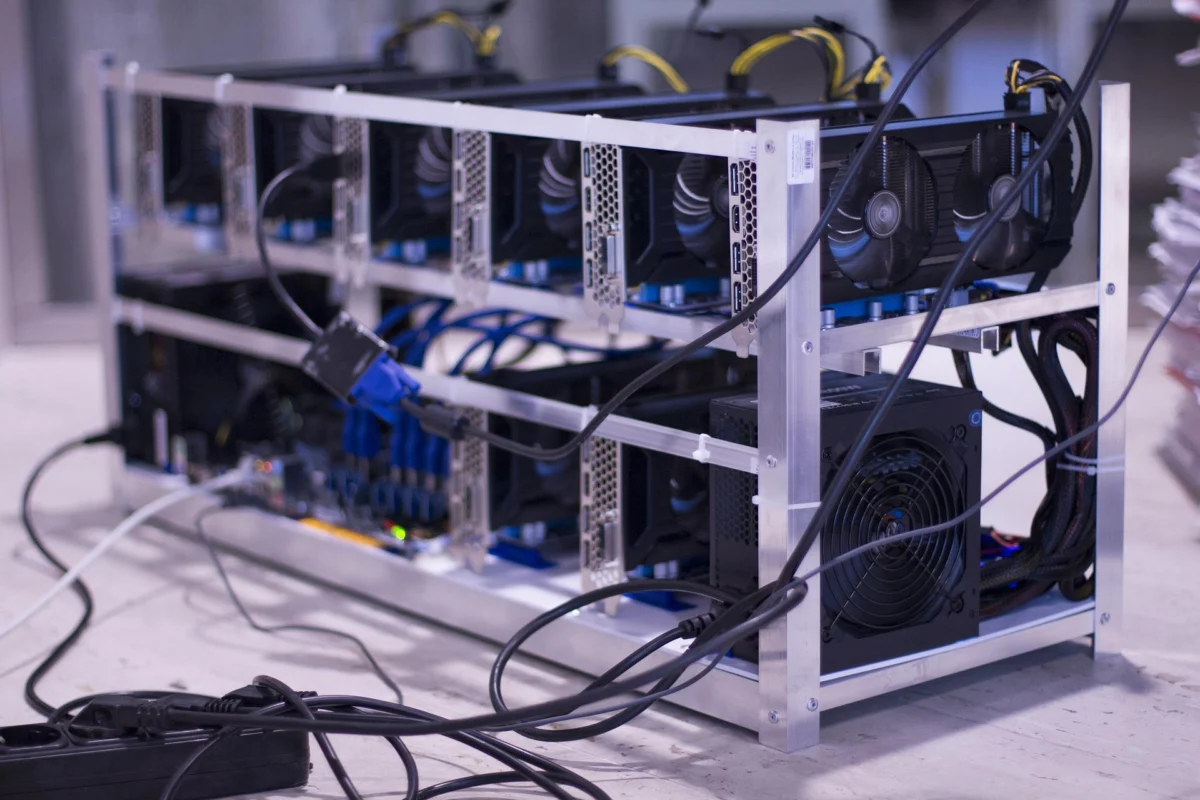
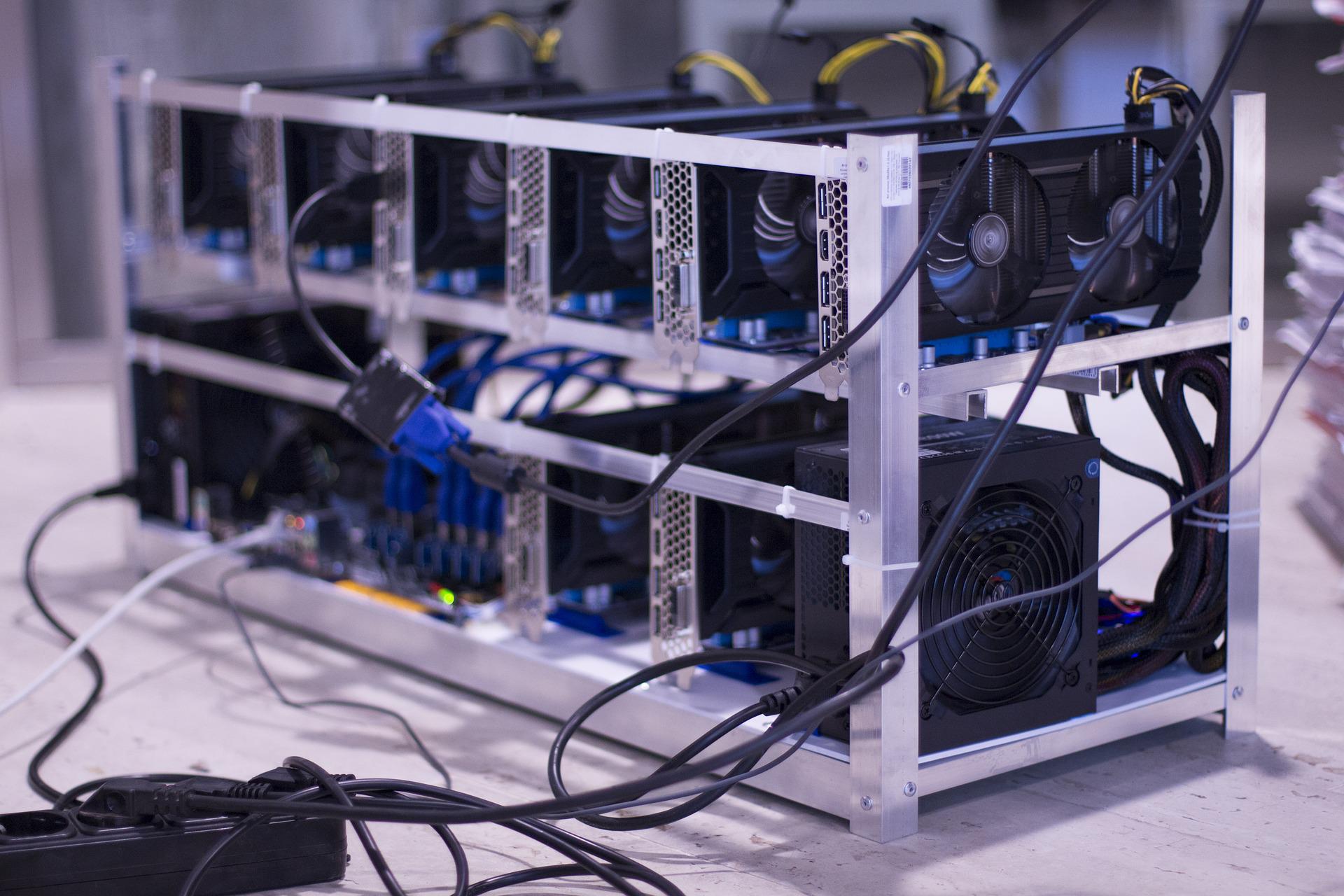
The scale of the operation is unprecedented. In June alone, Iranian police confiscated 7,000 illegal mining machines, marking one of the largest single-month hauls in the country’s history. These devices, primarily high-powered Application-Specific Integrated Circuit (ASIC) miners, are designed for the sole purpose of solving complex cryptographic puzzles to secure blockchain networks and earn rewards in tokens like Bitcoin. However, the sheer volume of electricity required to run these machines has placed an unsustainable burden on Iran’s aging energy infrastructure. While Iran is an oil-rich nation with some of the world’s largest natural gas reserves, its domestic power generation and distribution networks have struggled to keep pace with the combined demands of industrial growth, household consumption, and the clandestine crypto-mining sector.
The Socio-Economic Drivers of Iranian Crypto Mining
The proliferation of crypto mining in Iran is driven by a unique set of economic circumstances. Due to its vast fossil fuel reserves, the Iranian government heavily subsidizes electricity for its citizens and various public institutions. This makes the cost of power in Iran among the lowest in the world, creating a highly profitable environment for "energy arbitrage." Miners can convert cheap, subsidized electricity into high-value digital assets that can be traded globally, often bypassing international banking sanctions that have historically hampered the Iranian economy.
A particularly controversial aspect of this trend is the discovery of mining rigs in public and religious spaces. Reports from Iranian media outlets indicate that a significant number of unregistered miners have set up operations in mosques and schools. These institutions receive free or highly subsidized electricity from the government, allowing miners to operate with virtually zero overhead costs. The exploitation of these subsidies has drawn sharp criticism from officials, who argue that public resources intended for communal and educational purposes are being diverted for private financial gain. Furthermore, the involvement of influential networks and foreign groups, including Chinese mining syndicates, has added a layer of geopolitical complexity to the issue. Following China’s comprehensive ban on crypto mining in 2021, many large-scale operators sought refuge in regions with low energy costs, with Iran becoming a primary destination for relocated hardware.
A Chronology of Regulatory Volatility
Iran’s relationship with the cryptocurrency sector has been characterized by a cycle of legalization, restriction, and enforcement. The timeline of the country’s policy shifts illustrates the difficulty of balancing technological innovation with resource management:
- 2019: Legalization and Licensing: The Iranian government officially recognized crypto mining as an industrial activity, requiring operators to obtain licenses from the Ministry of Industry, Mine and Trade. Licensed miners were required to pay a higher electricity tariff, closer to export rates, to compensate for the heavy load.
- Early 2021: First Major Crackdown: As power outages began to disrupt major cities, authorities seized 45,000 ASIC machines. The state-run energy provider, Tavanir, reported that these machines were using subsidized electricity meant for households and essential services.
- May 2021: The Four-Month Ban: Faced with a severe summer heatwave and dwindling hydroelectric reserves, the government implemented a total ban on all crypto mining—including licensed operations—from May until September.
- Late 2021 – Early 2022: Restrictions were periodically reintroduced during the winter months to prioritize natural gas for heating over industrial power consumption.
- June 2022: A massive police operation resulted in the seizure of 7,000 rigs in a single sweep, highlighting the persistence of underground mining despite previous bans.
- August 2022: Authorities shut down an additional 1,620 crypto mining operations. Data revealed that these specific operations had consumed approximately 250 megawatts of electrical power over an 18-month period—an amount equivalent to the consumption of several small towns.
Technical Impact and Global Hashrate Contribution
According to the Cambridge Bitcoin Electricity Consumption Index (CBECI), Iran’s contribution to the global Bitcoin hashrate—a measure of the total computational power used to mine and process transactions—reached a peak of approximately 7.5% in early 2021. While this figure has fluctuated due to regulatory crackdowns, it underscores Iran’s role as a major hub in the global crypto ecosystem.
The energy consumption associated with this hashrate is substantial. Experts estimate that at its peak, mining in Iran required nearly 2,000 megawatts of power daily. For a country already facing water shortages that affect hydroelectric output, the addition of such a massive industrial load has proved catastrophic. The blackouts resulting from this strain have led to national protests, as citizens in cities like Tehran and Isfahan faced hours without air conditioning or refrigeration during record-breaking temperatures.
Official Responses and Enforcement Strategy
The Iranian government’s response has moved beyond simple confiscation. Tavanir, the state-run power generation and transmission company, has implemented a bounty system, offering financial rewards to citizens who report illegal mining activities in their neighborhoods. Additionally, the government has introduced legislation to increase the fines for illegal mining, with penalties now including the permanent confiscation of equipment and the potential for prison sentences for repeat offenders.
Kambiz Nazerian emphasized that the detection methods have become more sophisticated. "We are utilizing smart meters and analyzing load patterns to identify unusual surges in electricity consumption that are characteristic of mining hardware," he stated. "Our priority is the stability of the national grid and the comfort of our citizens. Unauthorized use of subsidized power for mining is a direct violation of public rights."

Despite the crackdowns, the government has not abandoned the idea of a regulated crypto industry. Officials have suggested that if mining is done using renewable energy or during off-peak hours at fair market prices, it could provide a legitimate stream of revenue for the state. In fact, Iran recently made headlines by placing its first official import order using cryptocurrency, signaling that while mining is being restricted, the use of digital assets for international trade remains a strategic interest for the sanctioned nation.
Broader Implications and Future Outlook
The situation in Iran is a microcosm of a global debate regarding the environmental and social costs of Proof-of-Work (PoW) mining. Other regions, such as Kosovo and parts of Kazakhstan, have faced similar energy crises and social unrest, leading to total or partial bans on the industry. The Iranian case highlights the inherent conflict between a decentralized, energy-hungry technology and a centralized, resource-constrained state.
For the global Bitcoin network, the crackdown in Iran represents a continued shift in the geographic distribution of hashrate. As miners are pushed out of Iran, they are likely to seek capacity in North America, Russia, or Latin America, potentially leading to a more decentralized but also more regulated global landscape.
As the September deadline for the lifting of current restrictions approaches, the Iranian government faces a difficult choice. It must decide whether to reintegrate licensed miners into a fragile grid or maintain a hardline stance that could stifle a potential source of economic resilience. For now, the focus remains on enforcement. With nearly 10,000 farms dismantled in less than half a year, the message from Tehran is clear: the era of "free" electricity for crypto mining has come to an end, and the state will prioritize the light bulbs of its citizens over the blinking lights of mining rigs.