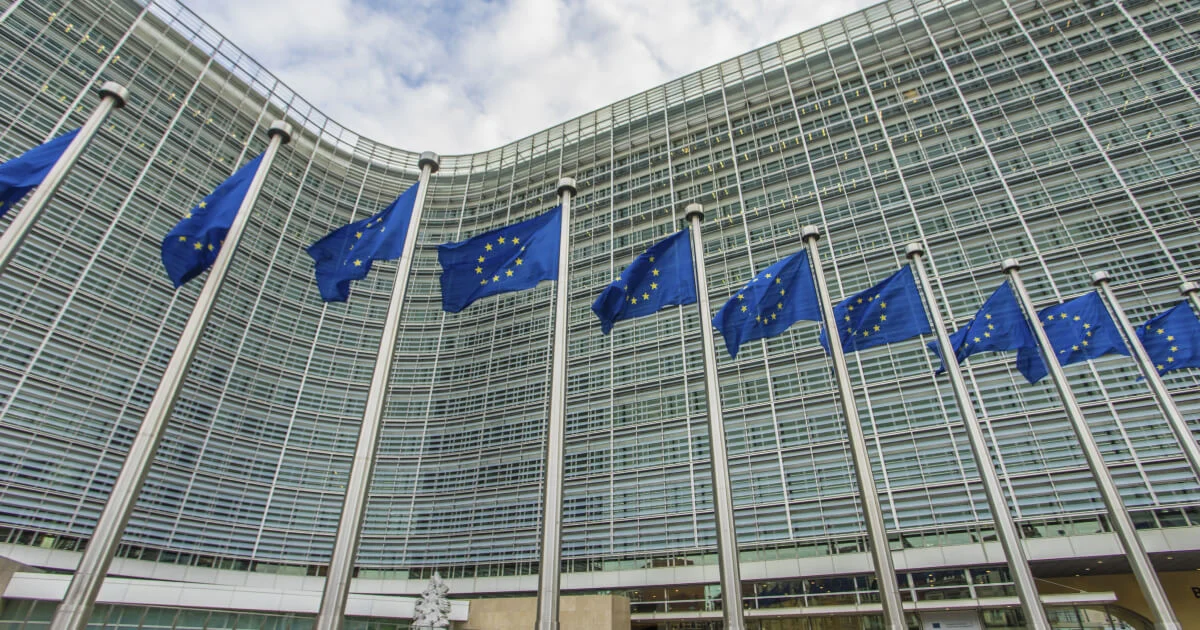
On July 23, 2026, the European Union formally adopted its 21st package of restrictive measures against the Russian Federation, representing the most expansive and aggressive set of designations since the initial stages of the conflict in Ukraine four years ago. This latest round of sanctions, comprising 218 new listings, signals a decisive shift in European strategy, moving beyond traditional trade barriers to dismantle the sophisticated financial and digital infrastructure that has allowed Moscow to sustain its war economy. The package focuses heavily on the "plumbing" of the Russian financial system, targeting over 100 banking institutions and, for the first time with such intensity, the cryptocurrency sector. By introducing a novel legal mechanism to ban crypto-asset services from entire jurisdictions, the EU is effectively building a "digital iron curtain" intended to block the final remaining avenues for sanctions circumvention.
The 21st package arrives at a critical juncture in the geopolitical landscape. Despite years of mounting pressure, the Russian economy has shown a degree of resilience, largely by pivoting toward non-Western financial systems and leveraging decentralized digital assets. European Council officials noted that the primary objective of this new legislation is to "close the loop" on evasion tactics that have utilized third-country intermediaries and crypto-asset service providers (CASPs) to facilitate the movement of capital and the procurement of dual-use technologies.
A Targeted Strike on the Crypto-Asset Ecosystem
A central pillar of this package is the extension of transaction bans to 14 specific crypto-related service platforms. These entities are headquartered across six jurisdictions: Georgia, Panama, the United Arab Emirates (UAE), the Marshall Islands, Kyrgyzstan, and Belarus. According to the Council of the European Union, these platforms have functioned as essential conduits for Russian entities seeking to bypass existing financial restrictions. By facilitating the conversion of rubles into stablecoins and other digital assets, these platforms allowed for the seamless transfer of value across borders, often bypassing the scrutiny of the SWIFT network and traditional banking oversight.
The designated platforms are now subject to an absolute transaction ban, meaning any EU person or entity is prohibited from conducting business with them. This move is designed to isolate these platforms from the European liquidity pool and prevent them from serving as bridges for sanctioned Russian capital. The selection of these specific jurisdictions highlights the EU’s concern regarding "regulatory havens" where lax anti-money laundering (AML) and counter-terrorist financing (CTF) standards have historically allowed high-risk transactions to flourish.
The Nuclear Option: The Third-Country Ban Mechanism
Perhaps the most significant legal innovation within the 21st package is the introduction of a first-of-its-kind "third-country ban" mechanism for crypto services. This mechanism grants the European Commission the authority to impose a blanket prohibition on transactions between EU entities and any crypto provider located in a specific country, should that jurisdiction be deemed a persistent host for services used to evade Russian sanctions.
While the EU has previously targeted specific entities, this new tool allows for jurisdiction-level restrictions. If a third country fails to implement adequate oversight or continues to harbor platforms that facilitate Russian sanctions evasion, the EU can effectively "de-list" that country’s entire crypto sector from the European market. Although this mechanism has not yet been triggered against a specific nation, its mere existence serves as a powerful deterrent. It places the onus on third-country regulators to ensure their domestic crypto industries are not being weaponized by the Kremlin. For CASPs operating globally, this creates a binary risk environment: either adhere to stringent transparency standards or risk losing access to the world’s largest integrated market.
Chronology of Escalation: The Path to the 21st Package
The adoption of this package is the culmination of a multi-year legislative evolution. To understand the gravity of the 21st package, it is necessary to view it through the timeline of EU-Russia relations since early 2022:
- February – March 2022: The initial "shock and awe" packages focused on the Russian central bank’s reserves and the disconnection of major banks from SWIFT.
- 2023: The focus shifted to trade, including the introduction of the G7-led oil price cap and bans on high-tech exports.
- 2024 – 2025: Sanctions became increasingly granular, targeting "shadow fleet" vessels and secondary sanctions against companies in China, Turkey, and the UAE that assisted in dual-use technology transfers.
- Early 2026: The EU harmonized its sanctions against Belarus with those against Russia to prevent Minsk from serving as a back-door for Russian trade.
- July 23, 2026: The 21st package is enacted, prioritizing the total neutralization of crypto-assets as an evasion tool and freezing the oil price cap for another year.
Dismantling the Financial Infrastructure
Beyond the digital asset space, the 21st package delivers a massive blow to Russia’s traditional financial sector. The EU has imposed asset freezes on 94 additional banks and major financial institutions. Furthermore, 33 Russian credit and financial institutions have been added to the list of entities banned from utilizing financial messaging services, effectively severing their remaining ties to the international banking system.
A notable inclusion in this round is the targeting of non-Russian financial institutions that facilitate circumvention. Specifically, a Kyrgyz bank has been sanctioned for its connection to Russia’s System for Transfer of Financial Messages (SPFS), the Kremlin’s domestic alternative to SWIFT. This signals the EU’s readiness to penalize third-country banks that integrate with Russian-made financial infrastructure, forcing global banks to choose between the Russian market and the Eurozone.
Energy and the "Shadow Fleet"
On the energy front, the EU has maintained its aggressive stance on Russian hydrocarbons. The oil price cap, a cornerstone of the G7’s strategy to limit Kremlin revenue without destabilizing global markets, has been frozen at $44.10 per barrel until July 15, 2027. This move is intended to provide long-term certainty to global insurers and shipping companies while keeping Russian margins razor-thin.
To enforce this cap, the EU has sanctioned an additional 41 vessels belonging to the so-called "shadow fleet." These are tankers that operate outside of Western insurance and regulatory frameworks, often using opaque ownership structures to transport Russian crude. By blacklisting these specific vessels, the EU makes it illegal for European service providers—including tugboats, port authorities, and maritime insurers—to interact with them, significantly increasing the operational costs and risks for Russian oil exports.
Military-Industrial Complex and Drone Warfare
Reflecting the changing nature of the conflict on the ground, the 21st package includes 56 listings specifically tied to Russia’s military-industrial complex. Of these, 37 are directly linked to the production and supply chain of long-range drones. Drones have become a defining feature of the war, and the EU is aiming to choke off the supply of specialized sensors, engines, and microelectronics required for their manufacture. These designations target not only the manufacturers themselves but also the procurement agents and front companies located in third countries that facilitate the "gray market" import of Western components.
Compliance Implications for the Global Crypto Industry
The implications of the 21st package for the cryptocurrency industry are profound. For years, the sector operated in a regulatory gray area regarding sanctions. However, the EU’s latest move clarifies that CASPs are now viewed through the same lens as traditional Tier-1 banks.
For EU-based crypto businesses, the package necessitates a rigorous overhaul of compliance programs. The introduction of the Transfer of Funds Regulation (TFR) in the EU already requires enhanced due diligence for transactions involving non-EU counterparties. Under the 21st package, these obligations are amplified. EU CASPs must now verify that their third-country counterparties are not among the 14 designated platforms and are not operating in a jurisdiction that could soon face a blanket ban.
Furthermore, the package highlights a critical distinction between the Markets in Crypto-Assets (MiCA) regulation and sanctions enforcement. While MiCA provides the framework for legal operation within the EU, the 21st package is a security-driven instrument. A platform could be MiCA-compliant but still find itself in violation of sanctions if it fails to adequately screen for Russian-linked actors.
Official Reactions and Global Impact
While Moscow has historically dismissed EU sanctions as "illegal and ineffective," the scale of the 21st package has prompted a more pointed response. Inferred statements from Russian financial authorities suggest an increased reliance on "friendly" nations and a push to further develop the Digital Ruble as a means of bypassing Western-controlled rails.
Conversely, European leaders have hailed the package as a testament to Western unity. High Representative for Foreign Affairs Josep Borrell emphasized that these measures are designed to "drain the resources" of the Russian military machine. Analysts suggest that the focus on crypto is a recognition of the technology’s maturity; it is no longer a niche curiosity but a systemic component of global finance that must be regulated with the same rigor as the bond or equity markets.
The long-term impact of the 21st package will likely be measured by the degree to which third-country jurisdictions comply with the new crypto mechanism. If countries like the UAE or Panama tighten their domestic oversight to avoid a total EU ban, the "digital iron curtain" will have achieved its goal. If they do not, the global financial system may see a further fragmentation, with the EU and its allies on one side and a parallel, Russia-integrated financial ecosystem on the other.
As of late July 2026, blockchain analytics firms like Chainalysis have already begun updating their risk-scoring algorithms to reflect the new designations. For compliance officers, the message is clear: the era of "wait and see" regarding crypto sanctions is over. The 21st package has transformed digital assets from a potential loophole into a primary front in the economic war.