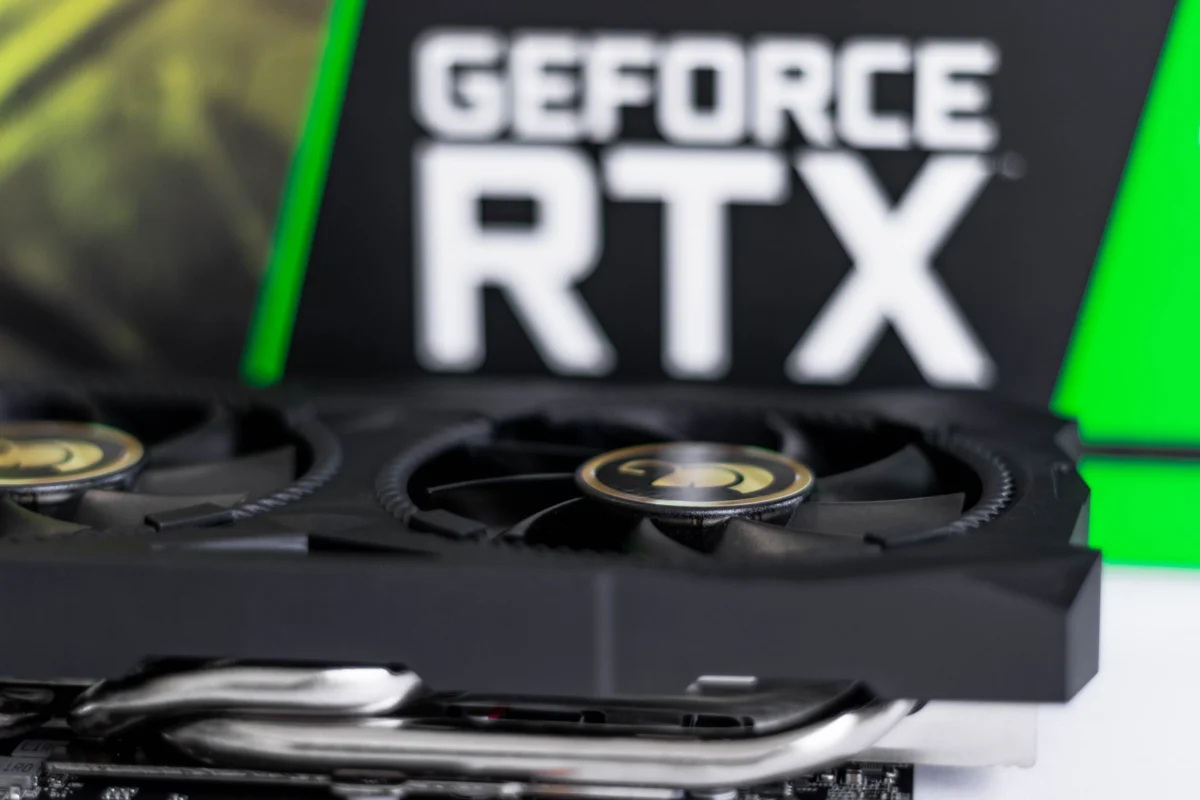
The secondary market for graphics processing units (GPUs) in China has entered a period of unprecedented volatility as cryptocurrency miners liquidate their inventories following aggressive regulatory intervention from Beijing. In a dramatic shift from the hardware shortages that defined the previous year, high-end cards like the Nvidia GeForce RTX 3060 are now appearing on second-hand platforms for as low as $270. This price collapse serves as a tangible indicator of the "Great Mining Migration" currently reshaping the global digital asset landscape, as Chinese industrial-scale operations shutter their doors and flood the market with used silicon.
The Regulatory Catalyst: Beijing’s Zero-Tolerance Policy
The current surplus of hardware is the direct result of a multi-pronged offensive by the Chinese government against the cryptocurrency sector. While China has historically maintained a cautious stance toward digital assets, the summer of 2021 marked a decisive turning point. The State Council’s Financial Stability and Development Committee, led by Vice Premier Liu He, announced a stringent crackdown on Bitcoin mining and trading activities, citing concerns over financial risk and the environmental impact of energy-intensive mining operations.
Following this directive, major mining hubs including Sichuan, Inner Mongolia, Xinjiang, and Yunnan issued immediate "cease and desist" orders to facilities utilizing both hydroelectric and coal-based power. For many miners, the sudden loss of access to the national grid meant that their multi-million dollar investments in hardware were effectively rendered useless overnight. While some larger entities have begun the arduous process of relocating thousands of machines to jurisdictions like Texas, Kazakhstan, and Russia, many smaller and mid-sized operators have opted for a total exit, leading to the current deluge of used GPUs on platforms like Xianyu and other regional marketplaces.
Market Data: A Steep Decline in Hardware Valuation
The pricing data emerging from Chinese secondary markets reveals a stark contrast to the MSRP (Manufacturer’s Suggested Retail Price) and the inflated "scalper" prices seen throughout late 2020 and early 2021. At the height of the GPU shortage, an Nvidia RTX 3060, which carries an official MSRP of $329, was frequently retailing for $800 to $1,000 due to supply chain constraints and insatiable demand from miners.
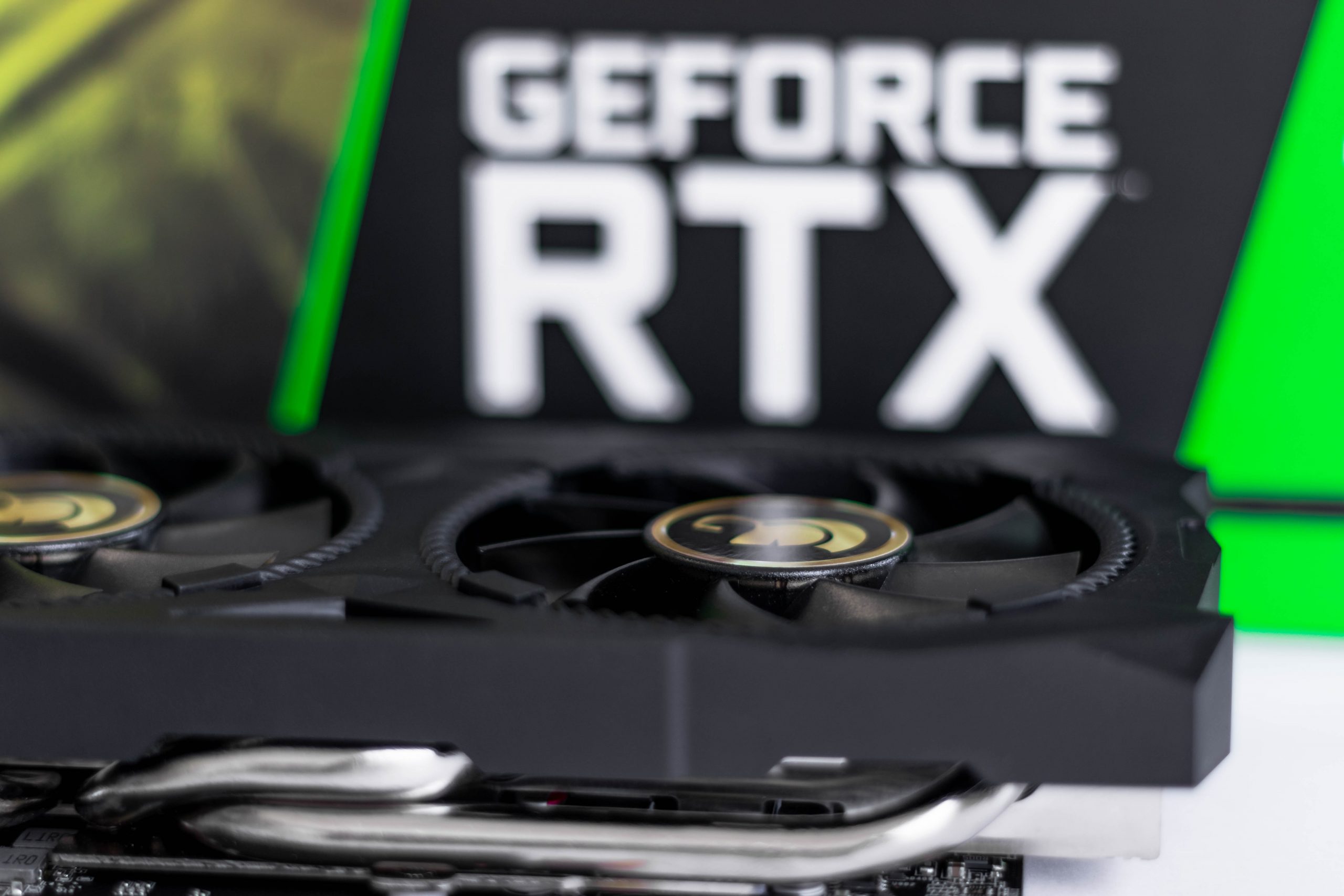
Current listings indicate a total reversal of this trend:
- Nvidia RTX 3060: Units are being spotted for approximately $270, a significant discount below the original retail price.
- Nvidia RTX 3060 Ti: This highly efficient mining card is now listed for roughly $350.
- Nvidia RTX 3070: Prices have dropped to near $400, down from peaks that exceeded $1,200.
Furthermore, the sell-off is not limited to desktop components. In an unusual turn of events, gaming laptops equipped with RTX 3060 GPUs—which were repurposed for mining during the height of the bull market—are being listed for around $1,000 per unit. The inventory includes not only the current Ampere (Nvidia) and RDNA2 (AMD) architectures but also older generations such as the Pascal (GTX 10-series) and Polaris (RX 400/500 series) cards, which had remained profitable for Ethereum mining until the recent crackdown.
The Bulk-Sale Hurdle and Buyer Hesitation
Despite the attractive price points, these graphics cards are not moving as quickly as one might expect in a market starved for hardware. A primary reason for this is the "bulk-only" nature of the listings. Most miners are not interested in the logistical overhead of selling individual units to gamers. Instead, listings frequently stipulate a minimum purchase of 100 to 200 units. This requirement effectively excludes the average consumer, leaving only professional resellers or international hardware flippers as potential buyers.
There is also a significant technical concern regarding the "health" of these components. Mining GPUs are typically operated 24 hours a day, seven days a week, often in dense clusters with limited airflow. While many professional miners undervolt their cards to maximize efficiency and longevity, others push the hardware to its absolute limit via overclocking to squeeze out every possible megahash.
Prospective buyers are wary of:

- Thermal Degradation: Constant heat exposure can dry out thermal pads and degrade the thermal paste, leading to overheating issues.
- Fan Failure: Cooling fans are mechanical parts that are often the first to fail after months of continuous high-speed operation.
- VRAM Stress: Ethereum mining, the primary driver for GPU demand, is extremely intensive on Video RAM (VRAM), which can lead to memory artifacts or total board failure over time.
The Shift to the Digital Yuan
The vacuum left by the exit of decentralized cryptocurrencies is being rapidly filled by the People’s Bank of China (PBOC) and its development of the Digital Yuan (e-CNY). Analysts suggest that the crackdown on Bitcoin mining was partially motivated by the state’s desire to eliminate competition for its sovereign digital currency. By removing the infrastructure that supports decentralized assets, the government can more effectively monitor capital flows and implement its Central Bank Digital Currency (CBDC) on a national scale. This transition marks a fundamental shift in China’s financial technology strategy, moving away from the "wild west" of private crypto and toward a highly regulated, state-controlled digital economy.
Global Implications: The Easing of the GPU Shortage
The influx of used cards in China is beginning to resonate in the global market. In Europe, specifically Germany and Austria, reports indicate that GPU prices have dropped by as much as 40% from their May peaks. While the global semiconductor shortage remains a factor, the reduction in mining demand is providing much-needed relief to the PC gaming and professional visualization sectors.
Adding to this downward pressure is the impending technical evolution of the Ethereum network. Ethereum, the second-largest cryptocurrency, is transitioning from a Proof-of-Work (PoW) consensus mechanism to Proof-of-Stake (PoS). This transition, often referred to as "The Merge," will eliminate the need for GPU mining entirely for the Ethereum network. Nvidia CEO Jensen Huang addressed this shift during the E3 2021 period, noting that as mining demand wanes, the company expects its core gaming audience to finally find hardware at reasonable prices.
Bitcoin’s Market Position Amidst the Turmoil
As the hardware market fluctuates, the underlying asset that sparked the mining boom—Bitcoin—remains in a period of consolidation. At the time of reporting, Bitcoin (BTC) is trading at approximately $33,000, representing a modest 2% increase over a 24-hour period but a slight decline on the weekly chart.
The cryptocurrency has struggled to breach the $35,000 resistance level, a hurdle that analysts believe is necessary to reclaim a bullish trajectory. The massive drop in hash rate—the total computational power securing the network—resulting from the Chinese ban has caused the network’s mining difficulty to adjust downward. While this makes it more profitable for miners outside of China to operate, it has also introduced a period of uncertainty as the "hash power" migrates to the Western Hemisphere.

Analysis: A New Era for Hardware and Finance
The liquidation of GPUs in China is more than a simple market correction; it is a symptom of a larger geopolitical and technological realignment. For years, China was the undisputed heart of the cryptocurrency mining world, accounting for over 60% of the global hash rate at its peak. That era has officially ended.
For the hardware industry, this sell-off provides a "safety valve" for the supply chain. While the quality of ex-mining cards remains a point of contention, their availability at lower prices forces retailers and manufacturers to reconsider their pricing strategies for new units. For the cryptocurrency industry, the migration of mining away from China is being viewed by many as a long-term positive, as it decentralizes the network geographically and may lead to a more "green" mining ecosystem as operators seek out renewable energy sources in the West.
As the dust settles on the Chinese crackdown, the sight of hundreds of RTX 3060s stacked in warehouses, waiting for bulk buyers, serves as a stark reminder of how quickly regulatory shifts can upend even the most profitable technological frontiers. The "cheap" GPUs currently flooding the market are the artifacts of a closed chapter in the history of digital finance.