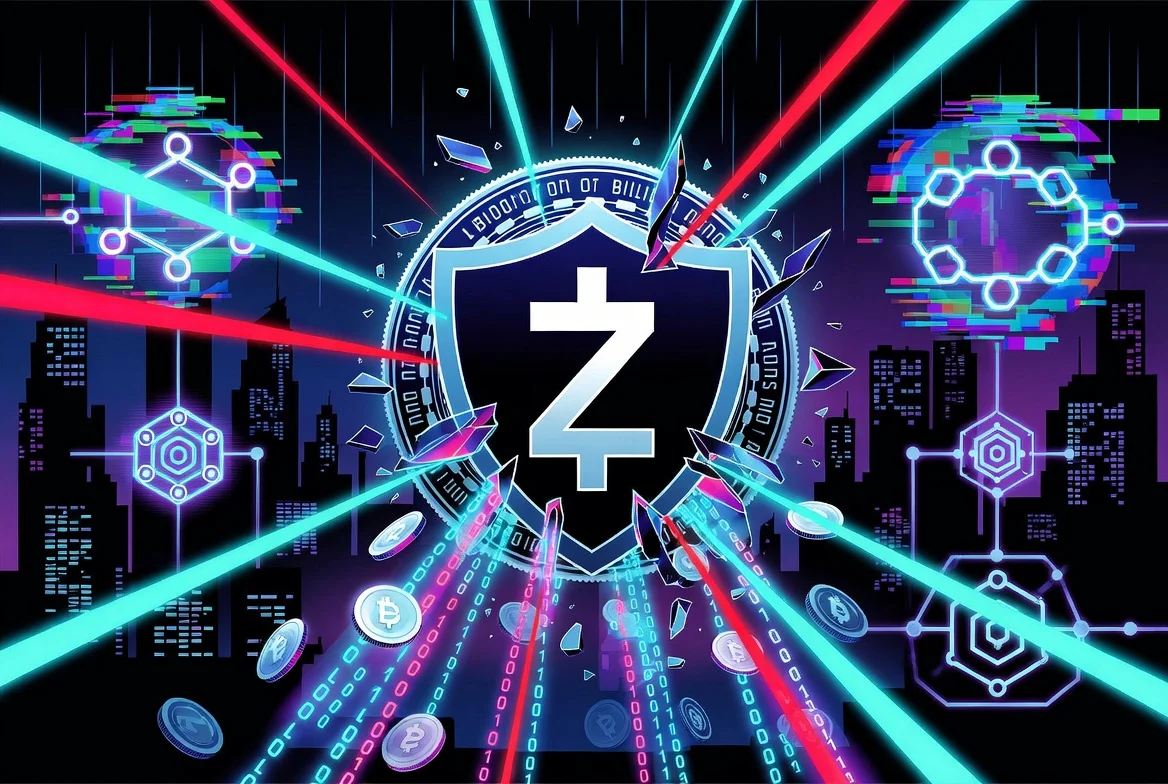
Zcash founder Zooko Wilcox recently announced that the privacy-centric blockchain has successfully undergone a rigorous security audit conducted by Anthropic’s Mythos AI model, revealing no new critical vulnerabilities within the protocol’s core architecture. The audit, commissioned by Shielded Labs, represents a significant milestone in the integration of advanced artificial intelligence within the realm of blockchain security and cryptographic verification. As privacy-preserving technologies face increasing scrutiny from global regulators and financial institutions, the results of this AI-driven assessment provide a timely affirmation of the protocol’s structural integrity.
The initiative was spearheaded by Shielded Labs, an independent organization dedicated to the advancement and protection of the Zcash ecosystem. By leveraging Anthropic’s Mythos model—a sophisticated large language model (LLM) designed with enhanced reasoning capabilities for technical analysis—the team sought to identify potential exploits, logic flaws, or cryptographic weaknesses that might have eluded previous human-led inspections. While the audit did not uncover any "serious bugs," the process itself underscores a broader industry shift toward "security hardening," a continuous effort to fortify decentralized networks against increasingly complex cyber threats.
The Strategic Importance of AI in Cryptographic Auditing
The utilization of Anthropic’s Mythos model for a protocol as complex as Zcash marks a pivotal moment for the cryptocurrency industry. Historically, security audits have been the exclusive domain of specialized firms such as Trail of Bits, Least Authority, or OpenZeppelin, where human researchers manually review thousands of lines of code. While human intuition remains irreplaceable for identifying high-level conceptual flaws, AI models offer a unique advantage in scanning vast codebases for pattern-based vulnerabilities, edge-case logic errors, and consistency across multifaceted dependencies.
For Zcash, a protocol built on the intricate mathematics of Zero-Knowledge Succinct Non-Interactive Arguments of Knowledge (zk-SNARKs), the margin for error is virtually zero. Unlike transparent blockchains where transaction data is publicly visible and easily auditable on a block explorer, privacy coins rely on the absolute correctness of their cryptographic proofs. A single flaw in the implementation of these proofs could theoretically allow for the undetected creation of counterfeit tokens or the deanonymization of users. By passing the Mythos AI audit, Zcash demonstrates that its underlying code remains resilient even when subjected to the latest automated adversarial analysis tools.
Chronology of Zcash Security and Development Milestones
To understand the significance of the Mythos audit, it is essential to view it within the context of Zcash’s long history of security-first development. Since its inception in 2016, the Zcash protocol has undergone several major upgrades, each aimed at improving performance, scalability, and privacy.
- The Sprout Era (2016): Zcash launched with the Sprout series, establishing the first wide-scale implementation of zk-SNARKs. However, this version required a "trusted setup" ceremony, which was a point of contention for some decentralization purists.
- The Sapling Upgrade (2018): This was a transformative update that significantly reduced the time and memory required to create shielded transactions, making privacy features accessible on mobile devices and hardware wallets.
- The Discovery of the Counterfeiting Vulnerability (2019): In a landmark moment for blockchain transparency, the Electric Coin Company (ECC) revealed they had discovered and patched a subtle cryptographic flaw that could have allowed an attacker to manufacture Zcash. The fact that no inflation occurred demonstrated the effectiveness of the team’s internal auditing processes.
- The Halo 2 Breakthrough and the Removal of Trusted Setup (2022): With the Nu5 (Network Upgrade 5), Zcash transitioned to the Halo 2 proving system. This eliminated the need for a trusted setup, removing a theoretical systemic risk and moving the protocol toward a more trustless architecture.
- The 2026 Mythos Audit: This latest security check by Shielded Labs and Anthropic represents the next generation of protocol maintenance, ensuring that the post-Halo 2 environment is secure against AI-augmented threat detection.
Regulatory Context and the Privacy Coin Paradox
The positive results of the Anthropic audit arrive at a time when privacy coins are navigating a treacherous regulatory landscape. Financial authorities in the United States, the European Union, and several Asian jurisdictions have expressed concerns regarding the potential for anonymous transactions to be used for illicit activities, including money laundering and terrorism financing. This has led to a wave of "de-risking" by centralized exchanges, with platforms like Binance and OKX delisting Zcash and Monero in certain regions to comply with local laws.
However, the Zcash community argues that privacy is a fundamental human right and a necessity for a functioning global economy. Proponents suggest that shielded transactions are equivalent to the privacy provided by physical cash or encrypted messaging. The Mythos audit provides a technical counter-narrative to regulatory skepticism; by proving the protocol is "clean" and free of major bugs, Zcash can maintain its reputation as a high-integrity financial tool. This technical robustness is often a prerequisite for institutional consideration, as large-scale investors and service providers require assurance that the underlying technology is not a "black box" prone to sudden failure.
Shielded Labs and the Ecosystem Hardening Effort
Shielded Labs has emerged as a critical player in the decentralized governance of Zcash. While the Electric Coin Company (ECC) and the Zcash Foundation have traditionally handled the bulk of development and research, Shielded Labs focuses on the "hardening" of the network. This includes not only security audits but also the development of tools that make the network more resilient against censorship and network-level attacks.
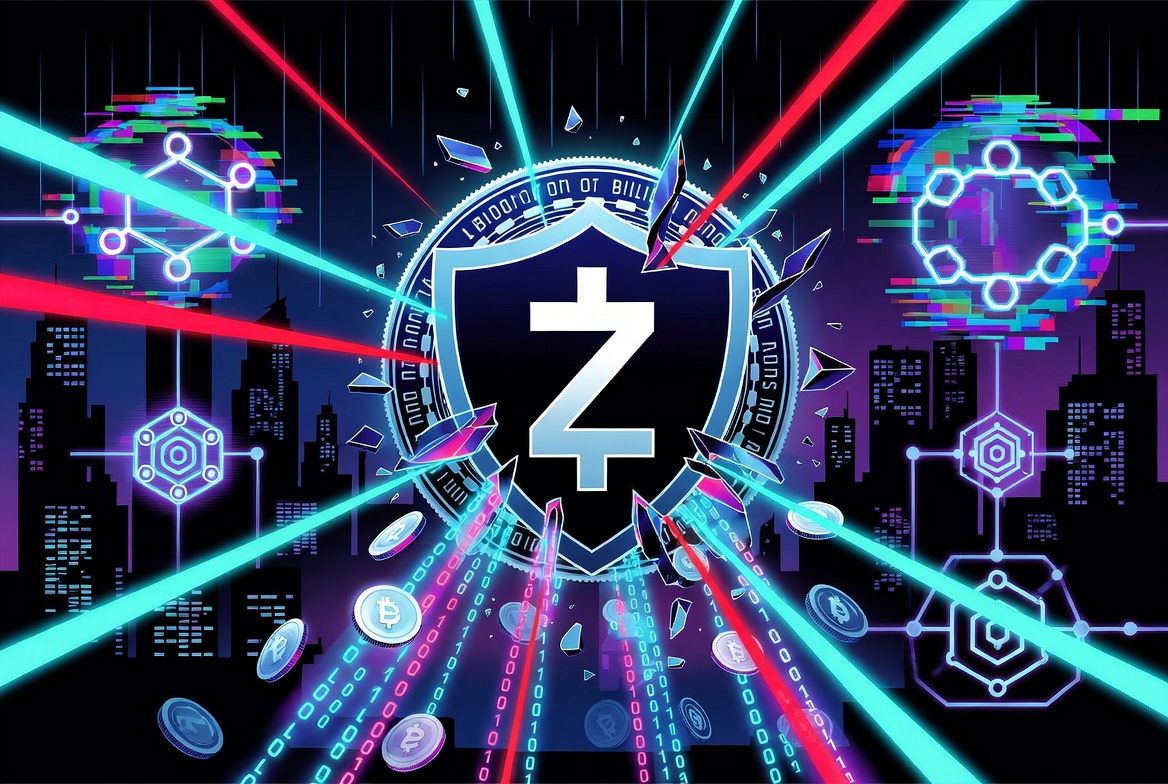
The request for the Mythos audit reflects Shielded Labs’ proactive stance on security. In his announcement, Zooko Wilcox emphasized that while the AI did not find serious bugs, the work is far from over. "Shielded Labs and others are continuing security hardening work," Wilcox stated, signaling that the ecosystem is moving toward a model of "defense in depth." This strategy involves multiple layers of security, including human peer review, automated testing, formal verification, and now, AI-assisted auditing.
Technical Implications of AI-Driven Code Review
The use of Mythos suggests that AI is becoming a standard part of the software development lifecycle (SDLC) for high-stakes cryptographic projects. AI models are particularly adept at:
- Boundary Value Analysis: Checking how the protocol handles extreme inputs that might cause a system crash or unintended state changes.
- Regression Testing: Ensuring that new updates do not inadvertently reintroduce old bugs or break existing privacy guarantees.
- Logic Consistency: Verifying that the implementation of the code strictly adheres to the mathematical specifications laid out in the Zcash protocol whitepapers.
Despite the success of the audit, the Zcash development team has cautioned that AI is not a "silver bullet." LLMs can still suffer from "hallucinations" or miss highly contextual vulnerabilities that require a deep understanding of the economic incentives underlying a blockchain. Therefore, the Mythos audit is viewed as a complementary tool rather than a replacement for traditional security audits.
Market Implications and Investor Sentiment
For the broader cryptocurrency market, the news of a successful AI audit for Zcash serves as a reminder of the project’s technical pedigree. In an era where many "meme coins" and speculative tokens launch with little to no security oversight, Zcash’s commitment to rigorous testing stands out. Traders and long-term holders often view security headlines as fundamental indicators of a project’s longevity.
While the price of Zcash (ZEC) remains influenced by macro trends and the overall sentiment toward privacy assets, the reduction of "technical risk" is a net positive for the asset’s valuation. By systematically eliminating potential points of failure, Zcash positions itself as a reliable alternative to transparent blockchains for users who prioritize confidentiality.
Future Outlook: The Road Ahead for Zcash and AI
The collaboration between Shielded Labs and Anthropic is likely the beginning of a longer-term trend. As AI models become more specialized in programming languages like Rust (which Zcash is primarily written in), the depth and accuracy of these audits will continue to improve. The Zcash community is now awaiting further technical disclosures from Shielded Labs, which may include the specific parameters of the audit, the commit range of the code analyzed, and any minor recommendations made by the Mythos model.
In the coming months, the focus for Zcash will likely shift toward the implementation of "ZSA" (Zcash Shielded Assets), which would allow for the creation of private stablecoins and other tokens on the Zcash blockchain. Ensuring the security of these new features will be paramount, and the lessons learned from the Mythos audit will undoubtedly inform the development process.
The editorial takeaway from this development is clear: the integration of AI into the security protocols of major blockchains is no longer a futuristic concept but a present-day reality. For Zcash, the absence of major bugs in the Mythos audit is a testament to a decade of disciplined engineering. For the rest of the industry, it is a call to adopt more advanced, multi-layered approaches to protecting the digital frontier. As privacy continues to be a central battleground in the evolution of the internet, Zcash’s proactive security measures ensure it remains a formidable participant in that ongoing struggle.