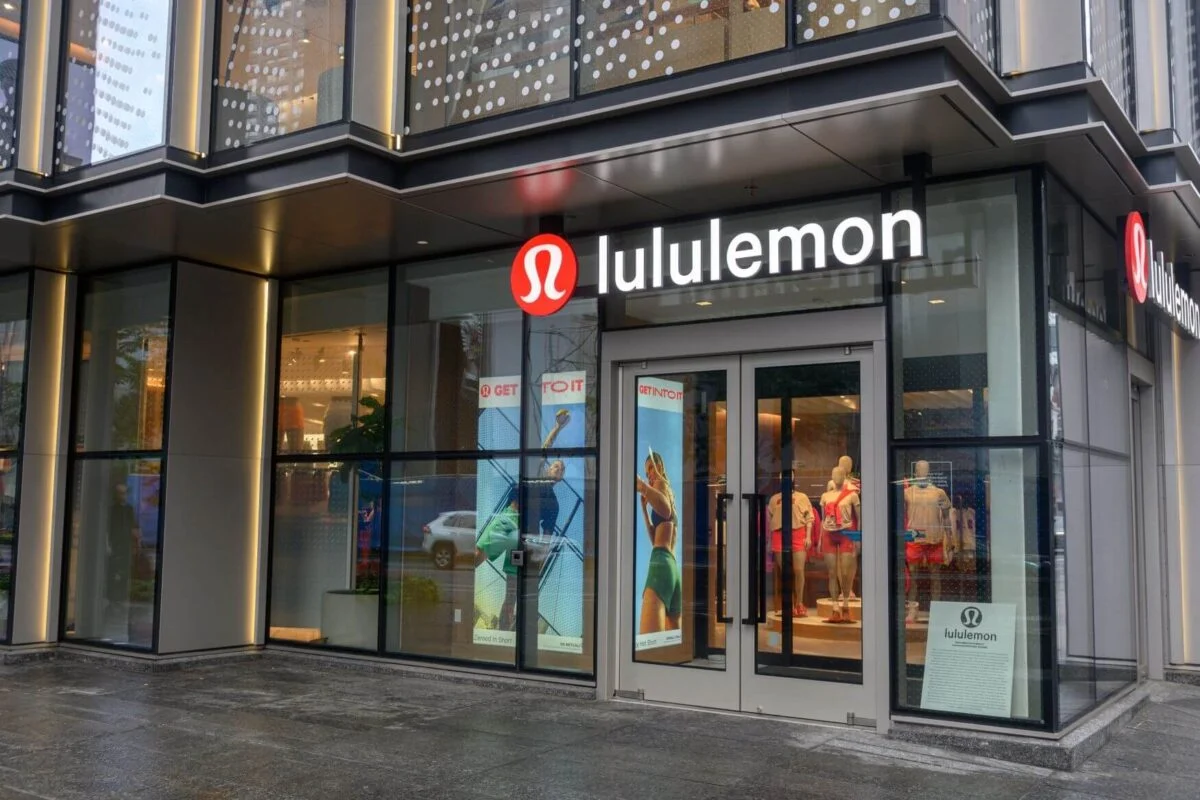
Lululemon Athletica Inc. (LULU) shares experienced a dramatic pre-market plunge, falling 20.42% to $96.91, following the release of disappointing second-quarter sales results and a significantly reduced fiscal 2026 outlook. This sharp reversal came after the stock had closed Thursday at $121.77, recording a modest gain of 1.42%. The earnings announcement, which occurred after market close on Thursday, immediately triggered widespread investor concern, pointing to an overarching narrative of weakening demand in the Americas and persistent revenue pressure anticipated through the year ahead. The decline signifies a critical juncture for the premium activewear brand, which has long been celebrated for its robust growth trajectory and strong market position.
A History of Growth Meets Current Headwinds
For years, Lululemon has been a darling of the retail sector, synonymous with high-quality athletic apparel and a loyal customer base willing to pay a premium for its products. The company’s innovative designs, strong brand identity, and effective community-building strategies fueled consistent revenue growth and profitability, establishing it as a dominant force in the global activewear market. This impressive track record had often shielded Lululemon from broader retail headwinds, allowing its stock to frequently outperform market benchmarks. Investors had become accustomed to a narrative of continuous expansion, both domestically and internationally, alongside a consistent stream of new product innovations. The stock’s ascent reflected this confidence, reaching significant highs as the company successfully navigated market shifts and expanded its global footprint.
However, the second-quarter fiscal 2026 report unveiled after the close of trading on Thursday, October 17, marked a significant departure from this narrative. The immediate aftermath was a torrent of sell-offs in pre-market trading on Friday, October 18, as investors digested the implications of the weak performance and, more critically, the downward revision of future guidance. This abrupt shift underscored the market’s sensitivity to growth expectations, particularly for companies valued on their growth potential. The figures presented painted a picture of a company grappling with an increasingly challenging macroeconomic environment, particularly within its most crucial market, the Americas.
Q2 Fiscal 2026 Performance: A Detailed Breakdown
Lululemon reported total second-quarter revenue of $2.4 billion, a notable 4% decrease compared to the same period last year on a global basis. When adjusted for currency fluctuations, the decline was even steeper at 5% on a constant-currency basis, providing a clearer view of the underlying operational performance unaffected by foreign exchange rates. The most alarming aspect of the report was the performance in the Americas, Lululemon’s largest and historically strongest market, which saw revenue decline by 8% from the prior-year period. This significant contraction in its core market signals a potential shift in consumer behavior and market dynamics that warrants deeper scrutiny.
In contrast, international revenue showed a modest increase of 4%. However, even this segment, often highlighted as a future growth engine, experienced a slowdown, with constant-currency growth decelerating to 2% compared with the same quarter in fiscal 2025. This suggests that while international markets still offer growth opportunities, they are not entirely immune to broader economic pressures or internal operational challenges.
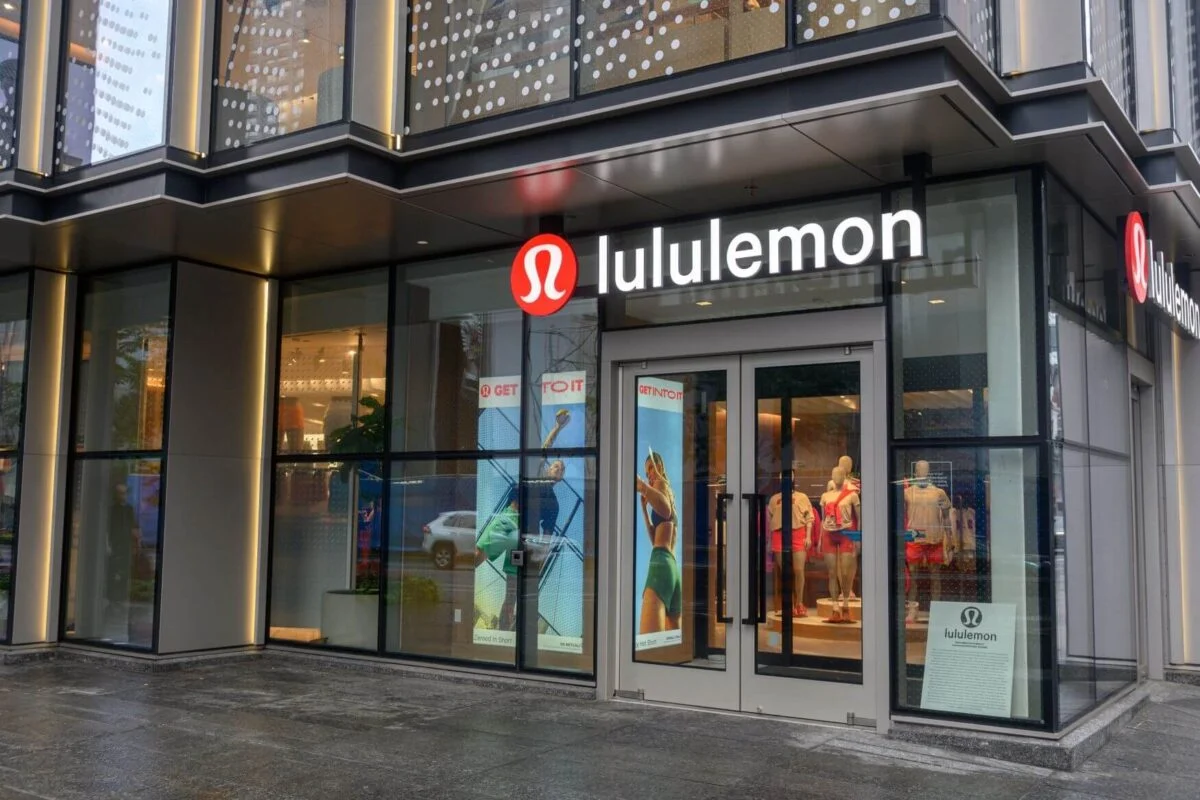
The decline in comparable sales further illuminated the company’s struggles. Overall comparable sales dropped 9%, with constant-currency comparable sales declining 10% across Lululemon’s extensive global store network. The Americas region again bore the brunt of this weakness, with comparable sales plummeting by 12%. This double-digit decline is a stark indicator of reduced foot traffic, lower transaction values, or a combination thereof, reflecting deeper issues within the company’s largest operating region over the three-month reporting period. International comparable sales also declined by 3%, and by 6% on a constant-currency basis, despite the company’s ongoing overseas expansion plans and investments in new markets. This suggests that while Lululemon continues to open new stores and build brand presence abroad, the rate of sales growth within existing international channels is also under pressure.
Profitability Metrics and the Impact of Tariff Refunds
Despite the revenue challenges, Lululemon’s gross profit for the quarter slipped by only 1% to $1.5 billion. The gross margin, a key indicator of profitability, actually increased by 200 basis points (2 percentage points) to 60.5% during the quarter. However, a critical detail within the report revealed that this seemingly positive development was largely influenced by a one-time gain. The company recognized $134.5 million in tariff refunds, which alone lifted the gross margin by a substantial 560 basis points. This means that without this non-recurring benefit, the underlying gross margin would have significantly contracted, highlighting an even greater pressure on core profitability. This adjustment underscores the importance of scrutinizing reported figures and understanding the drivers behind them, as the tariff refunds masked a more challenging operational reality.
Operating income, which reflects profitability after accounting for operating expenses, fell more sharply, decreasing by 13% to $453.7 million. Consequently, the operating margin declined by 190 basis points to 18.8% from the previous year. This indicates that even with the tariff-related boost to gross margin, the company’s ability to convert sales into operating profit was significantly hampered by lower revenues and potentially higher operating costs relative to sales.
Diluted earnings per share (EPS) also saw a decline, falling to $2.92 from $3.10 in the second quarter of fiscal 2025. Similar to the gross margin, the reported EPS was supported by the one-time tariff refunds and related interest after taxes, contributing $0.86 per share. Without this boost, the actual operational EPS would have been considerably lower, likely missing analyst expectations by a wider margin and further emphasizing the underlying weakness in the quarter’s performance. During the quarter, Lululemon also engaged in share repurchases, buying back 2.7 million shares for $330 million, a common strategy to return value to shareholders and potentially bolster EPS. The company ended the quarter with a robust store network of 825 locations globally, following nine net new store openings, indicating continued physical expansion despite the sales headwinds.
Revised Guidance Signals Continued Headwinds
Perhaps the most impactful revelation for investors was Lululemon’s revised financial guidance for the upcoming quarters and the full fiscal year 2026, which painted a picture of sustained pressure and reduced expectations. For the third quarter, the company anticipates revenue to be between $2.29 billion and $2.32 billion. This forecast represents a significant year-over-year revenue decline of 10% to 11%, signaling that the challenges experienced in Q2, particularly in the Americas, are expected to persist and even intensify. Third-quarter diluted earnings per share are projected to range from $0.93 to $0.98, with an estimated tax rate near 30%. This weaker outlook is directly attributed to the falling sales and continued pressure across the Americas business, where comparable sales are still expected to post a double-digit decline.
The fiscal 2026 full-year guidance was similarly adjusted downward. Lululemon now expects revenue to be between $10.35 billion and $10.50 billion, which represents a 5% to 7% decline from the previous year’s figures. The full-year earnings per share are projected to range from $9.48 to $9.73, an estimate that notably includes the tariff-related benefit recognized during the second quarter. These revised figures indicate a significant reduction from the company’s prior expectations, which were not explicitly stated in the provided text but can be inferred as substantially higher, thereby explaining the market’s severe negative reaction. The guidance cut suggests that management foresees a prolonged period of softer demand and operational challenges, particularly in its most critical market.
Management’s Perspective and Future Leadership
While specific direct quotes from Lululemon’s current management regarding the Q2 results were not provided in the original article, it is standard practice for executives to address such performance. It can be logically inferred that management would acknowledge the challenging macroeconomic environment, particularly the softer consumer demand in North America. They would likely express a commitment to revitalizing the Americas market through strategic initiatives, while also emphasizing the long-term potential of international expansion, even as its growth rate has tempered. Such statements typically aim to reassure investors of the company’s fundamental strength and its ability to adapt.
A significant element of Lululemon’s future strategy revolves around its incoming CEO, Heidi O’Neill. Her appointment comes at a critical juncture for the company, as it navigates these unprecedented headwinds. O’Neill is tasked with leading efforts to improve growth and execution, particularly in addressing the core issues plaguing the Americas segment. Her leadership will be crucial in formulating strategies to reignite consumer interest, optimize product assortments, and potentially recalibrate pricing strategies in a competitive and price-sensitive market. The company’s robust cash position of $1.4 billion provides a solid financial foundation for O’Neill and her team to invest in strategic initiatives, product innovation, marketing campaigns, and supply chain improvements necessary to regain momentum.
Broader Market Implications and Analyst Reactions
Lululemon’s struggles extend beyond its internal operations, reflecting broader trends impacting the consumer discretionary sector. In an environment characterized by persistent inflationary pressures, elevated interest rates, and general economic uncertainty, consumers are becoming more selective with their spending, particularly on premium-priced items like Lululemon’s activewear. This shift in consumer behavior directly impacts brands that rely on discretionary spending and a strong value proposition to justify higher price points. The company’s performance could be an indicator of a wider slowdown in the premium activewear segment, affecting competitors as well.
The significant guidance reduction is likely to trigger a wave of downgrades from financial analysts. Investors will be closely watching for signs of stabilization in the Americas, evidence of successful new product launches, and an acceleration in international markets. The market’s reaction underscores the premium placed on consistent growth, and any deviation from that path can lead to severe valuation adjustments. The challenges faced by Lululemon may prompt a reassessment of investor confidence in other growth-oriented, premium-segment retailers, leading to increased scrutiny of their upcoming earnings reports and future outlooks.
Looking ahead, Lululemon’s future strategy will likely involve a multi-pronged approach. This could include targeted marketing campaigns to re-engage the core North American customer, a focus on product innovation to maintain its competitive edge, and potential adjustments to its pricing or promotional strategies to stimulate demand. Further diversification of its product categories, beyond its traditional yoga and running apparel, into areas like menswear, accessories, and casual wear, could also be explored to broaden its appeal. Enhancing its e-commerce capabilities and optimizing its supply chain for greater efficiency and responsiveness will also be key areas of focus. The journey under Heidi O’Neill’s leadership will be closely watched by the market as Lululemon seeks to navigate this challenging period and return to its historical growth trajectory. The current stock plunge represents not just a financial correction, but a critical test of the brand’s resilience and its ability to adapt to evolving consumer preferences and a dynamic economic landscape.