


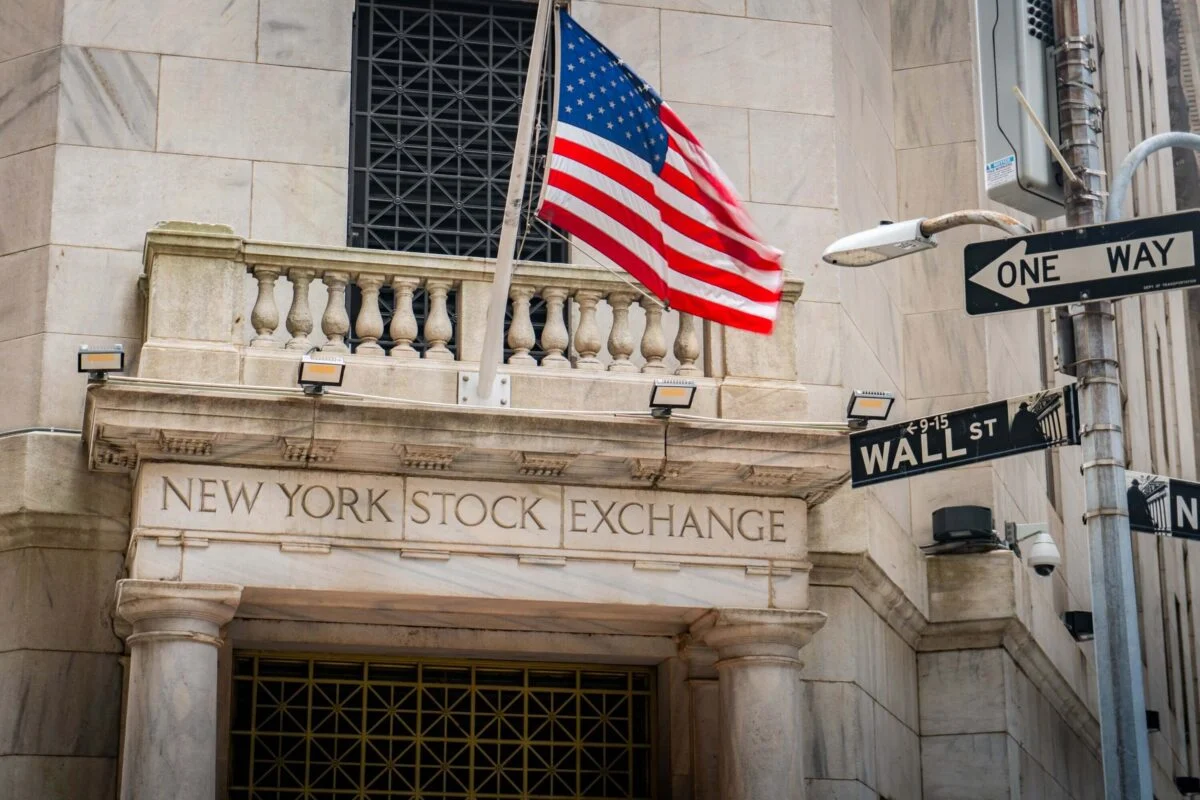
Wall Street’s collective gaze is squarely fixed on the Federal Reserve’s monetary policy meeting this week, as market participants brace for what is widely anticipated to be another interest rate hike amidst persistent inflation and a robust labor market. The Federal Open Market Committee (FOMC), the central bank’s principal monetary policy-making body, commenced its crucial two-day deliberations on Tuesday, culminating in the highly anticipated rate announcement scheduled for Wednesday afternoon at 2 p.m. ET. This decision comes at a critical juncture for the U.S. economy, balancing the Fed’s dual mandate of achieving maximum employment and maintaining price stability, particularly as inflation metrics continue to register significantly above the central bank’s long-term 2% target.
The Federal Reserve’s Pivotal Deliberations
Current market sentiment, heavily influenced by the fed funds futures market and consensus among leading economists, assigns an approximately 80% to 85% likelihood to a quarter-point rate adjustment. This probability has solidified in recent weeks, driven by a confluence of economic data points that suggest underlying inflationary pressures remain entrenched despite previous tightening cycles. Robust employment reports, consistently showing low unemployment rates and steady wage growth, alongside inflation readings that have proven stubbornly high, have reinforced the Fed’s rationale for continued monetary tightening. The argument for another rate increase is predicated on the belief that a tight labor market contributes to wage-push inflation, while strong consumer demand, fueled by employment, sustains demand-pull inflation, making it harder for overall prices to recede to target levels.
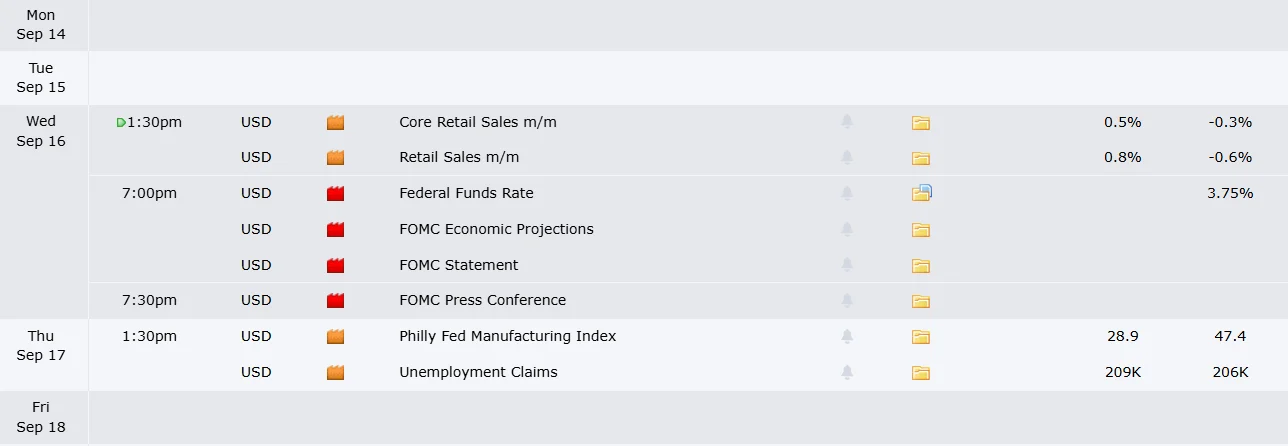
Following the rate announcement, Federal Reserve Chairman Kevin Warsh is scheduled to address the media at 2:30 p.m. ET on Wednesday. His post-meeting press conference is expected to be meticulously scrutinized by market participants for any nuanced indications regarding the future trajectory of monetary policy. While the immediate impact of a standalone quarter-point rate adjustment might be largely priced into markets, any forward guidance from Chairman Warsh hinting at the potential for additional tightening in the upcoming meetings could trigger significant volatility. Such signals, particularly if they suggest a higher-for-longer interest rate environment, could prompt a notable sell-off in growth-oriented technology shares and other sectors that are inherently vulnerable to elevated borrowing costs, such as real estate, industrials, and discretionary consumer companies. Investors will be parsing his every word for clues on the FOMC’s "dot plot" projections for future rates, as well as their assessment of economic growth and inflation outlooks.
Inflationary Pressures and Economic Indicators
The backdrop to the Fed’s decision is a complex economic landscape characterized by persistent inflation. The August Consumer Price Index (CPI), a key gauge of inflation for consumers, registered a 3.4% annual increase, matching July’s figure and demonstrating a plateauing trend well above the Fed’s target. This sustained elevation suggests that disinflationary forces may be slowing, or that new inflationary pressures are emerging. Core CPI, which excludes volatile food and energy prices, is also closely watched as an indicator of underlying inflation trends, and its persistence further complicates the Fed’s task.
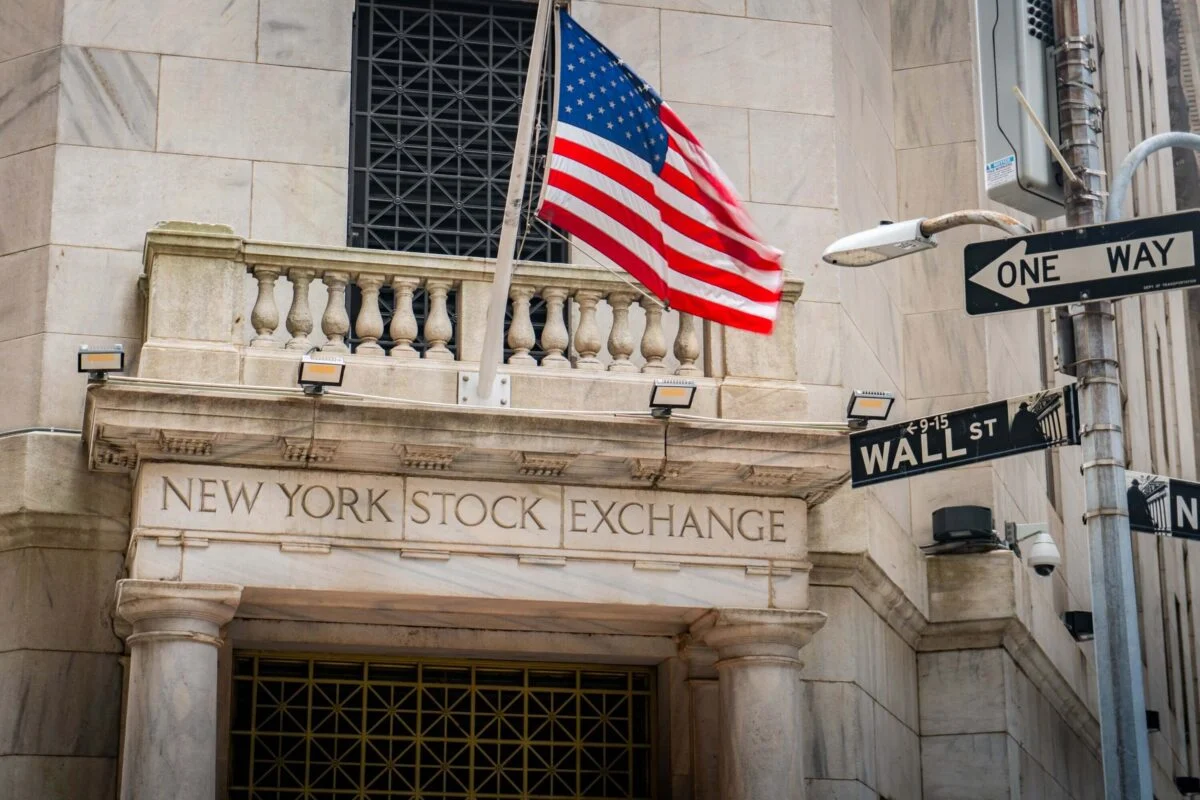
Meanwhile, the Producer Price Index (PPI), which measures wholesale inflation at the producer level, revealed that input costs for businesses exceeded forecasts, indicating that cost-push pressures are still prevalent within the supply chain. These higher input costs often eventually translate into higher consumer prices, underscoring the interconnectedness of these inflation metrics. The Fed’s challenge lies in distinguishing between transient and structural inflationary factors, and whether current policy is sufficiently restrictive to guide inflation back towards its long-term objective without inadvertently triggering a severe economic downturn. The memory of past inflationary periods, particularly the 1970s, weighs heavily on policymakers, emphasizing the need to act decisively to prevent inflation expectations from becoming entrenched.
Consumer Spending: A Double-Edged Sword for Markets
Adding another layer of complexity to the economic outlook, the Census Bureau is slated to publish retail sales statistics for August at 8:30 a.m. ET on Wednesday, preceding the Fed’s announcement. These figures are critical barometers of consumer health and overall economic momentum, as consumer spending accounts for a significant portion of U.S. GDP. In the previous reporting period, consumer expenditures declined by 0.6% between June and July on a non-inflation-adjusted basis, hinting at a potential deceleration in household spending.
Paradoxically, robust consumer activity, if reported for August, could prove detrimental to equities. Strong retail sales data might reinforce the Fed’s rationale for continued monetary tightening, suggesting that the economy can withstand higher interest rates and that demand remains strong enough to fuel inflation. This could lead to a more hawkish stance from the Fed, pushing bond yields higher and making risk assets less attractive. Conversely, disappointing numbers, indicating a further contraction or significant slowdown in consumer spending, might offer some relief to bond market tensions by suggesting that the economy is cooling. However, such data could also spark broader questions about whether elevated prices, coupled with previous rate hikes, are finally constraining household budgets and potentially signaling an impending economic slowdown or recession. Regardless of the outcome, Wednesday is unequivocally positioned to deliver the week’s most significant market swings, as investors digest both the retail sales data and the Fed’s policy decision.
Geopolitical Tensions Fuel Energy Volatility
Beyond domestic economic indicators, global energy markets present an additional wildcard that could significantly impact inflationary pressures and the broader economic outlook. Crude oil prices have recently surged beyond the critical $100 per barrel threshold, a move largely driven by escalating geopolitical instability in the Middle East. Reports of drone assaults in the region led to a crucial Saudi pipeline, responsible for transporting approximately 4 million barrels of oil daily, being taken offline. This substantial supply interruption has injected significant uncertainty into global oil supply, leading to fears of sustained elevated energy costs for an extended period.
Elevated crude prices have a cascading effect across the economy. They directly amplify inflationary pressures by increasing the cost of transportation, manufacturing, and consumer goods. For Fed policymakers, this introduces additional complexity, as energy shocks are often supply-side driven and less responsive to demand-side monetary policy tools. While energy sector equities generally stand to gain from higher oil prices, industries heavily reliant on fuel, such as airlines, shipping companies, and various consumer-facing businesses, confront mounting operational expenses, which can squeeze profit margins and potentially lead to higher prices for consumers or reduced investment. The ripple effects of prolonged high energy costs could dampen economic growth and complicate the Fed’s inflation fight, potentially necessitating an even more aggressive stance if core inflation components also begin to reflect these cost increases.
Corporate Landscape: Tech Innovation and Sector Performance
Amidst the macroeconomic focus, the corporate calendar also offers key events for investors. Salesforce, a global leader in customer relationship management (CRM) software, is set to launch its annual Dreamforce gathering on Tuesday. This flagship conference is a critical platform for the company to showcase its latest innovations and strategic partnerships. Chief Executive Marc Benioff is scheduled to deliver the primary presentation from 1 p.m. to 3 p.m. ET, with a significant emphasis expected on artificial intelligence (AI) partnerships. The inclusion of Dario Amodei, who leads Anthropic, a prominent AI research company, on the Dreamforce agenda highlights Salesforce’s strategic commitment to integrating advanced AI capabilities into its offerings. Whether Amodei joins Benioff’s keynote or presents independently, his presence underscores the growing importance of AI in enterprise software and the broader technology sector. Furthermore, Salesforce has scheduled an investor and analyst briefing during the conference on Wednesday at 4 p.m. ET, providing a crucial opportunity for the company to detail its financial outlook, strategic vision, and the potential impact of its AI initiatives on future growth and profitability.
In terms of quarterly results, homebuilder Lennar is slated to release its earnings on Wednesday following the closing bell. The residential real estate market has faced challenging conditions in recent periods, primarily due to elevated mortgage rates, which have dampened affordability and buyer demand. As such, investors will be particularly focused on Lennar’s order activity, cancellation rates, and, critically, its forward guidance regarding housing starts and sales outlook. These metrics will offer valuable insights into the health of the housing market and its resilience in the face of tighter financial conditions. On Thursday, Carnival, one of the world’s largest cruise line operators, will post its results, providing insight into consumer appetite for discretionary travel spending. This report will be a key indicator of the ongoing recovery in the travel and leisure sector, and whether consumers are continuing to prioritize experiences despite inflationary pressures. Thursday’s economic calendar also brings weekly unemployment claims, offering a real-time gauge of the labor market’s health, and the Philadelphia Fed’s manufacturing survey, which provides an early look at regional manufacturing activity and business sentiment.
Treasury Yields and Broader Market Implications
The bond market has already been signaling significant apprehension regarding persistent inflation and the Fed’s hawkish stance. Yields on benchmark 10-year Treasury securities approached the psychologically important 5% threshold during the previous week. This aggressive upward movement in bond yields has already created substantial challenges for equity markets, particularly for high-valuation technology enterprises. Higher bond yields make future earnings, especially those projected far into the future (common for growth tech stocks), less valuable in present terms. This "discounting effect" can lead to significant downward pressure on stock valuations. The broader equity markets concluded the previous week with losses, reflecting this growing unease. The Dow Jones Industrial Average retreated by 1.6%, while the S&P 500, despite the recent pullback, maintains approximately 12% gains year-to-date, largely driven by the strong performance of a handful of mega-cap technology companies earlier in the year.
Ultimately, while the immediate interest rate decision on Wednesday will garner significant attention, the Federal Reserve’s forward guidance on its policy path will probably carry greater weight for market participants. The central bank’s communication regarding its assessment of the economic outlook, its inflation fight, and its willingness to continue tightening will be the primary determinant of market sentiment and asset price movements in the coming weeks and months. Investors are not just looking at the present, but trying to anticipate the future direction of monetary policy, which profoundly influences everything from corporate investment decisions to consumer borrowing costs and, by extension, the overall health of the global economy.














