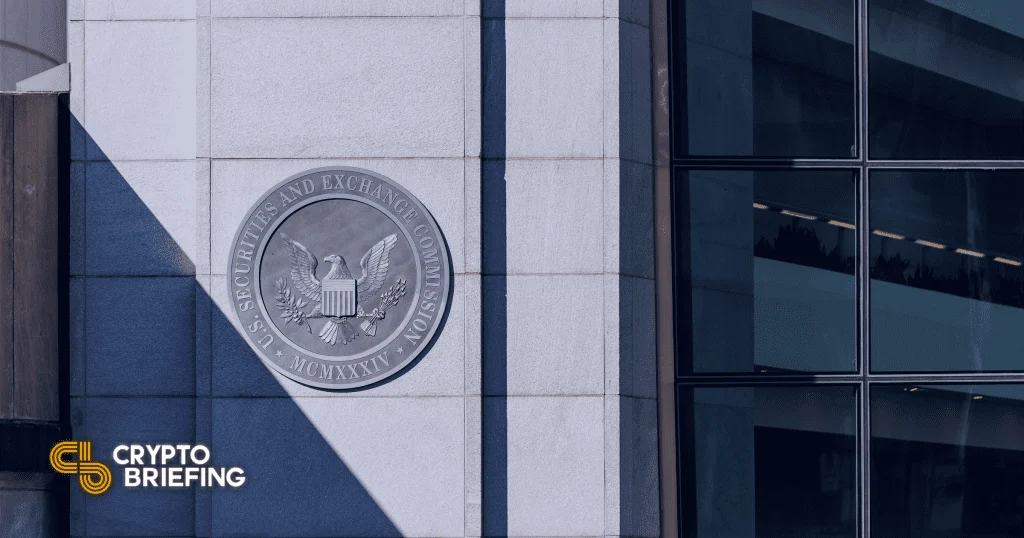
The United States Securities and Exchange Commission (SEC) has formally submitted a package of proposed rules regarding digital asset custody to the White House for review, marking a pivotal step in the agency’s efforts to align with the Trump administration’s broader cryptocurrency policy objectives. The proposal, which was transmitted to the Office of Management and Budget (OMB) on August 25, aims to provide long-awaited clarity for investment advisers and institutional investment companies seeking to hold digital assets on behalf of their clients. This regulatory move is widely seen as a cornerstone of Chairman Paul Atkins’ initiative to modernize the federal securities framework, moving away from the "regulation by enforcement" era that characterized the previous administration and toward a more structured, transparent environment for the burgeoning digital finance sector.
The submission to the OMB represents a critical administrative hurdle in the federal rulemaking process. Under Executive Order 12866, the OMB’s Office of Information and Regulatory Affairs (OIRA) must review significant regulatory actions to ensure they are consistent with the President’s priorities and that the benefits of the proposed rules justify their costs. While the specific text of the proposal remains confidential during this review period, the SEC has indicated that the rules are designed to redefine the parameters of "qualified custodianship" in the context of blockchain-based assets. This includes addressing how private keys are managed, the role of state-chartered trust companies, and the standards for segregated account maintenance in a decentralized ledger environment.
The Push for Regulatory Modernization under Chairman Paul Atkins
The appointment of Paul Atkins as SEC Chairman signaled a definitive shift in the commission’s approach to the digital asset industry. Atkins, a former SEC commissioner known for his pro-innovation stance and skepticism toward aggressive overreach, has prioritized the "modernization" of legacy rules that were drafted decades before the advent of distributed ledger technology. The current proposal seeks to dismantle what the agency describes as "outdated custody provisions" that no longer serve the interests of investor protection.
According to internal SEC documents and public statements, the agency believes that the existing regulatory framework—largely built upon the Investment Advisers Act of 1940—contains friction points that hinder the institutional adoption of crypto assets. By removing these hurdles, the SEC aims to create a safer environment for retail investors who access crypto through managed funds, while simultaneously providing legal certainty to the multi-trillion-dollar investment advisory industry. This shift is part of the Trump administration’s stated goal to make the United States the "crypto capital of the planet," a vision that requires a robust and predictable domestic regulatory regime.
A Chronology of Custody Regulation
The path to this current proposal has been marked by years of legal ambiguity and industry friction. To understand the significance of the August 25 submission, it is necessary to examine the timeline of the SEC’s involvement in digital asset custody:
- 2020–2022: Under previous leadership, the SEC issued several "No-Action" letters and interpretive guidance, but institutional players argued that these did not provide sufficient legal cover for large-scale custody operations.
- February 2023: The SEC, then led by Gary Gensler, proposed the "Safeguarding Rule," which sought to expand the existing custody rule to cover all assets, including crypto. However, the industry criticized the proposal for being overly restrictive and for potentially disqualifying many crypto-native platforms from serving as "qualified custodians."
- January 2024: The approval of spot Bitcoin Exchange-Traded Funds (ETFs) created an immediate and massive demand for regulated custody solutions, as firms like BlackRock and Fidelity required secure, compliant ways to store billions of dollars in digital assets.
- Early 2025: Following the change in administration, Chairman Paul Atkins initiated a top-to-bottom review of all pending crypto-related rules.
- August 25, 2025: The SEC officially submits the revised digital asset custody proposal to the White House OMB, signaling the start of the formal implementation phase.
Addressing the "Qualified Custodian" Dilemma
Central to the new proposal is the definition of a "qualified custodian." For decades, this role was reserved for banks, registered broker-dealers, and certain foreign financial institutions. In the digital asset space, however, the technical requirements for custody—such as multi-signature authorization, hardware security modules (HSMs), and "cold storage" protocols—do not always fit neatly into traditional banking structures.
The proposed rules are expected to clarify whether state-chartered trust companies and specialized digital asset platforms can maintain their status as qualified custodians. This is a critical point for the industry, as many of the most sophisticated custody solutions are provided by crypto-native firms rather than traditional Wall Street banks. If the SEC provides a clear pathway for these firms to be recognized under federal law, it could unlock a massive wave of institutional capital that has previously remained on the sidelines due to compliance concerns.
Supporting Data: The Institutional Shift
The urgency of the SEC’s proposal is underscored by the rapid growth of the institutional digital asset market. According to data from market analytics firms, the total value of digital assets held by institutional investors has grown by over 150% in the last 24 months.
- ETF Growth: Since the launch of spot Bitcoin and Ethereum ETFs, the assets under management (AUM) in these vehicles have surpassed $60 billion. Each of these dollars requires a regulated custodian, placing immense pressure on the current regulatory infrastructure.
- Investment Adviser Adoption: A recent survey of Registered Investment Advisers (RIAs) found that 45% of advisers intend to allocate client funds to digital assets within the next year, but 80% cited "regulatory uncertainty regarding custody" as their primary concern.
- Enforcement Costs: Under the previous "regulation by enforcement" model, the SEC spent an estimated $200 million annually on crypto-related litigation. The Atkins administration argues that clear rulemaking will significantly reduce these costs for both the government and the private sector.
Industry Reactions and Stakeholder Perspectives
While the full text of the proposal is not yet public, the move has already elicited reactions from major stakeholders in the financial and technology sectors.
Pro-Innovation Advocacy Groups: Organizations such as the Blockchain Association and the Crypto Council for Innovation have cautiously welcomed the news. "The submission of these rules to the OMB is a sign that the SEC is finally listening to the need for a collaborative approach," said one industry representative. "Modernizing the custody rule is the single most important step the SEC can take to protect investors while fostering domestic innovation."
Traditional Financial Institutions: Large custodial banks, which have been hesitant to enter the crypto space due to capital requirement hurdles (such as the controversial SAB 121), are watching the development closely. If the new rules provide a more favorable accounting and operational framework, institutions like BNY Mellon and State Street may significantly expand their digital asset services.
Consumer Protection Advocates: Some critics remain wary, arguing that "modernizing" rules should not result in "watering down" protections. These groups are expected to scrutinize the proposal during the public comment period to ensure that the removal of "outdated provisions" does not create loopholes that could lead to the type of commingling of funds seen in the collapse of several offshore exchanges in 2022.
The Regulatory Roadmap Ahead
The submission to the OMB is just the beginning of a multi-stage process. Once the OMB completes its review—a process that typically takes between 30 and 90 days—the SEC will publish the proposed rules in the Federal Register.
Following publication, the SEC is expected to open a public comment period of at least 60 days. This period allows market participants, legal experts, and the general public to submit feedback, which the SEC must consider before drafting a final version of the rule. Given the complexity of digital asset custody, the comment period is likely to see thousands of submissions from a wide range of interests.
After the comment period closes, the SEC staff will review the input and make necessary revisions. The final rule will then be put to a formal vote by the five-member Commission. If approved, the rules will likely include a "grace period" or implementation window to allow firms to bring their operations into compliance with the new standards.
Broader Impact and Implications for the Global Market
The SEC’s move has implications that extend far beyond the borders of the United States. As the world’s largest capital market, the U.S. regulatory stance often sets the tone for international standards.
By establishing a clear framework for digital asset custody, the U.S. is positioning itself to compete with other jurisdictions, such as the European Union with its Markets in Crypto-Assets (MiCA) regulation, and the United Kingdom, which has been vocal about its desire to become a global crypto hub. A successful implementation of these rules could prevent "regulatory arbitrage," where firms move their operations to jurisdictions with more favorable (or more certain) laws.
Furthermore, the proposal reflects a broader shift in the philosophy of financial oversight. Chairman Atkins’ focus on modernization suggests that the SEC may soon tackle other contentious issues, such as the definition of "exchange" in the context of decentralized finance (DeFi) and the classification of various tokens as securities versus commodities.
In conclusion, the SEC’s submission of the digital asset custody proposal to the White House marks a transition from a period of uncertainty to a period of structured growth. While the details of the rules are yet to be debated in the public square, the act of formal rulemaking provides the market with a signal that the "wild west" era of crypto is being replaced by a sophisticated, institutional-grade regulatory environment. For investment advisers and their clients, the hope is that these new rules will finally provide the security and clarity needed to integrate digital assets into the mainstream financial ecosystem.