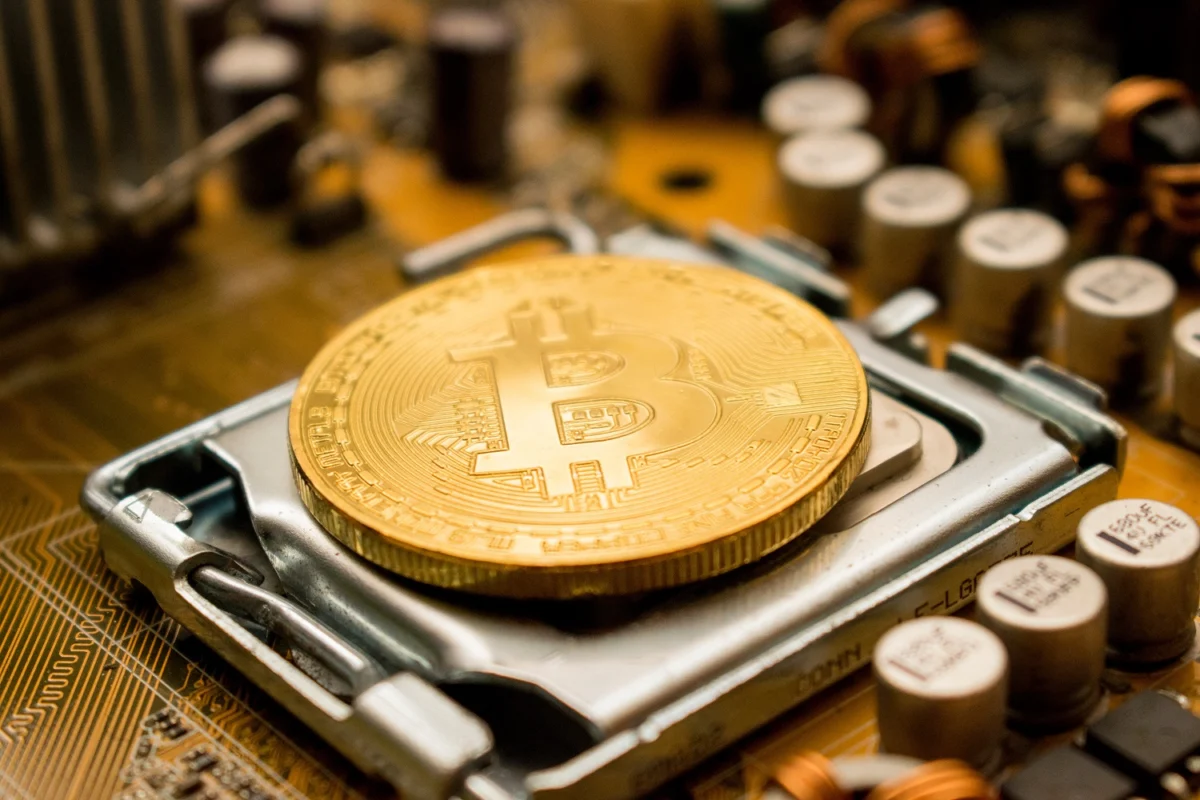
The Russian Association of Crypto Industry and Blockchain (RACIB) has officially launched a comprehensive project designed to position the Russian Federation as the primary destination for international Bitcoin mining operations. This strategic move comes at a pivotal moment for the global digital asset ecosystem, as the industry undergoes a massive redistribution of computing power following aggressive regulatory crackdowns in formerly dominant regions. By leveraging Russia’s unique geographical and infrastructural advantages, RACIB aims to capture a significant portion of the "migrating hashrate" that has been seeking new homes since the beginning of the year.
The initiative represents a concerted effort by Russian industry leaders to formalize the country’s role in the global digital economy. For years, Russia has hovered near the top of the list of the world’s most active mining nations, but it has often been overshadowed by China’s massive industrial scale and, more recently, by the rapid ascent of neighboring Kazakhstan. With the current project, RACIB is signaling to the global investment community that Russia is ready to provide the stability, energy, and environmental conditions necessary for large-scale, long-term cryptocurrency mining.
The Global Context: The Great Mining Migration
The impetus for Russia’s new initiative is rooted in the dramatic shifts occurring within the Chinese regulatory landscape. For the better part of a decade, China accounted for more than 60% of the global Bitcoin hashrate, driven by cheap hydroelectric power in provinces like Sichuan and coal-based energy in Inner Mongolia and Xinjiang. However, a series of stringent prohibitions issued by Chinese authorities—citing concerns over financial stability and energy consumption targets—has forced thousands of mining enterprises to cease operations or dismantle their hardware for export.
This exodus, often referred to by industry analysts as the "Great Mining Migration," has left a massive vacuum in the market. While some miners have looked toward North America, specifically Texas and Florida, others are seeking regions with lower operational costs and existing industrial infrastructure. Russia, with its historical emphasis on heavy industry and energy production, presents a compelling alternative. RACIB’s project is designed to capitalize on this specific moment, offering a structured pathway for foreign firms to relocate their hardware to Russian soil.
Russia’s Competitive Advantages: Energy, Climate, and Geography
RACIB has identified several key factors that make Russia an ideal hub for the next generation of Bitcoin mining clusters. Foremost among these is the nation’s status as a global energy powerhouse. Russia consistently ranks among the top five countries in the world for electricity production, underpinned by a vast network of nuclear, hydroelectric, and thermal power plants.
One of the most significant data points highlighted by the association is Russia’s massive surplus of energy production capacity. Unlike many Western nations where the grid is often stretched to its limits, various Russian regions maintain a surplus of up to 50%. This excess capacity is a remnant of Soviet-era industrial planning, where power plants were built to support massive factory complexes that are no longer in operation. For Bitcoin miners, this means access to stable, high-voltage power without the risk of causing blackouts or competing with residential demand.
Furthermore, Russia’s geography provides a natural solution to one of mining’s greatest overhead costs: cooling. Bitcoin mining involves thousands of Application-Specific Integrated Circuit (ASIC) machines running at high speeds, generating immense amounts of heat. In warmer climates, the cost of electricity required for industrial-scale air conditioning can render an operation unprofitable. In the vast stretches of Siberia and the Russian Far East, the naturally low ambient temperatures provide "free" cooling for much of the year, significantly reducing the Total Cost of Ownership (TCO) for mining hardware.
The Environmental Imperative: A Shift Toward Green Mining
As the global conversation around Bitcoin increasingly focuses on its environmental, social, and governance (ESG) impact, RACIB is emphasizing the "green" potential of Russian mining. The association points out that approximately 40% of Russia’s total power generation is derived from carbon-free or low-carbon sources, including hydroelectricity and nuclear power.
In regions like Irkutsk and Bratsk, massive hydroelectric dams provide some of the cheapest and cleanest electricity on the planet. By directing miners toward these specific nodes, RACIB hopes to align the Russian mining sector with global sustainability trends. This is a critical selling point for institutional investors and publicly traded mining companies that are under pressure to prove their operations are not contributing to climate change. The project envisions the creation of "specialized clusters"—technological parks where miners can plug into renewable energy sources with minimal bureaucratic friction.
The Regional Rivalry: Reclaiming the Global Rank
The timing of the RACIB announcement is also influenced by regional competition. Recent data on the distribution of the global hashrate shows that Kazakhstan, Russia’s southern neighbor, has successfully attracted a large influx of Chinese miners, propelling it to the third spot in global mining volume. Russia, which previously held a stronger position, has slipped to fourth.
The Russian industry association views this as a lost economic opportunity. Kazakhstan’s rapid growth has led to localized energy shortages and talks of new taxes on crypto mining, creating a potential opening for Russia to present itself as a more stable and technologically advanced alternative. By formalizing the invitation to foreign miners, RACIB is attempting to reclaim Russia’s status as a top-three global mining power, which would bring significant foreign direct investment (FDI) into the country’s regional economies.
Economic Implications and Infrastructure Development
The benefits of attracting Bitcoin miners extend beyond the crypto industry itself. RACIB notes that the influx of foreign investment into the Russian energy complex can help modernize aging infrastructure. Mining operations provide a "constant load" for power plants, which allows energy providers to operate more efficiently and generate consistent revenue that can be reinvested into grid upgrades.
Additionally, the development of mining clusters encourages the growth of a local digital economy. Large-scale mining requires maintenance technicians, network engineers, and logistics specialists. By establishing these clusters in low-population-density areas, the Russian government can stimulate economic activity in regions that have historically struggled to attract high-tech investment. This aligns with broader national goals of digital transformation and the reduction of dependence on raw commodity exports.

Market Analysis: Bitcoin Price and Network Resilience
The RACIB initiative comes during a period of consolidation for the Bitcoin market. As of late, the price of Bitcoin has been fluctuating within a range of $30,000 to $35,000. Despite a 7% drop over the past week and a 14% decline over the month, the underlying network has shown remarkable resilience.
When China banned mining, the Bitcoin network hashrate—the total computational power securing the blockchain—dropped by more than 50%. However, as miners begin to come back online in Russia, North America, and Central Asia, the hashrate has started to recover. This recovery is a testament to the decentralized nature of the technology; while one nation may exit the stage, others like Russia are quick to step in to fill the void.
For miners, the current price environment makes operational efficiency more important than ever. When Bitcoin prices are high, even inefficient operations can be profitable. However, during "bearish" or sideways trends, only those with the lowest energy costs and most efficient cooling systems survive. Russia’s offering of cheap, surplus power and cold climates is specifically tailored to appeal to miners looking to weather market volatility.
Regulatory Landscape and Future Outlook
While RACIB’s project is ambitious, the success of the initiative will depend heavily on the evolving regulatory framework within Russia. The Russian government has historically sent mixed signals regarding digital assets. While the "On Digital Financial Assets" law provided some legal clarity, the Central Bank of Russia has remained cautious, often citing concerns about the use of crypto for illicit activities.
However, there is a growing consensus among Russian policymakers that mining should be treated as an industrial activity rather than a purely financial one. By categorizing mining as a form of "energy processing" or "computing service," the government can tax the activity and regulate it without necessarily endorsing the use of cryptocurrencies as a means of payment within the country.
The RACIB project is a clear indication that the Russian private sector and industry bodies are pushing for a more proactive approach. If successful, the initiative could see Russia becoming the backbone of the global Bitcoin network, providing the physical infrastructure necessary for the decentralized economy to thrive.
As the "Great Mining Migration" continues, the eyes of the crypto world are on the Kremlin and the various regional governments of Siberia. If Russia can provide the legal certainty to match its physical and energetic advantages, it may very well become the new capital of the Bitcoin mining world, turning its vast, cold landscapes into the most valuable digital real estate on the planet.