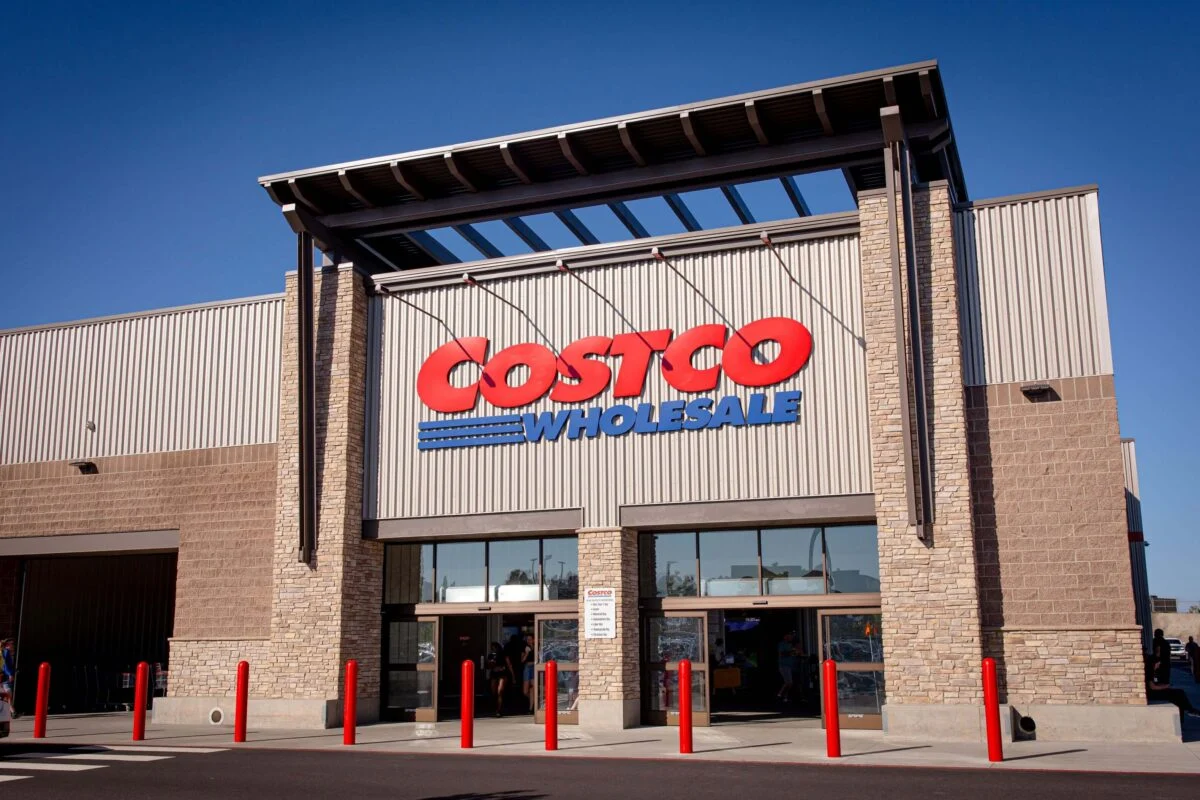
The warehouse retail behemoth, Costco Wholesale Corporation, has significantly bolstered its e-commerce capabilities by announcing comprehensive nationwide delivery partnerships with two of America’s leading third-party logistics providers, DoorDash and Uber Eats. These strategic collaborations mark a pivotal moment in Costco’s digital evolution, promising enhanced convenience for its vast membership base across the United States and intensifying the competitive landscape within the burgeoning online grocery delivery sector. The DoorDash agreement represents the San Francisco-headquartered company’s inaugural partnership with Costco on American soil, extending service to all 639 warehouse locations across 47 states. This announcement closely follows Uber Eats’ own revelation of a complete national expansion for Costco delivery, building upon an initial agreement from 2024 that covered only 17 states.
A New Era for Costco’s Digital Reach
Costco’s decision to embrace these expanded alliances underscores a broader industry trend towards diversified delivery options, driven by persistent consumer demand for convenience and speed. For DoorDash, securing a partnership with Costco in the U.S. has been a long-sought objective. According to DoorDash, Costco consistently ranked among the most frequently searched retailers on its domestic platform that had previously remained unavailable. While DoorDash had established successful Costco partnerships in international markets such as Australia, Sweden, and Puerto Rico, a comprehensive arrangement for its largest market, the United States, had proven elusive until this recent breakthrough.
Under the terms of the DoorDash agreement, Costco’s cardholding members will gain access to a wide array of products, including groceries, household essentials, and consumer electronics, directly through the DoorDash application. A crucial aspect of this service is the requirement for members to authenticate their Costco membership by linking it to their DoorDash profile, ensuring that the exclusive benefits of Costco membership are maintained within the delivery framework. With approximately 81 million members globally, the majority of whom reside within the United States, this partnership instantly grants DoorDash access to an extensive, high-value customer demographic.
Uber Eats Completes National Expansion, Deepening its Footprint
The DoorDash announcement arrived mere days after Uber Eats confirmed its own full-scale national expansion for Costco delivery services. This move signifies a substantial upgrade from its previous limited presence, which stemmed from an agreement initiated in 2024 covering only 17 states. Andrew Macdonald, a prominent executive at Uber, lauded the expansion on social media, stating, "Big news! @Costco is now available nationwide on @UberEats. This one has great personal meaning to me (on top of tremendous impact for Uber and our customers)." This sentiment highlights the strategic importance Uber places on its relationship with the warehouse giant.
Similar to DoorDash, Uber Eats has already cultivated robust international partnerships with Costco, operating delivery services in key territories such as Japan, France, Spain, Canada, and Mexico. The American expansion, therefore, serves to align its domestic operational scope with its established global presence, creating a more unified and comprehensive delivery network for Costco members worldwide. The concurrent national rollouts by both DoorDash and Uber Eats illustrate the intense competition among third-party delivery providers to secure partnerships with major retailers and capture a larger share of the rapidly expanding online grocery market.
The Evolution of Costco’s E-commerce Strategy: A Decade of Digital Adaptation
These new alliances do not, however, replace Costco’s long-standing and well-established delivery arrangement with Instacart, which has been in place for nearly a decade. Instacart pioneered large-scale third-party grocery delivery for Costco, proving the viability of delivering bulk items directly to consumers’ homes. The continued presence of Instacart, now alongside DoorDash and Uber Eats, signifies a multi-faceted approach by Costco to its e-commerce strategy. This diversification provides members with unprecedented flexibility and choice for remote shopping, allowing them to leverage different platforms based on pricing, delivery windows, or specific service preferences.
Costco’s journey into e-commerce has been carefully calibrated. Historically, the company has prioritized the in-warehouse shopping experience, emphasizing the "treasure hunt" aspect and the value proposition of bulk purchasing. However, recognizing the irreversible shift in consumer behavior towards online shopping, particularly accelerated by global events, Costco has incrementally adapted. Its own e-commerce platform, Costco.com, offers a broader range of non-perishable goods and larger items, often with direct-to-consumer shipping. The partnerships with Instacart, and now DoorDash and Uber Eats, specifically address the demand for same-day delivery of groceries and household essentials, a segment where third-party logistics providers excel due to their extensive driver networks and technological infrastructure.
Strategic Implications for Delivery Service Providers: The Grocery Delivery Wars Intensify
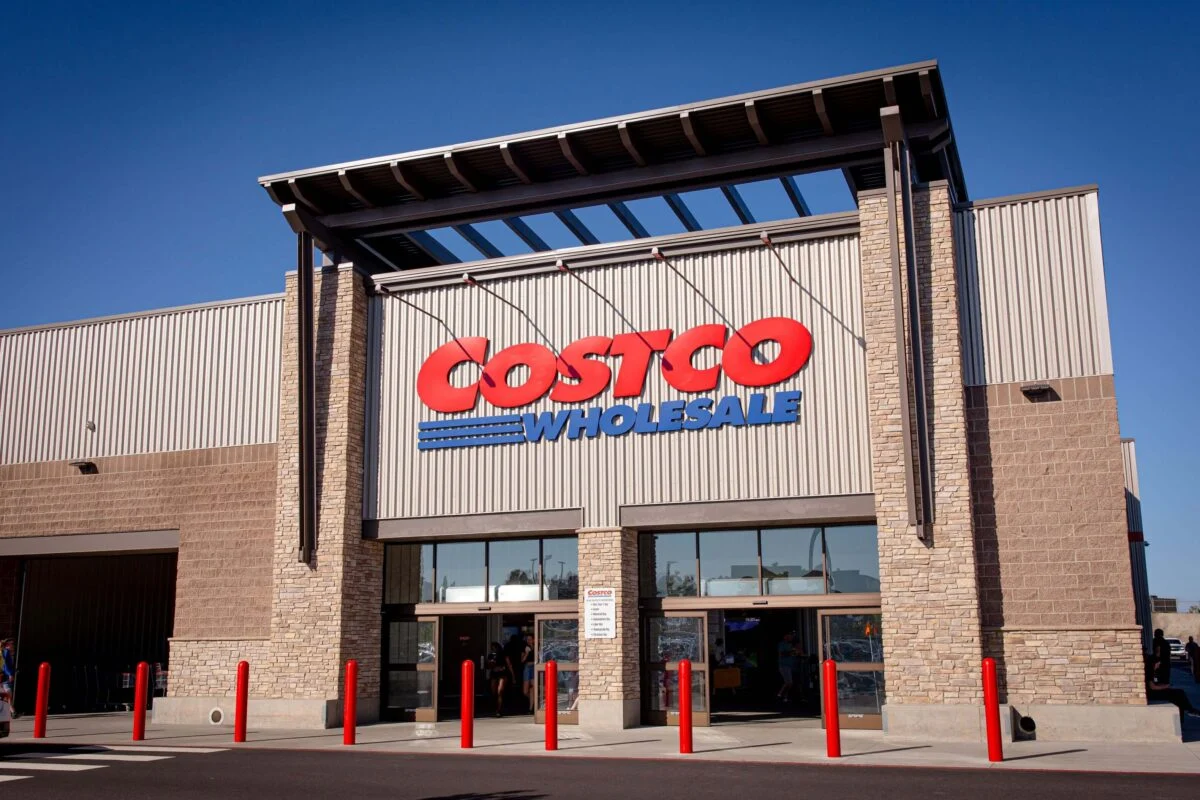
The integration of Costco into the nationwide service portfolios of DoorDash and Uber Eats represents a significant milestone in their aggressive pursuit of dominance within the American grocery delivery sector. Both organizations have been actively diversifying their offerings beyond traditional restaurant meal delivery, identifying grocery as a massive, largely untapped market with high-frequency customer engagement. This past autumn, both companies notably secured partnerships with Kroger, America’s largest supermarket operator, signaling their clear intent to compete head-on for grocery market share.
For DoorDash, this collaboration with Costco marks a historic first for its U.S. operations with the warehouse retailer, granting it access to a distinct market segment known for high average order values and loyal customers. DoorDash, having built a formidable presence in restaurant delivery, is now strategically leveraging its logistical capabilities to penetrate the grocery space more deeply. Its established network and technological prowess are key assets in competing with Instacart, which has historically specialized in grocery.
Uber Eats, similarly, views grocery delivery as a critical component of its growth strategy. The expansion with Costco aligns with its broader vision of becoming a comprehensive delivery platform for a wide range of goods, not just food. Andrew Macdonald’s personal connection to the announcement underscores the internal emphasis Uber places on securing such high-profile retail partnerships. Analysts suggest that securing Costco, a retailer with a reputation built on bulk merchandise offerings and distinctive warehouse-format stores, is a testament to the evolving capabilities of these delivery platforms to handle more complex logistical challenges, including larger order sizes and potentially specialized handling for certain items.
The battle for grocery delivery market dominance continues to heat up. According to industry reports, the online grocery market in the U.S. is projected to reach well over $100 billion in annual sales in the coming years, with significant room for growth. While Instacart currently holds a substantial share of the third-party grocery delivery market, the entry and expansion of DoorDash and Uber Eats with major retailers like Costco and Kroger signal an intensification of competition that could reshape market shares. These platforms are not just vying for customer orders but also for exclusive or preferred partnerships with retailers, understanding that such agreements are crucial for long-term growth and profitability.
Benefits for Costco and its Members: Enhanced Convenience and Market Reach
From Costco’s perspective, these collaborative arrangements offer a highly attractive model for expanding its delivery capabilities without the immense capital investment required to build and maintain its own proprietary logistics infrastructure. By partnering with established third-party providers, Costco can leverage their existing networks of drivers, sophisticated routing algorithms, and customer-facing technologies. This asset-light approach allows Costco to focus on its core business – merchandising and warehouse operations – while seamlessly extending its reach into the rapidly growing home delivery segment.
The primary beneficiaries are Costco’s members. They now gain the ability to purchase items from their neighborhood warehouse through three of America’s dominant delivery applications. This expanded choice translates into greater flexibility in terms of delivery speed, scheduling, and potentially pricing, as each platform may offer different promotional incentives or subscription models. For members who may not live close to a warehouse, or those with mobility challenges, or simply those seeking unparalleled convenience, the ability to have bulk items delivered directly to their doorstep is a significant value add. This move helps Costco remain competitive in a retail environment where convenience is increasingly paramount, ensuring it continues to attract and retain its substantial membership base.
The Future of Online Retail and Delivery
While neither Uber Eats nor DoorDash has provided precise timing details regarding when complete nationwide accessibility will materialize for all territories under their broadened Costco arrangements, the announcements themselves mark a definitive shift. The incremental rollout often involves optimizing logistics in new regions and integrating systems smoothly.
The long-standing Instacart partnership continues unchanged, underscoring Costco’s commitment to a diversified delivery ecosystem. This strategy of working with multiple prominent delivery providers throughout American markets allows Costco to hedge against potential service disruptions with a single provider, foster competitive pricing among its partners, and cater to a broader range of member preferences.
As consumer appetite for home delivery services persists and even grows, the strategic alliances forged by Costco with DoorDash and Uber Eats will undoubtedly serve to further fuel the "delivery wars" among third-party logistics companies. Costco’s substantial membership base, numbering in the tens of millions, presents both platforms with an extensive and lucrative potential customer base to tap into, promising increased transaction volumes and market penetration. The ripple effects of these partnerships are expected to drive further innovation in delivery logistics, pricing models, and customer service across the entire retail delivery landscape, ultimately shaping how consumers shop for their everyday essentials and bulk purchases for years to come.