The United States continues to grapple with a public health emergency of unprecedented proportions, driven largely by the proliferation of synthetic opioids. According to data from the Centers for Disease Control and Prevention (CDC), synthetic opioids were responsible for approximately 69% of the more than 100,000 overdose deaths recorded at the peak of the crisis in 2023. Within this lethal landscape, the rise of darknet marketplaces has provided a digital sanctuary for criminal enterprises to distribute counterfeit medications and highly potent chemicals with a perceived layer of anonymity. However, a significant federal breakthrough in August 2024 has highlighted how the very technology used to facilitate these transactions—cryptocurrency—is becoming the ultimate tool for law enforcement to dismantle these networks.
On August 28, 2024, the U.S. Department of Justice (DOJ) announced the arrest of two brothers from Jacksonville, Florida, Vladislav Chernyshov and Stanislav Chernyshov. The brothers are charged with conspiracy to distribute nitazenes, a class of synthetic opioids that experts warn can be significantly more potent and deadly than fentanyl. Operating under the pseudonym "BarbaraWhite," the duo allegedly managed a prolific darknet operation that spanned several years and multiple illicit marketplaces. The unsealing of the federal case provides a detailed roadmap of how investigators combined traditional boots-on-the-ground surveillance with cutting-edge blockchain analytics to expose an operation linked to at least 12 overdoses across the United States, including three fatalities.
The Evolution of the Synthetic Opioid Threat
To understand the gravity of the BarbaraWhite case, one must first look at the shifting chemistry of the American drug crisis. For years, fentanyl has been the primary driver of overdose deaths. However, as law enforcement and regulatory bodies have increased pressure on fentanyl precursors and distribution, new "designer" opioids have emerged to fill the void. Nitazenes, or benzimidazole opioids, represent the latest and perhaps most dangerous iteration of this trend.
Nitazenes were originally developed in the 1950s as potential pain-relieving medications but were never approved for human use due to their extreme potency and high risk of respiratory depression. In recent years, they have resurfaced in the illicit market, often manufactured in overseas labs and sold as "research chemicals." Because these substances are often not yet scheduled or are sold under the guise of being "not for human consumption," they allow traffickers to circumvent traditional drug laws for a period.
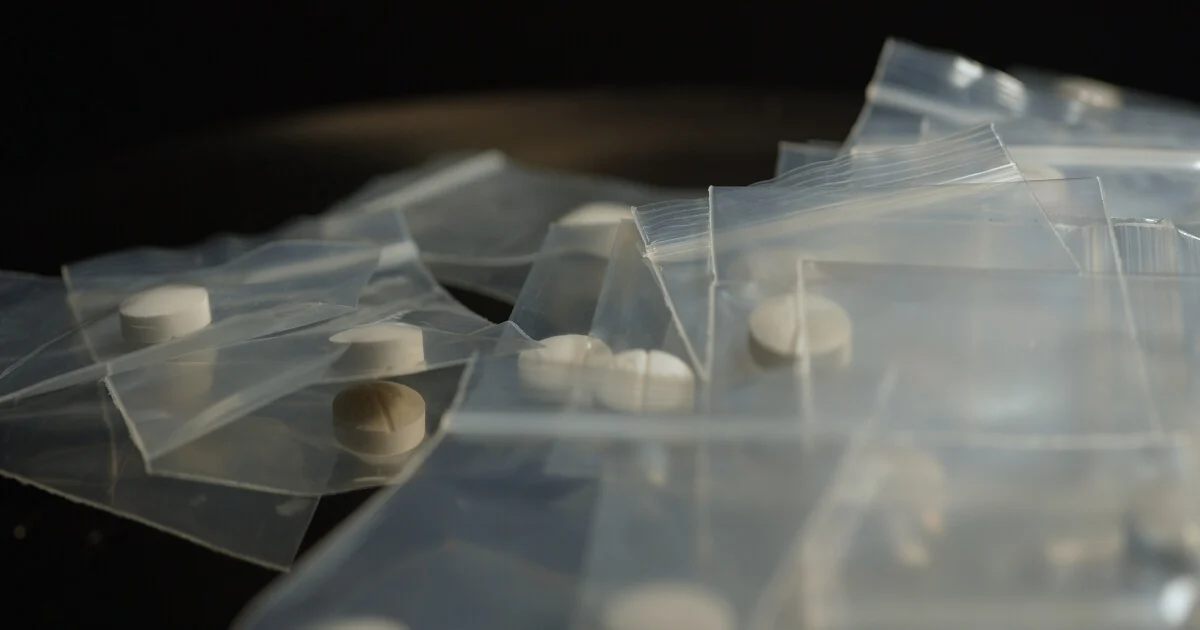
The BarbaraWhite operation capitalized on this chemical evolution. According to investigators, the Chernyshov brothers marketed their products on the darknet as "FENT FREE," a deceptive branding tactic designed to appeal to users who were wary of fentanyl’s lethality. In reality, the pills often contained nitazenes, which are frequently more difficult for emergency responders to reverse with standard doses of naloxone (Narcan).
Chronology of a Multi-Year Investigation
The investigation into the BarbaraWhite persona was not an overnight success but rather the culmination of a multi-year effort involving the FBI, the U.S. Postal Inspection Service, and various local law enforcement agencies.
The timeline of the operation and its subsequent downfall reveals a persistent pattern of illicit activity:
- 2020: The "BarbaraWhite" vendor account becomes active across several major darknet marketplaces, including Bohemia, Nemesis, and Abacus. The vendor begins building a reputation for reliability, eventually selling over 95,000 counterfeit pills.
- 2021–2023: As the operation scales, the vendor’s reach extends nationwide. During this period, federal authorities begin tracking a series of non-fatal and fatal overdoses that share a common link: packages of blue or white pills ordered through darknet markets.
- Late 2023: Investigators focus on the financial trails left by the vendor. By identifying Bitcoin addresses used for withdrawals on the Nemesis and Bohemia markets, agents begin to map the digital footprint of the operation.
- Early 2024: Blockchain analytics tools allow investigators to link the "BarbaraWhite" wallets to real-world financial accounts. Undercover purchases are conducted, and the physical packages are traced back to postal facilities in the Jacksonville area.
- August 2024: The U.S. Justice Department officially charges Vladislav and Stanislav Chernyshov. Search warrants executed at their residences uncover evidence of pill presses, chemical precursors, and digital logs of transactions.
The Role of Blockchain Analytics in Criminal Attribution
The perceived anonymity of cryptocurrency is often the primary draw for darknet vendors. By using Bitcoin and other digital assets, sellers believe they can bypass the "Know Your Customer" (KYC) regulations that govern traditional banking. However, the transparent nature of the blockchain—a public ledger of every transaction ever made—provides a permanent trail that investigators can exploit.
In the BarbaraWhite case, federal agents utilized blockchain analytics software, such as Chainalysis Reactor, to de-anonymize the Chernyshovs’ financial activities. The process began with the identification of "cluster" addresses. By analyzing the flow of funds from darknet marketplace escrow accounts, investigators identified a network of wallets that received approximately $220,000 in cryptocurrency proceeds.

The analysis revealed a sophisticated "hub-and-spoke" financial model. The funds did not just sit in the wallets; they were actively used to sustain the business. Approximately $230,000 was moved out of these wallets to various service providers, including:
- Postage Services: Payments made to crypto-integrated shipping services allowed the vendors to print labels and ship thousands of packages without using a personal credit card.
- Chemical Suppliers: Most notably, investigators traced approximately $7,210 to a China-based research chemical supplier. This supplier is alleged to be the source of the nitazene analogs used to press the counterfeit "FENT FREE" pills.
- Peer-to-Peer Transfers: The "smoking gun" occurred when blockchain tracing showed direct interactions between the BarbaraWhite wallets and a mobile payment app account registered to Stanislav Chernyshov. This link effectively bridged the gap between the pseudonymous online vendor and a real-world identity.
Supporting Data and Financial Scope
The scale of the BarbaraWhite operation was significant, reflecting the industrialization of darknet drug dealing. Data extracted from just three of the marketplaces where the vendor was active showed the sale of more than 95,000 pills. When considering the average price of counterfeit opioids on the darknet—often ranging from $5 to $20 per pill depending on quantity—the potential revenue far exceeded the $220,000 identified in the initial cluster of tracked wallets.
Furthermore, the investigation highlighted the global nature of the supply chain. The $7,210 payment to the Chinese chemical supplier represents only a fraction of the raw material costs, yet it underscores the difficulty of stopping the flow of synthetic drugs at the source. These suppliers often operate in a legal "gray zone," shipping chemicals that are not yet banned in their home countries but are strictly controlled in the United States.
Official Responses and Legal Implications
Following the arrests, U.S. Attorney for the Eastern District of Virginia, Jessica D. Aber, emphasized the commitment of federal agencies to pursuing darknet vendors. "The distribution of highly potent synthetic opioids under the guise of being ‘fentanyl-free’ is a particularly heinous crime," a spokesperson for the DOJ noted in a related briefing. "These defendants allegedly prioritized profit over human life, contributing to a cycle of addiction and death that affects communities across the country."
The FBI’s Jacksonville Field Office also released a statement regarding the case, noting that the arrest of the Chernyshov brothers should serve as a warning to others operating in the digital shadows. "The FBI and our partners will use every tool at our disposal—including advanced financial analysis—to find those who use the darknet to poison our neighbors," the statement read.
The legal proceedings against the Chernyshovs are expected to be lengthy. They face charges of conspiracy to distribute controlled substances and distribution resulting in death or serious bodily injury. If convicted, the charges carry mandatory minimum sentences, reflecting the severity with which the federal government views the distribution of nitazenes and other high-potency synthetics.
Broader Impact and the Future of Narcotics Enforcement
The BarbaraWhite case is a landmark example of the "double-edged sword" of cryptocurrency. While it enables the existence of darknet markets, it also provides a level of traceability that is often superior to cash transactions. This case demonstrates that the era of "anonymous" online drug dealing is rapidly closing as law enforcement agencies become more adept at utilizing blockchain forensics.
However, the case also highlights the evolving challenges of the drug crisis. The shift from fentanyl to nitazenes suggests that as long as there is demand, illicit chemists will continue to develop new, more potent substances to bypass regulations. The "BarbaraWhite" operation was particularly dangerous because it used deceptive marketing to lower the perceived risk for the consumer, a tactic that led to 12 documented overdoses.
The implications for public health are clear: the illicit drug supply is more unpredictable than ever. For law enforcement, the success of this investigation reinforces the necessity of a multi-disciplinary approach. Combining postal records, undercover operations, and sophisticated digital forensics is no longer optional; it is the new standard for dismantling the narcotics empires of the 21st century.
As the Chernyshov brothers await trial, the BarbaraWhite case stands as a testament to the persistence of federal investigators and the power of transparency in the digital age. It serves as both a tragedy—marked by the loss of three lives—and a blueprint for future operations aimed at securing the digital and physical borders of the nation against the tide of synthetic opioids.