The United States Department of Justice recently unsealed a federal indictment that has sent shockwaves through the illicit drug trade community, marking a significant victory for law enforcement in the ongoing battle against the synthetic opioid crisis. Two brothers from Jacksonville, Florida—Vladislav Chernyshov and Stanislav Chernyshov—were arrested on August 28 following a multi-year, multi-agency investigation into a prolific darknet entity known by the pseudonym "BarbaraWhite." This operation, which authorities allege was spearheaded by the Chernyshov brothers, is linked to at least 12 drug overdoses across the United States, including three fatalities. The case highlights a dangerous evolution in the narcotics trade: the rise of nitazenes, a class of synthetic opioids that can be significantly more potent than fentanyl, and the sophisticated use of blockchain analytics to strip away the perceived anonymity of cryptocurrency transactions.
The Synthetic Opioid Crisis: A Deadly Landscape
To understand the gravity of the charges against the Chernyshov brothers, one must look at the broader context of the American drug epidemic. Over the past decade, the landscape of substance abuse has shifted from organic narcotics like heroin to highly concentrated synthetic alternatives. According to the Centers for Disease Control and Prevention (CDC), synthetic opioids accounted for approximately 69% of the more than 100,000 overdose deaths recorded at the peak of the crisis in 2023. While fentanyl has long been the primary driver of these statistics, a new and even more lethal threat has emerged: nitazenes.
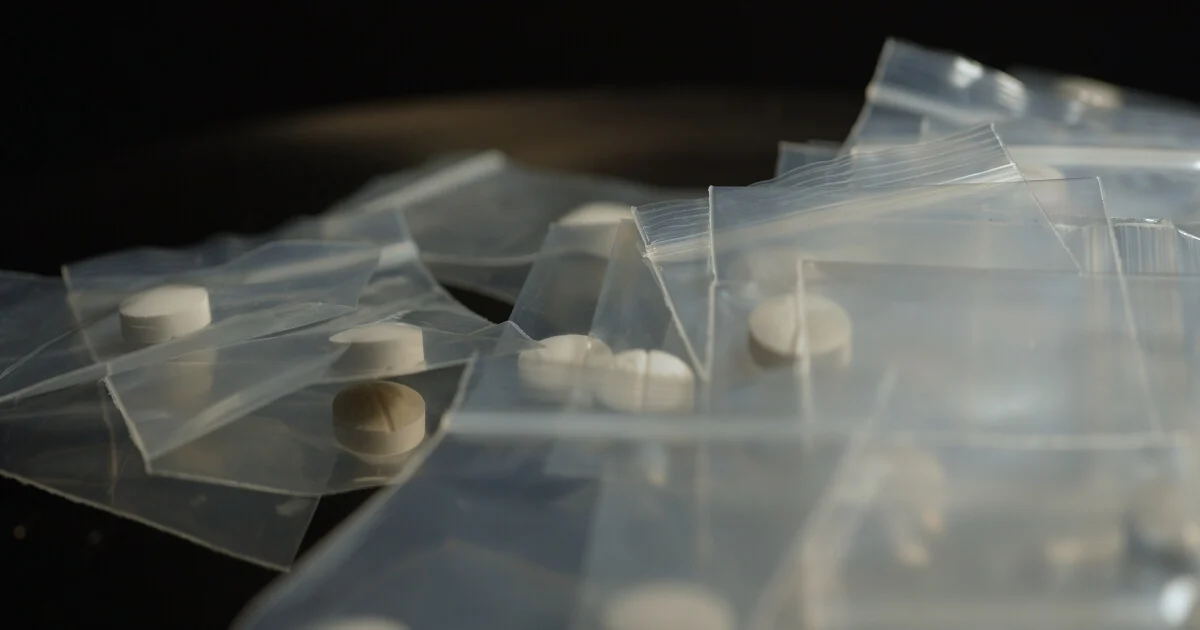
Nitazenes are a class of synthetic opioids originally developed in the 1950s as potential pain relievers but were never approved for human use due to their extreme potency and high risk of respiratory depression. Some variants of nitazenes, such as isotonitazene or protonitazene, are estimated to be several times stronger than fentanyl and up to 40 times stronger than morphine. Because they are relatively new to the illicit market, many standard toxicology screenings do not initially detect them, making them an "invisible killer" in the current drug supply. The "BarbaraWhite" operation allegedly exploited this gap, marketing pills as "FENT FREE" to appeal to users who were wary of fentanyl, while actually delivering substances that were far more dangerous.
The Rise and Fall of BarbaraWhite: A Timeline of Illicit Activity
The investigation into the "BarbaraWhite" persona reveals a sophisticated criminal enterprise that operated with relative impunity for nearly four years. The following chronology outlines the alleged lifecycle of the operation:
- 2020 – Inception: Law enforcement officials believe the "BarbaraWhite" vendor account became active on various darknet marketplaces around this time. Utilizing the hidden layers of the Tor network, the operators began building a reputation for reliability and product quality.
- 2021-2022 – Scaling Operations: During the height of the global pandemic, darknet drug sales surged as traditional physical supply chains were disrupted. BarbaraWhite expanded its presence across major marketplaces, including Bohemia, Nemesis, and Abacus. The vendor specialized in counterfeit pills, often pressed to resemble legitimate pharmaceuticals like oxycodone or Xanax.
- 2023 – Peak Distribution and Fatalities: By 2023, the operation had reached a massive scale. Records from just three darknet marketplaces indicate that BarbaraWhite sold more than 95,000 counterfeit pills. It was during this period that the human cost became undeniable. Law enforcement began linking specific drug shipments from the Jacksonville area to a string of overdoses across multiple states.
- Late 2023 to Early 2024 – Forensic Breakthrough: Federal investigators, including the FBI and DEA, integrated blockchain analytics into their traditional investigative techniques. By tracing the flow of Bitcoin and other cryptocurrencies used in the transactions, they began to map the financial infrastructure of the organization.
- August 28, 2024 – Arrests and Indictment: Following a series of undercover purchases and physical surveillance, authorities executed search warrants leading to the arrest of Vladislav and Stanislav Chernyshov.
Unmasking the Financial Infrastructure Through Blockchain Forensics
The cornerstone of the federal case against the Chernyshov brothers is the meticulous tracing of cryptocurrency transactions. For years, darknet vendors have relied on the perceived anonymity of Bitcoin to evade detection. However, the transparent nature of the blockchain—the digital ledger that records every transaction—has turned this perceived strength into a critical vulnerability.
Investigators utilized advanced blockchain analytics software, such as Chainalysis Reactor, to reconstruct the financial web woven by BarbaraWhite. The process began with the identification of Bitcoin addresses provided by the vendor on marketplaces like Nemesis and Bohemia. By analyzing the "cluster" of wallets associated with these addresses, agents were able to observe a clear pattern of incoming and outgoing funds.
The data revealed that the BarbaraWhite wallet cluster received approximately $220,000 in cryptocurrency from various darknet marketplace accounts. More importantly, the outgoing transactions provided a roadmap of the operation’s logistics. Approximately $230,000 was sent from these wallets to various service providers, including:

- China-Based Chemical Suppliers: Investigators identified approximately $7,210 sent to a chemical supplier in China. This supplier is alleged to have provided the raw nitazene analogs used to manufacture the counterfeit pills. These substances are often shipped under the guise of "research chemicals" or "not for human consumption" to bypass international customs regulations.
- Postage and Logistics: Significant amounts were paid to cryptocurrency-based postage services. This allowed the operators to print shipping labels anonymously, which were then used to mail thousands of packages from local post offices in the Jacksonville area.
- Secondary Drug Vendors: The flow of funds also suggested collaborations with other illicit actors, indicating a networked approach to the supply chain.
The final "smoking gun" in the digital investigation came when agents identified transactions moving from the BarbaraWhite cluster to a mobile payment app account directly linked to Stanislav Chernyshov. This bridge between the pseudonymous world of the darknet and the real-world identity of the suspect provided the probable cause necessary for the arrests.
Deceptive Marketing and the Human Toll
One of the most disturbing aspects of the "BarbaraWhite" operation was the use of deceptive marketing. The vendor frequently labeled products as "FENT FREE," a tactic designed to provide a false sense of security to buyers. In the current climate, many drug users are aware of the ubiquity of fentanyl and actively seek out products they believe are untainted.
By substituting nitazenes for fentanyl, the operators were not providing a safer product; they were providing one that was potentially more lethal and less understood by medical professionals. The FBI affidavit details that these shipments are linked to at least 12 overdoses. In these cases, victims consumed what they believed were standard illicit pills, only to be overwhelmed by the extreme potency of nitazenes. The three resulting fatalities underscore the predatory nature of the darknet drug trade, where profit is prioritized over the survival of the "customer" base.
Official Responses and Tactical Implications
Following the arrests, federal officials emphasized the importance of inter-agency cooperation and the use of cutting-edge technology. While the Department of Justice has not released an official statement beyond the indictment details, the sentiment among law enforcement circles is one of focused determination.
"The arrest of the Chernyshov brothers demonstrates that the veil of the darknet is not impenetrable," noted a former federal prosecutor familiar with such cases. "When you combine traditional ‘boots-on-the-ground’ police work—like surveillance and undercover buys—with the mathematical certainty of blockchain forensics, you create a formidable tool for justice."
The case also highlights the shifting focus of the DEA and FBI toward the "Precursor Supply Chain." By identifying the $7,210 payment to the Chinese chemical supplier, investigators have gained valuable intelligence on how these synthetic substances enter the United States. This "upstream" approach aims to disrupt the flow of chemicals before they can be pressed into pills and distributed to local communities.
Broader Impact and the Future of Narcotics Enforcement
The "BarbaraWhite" case serves as a landmark example of how law enforcement is adapting to the digital age. The implications of this investigation extend far beyond the borders of Jacksonville:
- Deterrence for Darknet Vendors: The successful de-anonymization of a high-volume vendor sends a clear message to other illicit actors that cryptocurrency does not offer a "get out of jail free" card. The permanent nature of the blockchain means that even transactions made years ago can eventually be traced back to a physical identity.
- Public Health Awareness: The case brings much-needed attention to the threat of nitazenes. As these substances become more common, public health officials must update testing protocols and emergency response strategies, such as increasing the availability of naloxone (Narcan), though higher doses are often required to reverse a nitazene-induced overdose.
- International Cooperation: The link to Chinese suppliers underscores the need for continued diplomatic and law enforcement pressure on international chemical hubs. Disrupting the manufacture of nitazene analogs at the source remains a top priority for global drug policy.
In conclusion, the charges against Vladislav and Stanislav Chernyshov represent a pivotal moment in the fight against synthetic opioids. Through the lens of this investigation, we see the duality of modern technology: a tool that enables a global illicit marketplace, but also the very instrument that allows the light of justice to penetrate the darkest corners of the internet. As the legal proceedings move forward, the "BarbaraWhite" case will undoubtedly be cited as a blueprint for future operations aimed at dismantling the digital infrastructure of the drug trade and protecting the public from the next wave of synthetic lethality.