


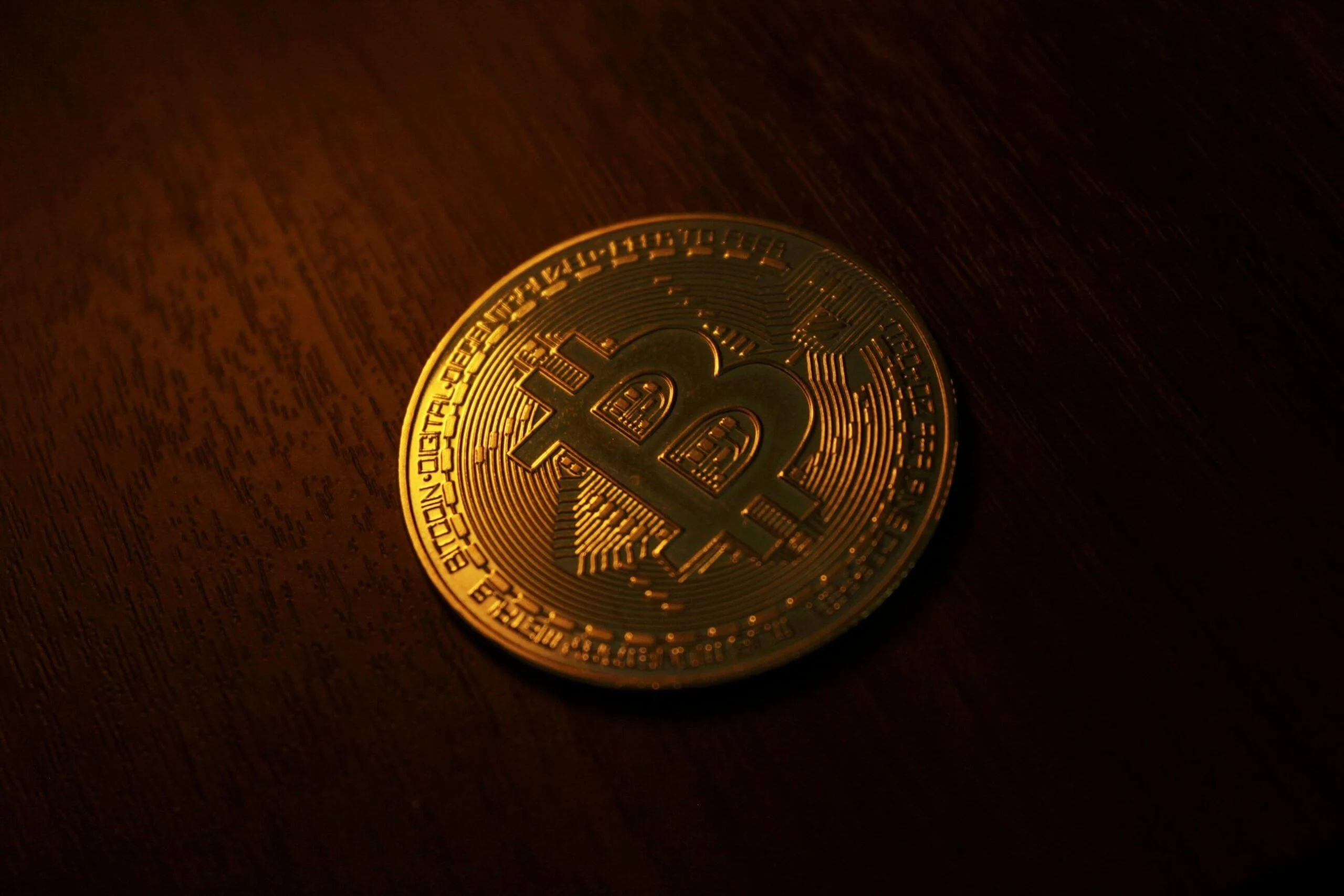
Bitcoin maintained its resilient position above the $84,000 mark during Tuesday’s early trading hours, successfully clawing back a portion of its recent declines. This recovery follows a period of heightened volatility that saw the flagship digital asset briefly touch $85,000 during weekend trading before experiencing a slight reversal. The cryptocurrency market as a whole mirrored this cautious optimism, with Ethereum and other prominent digital tokens registering moderate positive movements, signaling a broader, albeit tentative, upturn across the digital asset landscape.
As of 6:40 a.m. Eastern Time, the leading cryptocurrency by market capitalization had advanced by 1.36%, settling at $84,000, according to data compiled by Investing.com. This performance is particularly noteworthy given the persistent macroeconomic pressures and geopolitical tensions that continue to keep traditional financial markets on edge. Investors are grappling with increasing government bond yields and ongoing diplomatic friction between major global powers, specifically between Washington and Tehran, which contribute to a risk-off sentiment. Furthermore, financial markets globally are actively factoring in the likelihood of additional monetary tightening measures from the United States Federal Reserve, a stance that typically curtails appetite for speculative assets like cryptocurrencies.
Global Macroeconomic Pressures and Their Impact on Risk Assets
The current market environment is heavily influenced by the Federal Reserve’s unwavering commitment to combating persistent inflationary pressures. In a recent move that underscored its hawkish stance, the Fed implemented a 25-basis point rate increase, which was accompanied by stern forward guidance. This decision reverberated across financial markets, pushing the benchmark 10-year Treasury yield to its highest point in 19 years during the preceding month of September. The ascent of bond yields is a critical indicator for investors, as it reflects the increased cost of borrowing and the attractive returns offered by lower-risk government securities.
Historically, elevated borrowing costs tend to exert downward pressure on speculative investments, a category that prominently includes cryptocurrencies. The rationale is straightforward: higher interest rates increase the opportunity cost of holding non-yield-generating assets. When investors can secure higher, safer returns from government bonds, the appeal of riskier, more volatile assets diminishes, leading to capital reallocation. This dynamic explains why the cryptocurrency market often finds itself sensitive to shifts in central bank policy and sovereign debt markets. The Federal Reserve, under Chairman Jerome Powell, has consistently reiterated its data-dependent approach, emphasizing that future rate decisions will be guided by incoming inflation data and labor market conditions. Analysts widely anticipate that the Fed will maintain a restrictive policy stance until inflation demonstrably moves closer to its 2% target, a prospect that suggests continued vigilance for crypto investors.
Geopolitical Tensions and Energy Market Volatility
Adding another layer of complexity to the global financial landscape are the geopolitical tensions, particularly those involving the United States and Iran. Crude oil valuations experienced an upward climb this week, a direct consequence of diplomatic discussions between the two nations yielding minimal advancement. The lack of progress in these high-stakes negotiations fuels uncertainty in global energy markets, as Iran is a significant oil producer, and any disruption to its output or to critical shipping lanes like the Strait of Hormuz can have profound implications for global supply and prices.
The situation was further complicated by recent reports suggesting that President Trump had proposed sanctions relief to Iran in return for assurances regarding the Strait of Hormuz passage and limitations on its nuclear program. However, these reports were swiftly refuted by President Trump over the weekend, adding to the diplomatic impasse. The Strait of Hormuz, a narrow waterway between the Persian Gulf and the Gulf of Oman, is one of the world’s most strategically important choke points for oil transit, with a substantial portion of the world’s seaborne oil passing through it daily. Any threat to this passage immediately sends ripples through the global energy sector, affecting everything from gasoline prices to the operational costs of industries worldwide. Elevated oil prices, in turn, can contribute to broader inflationary pressures, further complicating the Federal Reserve’s mandate and potentially necessitating more aggressive monetary tightening, creating a feedback loop that impacts all asset classes, including cryptocurrencies.
Institutional Embrace: A Beacon of Long-Term Growth
Despite the overarching macroeconomic and geopolitical headwinds, a positive development emerged from the established financial institutions, offering a glimpse into the deepening integration of blockchain technology into mainstream finance. Citigroup, a global banking behemoth, announced the expansion of its blockchain-based asset services into key markets such as Japan and the United Arab Emirates. This strategic move is widely interpreted by market analysts as compelling evidence of deepening institutional adoption of digital assets and underlying blockchain infrastructure.
Citigroup’s initiative involves leveraging distributed ledger technology (DLT) for a range of services, including tokenized deposits, digital asset custody, and smart contract functionalities, aimed at streamlining cross-border payments and enhancing the efficiency of financial transactions for its institutional clients. This expansion into sophisticated financial hubs like Japan, a leader in technological innovation, and the UAE, a rapidly growing global financial center, underscores a growing confidence among traditional financial giants in the transformative potential of blockchain. Such developments are crucial for the long-term maturation and legitimacy of the cryptocurrency market. They suggest that despite price volatility and regulatory uncertainties, the fundamental technology behind digital assets is increasingly being recognized and integrated into the global financial system, paving the way for greater capital flows and broader acceptance. This institutional embrace is often seen as a critical step towards mitigating the perception of cryptocurrencies as purely speculative instruments and validating their role as a nascent, yet powerful, asset class.
Spot ETF Inflows: A Closer Look at Market Dynamics
The recent activity in spot cryptocurrency exchange-traded funds (ETFs) in the United States provides a nuanced picture of investor sentiment. On Monday, these funds collectively gathered $64.8 million in aggregate net inflows. While this figure represents a significant intake of capital, it also marks an approximately 80% reduction from the previous Friday’s robust $330.8 million intake, suggesting a moderation in the pace of new investments. This deceleration, however, does not necessarily signal a reversal of sentiment but rather a natural ebb and flow in market dynamics after a period of intense activity.
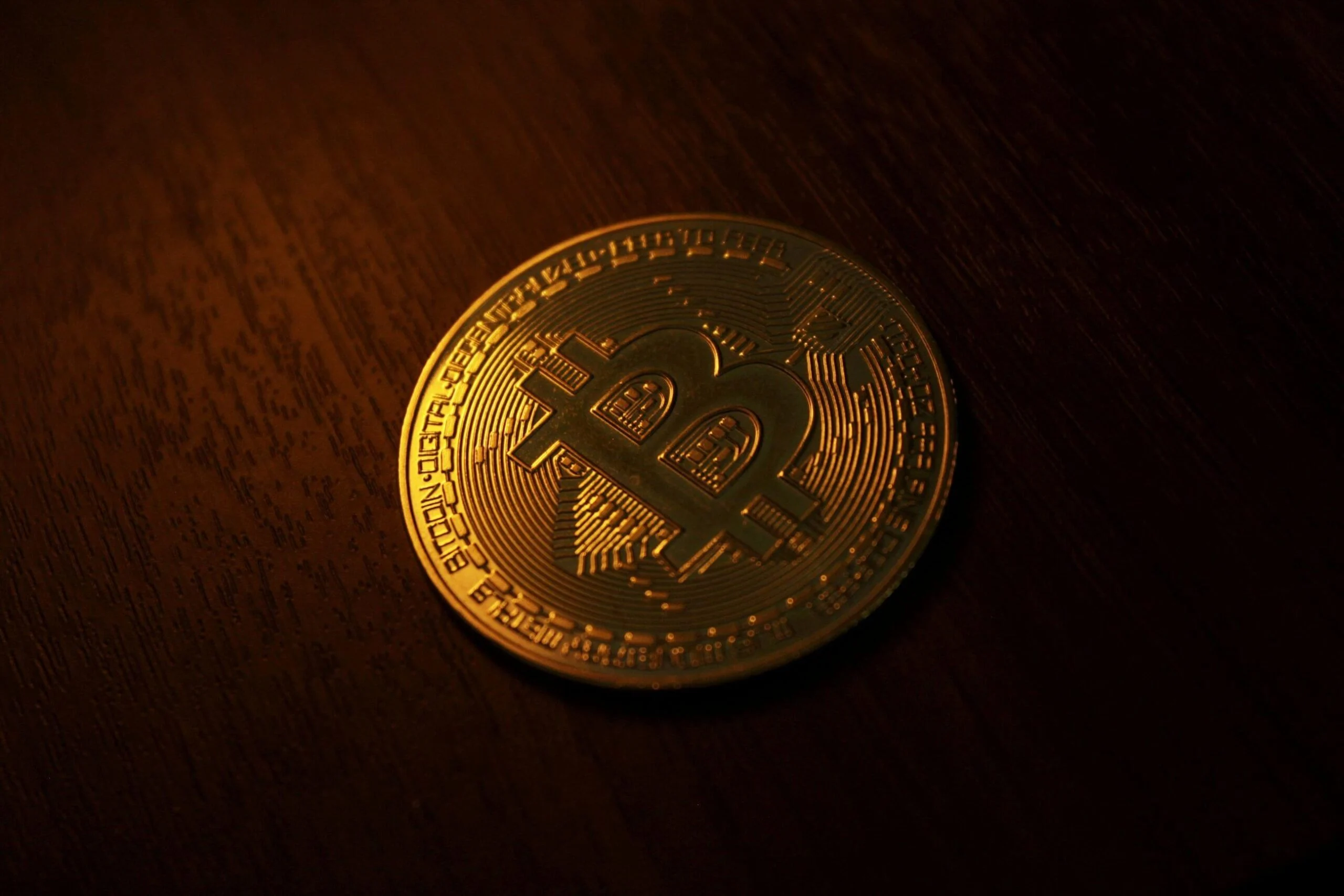
A detailed breakdown of Monday’s inflows reveals the continued dominance of Bitcoin-focused ETFs, which captured the lion’s share with $31.07 million. This contribution further extended Bitcoin ETFs’ impressive winning streak to eight uninterrupted trading days, during which they have accumulated approximately $3 billion in total net inflows. This sustained demand for Bitcoin ETFs highlights the asset’s status as the preferred entry point for institutional and retail investors seeking regulated exposure to the cryptocurrency market.
Ethereum products followed suit, registering $17.1 million in inflows, marking their seventh consecutive session of net positive flows. BlackRock’s iShares Ethereum Trust (ETHE) was a significant contributor to this category, attracting $15.4 million of Monday’s total Ethereum inflows, underscoring the trust placed in established financial product providers. Solana-tracking funds also maintained their positive momentum, pushing their streak to seven sessions with $12.7 million in new capital, largely attracted by Bitwise’s BSOL product. Meanwhile, XRP ETFs logged a fifth straight day of gains, with Canary Capital’s XRPC fund capturing the category’s entire inflow figure of $3.96 million.
Notwithstanding the observed deceleration in overall inflows compared to the previous week, all four asset categories – Bitcoin, Ethereum, Solana, and XRP – remained in positive territory. This sustained positive trend, particularly the consecutive inflow sequences, indicates a healthy underlying demand and a continued bullish sentiment among a segment of investors, even if the daily volumes are fluctuating. The persistent inflows, especially for Bitcoin, suggest that investors are utilizing these regulated investment vehicles to build long-term positions or rebalance portfolios, rather than engaging in short-term speculative trading.
However, not all funds mirrored this positive trend. Zcash stood out as an outlier, with its United States ETF recording $8.1 million in net outflows on Monday. This outflow came on the heels of a strong prior week, which had seen approximately $35 million in additions to the Zcash ETF. Such a sudden reversal for a single asset class, while not indicative of a broader market trend, highlights the idiosyncratic risks and investor preferences that can impact individual cryptocurrency products.
Decoding Futures Market Trends and Investor Sentiment
Beyond spot ETF activity, a crucial indicator of market sentiment and leverage in the cryptocurrency space is Bitcoin futures open interest. Open interest, which represents the aggregate value of active derivative contracts that have not yet been closed or settled, declined to a 2024 low of 628,000 BTC. This figure marks a notable decrease from the 763,000 BTC level recorded in early August, a period when Bitcoin was trading around $63,000, according to data from Coinglass.
The reduction in open interest signifies a decrease in speculative leverage within the Bitcoin futures market. When open interest falls, it typically indicates that fewer new positions are being opened, or existing positions are being closed, suggesting that market participants are either reducing their exposure or that less speculative capital is flowing into derivatives. This trend, especially when Bitcoin’s price has been rising, can be interpreted in several ways. On one hand, it might suggest a more cautious approach from traders, leading to a healthier market without excessive leverage that could fuel dramatic liquidations during price corrections. On the other hand, a substantial decline in open interest could also imply a waning enthusiasm for aggressive directional bets, potentially indicating a period of consolidation or uncertainty.
The observation that market participants are entering the fourth quarter with diminished leverage positions and subdued retail participation presents a contrasting picture to previous bull runs. Historically, Bitcoin’s fourth quarter has been its most robust performance period, often characterized by significant price rallies driven by renewed retail interest and increased trading activity. However, the current scenario, marked by a deleveraged futures market and a more cautious retail investor base, suggests that any potential Q4 rally might be built on more sustainable foundations, driven by genuine demand rather than speculative exuberance. This shift could lead to a less volatile, albeit potentially slower, upward trajectory if the bullish seasonality holds true.
The Road Ahead: Q4 Outlook and Key Factors to Watch
As the cryptocurrency market transitions into the fourth quarter, traditional analytics often point to historical trends of strong performance for Bitcoin during this period. However, the current macroeconomic and geopolitical landscape suggests that while historical patterns offer guidance, the unique confluence of factors at play requires a more nuanced outlook.
Investors will be closely monitoring several key variables. Foremost among them is the Federal Reserve’s monetary policy. Any further indications of continued hawkishness or an unexpected pivot could significantly influence market sentiment. Incoming inflation data, particularly the Consumer Price Index (CPI) and Producer Price Index (PPI), will be scrutinized for signs that the Fed’s tightening measures are effectively bringing inflation under control. Should inflation persist, the pressure for higher rates will remain, continuing to challenge risk assets.
Geopolitical developments, especially those concerning energy markets and international trade, will also play a crucial role. Escalations or de-escalations in regions like the Middle East could have direct implications for crude oil prices and, by extension, global economic stability, impacting investor appetite for risk.
The sustained growth and diversification of spot crypto ETFs will also be a critical indicator. While inflows have moderated, their continued positive trajectory across multiple asset classes demonstrates a structural demand for regulated crypto investment products. The expansion of institutional services, as exemplified by Citigroup, further solidifies the long-term viability and integration of digital assets into the global financial system.
Finally, the state of the futures market, with its reduced open interest and lower leverage, could set the stage for a more mature and potentially less volatile market environment. While subdued retail participation might temper explosive rallies, it could also foster a healthier growth trajectory less prone to sudden corrections fueled by over-leveraged positions. The fourth quarter, therefore, represents a critical juncture for Bitcoin and the broader cryptocurrency market, balancing historical bullish seasonality against a complex backdrop of global economic and geopolitical forces.














