


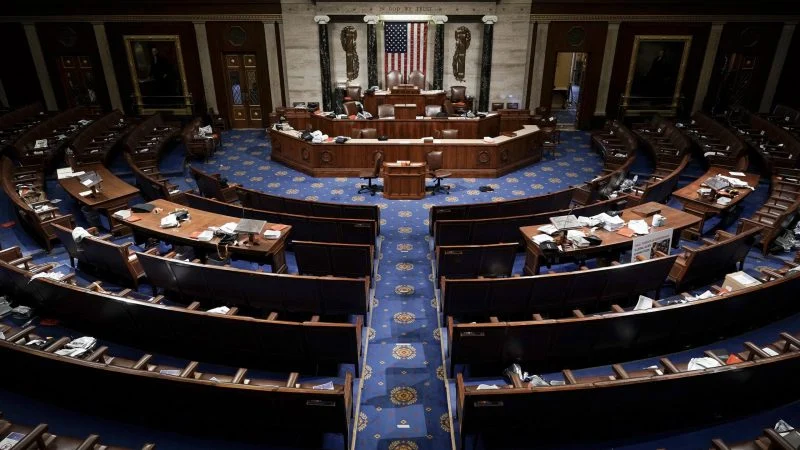
The United States Senate failed to advance the Digital Asset Market Clarity Act on Tuesday afternoon, as the landmark legislation fell short of the 60 votes required to clear a critical procedural hurdle. The failure to invoke cloture on the motion to proceed represents a significant setback for the cryptocurrency industry, which has spent years lobbying for a comprehensive federal framework to govern digital asset markets. With more than 40 senators voting against the measure, the legislative path for the bill appears effectively blocked for the remainder of the current session, casting a shadow of uncertainty over the regulatory future of the multi-trillion-dollar digital asset ecosystem.
The vote, which was tracked via the Senate floor webcast’s unofficial tally, was not a vote on the final passage of the bill but rather a procedural decision on whether to begin formal debate. By failing to reach the 60-vote threshold, proponents of the bill were unable to overcome a potential filibuster, leading to an immediate cooling of market sentiment. The collapse of the legislative effort is particularly poignant given the timing; with the November midterm elections rapidly approaching, congressional observers suggest there is now insufficient time to revive the bill or negotiate a new compromise before the 2026 legislative calendar takes precedence.
A Weekend of Optimism Followed by a Tuesday Collapse
The failure of the Digital Asset Market Clarity Act comes after a weekend of intense negotiations and a brief period of extreme optimism within the crypto sector. On Sunday, Senate Republicans released a heavily revised version of the act, which lead negotiators claimed incorporated 126 substantive changes specifically requested by their Democratic counterparts. These revisions were intended to bridge the partisan divide that has long characterized digital asset regulation in Washington.
The revised draft included significantly stricter ethics provisions for digital asset service providers, expanded enforcement powers for state attorneys general to pursue fraudulent actors within their jurisdictions, and technical revisions to address long-standing concerns from the traditional banking industry. Specifically, the banking sector had expressed reservations regarding stablecoin rewards and how those assets would be treated under existing capital requirement rules.
By Monday, the markets reacted with a powerful rally. Bitcoin (BTC) surged toward the $80,000 mark, peaking at approximately $79,600 as traders and institutional investors bet on a historic legislative breakthrough. This optimism, however, proved to be short-lived. Late Monday evening, Senate Democrats submitted a comprehensive counterproposal that sought further concessions, signaling that the Republican revisions had not gone far enough to satisfy the caucus’s concerns regarding consumer protection and financial stability.
By Tuesday morning, the bipartisan consensus had evaporated. Senator Cynthia Lummis (R-Wyo.), a primary architect of the bill and a prominent advocate for the crypto industry, expressed frustration with the sudden shift in tone. According to Lummis, the Democratic counterproposal essentially reverted to positions held prior to the August recess, effectively discarding the concessions made by Republicans over the weekend. This rejection set the stage for the failed cloture vote later that afternoon.
Key Points of Contention: Ethics, Enforcement, and Stablecoins
The breakdown in negotiations centered on three primary pillars of the legislation: ethics, state-level enforcement, and the intersection of crypto and traditional banking.
- Ethics and Oversight: Democrats argued that the bill’s oversight mechanisms were still too lenient on large exchanges and decentralized finance (DeFi) protocols. They sought more robust conflict-of-interest rules and more aggressive transparency requirements for executive leadership within crypto firms.
- State vs. Federal Authority: A major sticking point involved the role of state attorneys general. While the Republican draft expanded state powers, Democratic leadership insisted on preserving a higher degree of autonomy for state regulators to bring enforcement actions independent of federal agencies like the Commodity Futures Trading Commission (CFTC) or the Securities and Exchange Commission (SEC).
- Stablecoin Rewards and Banking Integration: The banking lobby remained a formidable obstacle. Traditional financial institutions expressed concern that the bill’s treatment of stablecoin rewards could create an uneven playing field, potentially siphoning deposits away from regulated banks into higher-yield, less-regulated digital asset products. Despite revisions aimed at pacifying these groups, several influential banking associations continued to voice opposition up until the hour of the vote.
Market Impact: A Sharp Reversal Across the Board
The legislative failure triggered an immediate and sharp selloff across the digital asset markets. The "Clarity Act rally" that had characterized the start of the week was completely erased within hours of the Senate’s decision.
Bitcoin, which had been flirting with the $80,000 psychological barrier on Monday, plummeted toward $76,000. The leading cryptocurrency faced intense selling pressure as traders who had entered long positions in anticipation of a "yes" vote moved to liquidate their holdings.
The impact was felt even more acutely in the altcoin market:
- Ether (ETH): The second-largest cryptocurrency by market cap fell below the $2,400 support level, reflecting broader concerns about the future of decentralized application (dApp) regulation in the U.S.
- Solana (SOL): One of the year’s top performers, Solana dropped below $97, losing a significant portion of its weekly gains.
- XRP: Often viewed as a barometer for regulatory sentiment due to its own long-standing legal battles with the SEC, XRP fell toward $1.31.
The market reversal began subtly on Tuesday morning as rumors of the Republican rejection of the Democratic counterproposal began to circulate. By the time the unofficial tally confirmed the failed cloture vote, the market was in a full-scale retreat.
The Macroeconomic Backdrop: A Perfect Storm for Risk Assets
The legislative defeat did not occur in a vacuum. The crypto market’s decline was exacerbated by a deteriorating macroeconomic environment. As the Senate vote unfolded, U.S. equities were already trending lower, and Treasury yields were climbing.
Investors are currently on edge ahead of the Federal Reserve’s upcoming interest rate decision. Current market pricing suggests a high probability of a quarter-point (25 basis points) rate increase. In an environment of rising interest rates and "higher for longer" monetary policy, risk assets like cryptocurrencies and high-growth tech stocks typically face headwinds.
The combination of a failed legislative framework, which would have provided much-needed institutional "rules of the road," and a hawkish Federal Reserve created a "perfect storm" for the selloff. Higher Treasury yields make non-yielding assets or highly volatile assets less attractive to institutional capital, further dampening the recovery prospects for Bitcoin in the immediate term.
Timeline of the Digital Asset Market Clarity Act’s Final Days
To understand the magnitude of Tuesday’s failure, it is helpful to look at the rapid sequence of events that led to the bill’s demise:
- August Recess: Lawmakers depart Washington with negotiations stalled over the jurisdictional split between the SEC and CFTC.
- Sunday (Pre-Vote): Senate Republicans unveil a "final compromise" draft featuring 126 changes. The industry reacts positively, viewing this as a genuine attempt at bipartisanship.
- Monday Morning: Crypto markets surge. Bitcoin reaches $79,600. Bullish sentiment dominates social media and trading desks.
- Monday Evening: Senate Democrats deliver a counterproposal. Sources suggest the document included "poison pill" provisions regarding DeFi and self-custody that Republicans found unacceptable.
- Tuesday 10:00 AM: Senator Lummis and other Republican leaders officially reject the counterproposal, citing a lack of good-faith negotiation from the opposition.
- Tuesday 2:00 PM: The Senate convenes for the cloture vote.
- Tuesday 3:30 PM: The vote fails to reach the 60-vote threshold. Market prices begin a steep descent.
- Tuesday Evening: Industry groups express disappointment, while some Democratic senators release statements emphasizing the need for "stronger consumer protections" before any bill moves forward.
Analysis: What This Means for the Future of US Crypto Regulation
The failure of the Digital Asset Market Clarity Act leaves the United States in a state of regulatory limbo. Without a comprehensive federal framework, the "regulation by enforcement" era is likely to continue. The SEC and CFTC will continue to operate under existing, and often ambiguous, statutes to police the industry, leading to further court battles and jurisdictional disputes.
For the crypto industry, the timing is particularly detrimental. The 2026 legislative outlook is clouded by the upcoming midterm elections, which will shift the focus of lawmakers toward campaigning rather than complex financial policy. If the makeup of the Senate changes significantly after the elections, the entire legislative process may have to start from scratch in the next session.
Furthermore, the failure to pass the bill may encourage crypto firms to look more seriously at offshore jurisdictions. Countries in the European Union (under the MiCA framework), the UAE, and Singapore have already established clearer guidelines, and the continued gridlock in Washington may accelerate the "brain drain" of blockchain talent and capital from the U.S.
Conclusion and Outlook
The collapse of the Digital Asset Market Clarity Act is a stark reminder of the deep partisan and institutional divisions that remain regarding the role of digital assets in the American financial system. While the industry came closer than ever to a unified federal framework, the complexities of banking integration, state enforcement, and consumer protection proved too difficult to resolve under the pressure of a looming election.
Traders and investors are now shifting their attention to the Federal Reserve’s Wednesday announcement and the subsequent press conference by Chair Jerome Powell. While the legislative path for 2026 appears closed, the industry’s focus will likely turn toward the judicial branch and the outcome of the November elections to determine the next chapter of crypto regulation in America. For now, the market remains in a defensive posture, awaiting the next catalyst in an increasingly complex global economic and political landscape.














