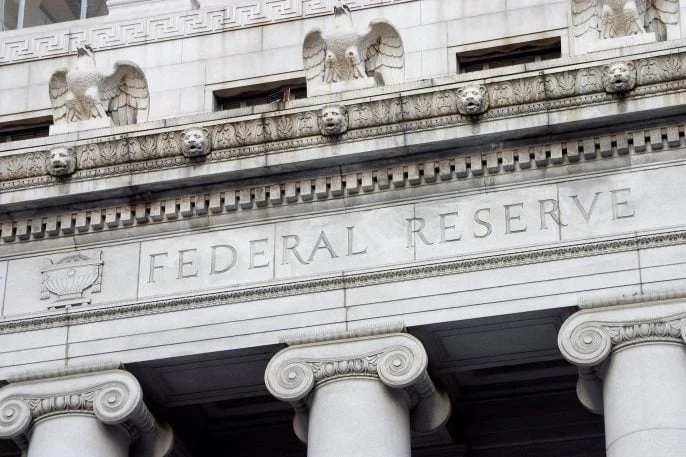
The Federal Open Market Committee (FOMC) released the minutes from its September 15-16 policy meeting, revealing that a majority of central bank officials anticipate at least one more interest rate increase before the conclusion of the calendar year. This hawkish leaning comes as the committee grapples with a complex economic landscape defined by stubborn inflationary pressures, an unexpectedly resilient labor market, and a nascent surge in capital investment driven by the rapid expansion of artificial intelligence (AI) infrastructure. While the decision to raise the federal funds target range to 3.75% to 4% in September was unanimous, the internal debate regarding the future path of monetary policy highlights a growing divide over how "restrictive" current conditions truly are.
The September Decision and the State of the Labor Market
During the September meeting, all participants supported the quarter-percentage-point increase, marking a continued effort to bring inflation back to the Federal Reserve’s long-term 2% target. The minutes suggest that the committee views the current state of the economy as one of "rebalanced but robust" activity. Officials generally judged the labor market to be at or near full employment, characterized by strong payroll gains and low unemployment rates that have defied earlier predictions of a recessionary slowdown.
However, this strength remains a double-edged sword for the Fed. While high employment supports consumer spending and overall economic health, it also contributes to persistent service-sector inflation and wage growth that some officials fear could become entrenched. The minutes noted that while the mismatch between labor supply and demand is narrowing, the risks to inflation remain "tilted to the upside," necessitating a cautious approach to any potential pause in the tightening cycle.
Chronology of the Tightening Cycle
The current monetary policy environment is the result of one of the most aggressive tightening cycles in the Federal Reserve’s history. To provide context, the Fed began raising rates from near-zero levels in early 2022 to combat the highest inflation seen in four decades.
- Early 2022: The Fed initiates the cycle with a 25-basis-point hike as inflation climbs above 7%.
- Mid-to-Late 2022: A series of 75-basis-point "jumbo" hikes are implemented to rapidly reach a neutral stance.
- Early 2023: The pace of hikes slows to 25 basis points as the Fed monitors the "long and variable lags" of monetary policy.
- September 2023: The target range reaches 3.75% to 4%, with the minutes now suggesting that the "terminal rate"—the peak of the cycle—may be higher than previously estimated.
This timeline underscores the Fed’s shift from a reactive stance to a more strategic, data-dependent phase. The September minutes indicate that the "higher for longer" narrative is now the dominant philosophy within the FOMC, as officials seek to ensure that inflation does not plateau at a level above their 2% objective.
The AI Infrastructure Boom: A New Macroeconomic Variable
A significant and somewhat unexpected theme in the September minutes was the impact of artificial intelligence on the broader economy. Policymakers pointed to surging investment in AI infrastructure as a primary source of price pressure and a driver of increased demand. This "AI buildout" is not merely a technological trend but a massive capital expenditure event that is beginning to influence macroeconomic indicators.
Some officials warned that the sheer scale of AI-related investment could push aggregate demand above the economy’s productive supply over the medium term. This phenomenon creates a unique challenge for the Fed: while AI has the potential to boost productivity in the long run, the immediate effect of building data centers, purchasing advanced semiconductors, and upgrading energy grids is inflationary.
Furthermore, the AI boom is making its presence felt in the bond markets. During the period between the August and September meetings, Treasury yields rose approximately 35 basis points across maturities ranging from two to ten years. Market commentary cited in the minutes suggests that heavy borrowing by corporations to finance AI-related projects is a contributing factor to higher yields, alongside strong economic data. This suggests that the "tech trade" is no longer just an equity market story but is actively influencing the cost of capital across the entire economy.
Detailed Inflation Data and Methodology Changes
The Fed staff’s analysis of inflation provided a sobering look at the challenges ahead. According to the minutes, annual headline Personal Consumption Expenditures (PCE) inflation reached 3.8% in August, while the core PCE—which excludes volatile food and energy prices—stood at 3.4%.
A technical note in the minutes revealed a forthcoming change to the Bureau of Economic Analysis (BEA) methodology. Under the revised calculations, the August headline PCE would be 3.6% and the core would be 3.2%. While these revised figures show slightly lower levels of inflation, they remain significantly above the 2% target.
The staff’s projections were particularly noteworthy:
- Inflation Forecasts: Staff raised their inflation forecasts for the 2026–2028 period.
- Target Return: The staff now projects that headline inflation will not return to the 2% target until 2029, a delay that underscores the "sticky" nature of current price pressures.
- Growth Outlook: Despite higher rates, the staff strengthened their growth outlook for the coming years, citing robust business investment and solid consumer spending.
This combination of higher growth and persistent inflation is what has prompted several officials to argue that the current policy rate may not be "restrictive enough." While some participants believe the current rate is mildly restrictive, others argued that a higher rate path is necessary to provide "insurance" against a secondary spike in inflation.
Financial Conditions and Market Resilience
One of the more perplexing aspects of the current cycle discussed by the FOMC is the resilience of financial conditions. Typically, when the Fed raises rates, financial conditions tighten—stock prices fall, credit spreads widen, and borrowing becomes difficult. However, the minutes noted that despite the increase in Treasury yields, overall financial conditions remain relatively supportive of growth.
Strong equity prices and narrow corporate credit spreads have helped offset the impact of higher interest rates. This suggests that the private sector still has access to capital and that investors remain optimistic about corporate earnings, particularly in the technology sector. The one notable exception is the housing market, where elevated mortgage rates continue to weigh heavily on activity, leading to a decline in home sales and a slowdown in new construction.
Business contacts reported to the Fed that they are still experiencing rising costs, but more importantly, many companies appear increasingly able to pass these increases on to consumers. This "pricing power" is a key metric the Fed monitors; if consumers continue to accept higher prices, the "inflationary mindset" becomes harder to break.
Official Responses and Dissenting Views
While the September hike was unanimous, the minutes reflect a spectrum of opinions regarding the next steps. The "hawks" on the committee emphasize the risk of doing too little, fearing that if inflation expectations become unanchored, the cost of bringing it down later will be far higher in terms of unemployment.
Conversely, a smaller group of "doves" or more cautious officials expressed concern about the lag effects of previous hikes. They argued that the full impact of the 375-400 basis points of tightening has yet to be felt by the average household and small business. These officials prefer a "wait-and-see" approach, suggesting that the Fed should allow the economy to absorb the current restrictions before adding more.
The minutes also highlighted geopolitical tensions as a significant "wildcard." Higher energy prices linked to global instability remain a constant threat to the headline inflation figure. Officials noted that energy price shocks can quickly filter through to transportation and manufacturing costs, complicating the Fed’s mission.
Broader Implications and Analysis
The September minutes suggest that the Federal Reserve is entering a "fine-tuning" phase that could last longer than markets initially anticipated. The revelation that staff do not expect a return to 2% inflation until 2029 is a significant shift in the long-term outlook. It suggests that the "neutral" interest rate—the rate at which the economy neither accelerates nor slows—may be higher in the post-pandemic era than it was in the decade following the 2008 financial crisis.
For consumers, this means that high interest rates for mortgages, auto loans, and credit cards are likely to persist. For the corporate world, the AI-driven investment cycle is creating a bifurcated economy: companies at the forefront of the technological shift are continuing to spend and borrow despite high rates, while more traditional, interest-rate-sensitive sectors like housing and manufacturing are feeling the squeeze.
The Fed’s focus on AI as a macroeconomic driver is also a landmark moment in central banking. It acknowledges that technological shifts can have immediate inflationary consequences through the demand for resources (energy, labor, and capital) before they ever deliver the promised productivity gains.
Conclusion: The Path to the October Meeting
As the Federal Reserve prepares for its next policy meeting on October 27 and 28, the "data-dependent" mantra remains the guiding principle. Officials emphasized that another hike is not predetermined and will depend entirely on the incoming data regarding inflation, employment, and financial stability.
The minutes serve as a clear signal to the markets that the Fed is not yet ready to declare victory over inflation. With the AI boom adding a new layer of complexity to the demand side of the economy and labor markets remaining tight, the "last mile" of the Fed’s inflation fight may prove to be the most difficult. Investors and economists will now turn their attention to the upcoming PCE and CPI releases, which will likely determine whether the committee follows through on its inclination to raise rates one last time in 2023.