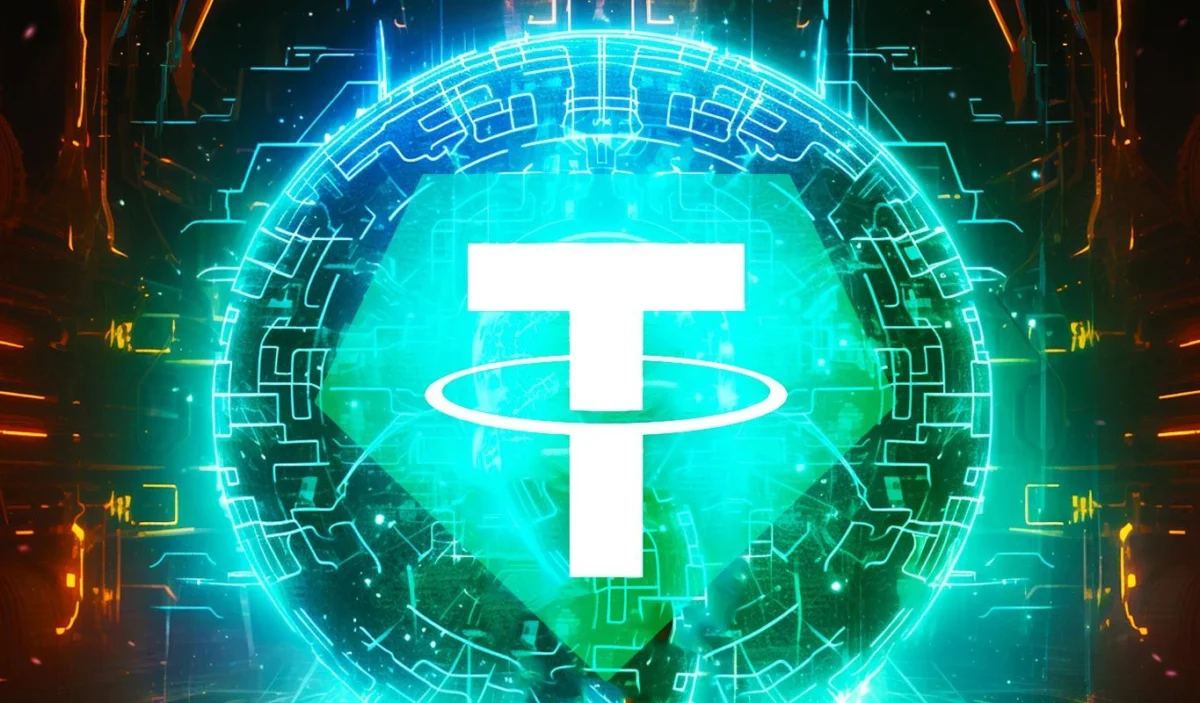
A comprehensive investigation by the United States Senate Permanent Subcommittee on Investigations has concluded that the Iranian regime is increasingly utilizing Tether’s USDT, the world’s largest stablecoin, to circumvent a sophisticated web of U.S.-led economic sanctions. According to findings reviewed by The Wall Street Journal, the dollar-pegged digital asset has transitioned from a niche financial tool into a primary payment rail for Tehran, facilitating the movement of capital for the regime and its regional proxies, including the militant group Hezbollah. The report underscores a growing challenge for Western regulators: the emergence of a "shadow banking system" that operates beyond the reach of traditional financial oversight, powered by the liquidity and stability of digital assets that mirror the value of the U.S. dollar.
The Senate probe, spearheaded by Senator Richard Blumenthal (D-Conn.), highlights a systemic shift in how sanctioned states manage international commerce and militant funding. By leveraging the decentralized nature of blockchain technology, Iran has managed to sustain its drone and missile programs, fund domestic operations linked to human rights abuses, and provide financial lifelines to its "Axis of Resistance" partners across the Middle East. The investigation’s findings suggest that Tether, which maintains a market capitalization exceeding $120 billion and accounts for approximately 60% of the global stablecoin market, has become an indispensable component of the Iranian state’s economic survival strategy.
The Mechanics of Sanction Evasion via Stablecoins
Stablecoins like USDT are designed to maintain a 1:1 peg with the U.S. dollar, typically backed by reserves of cash and U.S. Treasury bills. This stability makes them more attractive for commercial transactions and money laundering than highly volatile cryptocurrencies like Bitcoin or Ethereum. For a sanctioned entity like the Iranian government, USDT offers the benefits of the dollar—universal acceptance and a stable store of value—without the necessity of interacting with the U.S. banking system or the SWIFT international payment network, both of which are heavily monitored by the U.S. Treasury’s Office of Foreign Assets Control (OFAC).
The Senate subcommittee’s review of 846 digital wallets previously sanctioned by the U.S. and Israeli governments revealed a startling pattern: 84% of these wallets traded exclusively or almost exclusively in USDT. This concentration of activity suggests that the Iranian regime has standardized its illicit financial operations around the Tether ecosystem. Senator Blumenthal characterized this development as a direct threat to national security, stating that the token has allowed the Iranian government to defy the U.S. sanctions regime while pursuing hostile military and domestic agendas.
The report details how these transactions often occur through over-the-counter (OTC) brokers and informal exchange networks in jurisdictions with lax regulatory oversight. By moving funds through a series of intermediary wallets—a process known as "peeling"—illicit actors can obscure the origin and destination of the funds before eventually converting the digital assets into hard currency or using them to purchase dual-use technologies for military applications.
Chronology of Escalation and Regulatory Countermeasures
The pivot toward digital assets has accelerated as the United States has ramped up its "maximum pressure" campaign against Iran. Following the U.S. withdrawal from the Joint Comprehensive Plan of Action (JCPOA) in 2018, Iran’s access to the global financial system was severely restricted. In response, the regime began exploring alternative financial architectures.
By early 2024, the U.S. Treasury began identifying a surge in crypto-linked funding for Iranian-backed groups following heightened regional tensions. This led to a series of military and economic actions, including "Operation Economic Outcast" in August, which targeted the financial infrastructure of Iranian proxies. Despite these efforts, the Senate report indicates that the digital nature of USDT allows for a level of agility that traditional sanctions struggle to match.
The timeline of Iran’s USDT usage reflects a sophisticated adaptation to Western pressure:
- 2022–2023: Initial reports surface regarding the use of Tether by Iranian businesses to settle import/export balances in regional hubs like Dubai and Istanbul.
- Early 2024: U.S. and Israeli intelligence identify specific USDT-heavy wallets linked to the Quds Force and Hezbollah.
- August 2024: The U.S. Treasury imposes sanctions on specific crypto-exchanges and mixers used by the Iranian regime, but USDT remains the dominant medium of exchange.
- 2025 (Projected/Reported): Data from TRM Labs suggests that while Tether remains the primary tool, its overall share of volume in Iran-attributed wallets began to fluctuate as the regime explored even more obfuscated methods, dropping from a peak of 72% in 2024 to 67% in 2025.
Supporting Data: The Scale of the Shadow Economy
The data compiled by the subcommittee and third-party blockchain analytics firms like TRM Labs provides a granular look at the scale of the problem. While the total volume of illicit crypto activity remains a small fraction of the global financial system, its impact is outsized in the context of state-sponsored terrorism and sanctions evasion.
The investigation found that the Iranian regime’s use of USDT is not merely incidental but strategic. The 84% usage rate among sanctioned wallets indicates a deep integration of Tether into the regime’s procurement offices. Furthermore, the report suggests that the Iranian central bank may be utilizing stablecoins to manage foreign exchange reserves, effectively creating a parallel digital economy that is immune to the seizure of physical assets or the freezing of traditional bank accounts.
However, there are signs that the "transparency" of the blockchain—where every transaction is recorded on a public ledger—may be starting to work against the regime. TRM Labs data indicated a sharp decline in USDT’s share of on-chain volume in August 2025, falling to just 14%. This shift suggests that as Western law enforcement agencies become more adept at tracking USDT transactions, the Iranian regime may be migrating to "privacy coins" or more sophisticated, multi-chain laundering techniques to maintain its anonymity.
Official Responses and the Role of Tether Limited
Tether Limited, the company behind the USDT token, has frequently come under fire from U.S. lawmakers for what they perceive as a lack of proactive compliance. While Tether is headquartered in the British Virgin Islands and operates outside of U.S. jurisdiction, the company has repeatedly asserted its commitment to cooperating with global law enforcement.
A spokesperson for Tether did not provide a formal comment on the specific findings of the Senate report. However, in previous statements, the company has highlighted its "voluntary" efforts to freeze wallets associated with illicit activity. According to Tether, the company has worked with over 140 law enforcement agencies across 40 countries to freeze more than $1.3 billion in assets linked to scams, hacks, and terrorism since its inception.
Despite these claims, critics argue that Tether’s response is often reactive. Unlike traditional banks, which are required to perform "Know Your Customer" (KYC) and Anti-Money Laundering (AML) checks on every transaction, Tether primarily monitors the "primary" market—where tokens are issued and redeemed. The "secondary" market, where USDT is traded peer-to-peer on decentralized exchanges or through informal brokers, remains a significant blind spot. The Senate report argues that this secondary market is where the bulk of Iranian sanctions evasion occurs, and it calls for stricter federal oversight of stablecoin issuers that utilize the U.S. dollar as their underlying reserve.
Broader Implications and Future Legislation
The findings of the Senate Permanent Subcommittee on Investigations are expected to serve as a catalyst for new legislative efforts to regulate the stablecoin industry. Currently, the U.S. Congress is debating several bills, including the Lummis-Gillibrand Responsible Financial Innovation Act and the Clarity for Stablecoins Act, which aim to bring digital asset issuers under the purview of federal regulators like the Federal Reserve or the Office of the Comptroller of the Currency (OCC).
The implications of the report extend beyond Iran. The use of USDT by the Iranian regime provides a blueprint for other sanctioned nations, such as Russia and North Korea, to build their own alternative financial networks. This "digitization of sanctions evasion" threatens to diminish the efficacy of the U.S. dollar as a tool of foreign policy. If the U.S. can no longer control the rails on which dollar-denominated value moves, its ability to project power through economic statecraft could be permanently weakened.
Furthermore, the report raises questions about the future of the crypto industry in the United States. If stablecoins continue to be linked to state-sponsored terrorism and human rights abuses, the industry may face a "de-banking" trend where traditional financial institutions refuse to provide services to any company associated with digital assets.
Analysis of the Geopolitical Shift
The Senate report marks a pivotal moment in the intersection of finance, technology, and national security. It confirms that the "cat and mouse" game between sanctions enforcers and sanctioned states has entered a digital frontier. For Iran, the use of USDT is a pragmatic response to economic strangulation. For the United States, it represents a leakage in its primary defense mechanism.
As the U.S. Treasury and intelligence agencies enhance their blockchain forensic capabilities, the Iranian regime will likely continue to adapt, potentially moving toward more decentralized and less transparent protocols. The ultimate resolution may not lie in technology alone, but in international diplomatic efforts to harmonize crypto regulations across borders, ensuring that "shadow banks" have nowhere left to hide.
The Senate subcommittee’s findings serve as a stark reminder that in the modern era, the battlefield is as much about digital ledgers and liquidity pools as it is about physical borders and military hardware. The challenge for policymakers will be to foster innovation in the digital asset space while ensuring that these tools are not co-opted by regimes seeking to undermine global security and the rule of law.