Payward, the parent company behind the prominent cryptocurrency exchange Kraken, has announced its ambitious intention to become the inaugural CFTC-regulated HIP-3* deployer on the Hyperliquid network. This strategic move is poised to revolutionize the landscape of digital asset derivatives in the United States, as Payward plans to leverage Hyperliquid’s infrastructure to offer perpetual futures markets specifically tailored for U.S. clients. The initiative, while groundbreaking, remains contingent upon securing the necessary regulatory approvals, underscoring the complex interplay between innovation in decentralized finance (DeFi) and stringent regulatory oversight.
The core of this pioneering proposal involves Bitnomial, a fully CFTC-regulated exchange and clearinghouse within the Payward ecosystem, which would assume the critical role of the deployer. This entity would be responsible for the creation, ownership, and administration of these new markets, as well as the clearing and settlement of all associated contracts. Hyperliquid, a high-performance decentralized exchange, publicly shared the details of this proposal, simultaneously introducing an optional allowlist feature for permissioned markets, a functionality central to Payward’s regulatory compliance strategy. The initial iteration of this feature is currently live on a testnet, with its specifications subject to potential modifications based on ongoing feedback and development.
A New Paradigm for US Crypto Derivatives
The announcement, disseminated via Hyperliquid’s official communication channels, notably on X (formerly Twitter), highlights Payward’s intent to establish a regulated pathway for U.S. investors to access perpetual futures. Perpetual futures, a type of derivative contract with no expiry date, have become a cornerstone of global cryptocurrency trading, offering significant leverage and liquidity. However, their availability to U.S. clients through regulated channels has historically been limited due to the complex regulatory environment. Payward’s strategy aims to bridge this gap by utilizing Hyperliquid as the underlying infrastructure layer for these markets, ensuring that all offerings are facilitated through regulated entities within the broader Payward group.
Under the proposed structure, Bitnomial’s role as a CFTC-regulated Designated Contract Market (DCM) and Derivatives Clearing Organization (DCO) is paramount. Should regulatory approval be granted, Bitnomial would serve as the central hub for market operations, managing the lifecycle of contracts from inception to settlement. This ensures that the decentralized nature of Hyperliquid’s technology is overlaid with the robust compliance framework demanded by U.S. financial regulators.
Further enhancing the regulatory compliance, NinjaTrader Clearing, Payward’s CFTC-registered Futures Commission Merchant (FCM), would be responsible for carrying client accounts. This division of responsibilities, where market operation and client account management are handled by distinct, separately regulated entities, is a deliberate design choice to meet stringent CFTC requirements. Each unit within this proposed framework would operate strictly within the bounds of its respective CFTC registration, creating a multi-layered regulatory architecture designed for maximum transparency and accountability.
It is crucial to emphasize that Payward’s plan remains an intention, not a live product. Every step, from the deployment of markets to the onboarding of client accounts, is contingent on receiving explicit regulatory approval. This iterative process of engagement with regulators reflects the industry’s growing maturity and the increasing imperative for digital asset platforms to integrate within existing financial regulatory frameworks, especially for offerings targeted at the highly scrutinized U.S. market.
**The Evolution of Deployer Options: Understanding HIP-3***
The technical backbone enabling Payward’s ambitious project is Hyperliquid Improvement Proposal 3 (HIP-3), a significant upgrade introducing additional deployer functions to the network. Hyperliquid has indicated that HIP-3 will facilitate optional configurations for permissioned markets in a forthcoming network upgrade. The "star" designation signifies that this set of capabilities groups several new functionalities under a unified label, indicating an evolving and comprehensive approach to market customization.
At its core, HIP-3* activation involves the implementation of an on-chain allowlist, which can be managed by the deployer (in this case, Bitnomial) or its designated sub-deployers. This feature is transformative because it grants deployers the ability to precisely control who can access and trade on a specific market. For regulated entities like Bitnomial, this control is indispensable, allowing them to ensure that only eligible, KYC-verified participants from approved jurisdictions can engage in trading activities, thereby meeting anti-money laundering (AML) and know-your-customer (KYC) obligations.
Hyperliquid has clarified that this new functionality is strictly additive to the existing HIP-3 framework, meaning its use is entirely optional and at the discretion of the deployer. Existing, open markets on Hyperliquid will remain unaffected, preserving the network’s commitment to open and permissionless finance where desired. However, for deployers seeking to operate within highly regulated environments, HIP-3* provides the necessary tools to align their market operations with applicable legal and regulatory requirements, such as those imposed by the CFTC.
The initial release of these HIP-3* capabilities is currently available on the Hyperliquid testnet, allowing developers and potential deployers to experiment with the new features in a sandbox environment. Hyperliquid has explicitly stated that the specifications are preliminary and may evolve based on feedback from the community and early testers. This phased rollout reflects a cautious and iterative development approach, common in both traditional and decentralized technology development. Hyperliquid positions itself as a "neutral infrastructure layer" with the overarching goal of supporting various segments of the financial system. This neutrality implies that while Hyperliquid provides the technology, deployers – including a CFTC-regulated entity like Bitnomial – retain full autonomy, control, and responsibility over their specific deployments and the regulatory compliance thereof.
Chronology and Context: Kraken’s Regulatory Journey
Payward’s move to establish a CFTC-regulated presence on Hyperliquid is not an isolated event but rather a continuation of Kraken’s broader strategy to expand its regulated offerings globally. Kraken, founded in 2011, has long emphasized regulatory compliance, often positioning itself as a more compliant alternative in the cryptocurrency exchange space.
- Early Years (2011-2015): Kraken focused on establishing its core exchange services, gradually building a reputation for security and compliance amidst a nascent and often unregulated industry.
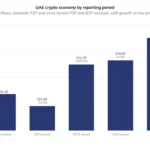
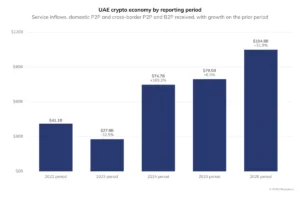
- Global Expansion and Licensing (2016-Present): Kraken has systematically pursued licenses and registrations in various jurisdictions worldwide. For instance, the company has secured full Virtual Asset Service Provider (VASP) approval from Dubai’s Virtual Assets Regulatory Authority (VARA), allowing it to offer a comprehensive suite of regulated virtual asset services in the UAE. This demonstrated commitment to navigating diverse regulatory landscapes underpins its current U.S. derivatives strategy.
- Bitnomial Acquisition/Partnership (Timeline Inferred): While the exact timeline of Payward’s relationship with Bitnomial isn’t explicitly stated in the provided text, the integration of a CFTC-regulated DCM and DCO like Bitnomial is a strategic necessity for offering regulated derivatives in the U.S. Bitnomial itself, launched in 2019, has been a pioneer in offering physically settled bitcoin futures and options, operating under the direct oversight of the CFTC.
- *Hyperliquid Partnership and HIP-3 Development (Leading to 2026 Announcement):* The collaboration with Hyperliquid for the HIP-3 features points to a more recent, targeted effort to leverage DeFi infrastructure while adhering to traditional finance regulatory standards. The announcement date of October 26, 2026, suggests a forward-looking plan that anticipates significant development and regulatory dialogue.
This latest initiative represents a significant step for Kraken, aiming to tap into the lucrative U.S. derivatives market while maintaining its reputation for regulatory adherence. The company’s consistent efforts to secure licenses and build compliant frameworks worldwide demonstrate a clear strategic imperative to operate within, rather than outside, established financial regulatory systems.
The CFTC’s Role and the Landscape of US Crypto Derivatives
The Commodity Futures Trading Commission (CFTC) plays a pivotal role in regulating derivatives markets in the United States, including futures, options, and swaps. The agency’s mandate is to foster open, transparent, competitive, and financially sound markets, and to protect market users and the public from fraud and manipulation. For cryptocurrency derivatives, the CFTC has generally asserted jurisdiction over assets it deems "commodities," which includes Bitcoin and Ethereum.
Offering perpetual futures to U.S. clients requires compliance with a complex web of regulations, including those governing DCMs (exchanges where futures contracts are traded), DCOs (clearinghouses that guarantee trades), and FCMs (firms that hold customer funds and facilitate trades). The involvement of Bitnomial as a DCM/DCO and NinjaTrader Clearing as an FCM directly addresses these requirements.
The CFTC’s stance on crypto derivatives has evolved, moving from an initial cautious approach to a more proactive one, seeking to bring these markets under its regulatory purview. This has led to enforcement actions against unregistered entities and increased scrutiny of platforms offering derivatives to U.S. persons without proper authorization. Payward’s decision to pursue a fully regulated path, involving multiple CFTC-registered entities, is a direct response to this regulatory environment and sets a precedent for how other decentralized or hybrid platforms might approach U.S. market entry.
Implications for the Market and Industry
The potential success of Payward’s initiative carries significant implications for various stakeholders:
- For U.S. Investors: It would open up a regulated avenue for accessing perpetual futures, a product that has been largely inaccessible or available only through offshore, unregulated platforms. This could offer greater protection, transparency, and potentially lower risks for retail and institutional investors.
- For Kraken/Payward: This move would solidify Kraken’s position as a leading, compliance-focused player in the U.S. crypto market. By pioneering a regulated DeFi derivatives model, it could gain a significant first-mover advantage and attract a new segment of institutional clients who demand regulatory certainty.
- For Hyperliquid: The partnership with a major, regulated entity like Payward would be a massive validation of Hyperliquid’s technology and its potential to serve as robust infrastructure for traditional finance applications. It could attract more institutional-grade deployers and significantly increase its market share and liquidity. Hyperliquid’s claim of being a "neutral infrastructure layer" would be proven by its ability to host both permissionless and permissioned, regulated markets.
- For the Broader DeFi Ecosystem: This could signal a new era of "Regulated DeFi" or "Hybrid Finance (HyFi)," where the efficiency and innovation of decentralized protocols are combined with the trust and oversight of traditional financial regulation. It could inspire other DeFi protocols to develop similar features and seek partnerships with regulated entities, thereby accelerating the institutional adoption of decentralized technologies.
- For Regulatory Bodies: The CFTC, in approving such a model, would demonstrate its adaptability and willingness to engage with novel technologies, potentially setting a benchmark for future regulatory frameworks for decentralized financial products. It would also underscore the agency’s commitment to ensuring market integrity and investor protection in emerging asset classes.
Challenges and Outlook
Despite the significant potential, Payward’s plan faces several challenges. The primary hurdle is securing regulatory approval, a process known for its rigor and potential for lengthy delays. Regulators will meticulously scrutinize every aspect of the proposal, including the technological integration, risk management frameworks, custody solutions, and the clear segregation of duties among the involved entities. The novelty of combining a decentralized infrastructure with a traditional regulatory overlay means that regulators may require extensive education and assurance regarding the robustness and security of the system.
Furthermore, technical implementation on Hyperliquid’s side, particularly the allowlist feature, must prove its resilience and effectiveness under real-world conditions. Any technical vulnerabilities could pose significant risks and delay regulatory approval. The market’s reception to a "permissioned DeFi" model will also be critical. While institutional players may welcome the regulatory clarity, some within the purist DeFi community might view it as a deviation from the core ethos of decentralization and permissionless access.
Looking ahead, if Payward’s initiative receives regulatory clearance, it could mark a watershed moment for the U.S. crypto industry. It would validate the hypothesis that decentralized technology can serve as a powerful and efficient backbone for regulated financial products, paving the way for broader institutional participation and innovation. The success of this model could unlock trillions in capital currently hesitant to enter the crypto derivatives market due to regulatory uncertainty, fundamentally reshaping how digital assets are traded and cleared in one of the world’s largest financial markets. The eyes of the global financial industry will undoubtedly be on Payward, Hyperliquid, and the CFTC as this groundbreaking proposal navigates the path from intention to implementation.