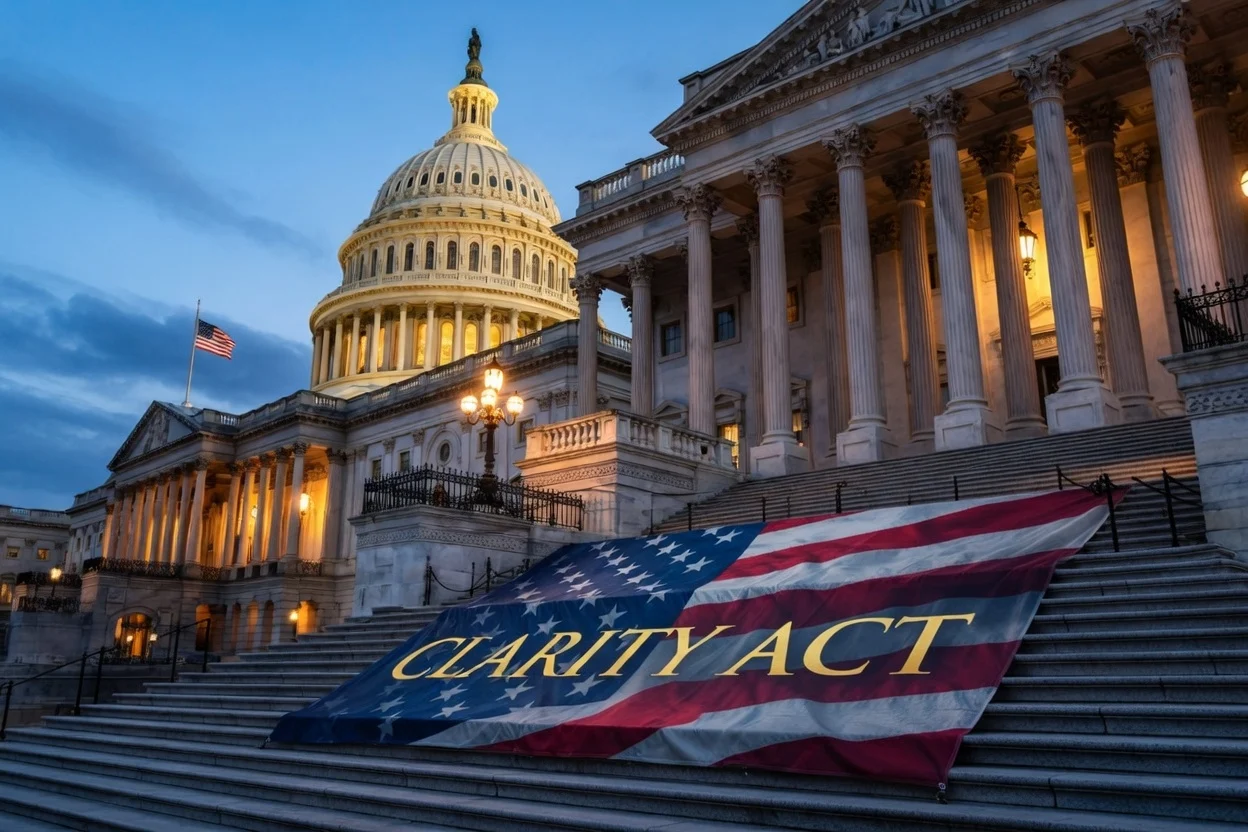
House Democrats are reportedly engaged in preliminary discussions regarding a comprehensive crypto market structure bill, an initiative that could significantly recalibrate the balance of power among federal regulators overseeing the burgeoning digital asset space. These talks, initially brought to light by journalist Eleanor Terrett on November 4, citing three independent industry sources with direct contact to Democratic congressional staffers, signal a renewed legislative push in the wake of recent elections and persistent calls for clearer regulatory frameworks in the cryptocurrency sector. The proposed legislation aims to build upon and substantially expand the principles outlined in Representative Maxine Waters’ previous "Crypto Investor and Consumer Bill of Rights," which was initially conceived as an amendment to the 2025 CLARITY Act. Central to these evolving discussions are provisions for stronger oversight by the Securities and Exchange Commission (SEC) and the implementation of stringent ethics restrictions specifically targeting President Donald Trump and other high-ranking federal officials concerning their involvement with crypto assets. While these conversations are described as preliminary and intended for the legislative agenda of the "next Congress" following the November 3 elections, details regarding draft legislative language or a confirmed introduction date remain unannounced.
The Evolving Landscape of Digital Asset Regulation
The discussions surrounding a new crypto market structure bill emerge against a backdrop of increasing scrutiny and a fragmented regulatory environment for digital assets in the United States. For years, the lack of a unified federal approach has created uncertainty for both innovators and investors, leading to jurisdictional disputes between regulatory bodies like the SEC and the Commodity Futures Trading Commission (CFTC). The SEC, primarily responsible for securities, and the CFTC, overseeing commodities and derivatives, have often found themselves at odds over which agency has primary jurisdiction over various crypto assets, particularly those that exhibit characteristics of both securities and commodities. This regulatory ambiguity has been cited by industry stakeholders as a significant impediment to innovation and market maturation within the U.S.
The proposed market structure bill represents a significant Democratic effort to address these challenges proactively. It is anticipated to integrate previously proposed House Democratic initiatives with elements that had been negotiated across party lines in the Senate. These earlier Senate discussions, though ultimately unsuccessful in advancing the CLARITY Act, underscore a bipartisan recognition of the need for comprehensive digital asset legislation. The failure of the CLARITY Act to proceed to a full vote in September highlighted the deep divisions within Congress on how best to regulate cryptocurrencies, setting the stage for the current Democratic-led initiative.
Tracing the Legislative Precedents: Waters’ Key Proposals
The foundation of the current market structure discussions lies heavily in Representative Maxine Waters’ prior legislative endeavors. As a prominent voice on the House Financial Services Committee, Waters has consistently advocated for robust consumer and investor protections in the digital asset space. Her "Crypto Investor and Consumer Bill of Rights," originally proposed as an amendment to the CLARITY Act in 2025, sought to establish a comprehensive framework for safeguarding users.
Key provisions of this earlier amendment included:
- Customer Protection for Withdrawals: Ensuring that investors have unimpeded access to their funds, with a proposed guarantee of withdrawals within 24 hours. This measure directly addresses concerns raised by past exchange insolvencies where customers faced significant delays or complete loss of access to their assets.
- Asset Custody Standards: Mandating stringent custody arrangements designed to protect client assets, particularly during scenarios of exchange bankruptcy or insolvency. The goal was to segregate customer funds from operational capital, preventing them from being treated as part of the exchange’s general estate in legal proceedings.
- Exchange Conduct Rules: Establishing clear guidelines for the ethical operation of cryptocurrency exchanges, including prohibitions against trading ahead of customer orders (front-running), a practice deemed illegal in traditional financial markets.
- Continuous Customer Support: Requiring platforms to offer reliable and accessible customer service, acknowledging the often-complex nature of digital asset transactions and the need for timely assistance.
- Investor Protection Resembling Securities: Proposing insurance or coverage mechanisms akin to those provided by the Securities Investor Protection Corporation (SIPC) for traditional securities, aiming to mitigate losses for investors in the event of platform failures.
- Monthly Reserve Attestations: Requiring exchanges to undergo regular, independent audits to attest to the solvency and backing of customer assets, thereby enhancing transparency and trust.
- Funding for Regulators: Allocating necessary resources and funding to both the SEC and the CFTC to bolster their capacity for oversight, enforcement, and market surveillance in the digital asset sector.
Despite the comprehensive nature of these proposals, House records indicate that a motion to allow consideration of Waters’ 2025 amendment to the CLARITY Act was procedurally defeated by a vote of eight to four, preventing its substantive review. This procedural setback underscored the challenges of advancing specific crypto regulations within a divided Congress. For any new crypto market structure bill to succeed, it would require a fresh introduction in the "next Congress," as unfinished legislation does not carry over between congressional sessions. While sponsors can reintroduce and reuse previously negotiated provisions, the entire legislative process—committee hearings, markups, floor votes—must be restarted.
A Deeper Look at Ethics Restrictions for Federal Officials
Beyond market structure and investor protections, the current discussions are also reviving proposals for ethics restrictions on federal officials’ involvement in the crypto industry. Representative Waters previously championed the "Stop TRUMP in Crypto Act," introduced in May 2025 alongside other committee Democrats. This earlier measure was specifically designed to prevent high-ranking federal officials, including the President, Vice President, members of Congress, and their immediate families, from engaging in crypto business roles, promotional activities, or trading based on material nonpublic information. The intent was to mitigate potential conflicts of interest and prevent the leveraging of official positions for personal financial gain in the volatile digital asset market.
Eleanor Terrett’s report indicated that the new market structure bill is likely to include "further restrictions on federal officials," though the specific scope of these proposed limitations remains unspecified. This suggests a broader application potentially beyond the original "Stop TRUMP in Crypto Act" or a more detailed articulation of prohibited activities. The eventual language of the crypto market structure bill will determine which businesses, assets, and individuals would be subject to these new requirements, and whether the earlier safeguards concerning political figures’ crypto dealings are fully adopted or modified.
The Shifting Regulatory Landscape and the SEC-CFTC Divide
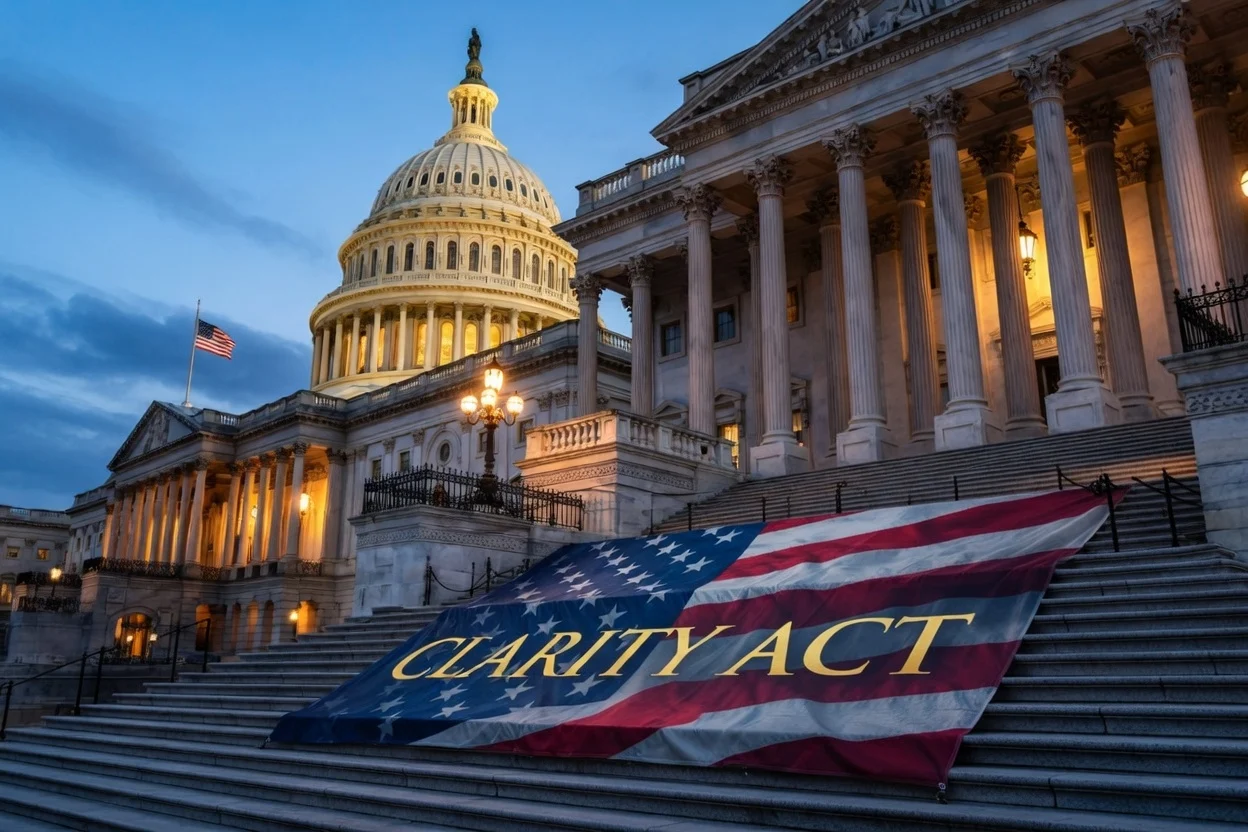
A critical aspect of the proposed crypto market structure bill is its potential to significantly expand the SEC’s supervisory role while potentially limiting the CFTC’s jurisdiction over certain digital assets. This reallocation of power would represent a substantial shift in the ongoing debate over which agency is best suited to regulate the diverse and evolving crypto ecosystem. Republicans, according to Terrett, have characterized this effort as a "messaging bill," suggesting they view it more as a political statement than a serious attempt at bipartisan legislative compromise. This perspective highlights the ideological divide that has complicated previous attempts at comprehensive crypto regulation.
The recent legislative history reinforces this challenge. The Senate’s failure to advance the CLARITY Act on September 15, with a roll call vote of 49 supporting cloture and 50 opposing it, fell short of the required three-fifths threshold needed to open consideration of the legislation. This vote, while not a final verdict on the bill’s merits, effectively blocked further progress, underscoring the deep partisan and jurisdictional disagreements within Congress regarding crypto regulation.
A New Congressional Majority and its Implications
The political landscape for digital asset regulation dramatically shifted following the November 3 elections, which saw Democrats gain control of both congressional chambers, as reported by Reuters. This newfound majority status grants Democrats considerably greater influence over the legislative agenda, including the ability to prioritize hearings, control committee assignments, and schedule floor votes. Such procedural advantages are crucial for advancing complex legislation like a crypto market structure bill, which often faces intense lobbying and political opposition.
However, even with unified congressional control, passing a comprehensive crypto market structure bill would still necessitate agreement between the House and Senate and, crucially, action by the President. If President Donald Trump remains in office, he retains the authority to veto legislation, creating a significant hurdle for any proposals that target officials’ financial activities, especially those specifically referencing him. This dynamic sets up a potential legislative standoff, where the Democratic-led Congress might pass a bill that then faces presidential opposition, particularly on the ethics provisions.
Concurrent Regulatory Developments: SEC’s Evolving Guidance
In parallel with legislative efforts, federal agencies continue to refine their approach to digital asset oversight. Separately, SEC staff issued revised crypto guidance on November 2, just days before news of the new market structure bill discussions broke. This updated guidance aimed to clarify the agency’s perspective on network governance and circumstances indicating central control within blockchain systems. Specifically, it sought to distinguish between a "functioning blockchain system" and one that meets the SEC’s relevant decentralization criteria, a distinction critical for determining whether a digital asset falls under securities laws.
The agency explicitly stated that these answers reflect "staff views" and carry "no legal force." Furthermore, the Commission neither approved nor disapproved them, and the guidance "creates no additional obligations." This caveat is significant, as it indicates that while the staff guidance provides insight into the SEC’s thinking, it does not constitute formal rulemaking or binding legal precedent. Nevertheless, it signals the SEC’s ongoing efforts to interpret existing securities laws in the context of rapidly evolving blockchain technology, particularly concerning projects that may transition from a centralized development phase to a more decentralized operational model.
Broader Impact and Implications
The potential introduction and passage of an expansive crypto market structure bill would have profound implications across several dimensions:
- Regulatory Clarity vs. Overreach: Proponents argue that a unified legislative framework, especially one granting clearer authority to the SEC, would provide much-needed regulatory clarity, foster institutional adoption, and protect retail investors. However, critics, particularly those in the industry and some Republicans, express concerns that an expanded SEC role could lead to over-regulation, stifle innovation, and drive crypto businesses out of the U.S.
- Investor Protection: The emphasis on customer protections, such as guaranteed withdrawals, robust custody rules, and insurance mechanisms, could significantly enhance investor confidence and reduce the risks associated with investing in digital assets. This could prevent a recurrence of losses seen in past exchange collapses.
- Market Dynamics: Stricter rules could lead to increased compliance costs for exchanges and crypto projects, potentially consolidating the market around larger, more established players. It might also influence which types of crypto assets thrive in the U.S., potentially favoring those that clearly fall outside the definition of a security or can meet stringent registration requirements.
- Political Battleground: The "messaging bill" label from Republicans suggests that this legislation could become a flashpoint in broader political debates, particularly if it targets specific officials or if the SEC’s expanded role is perceived as an overreach. The interplay between a Democratic-controlled Congress and a potentially opposing White House will be crucial in determining the bill’s ultimate fate.
- Global Competitiveness: The U.S. has been criticized for lagging behind other jurisdictions in establishing a clear regulatory framework for crypto. A comprehensive bill could position the U.S. as a leader in responsible innovation, but an overly restrictive approach could push talent and capital elsewhere.
The ongoing discussions among House Democrats regarding this expansive crypto market structure bill mark a critical juncture for the future of digital asset regulation in the United States. With a new congressional majority and persistent calls for clearer rules, the coming legislative session promises to be pivotal in shaping how cryptocurrencies are governed, protected, and integrated into the broader financial system. The outcome will not only impact market participants and investors but also set a precedent for the intersection of technology, finance, and government oversight in the 21st century.