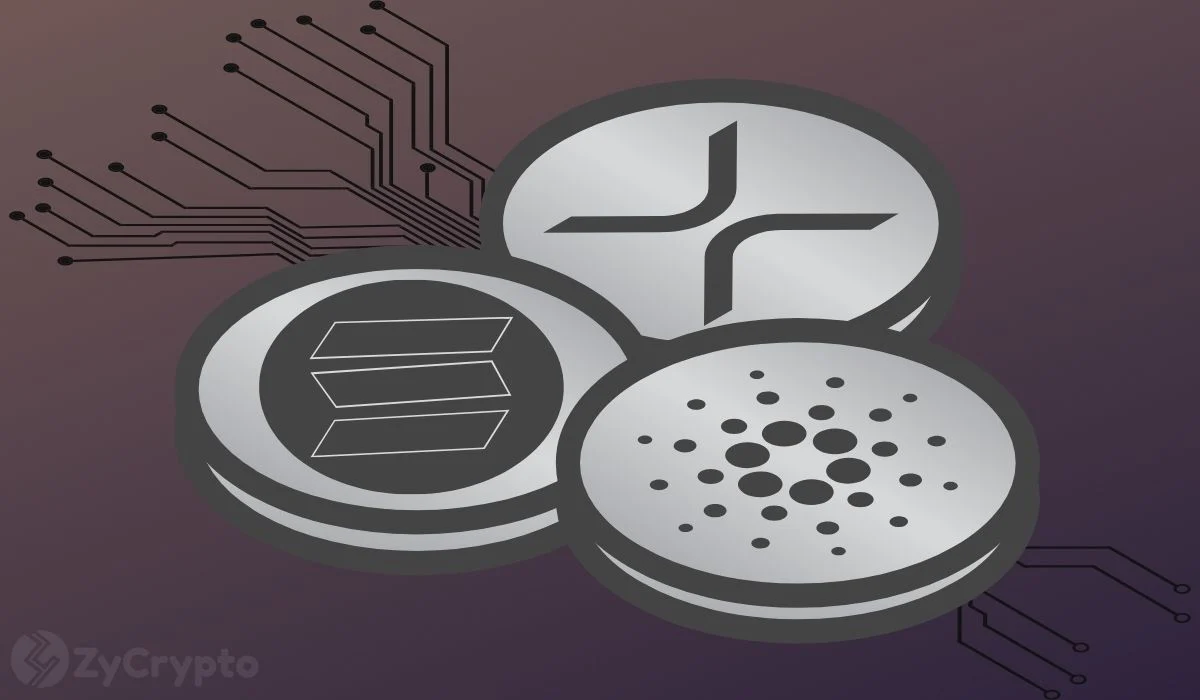
As the Securities and Exchange Commission (SEC) prepares for a potential influx of applications for ETFs tied to assets such as XRP, Solana (SOL), Cardano (ADA), and even meme-based tokens like Shiba Inu (SHIB), the criteria for institutional adoption are becoming increasingly stringent. The prevailing sentiment among Wall Street analysts suggests that firms like BlackRock are not interested in absorbing the "bags" of retail speculators. Instead, these institutions are prioritizing assets that demonstrate clear utility, regulatory resilience, and the potential to serve as the infrastructure for the next generation of global finance.
The Institutional Pivot: From Speculation to Tokenization
The hope for a broad-based altcoin recovery led by institutional capital has met with significant skepticism from market experts. Analysts emphasize that traditional finance (TradFi) firms view a vast majority of the altcoin market not as viable long-term assets, but as sophisticated fundraising vehicles that lack a tangible link between the project’s underlying success and the token’s value. This "fundamental misunderstanding," as some call it, has led to a divergence in market performance where Bitcoin and Ethereum maintain institutional favor while the rest of the market struggles to find a floor.
Weiss Crypto, a leading ratings agency in the space, projects that the future of the crypto-Wall Street integration will not be defined by the mass accumulation of existing utility tokens. Instead, the focus is shifting toward the tokenization of Real-World Assets (RWAs). In this model, high-performance Layer-1 blockchains such as Solana and Ethereum are viewed as the "new stock exchanges." The vision is one where traditional equities, bonds, and real estate are issued directly on-chain, allowing investors to hold direct ownership through blockchain technology rather than trading speculative tokens that may or may not represent a stake in a network’s growth.
Technical Stagnation and the "Altcoin Winter"
The data reflecting the current state of the altcoin market is stark. Recent market analysis reveals that approximately 84% of altcoins listed on Binance, the world’s largest cryptocurrency exchange by volume, are currently trading below their 200-day moving average. This specific technical indicator is often used by institutional traders to determine the long-term trend of an asset. When a vast majority of the market remains below this threshold for an extended period—now entering its eighth consecutive month—it signals a deep-seated bearishness that is difficult to reverse without a major fundamental catalyst.
This current streak of underperformance is the second-longest of its kind since the 2020 market cycle. It is surpassed only by the ten-month bearish period experienced during the height of the previous crypto winter. The persistence of this trend suggests that liquidity is being sucked out of the "tail" of the market and concentrated into "flight-to-quality" assets.
Furthermore, the CoinMarketCap Altcoin Season Index currently sits at 48 out of 100. A score below 75 indicates that the market remains firmly in "Bitcoin Season," where the primary cryptocurrency outperforms the top 50 altcoins. The Total 3 Index, which tracks the total market capitalization of all cryptocurrencies excluding Bitcoin and Ethereum, continues to slide, highlighting the lack of new capital entering the broader altcoin ecosystem.
The SEC’s Table: The Next Wave of ETF Filings
Despite the technical malaise, the regulatory front is more active than ever. Following the landmark approvals of spot Bitcoin ETFs in January 2024 and the subsequent progress on Ethereum ETFs, the industry is looking toward the next candidates.
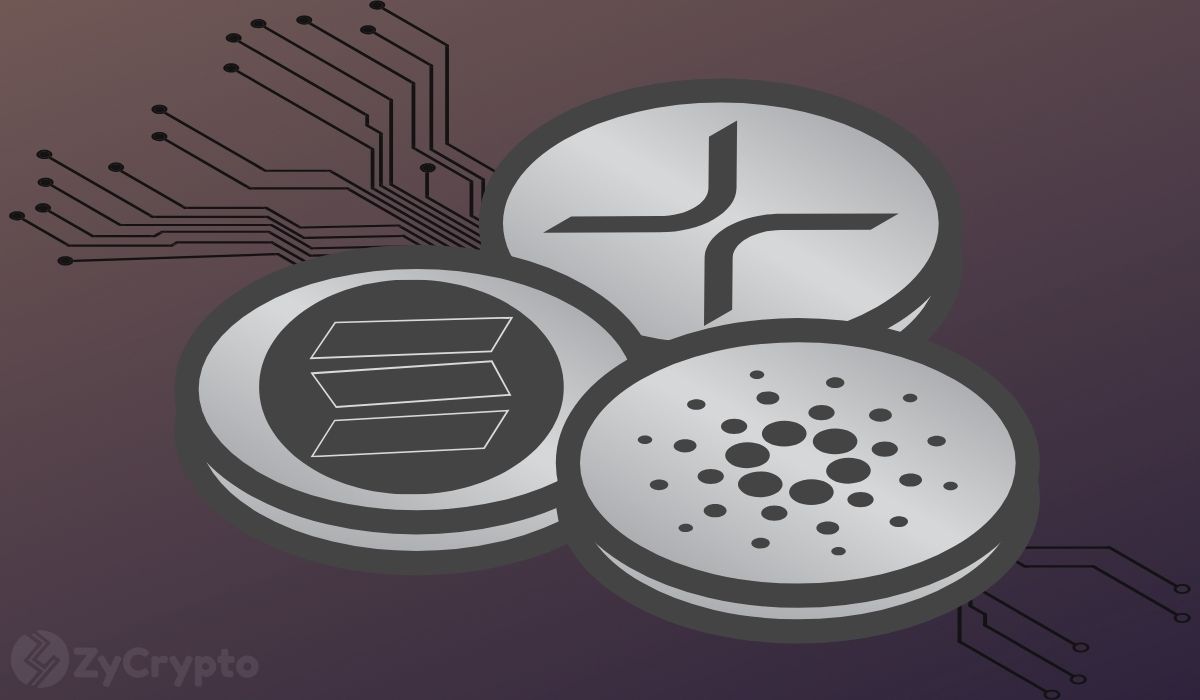
- Solana (SOL): Solana has emerged as a frontrunner for the next spot ETF in the United States. Investment firms like VanEck and 21Shares have already submitted filings to the SEC for a Solana-based product. Proponents argue that Solana’s high throughput and growing adoption by payment giants like PayPal and Visa make it a prime candidate for institutional inclusion.
- XRP: Ripple’s XRP remains a focal point of discussion following the partial legal victory against the SEC, which established that the token itself is not necessarily a security when sold on public exchanges. This legal clarity is a prerequisite for any ETF application, and rumors suggest that several large asset managers are currently drafting XRP ETF prospectuses.
- Cardano (ADA) and Shiba Inu (SHIB): While more speculative, the inclusion of Cardano and Shiba Inu in ETF discussions reflects the growing demand for diversified crypto exposure. However, analysts warn that these assets face a much steeper uphill battle regarding liquidity requirements and the SEC’s concerns over market manipulation.
Market Performance and Support Levels
The pressure on top-tier assets has been palpable in recent trading sessions. Ethereum, the second-largest cryptocurrency, recently dipped 2.54% to a localized low of $1,579.21. This decline has been attributed to a combination of "hawkish" signals from central banks—suggesting interest rates may stay higher for longer—and a strong negative correlation with the S&P 500. When traditional equities face volatility, the "risk-off" sentiment often hits the crypto market twice as hard.
Binance Coin (BNB) has also seen a decline of 2.57%, following a technical breakdown below critical support levels. Meanwhile, XRP traders are focused on defending the $1.00 psychological mark. As of the latest data, XRP was down 2.36%, hovering just above this critical threshold. The inability of these major assets to maintain upward momentum, even in the face of positive ecosystem news, underscores the exhaustion prevalent among current market participants.
Chronology of Institutional Integration
To understand the current state of the market, one must look at the timeline of institutional milestones over the past year:
- January 2024: The SEC approves 11 spot Bitcoin ETFs, marking the official entry of Wall Street into the crypto spot market.
- March 2024: BlackRock launches its first tokenized fund, BUIDL, on the Ethereum network, signaling a shift toward RWA tokenization.
- May 2024: The SEC makes a surprise pivot, approving 19b-4 filings for spot Ethereum ETFs, effectively categorizing ETH as a non-security commodity in the eyes of many market observers.
- June 2024: VanEck files the first-ever spot Solana ETF application in the U.S., followed shortly by 21Shares.
- Present: The market enters a period of "ETF fatigue," where the anticipation of new products is offset by macroeconomic pressures and a lack of retail liquidity.
Broader Implications for the Crypto Ecosystem
The shift toward institutional-grade blockchains like Solana and Ethereum for real-world utility suggests that the "wild west" era of altcoin speculation may be drawing to a close. If Wall Street chooses to bypass traditional exchanges in favor of direct blockchain issuance, the value of the underlying network (the "rails") will likely become far more important than the value of individual utility tokens launched on top of those networks.
For retail investors, this transition presents a challenging landscape. The historical "altseason," where nearly every token in the top 100 sees massive gains, may be replaced by a "bifurcated market." In this new reality, only a handful of assets with institutional backing and clear regulatory status will thrive, while the majority of the market remains stagnant.
The path forward for XRP, Cardano, and Shiba Inu ETFs remains blocked by the SEC’s insistence on robust surveillance-sharing agreements and evidence of deep, manipulation-resistant liquidity. While the "table is set" for these applications to be reviewed, the actual approval process could take years, depending on the political climate and the outcome of ongoing legal battles between the crypto industry and federal regulators.
Conclusion: A Test of Conviction
The altcoin market currently teeters at major support levels, testing the resilience of even the most seasoned investors. Without a meaningful catalyst—such as a surprise SEC approval, a significant pivot in Federal Reserve policy, or a breakthrough in blockchain-based RWA adoption—this prolonged period of stagnation is expected to continue.
As Wall Street makes further headway into the digital asset space, the distinction between "crypto as a speculative asset" and "blockchain as financial infrastructure" will only grow sharper. For now, the market remains in a state of suspended animation, waiting to see if the next wave of ETFs will provide the liquidity needed to spark a new cycle or if the institutional giants will continue to move forward while leaving the speculative altcoin market behind.