


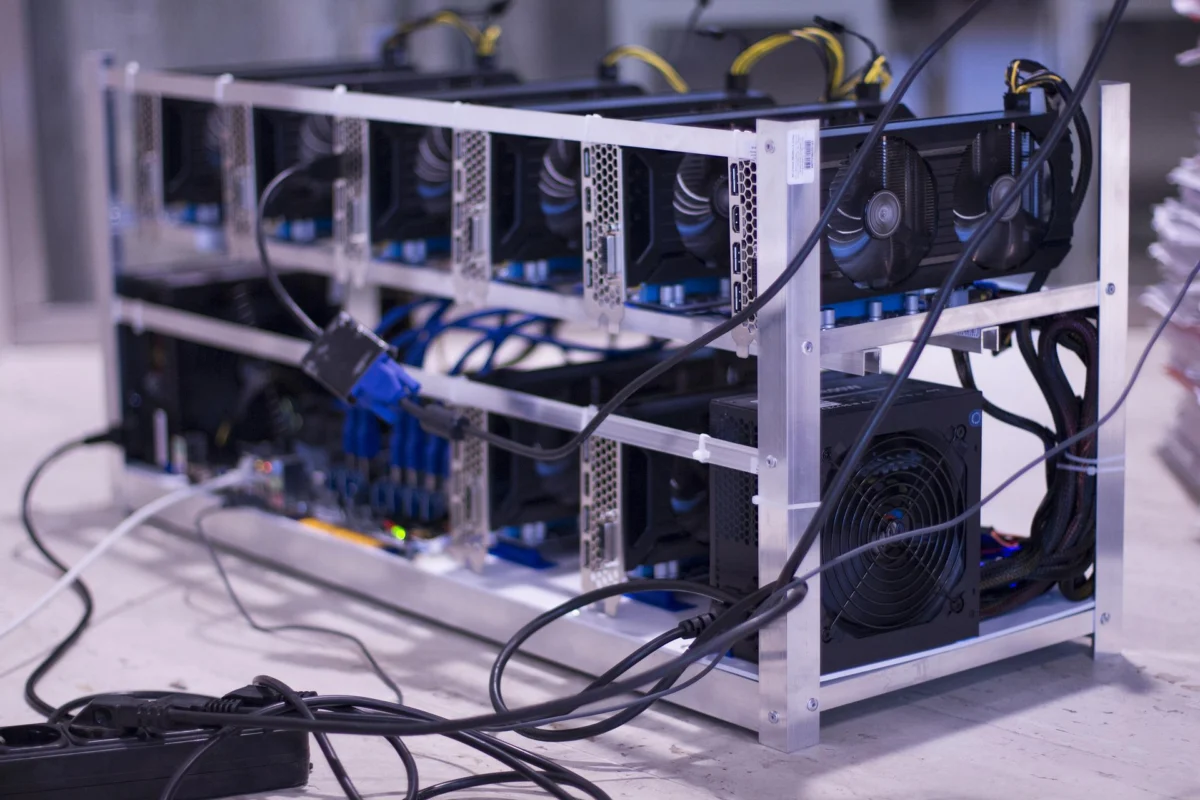
Iranian law enforcement and energy regulatory bodies have significantly escalated their campaign against unauthorized cryptocurrency mining operations, seizing thousands of devices in a bid to stabilize a national power grid strained by record-breaking demand and aging infrastructure. According to recent disclosures from state officials, the Iranian police have detected and dismantled 9,404 illegal mining farms across the capital city of Tehran over the previous five months. This aggressive enforcement comes as the Islamic Republic grapples with a deepening energy deficit that has triggered widespread blackouts, stifled industrial production, and sparked domestic unrest.
Kambiz Nazerian, the head of the Tehran Electricity Distribution Company, confirmed the scale of the operations in a formal statement, noting that the identified devices were discovered tucked away in various districts of the capital. These "energy-guzzling" machines, primarily Application-Specific Integrated Circuit (ASIC) miners, were operating without the required industrial licenses, placing an immense and unaccounted-for burden on the local electrical transformation and distribution networks. This recent wave of seizures follows a massive raid in June, during which approximately 7,000 illegal mining machines were confiscated in a single coordinated effort.
The crackdown highlights a complex intersection of economic necessity, resource mismanagement, and the unintended consequences of state-subsidized utilities. For years, Iran has been a magnet for both domestic and international cryptocurrency miners due to its vast reserves of natural gas and heavily subsidized electricity rates. However, what was once viewed as a potential avenue for bypassing international sanctions and generating hard currency has increasingly become a liability for the nation’s residential and industrial energy security.
The Structural Incentives for Underground Mining
The proliferation of illegal mining in Iran is driven by a unique set of economic conditions. The Iranian government provides some of the cheapest electricity in the world, a policy designed to support low-income households and domestic manufacturing. However, this price disparity has created a lucrative arbitrage opportunity for crypto miners. By utilizing subsidized power, miners can produce Bitcoin and other digital assets at a fraction of the global average cost, maximizing profit margins even during market downturns.
A particularly contentious aspect of this phenomenon is the utilization of public and religious institutions as fronts for mining operations. Reports from Iranian media outlets, including Iran International, indicate that a significant number of unregistered miners have established operations within mosques, schools, and other public buildings. These locations often benefit from free or highly subsidized electricity, allowing miners to operate with virtually zero overhead costs regarding energy consumption. This practice has not only drained the treasury but has also created a public relations crisis for authorities, as religious and educational centers are seen as being exploited for private gain at the expense of the community’s light and heat.
Furthermore, the involvement of international actors has complicated the regulatory landscape. While many miners are local tech enthusiasts or small-scale entrepreneurs seeking to hedge against the rapid devaluation of the Iranian Rial, larger, more organized networks have also emerged. Intelligence reports suggest that influential domestic networks, alongside several Chinese mining consortiums, have historically dominated the large-scale mining sector in Iran, often operating under the radar or through shell companies to exploit the country’s cheap fossil fuels.
A Chronology of Regulatory Volatility
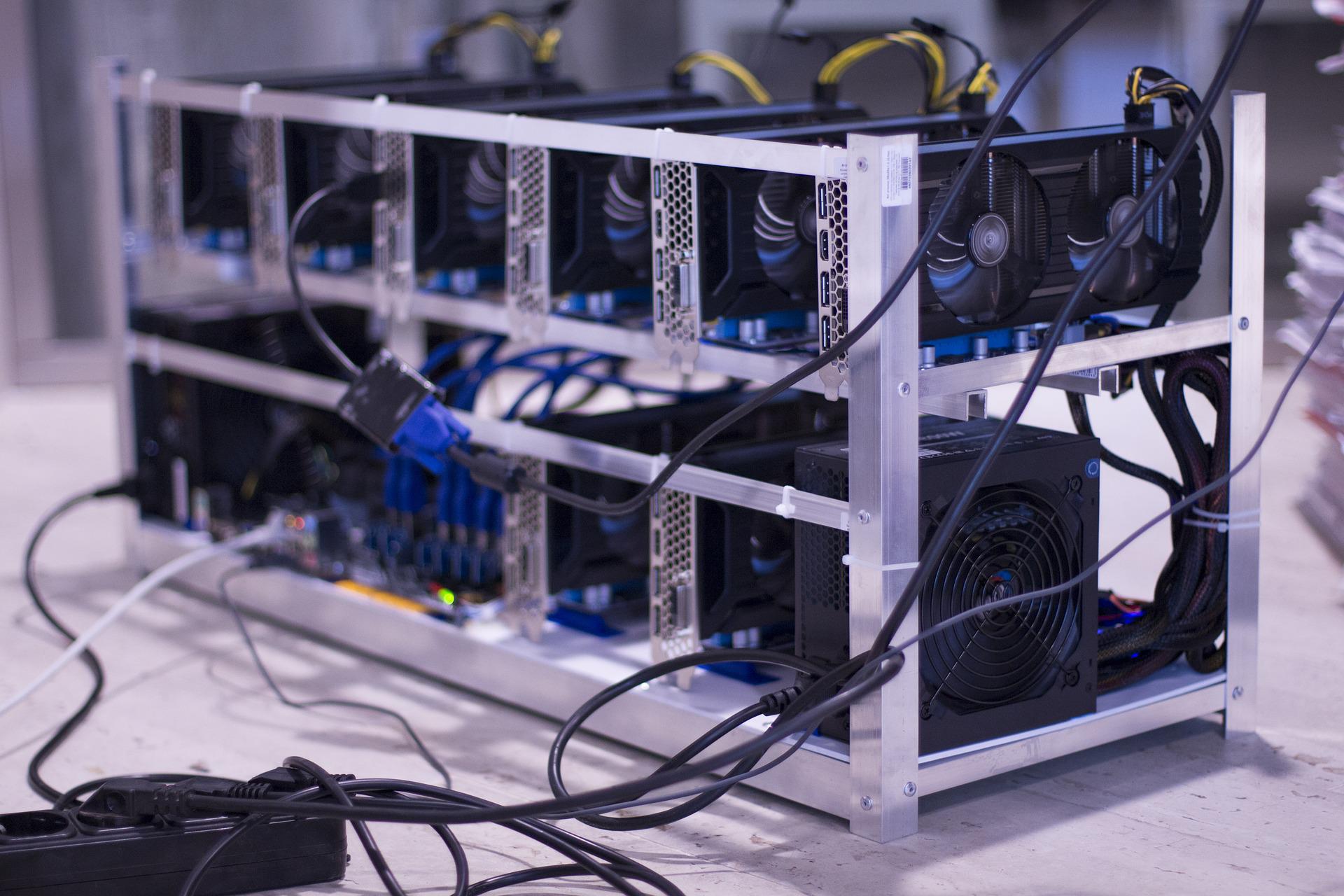
Iran’s relationship with the cryptocurrency industry has been characterized by a cycle of tentative acceptance followed by draconian restriction. In 2019, the Iranian cabinet officially recognized cryptocurrency mining as an industrial activity, establishing a framework for companies to apply for licenses from the Ministry of Industry, Mine, and Trade. These licensed miners were required to pay a higher, export-level tariff for electricity and were prohibited from mining during peak demand periods.
However, the surge in global Bitcoin prices in 2020 and early 2021 led to an explosion of "basement" mining operations that bypassed the licensing system. By March 2021, data from the Cambridge Bitcoin Electricity Consumption Index (CBECI) estimated that Iran accounted for approximately 7.5% of the global Bitcoin hashrate. This surge in activity coincided with a period of intense drought, which severely reduced the output of the country’s hydroelectric power plants.
The resulting energy shortfall led to a series of high-profile policy shifts:
- May 2021: Former President Hassan Rouhani announced a total ban on all cryptocurrency mining—including licensed operations—until September to preserve power for the summer heatwaves.
- Late 2021: As winter approached and natural gas demand for heating spiked, authorities again imposed restrictions on mining farms to prevent gas shortages.
- Early 2022: State-run energy provider Tavanir reported the seizure of 45,000 ASIC machines that had been operating illegally using subsidized power.
- Mid-2022: Authorities intensified the hunt for illegal miners, offering "bounties" to citizens who reported unauthorized mining activities in their neighborhoods. This led to the shutdown of 1,620 operations in a single month, which were estimated to have consumed 250 megawatts of power over an 18-month period.
The Energy Grid Under Siege
The fundamental issue facing Iranian authorities is the widening gap between power generation capacity and national consumption. Iran’s power grid is heavily dependent on natural gas, which fuels over 80% of its electricity generation. While the country sits on the world’s second-largest gas reserves, the infrastructure for extraction and distribution has suffered from underinvestment due to decades of international sanctions. Consequently, when demand spikes—either for cooling in the summer or heating in the winter—the grid nears a point of total collapse.
The Ministry of Energy has frequently used cryptocurrency miners as a convenient scapegoat for these systemic failures. While mining does indeed consume significant power, critics argue that the grid’s primary issues stem from transmission losses, inefficient power plants, and the lack of modern smart-grid technology. Nevertheless, the numbers provided by Tavanir are stark. Officials claim that illegal mining consumes several gigawatts of power annually, roughly equivalent to the output of several large gas-fired power stations.
To mitigate the impact during the current summer season, the government not only targeted illegal farms but also ordered the 118 licensed mining platforms currently operating in the country to disconnect from the grid. These licensed entities, which operate transparently and pay higher tariffs, have expressed frustration, arguing that they are being penalized for the government’s inability to control the black market and upgrade national infrastructure.
Economic Implications and the Role of Sanctions
For many Iranians, cryptocurrency mining is not merely a speculative hobby but a survival strategy. With inflation rates frequently exceeding 40% and the national currency in a state of perennial decline, digital assets like Bitcoin and Tether provide a way for citizens to preserve their purchasing power. Furthermore, for the Iranian state, cryptocurrency has served as a "grey market" tool to facilitate international trade that would otherwise be blocked by the SWIFT banking ban and US-led sanctions.

This creates a paradoxical situation for the Tehran government. On one hand, the state recognizes the utility of crypto for bypassing financial blockades; on the other, the physical infrastructure required to generate that crypto is cannibalizing the energy needed to keep the country’s hospitals, factories, and homes running. The current crackdown suggests that, for the time being, the preservation of the social contract—ensuring that the lights stay on—has taken precedence over the economic flexibility offered by digital mining.
Broader Impact and Future Outlook
The aggressive posture taken by the Tehran Electricity Distribution Company and the national police signals a long-term shift in how Iran intends to manage its digital asset sector. It is likely that the "wild west" era of Iranian mining is coming to a definitive end, replaced by a much more stringent, surveillance-heavy environment.
The implications for the global Bitcoin network are also notable. As Iran’s share of the global hashrate fluctuates due to these periodic bans and seizures, the network’s difficulty adjustments must account for the sudden disappearance of Iranian miners. This mirrors the "Great Mining Migration" seen in 2021 when China enacted a total ban on the industry, forcing miners to relocate to North America, Kazakhstan, and Russia. However, unlike Chinese miners, many Iranian miners lack the capital or the legal ability to move their rigs abroad, leading to a permanent loss of hardware and a localized economic shock.
As the September deadline for lifting the current ban approaches, the industry remains in a state of limbo. Even if licensed mining is allowed to resume, the threat of immediate disconnection during the next cold snap or heatwave looms large. For the thousands of illegal operators whose equipment now sits in police warehouses, the financial losses are catastrophic.
In conclusion, Iran’s crackdown on nearly 10,000 mining farms in Tehran is more than a simple law enforcement action; it is a desperate measure by a state caught between the promise of a digital future and the crumbling realities of its industrial past. Until Iran can modernize its energy sector and reconcile its subsidized pricing models with the high-intensity demands of the 21st-century digital economy, the cycle of raids, bans, and blackouts is likely to persist, leaving both the national grid and the local crypto industry in a state of perpetual instability.














