


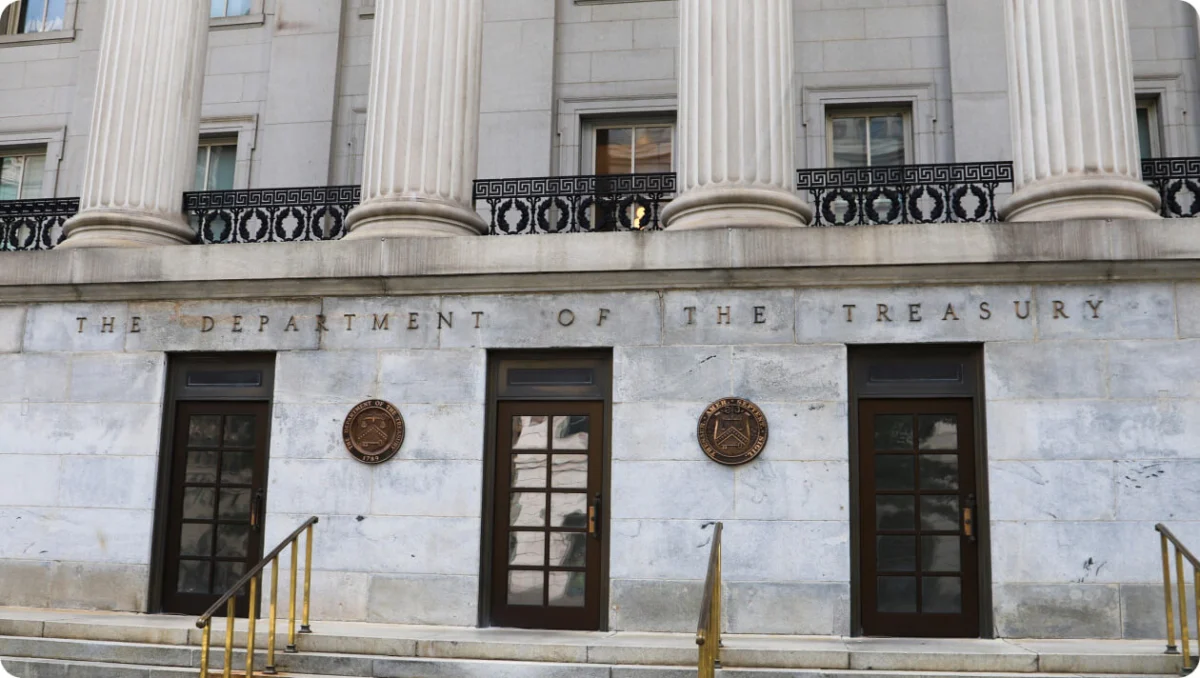
The U.S. Department of the Treasury’s Office of Foreign Assets Control (OFAC) took decisive action on May 20, 2026, by sanctioning a sophisticated money laundering network operated by the Sinaloa Cartel, specifically the faction known as "Los Chapitos." This enforcement action represents a significant milestone in the federal government’s ongoing strategy to disrupt the financial infrastructure that facilitates the illicit fentanyl trade. By targeting a specialized financial cell responsible for converting street-level cash into digital assets, U.S. authorities aim to sever the link between narcotics sales in the United States and the cartel’s ability to repatriate profits to Mexico. The network in question utilized a complex "cash-to-crypto" pipeline designed to bypass the traditional banking sector and evade detection by law enforcement and regulatory bodies.
The Evolution of Cartel Finance: From Bulk Cash to Digital Ledgers
For decades, the primary challenge for transnational criminal organizations like the Sinaloa Cartel was the physical movement of "bulk cash." Moving millions of dollars in small-denomination bills across international borders is a logistically intensive and high-risk endeavor. However, as the global financial landscape has evolved, so too have the methods of the world’s most notorious drug trafficking organizations. The emergence of cryptocurrency has provided cartels with a tool that offers speed, relative anonymity, and the ability to move vast sums of wealth without the need for physical transport.
The May 2026 sanctions highlight a pivot toward decentralized finance (DeFi) and stablecoins as the preferred medium for money laundering. Unlike Bitcoin, which is subject to high volatility, stablecoins pegged to the U.S. dollar allow cartels to maintain the value of their illicit proceeds while leveraging the efficiency of blockchain technology. This shift has necessitated a corresponding evolution in law enforcement tactics, leading to the increased use of blockchain forensics to track and interdict these digital flows.
Key Operatives in the Sinaloa Pipeline
The sanctioned network was led by Armando de Jesus Ojeda Aviles, a high-level operative who rose to prominence within the Sinaloa Cartel’s financial hierarchy. Ojeda Aviles took control of the laundering cell following the demise of his predecessor, Mario Alberto Jimenez Castro. Jimenez Castro had been sanctioned by OFAC in September 2023 for similar activities but was subsequently murdered, illustrating the violent internal churn and high stakes of the cartel’s financial management operations.
Under the leadership of Ojeda Aviles, the network functioned as a bridge between the physical and digital economies. Key figures identified in the Treasury’s designation include:
- Armando de Jesus Ojeda Aviles: The primary architect of the laundering cell. He managed the coordination between U.S.-based distributors and Mexico-based leadership, ensuring that the proceeds from fentanyl sales were efficiently converted and moved.
- Jesus Alonso Aispuro Felix: Serving as the chief money broker, Aispuro Felix was responsible for the technical execution of the laundering process. He managed the digital wallet infrastructure and directed the flow of funds through various cryptocurrency addresses.
- Alarcon Palomares: A critical link in the domestic logistics chain, Palomares operated as a courier coordinator. His role involved the physical collection of bulk cash from street-level dealers in various U.S. metropolitan areas, aggregating the funds before they were introduced into the crypto-conversion process.
The Anatomy of the Cash-to-Crypto Bridge
The laundering cycle employed by the Ojeda Aviles network was characterized by its systematic approach to layering and integration. The process typically began in the United States, where fentanyl—a synthetic opioid responsible for tens of thousands of overdose deaths annually—is sold on the streets. These sales generate massive quantities of physical U.S. currency.
Once the cash was collected by couriers like Alarcon Palomares, it was handed over to illicit money brokers. These brokers utilized a variety of methods to introduce the cash into the financial system, often using "smurfing" techniques (making small deposits to avoid reporting thresholds) or utilizing cash-intensive front businesses. Once the funds were in a bank account or held by a broker with digital access, they were used to purchase stablecoins.
According to blockchain analysis provided by firms like Chainalysis, the network then utilized decentralized exchanges (DEXs) to swap between different types of tokens. This step was intended to obfuscate the audit trail, as DEXs often require less stringent "Know Your Customer" (KYC) documentation than centralized platforms. After several layers of transfers and swaps, the funds were eventually moved to centralized exchanges, where they were "cashed out" into Mexican pesos or other fiat currencies to fund the cartel’s operations, purchase precursor chemicals from overseas, and pay for the organization’s violent enforcement wings.

Chronology of Enforcement and Cartel Resilience
The sanctions announced on May 20, 2026, are part of a multi-year effort to dismantle the Los Chapitos faction, which is led by the sons of the imprisoned kingpin Joaquin "El Chapo" Guzman.
- September 2023: OFAC sanctions Mario Alberto Jimenez Castro and his immediate associates. This action forced the cartel to reorganize its financial wing, leading to the rise of Ojeda Aviles.
- 2024-2025: U.S. intelligence and the Drug Enforcement Administration (DEA) observe a significant uptick in the use of stablecoins by Sinaloa-linked brokers. Investigation into the "Ojeda Aviles Cell" begins after several bulk cash seizures in the Midwest and Southwest U.S. are linked to specific digital wallet signatures.
- Early 2026: Federal investigators successfully map the on-chain movement of funds from U.S. street sales to Mexican exchanges. This mapping allows for the identification of the specific individuals and entities designated in the May 20th action.
- May 20, 2026: The U.S. Treasury officially designates more than a dozen individuals and several entities, freezing all U.S.-based assets and prohibiting U.S. persons from transacting with them.
Data and Impact: The Scale of the Fentanyl Crisis
The urgency of these sanctions is underscored by the devastating impact of the fentanyl crisis. Synthetic opioids are the primary driver of drug overdose deaths in the United States. According to data from the Centers for Disease Control and Prevention (CDC), synthetic opioids were involved in approximately 70% of the 100,000+ drug overdose deaths reported in recent annual cycles.
The Sinaloa Cartel remains one of the most prolific suppliers of this deadly substance. By targeting their money laundering capabilities, the U.S. government is employing a "follow the money" strategy intended to make the trade less profitable and more difficult to sustain. Financial experts suggest that even a temporary disruption in the ability to move funds can create liquidity crises for cartel factions, leading to internal strife and a reduction in the volume of narcotics they can transport.
Official Responses and Policy Implications
Following the announcement, U.S. Treasury officials emphasized that the use of emerging technologies does not grant immunity from federal oversight. "The Sinaloa Cartel’s attempt to hide behind the perceived anonymity of cryptocurrency is a failing strategy," a senior Treasury official stated. "We are deploying every tool at our disposal—including advanced blockchain analytics—to ensure that those who profit from the poisoning of our communities are held accountable."
The Department of Justice (DOJ) also signaled that these sanctions would likely be followed by criminal indictments. The strategy reflects a broader "whole-of-government" approach to combating transnational organized crime, involving the DEA, IRS-Criminal Investigation, and Homeland Security Investigations (HSI).
For the cryptocurrency industry, these designations serve as a stark reminder of the compliance risks associated with illicit finance. Cryptocurrency exchanges, both centralized and decentralized, are under increasing pressure to implement robust monitoring systems. The designation of specific wallet addresses means that any platform facilitating a transaction for these addresses could face severe penalties for violating sanctions.
Broader Implications for Global Finance and Security
The May 2026 enforcement action carries several long-term implications for the intersection of crypto-assets and global security. First, it demonstrates the increasing transparency of the blockchain. While criminals once viewed crypto as a "black box," the ability of law enforcement to trace funds from a street corner in Chicago to an exchange in Mexico City proves that the digital ledger can be a powerful tool for investigators.
Second, the focus on stablecoins suggests that future regulation will likely target these specific assets more aggressively. As the "on-ramps" and "off-ramps" for cartel cash, stablecoin issuers may face new requirements to monitor and freeze suspicious transactions in real-time.
Finally, the resilience of the Sinaloa Cartel—replacing Jimenez Castro with Ojeda Aviles almost immediately—suggests that sanctions alone are not a panacea. While they degrade the cartel’s efficiency and increase their "cost of doing business," the underlying demand for narcotics and the massive profits involved ensure that new financial cells will continue to emerge. The May 2026 action is thus viewed not as a final victory, but as a critical tactical strike in a long-term campaign to secure the U.S. financial system and protect public health from the scourge of fentanyl.














