


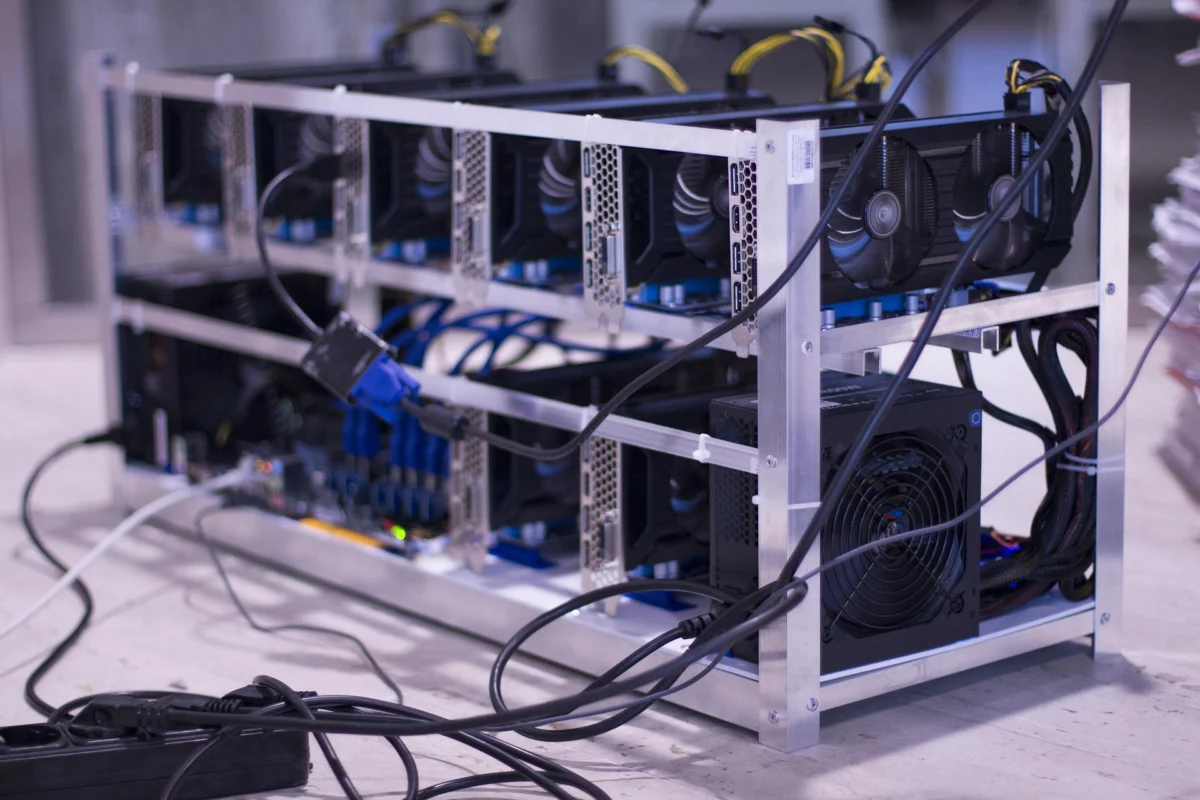
The Iranian government has significantly escalated its enforcement actions against unauthorized cryptocurrency mining operations, reporting the discovery and cessation of 9,404 illegal mining farms within the last five months alone. This aggressive surge in police activity comes as the Middle Eastern nation grapples with a persistent energy crisis that has triggered widespread power outages and strained the national grid to its breaking point. Kambiz Nazerian, the head of the Tehran Electricity Distribution Company, confirmed in a recent public statement that these energy-intensive operations were primarily located within the various districts of the capital city, Tehran. The crackdown represents a pivotal moment in Iran’s complex relationship with digital assets, highlighting the growing friction between the lucrative crypto industry and the fundamental requirement for stable public infrastructure.
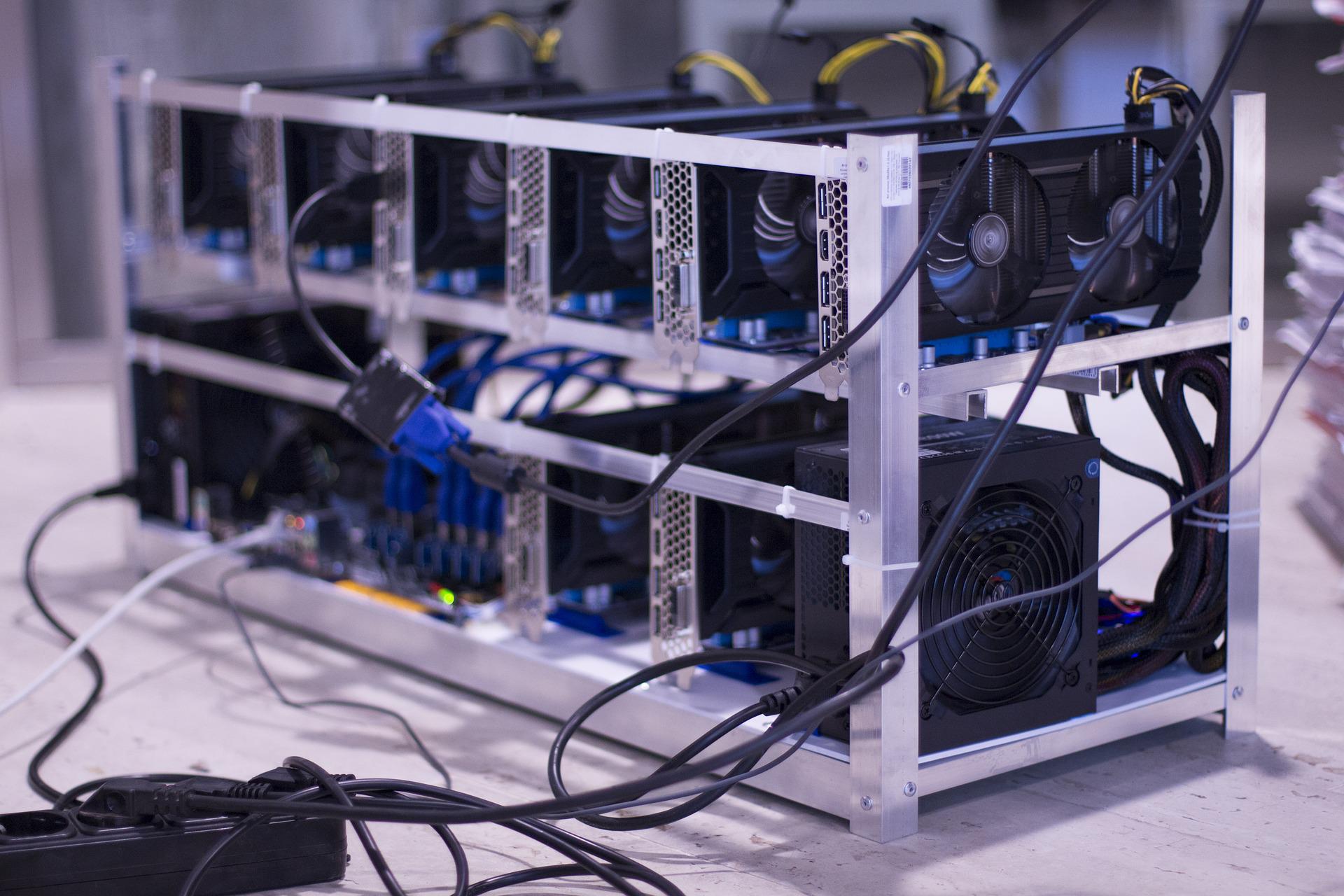
The scale of the recent seizures is unprecedented. In June alone, Iranian law enforcement officials successfully dismantled several major illegal operations, resulting in the confiscation of approximately 7,000 mining machines. These devices, often referred to as Application-Specific Integrated Circuit (ASIC) miners, are designed specifically for the high-intensity computations required to secure blockchain networks like Bitcoin. While these machines are the backbone of the global crypto economy, their collective energy consumption in Iran has reached levels that the state-run power utility, Tavanir, describes as unsustainable. The government’s recent findings suggest that the 1,620 most recently shuttered operations alone accounted for a staggering 250 megawatts of electrical power consumption over an 18-month period.
The Geographic and Social Landscape of Iranian Mining
The proliferation of mining in Iran is not a random occurrence but rather a calculated response to the country’s unique economic environment. For years, Iran has offered some of the lowest electricity prices in the world, a direct result of its vast domestic reserves of natural gas and oil. This subsidized energy was intended to support domestic industry and provide relief to citizens, but it has inadvertently created a vacuum that crypto miners have rushed to fill. The incentive for mining is further magnified by the severe economic sanctions imposed on Iran, which have devalued the national currency and restricted access to global financial markets. For many Iranians, mining Bitcoin represents a way to earn "hard" digital currency that holds value better than the Rial.
However, the pursuit of these digital rewards has led to creative and often illegal methods of energy theft. Investigative reports from Iranian media outlets, including Iran International, have highlighted a troubling trend: the installation of mining rigs in public and subsidized institutions. Unregistered miners have been found operating within mosques, schools, and rural agricultural centers. These locations often benefit from free or heavily discounted electricity provided by the government to support community and educational services. By siphoning power from these sources, illegal miners maximize their profit margins at the direct expense of the public treasury and the stability of the local grid.
Beyond individual domestic actors, the Iranian mining landscape is reportedly influenced by large-scale, organized networks. Official reports suggest that significant portions of the country’s mining capacity are controlled by influential local syndicates and international groups, particularly from China. Following the Chinese government’s comprehensive ban on cryptocurrency mining in 2021, many large-scale operations migrated to regions with cheap power, with Iran serving as a primary destination. These professional entities often operate with thousands of rigs, placing a localized burden on transformers and substations that were never designed to handle such industrial-grade loads.
A Chronology of the Iranian Energy and Crypto Conflict
To understand the current crackdown, one must look at the timeline of Iran’s energy struggles over the past several years. The tension between the state and the crypto industry has moved in cycles, often peaking during the extreme temperatures of summer and winter.
In early 2021, Iran was identified by the Cambridge Bitcoin Electricity Consumption Index (CBECI) as a major global player in the mining sector, contributing approximately 7.5% of the total global Bitcoin hashrate. This prominence, however, came at a high cost. By the summer of 2021, major cities including Tehran experienced frequent and prolonged blackouts. These outages were not merely an inconvenience; they disrupted hospitals, telecommunications, and daily life, leading to rare public protests across several provinces.
In response to the 2021 crisis, the Iranian government implemented its first nationwide ban on crypto mining. In May 2021, authorities ordered a four-month moratorium on all mining activities, including those conducted by licensed operators. This move was intended to preserve the grid during the peak cooling season when air conditioning demand skyrockets. Despite these measures, illegal mining persisted in the shadows, leading to the seizure of 45,000 ASIC machines by Tavanir early that year.
The pattern repeated in 2022. As temperatures began to rise in May, the government again took preemptive action. A renewed four-month ban was scheduled to run through September. To enforce this, authorities not only targeted illegal farms but also cut the power to 118 licensed mining platforms that had previously been operating under government oversight. The message from the Ministry of Energy was clear: during times of scarcity, the needs of the general population and essential services would take absolute precedence over the industrial production of digital assets.
The Technical and Economic Impact on the National Grid
The strain placed on Iran’s infrastructure is multifaceted. It is not just the sheer volume of electricity consumed, but the "quality" of that consumption. Crypto mining is a 24/7 activity that creates a constant "baseload" demand. Unlike residential consumption, which peaks and valleys throughout the day, mining rigs never stop. This constant draw prevents transformers from cooling down, leading to equipment failure and fires in residential neighborhoods where illegal mining is hidden.
Furthermore, Iran’s energy infrastructure is aging. While the country is oil-rich, its ability to modernize power plants and transmission lines has been hampered by international sanctions that limit access to foreign technology and investment. This creates a fragile system where even a minor surge in demand can lead to a cascading failure. The government estimates that illegal mining accounts for a significant portion of the "unaccounted-for" electricity loss in the national budget, totaling hundreds of millions of dollars in lost revenue and wasted subsidies.
The water crisis in Iran has also played a role. A significant portion of Iran’s electricity is generated through hydroelectric dams. Recent years of drought have led to lower water levels, reducing the output of these plants. With less hydroelectric power available, the grid becomes even more dependent on gas-fired plants, which are already struggling to keep up with the combined demands of mining, heavy industry, and a growing population.
Official Responses and Regulatory Challenges
The Iranian authorities have adopted a "carrot and stick" approach to the crypto problem, though the "stick" has been much more visible recently. On one hand, the government was among the first in the world to recognize mining as a legitimate industrial activity in 2019. It established a licensing framework that required miners to identify themselves, pay higher electricity tariffs (closer to export rates), and sell their mined coins to the Central Bank of Iran to help fund imports.

However, the "carrot" of legal mining has proven unattractive to many. The high cost of legal electricity and the requirement to surrender coins to the state have driven the majority of miners into the underground economy. Kambiz Nazerian’s recent reports indicate that the police are now using advanced heat-sensing technology and monitoring software to detect the specific "noise" and heat signatures of mining rigs in residential areas.
Officials from Tavanir have also called for stricter legislation. Currently, many illegal miners face only fines and the confiscation of equipment, which some view as a mere "cost of doing business" given the high potential rewards of Bitcoin. There are ongoing discussions in the Iranian Parliament to increase the penalties for energy theft to include mandatory prison sentences and significantly higher financial restitution to the state.
Broader Implications and Future Outlook
The situation in Iran is a microcosm of a global debate regarding the environmental and social costs of Proof-of-Work (PoW) mining. Similar crackdowns have been observed in other regions with subsidized or low-cost power. Kosovo, for instance, implemented a total ban on crypto mining in early 2022 following a state of emergency caused by an energy crisis. Likewise, Kazakhstan, which once held the second-largest share of the global hashrate, has introduced strict taxes and periodic power cuts to manage the influx of miners.
For the global Bitcoin network, the continued pressure in Iran contributes to the ongoing "hashrate migration." As Iran makes it increasingly difficult for miners to operate, that computing power tends to move to more stable, though often more expensive, jurisdictions like the United States or Canada. This migration increases the security of the network but also highlights the vulnerability of mining operations that rely on government-subsidized energy.
Looking forward, the Iranian government faces a difficult balancing act. On one hand, the state recognizes that cryptocurrency can be a tool for bypassing financial sanctions and generating revenue. On the other hand, the immediate threat of social unrest caused by blackouts and the depletion of the national treasury through energy subsidies is a risk the administration cannot ignore.
As the September deadline for the lifting of current restrictions approaches, the industry is waiting to see if the government will allow licensed miners to resume or if the ban will be extended. Given the current data regarding the 9,404 seized farms and the ongoing strain on the grid, it is likely that the "police on their toes" approach will remain the norm for the foreseeable future. For the miners of Tehran, the era of easy, subsidized profits appears to be coming to a close as the state prioritizes the literal lights of its citizens over the digital lights of the blockchain.














