The landscape of the global graphics processing unit (GPU) market is undergoing a seismic shift as Chinese cryptocurrency miners begin offloading vast quantities of hardware following a series of aggressive regulatory interventions by Beijing. In a dramatic reversal of the supply shortages that defined the previous year, the second-hand market in China is currently being flooded with Nvidia and AMD graphics cards. Most notably, the Nvidia RTX 3060—a card that once commanded exorbitant premiums due to its popularity among both gamers and miners—is now being spotted for as low as $270 on regional secondary marketplaces. This influx of used hardware marks a significant turning point in the relationship between the semiconductor industry and the cryptocurrency mining sector, as the era of massive GPU-based mining farms in mainland China appears to be drawing to a close.
The primary catalyst for this sudden market saturation is the Chinese government’s intensifying campaign against digital asset mining and trading. As provincial authorities across the country enforce strict bans on mining operations, thousands of units of hardware are being liquidated. These listings include a wide range of architectures, from the latest Ampere (Nvidia) and RDNA2 (AMD) cards to older, stalwart generations such as Pascal and Polaris. The sheer volume of available stock has exerted immense downward pressure on prices, creating a buyer’s market that was unthinkable just months ago.
The Regulatory Exodus and the Second-Hand Influx
The current fire sale is the direct result of a multi-pronged regulatory offensive. Beginning in mid-2021, China’s State Council, led by Vice Premier Liu He, signaled a zero-tolerance policy toward Bitcoin mining and trading, citing concerns over financial risks and environmental targets. This led to a domino effect across provinces known for their high mining concentrations. Inner Mongolia, Xinjiang, Yunnan, and Sichuan—regions that once provided a significant portion of the global hash rate—issued mandatory shutdown orders for mining facilities.
Faced with the prospect of total asset seizure or permanent operational bans, Chinese miners have been forced into two primary paths: migration or liquidation. While some of the largest industrial-scale operations have successfully relocated their hardware to more favorable jurisdictions like Kazakhstan, Russia, or North America, many mid-sized and smaller "home" miners find the logistical costs of international relocation prohibitive. Consequently, these operators are choosing to dump their inventory on domestic used markets to recoup whatever capital they can.
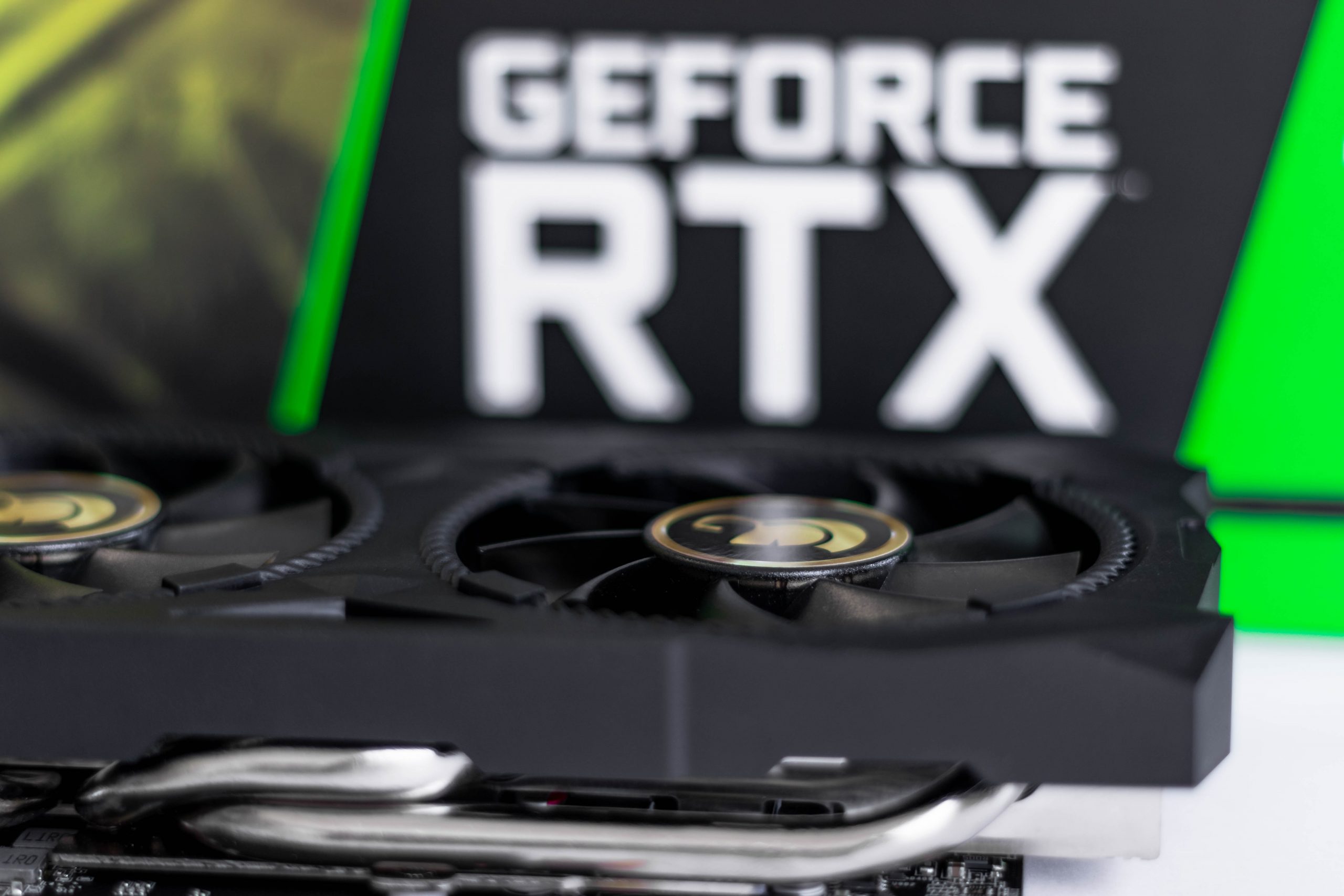
Market data reveals a staggering decline in asking prices. Beyond the $270 Nvidia RTX 3060, other high-performance models are seeing similar cuts. The RTX 3070 is frequently listed for approximately $400, while the RTX 3060 Ti is appearing for around $350. To put these figures into perspective, during the height of the GPU shortage, these cards often sold for two to three times their manufacturer’s suggested retail price (MSRP) on the global market.
The Caveats of the Mining Fire Sale
Despite the enticingly low prices, the influx of these cards has not resulted in an immediate sell-out. Prospective buyers, particularly gamers and PC enthusiasts, remain cautious for several reasons. First and foremost is the condition of the hardware. Mining GPUs are typically subjected to 24/7 operation, often in high-temperature environments and under significant overclocking settings to maximize hash rate efficiency. This constant stress can lead to thermal degradation of the GDDR6/GDDR6X memory modules and significant wear on the cooling fans.
Industry experts warn that the lifespan of a card used for intensive mining can be considerably shorter than one used for standard consumer gaming. While miners often undervolt their GPUs to save on electricity, the consistent heat cycles and the sheer duration of uptime can lead to early component failure. Furthermore, many of these listings are restricted to bulk buyers. Sellers on platforms like Xianyu (Alibaba’s second-hand market) often require minimum purchases of 100 to 200 units, targeting other industrial buyers or wholesalers rather than individual consumers. This "all or nothing" approach reflects the urgency with which miners are trying to exit the market.
In addition to desktop components, the sell-off has extended to mobile hardware. Reports have surfaced of RTX 3060-equipped laptops being sold for roughly $1,000 per unit. These machines were often stacked in makeshift racks to mine Ethereum, as the global shortage of standalone GPUs drove miners to purchase gaming laptops as a workaround.
Broader Market Implications and the Global GPU Shortage
The liquidation of Chinese mining inventories is occurring simultaneously with a broader cooling of the global GPU market. After nearly two years of severe supply chain disruptions and unprecedented demand, there are signs that the "Great GPU Shortage" is beginning to ease. In European markets, such as Germany and Austria, analysts have noted price drops of up to 40% for certain models compared to their peak values.

Several factors are contributing to this global stabilization. First, Nvidia and AMD have increased production capacities, and the introduction of "Lite Hash Rate" (LHR) cards by Nvidia has made new hardware less attractive to miners by artificially limiting its mining performance. Second, the cryptocurrency market itself has entered a period of increased volatility and regulatory scrutiny worldwide, dampening the enthusiasm for new mining ventures.
Perhaps the most significant long-term factor is the Ethereum network’s transition from Proof-of-Work (PoW) to Proof-of-Stake (PoS), commonly referred to as "The Merge." Because Ethereum is the primary cryptocurrency mined using GPUs, the move to PoS—which eliminates the need for hardware-intensive mining—will effectively render GPU mining obsolete for one of the market’s biggest drivers. Nvidia CEO Jensen Huang has acknowledged this transition, noting that the shift in Ethereum’s consensus mechanism would likely increase the availability of graphics cards for the gaming community.
China’s Pivot: From Private Crypto to the Digital Yuan
The crackdown on mining is not merely a regulatory whim but a strategic move to clear the path for China’s sovereign digital currency. As the government removes the competition posed by decentralized cryptocurrencies, it has accelerated the testing and implementation of the digital Yuan (e-CNY). By eliminating the energy-intensive mining industry, Beijing is also aligning its domestic policy with its stated goals of reaching peak carbon emissions by 2030 and carbon neutrality by 2060.
The void left by the departure of Bitcoin and Ethereum miners is being filled by state-sanctioned blockchain initiatives that do not rely on the Proof-of-Work model. This transition underscores a fundamental shift in how the Chinese state views digital assets—transitioning from a speculative, decentralized "Wild West" to a centralized, controlled digital monetary system.
Bitcoin Market Context and Price Resistance
The mass sell-off of hardware is occurring against a backdrop of stagnant price action for the world’s leading cryptocurrency. At the time of reporting, Bitcoin (BTC) continues to trade in a narrow range around the $33,000 mark. Despite minor daily fluctuations, the asset has struggled to regain its previous momentum, facing significant resistance at the $35,000 level.

The correlation between the mining crackdown and Bitcoin’s price is complex. While the initial news of the Chinese ban contributed to a sharp sell-off in May and June, the market has since begun to price in the "Great Migration" of miners. On-chain analysis suggests that while the network’s total hash rate dipped significantly during the peak of the Chinese closures, it has begun to recover as hardware is brought back online in other regions. However, the short-term sentiment remains cautious, as the market weighs the impact of potential further regulations in the United States and Europe.
Conclusion: A New Era for the GPU Market
The sight of thousands of Nvidia RTX GPUs being sold at a fraction of their former value is a stark reminder of the volatility inherent in the intersection of technology and cryptocurrency. For the gaming community, the "mining dump" represents a glimmer of hope that affordable hardware may soon return to retail shelves. However, the risks associated with used mining cards suggest that the second-hand market may not be the panacea many had hoped for.
As China continues to solidify its stance against decentralized mining, the global distribution of hash power is becoming more decentralized, moving toward regions with stable regulatory frameworks and renewable energy sources. In the meantime, the influx of cheap, used GPUs serves as a historical marker of the end of China’s dominance in the crypto-mining sphere and the beginning of a more balanced—if still uncertain—period for the global semiconductor market. The coming months will determine if the current price drops are a temporary fluctuation or the start of a permanent return to MSRP pricing for consumers worldwide.